









How to Build a Foreign Trade Independent Website: 5 Key Steps to Improve Conversion with a Responsive Enterprise Website System

How to build a foreign trade independent website? Use a responsive enterprise website building system to create a multilingual cross-border e-commerce website, improving conversion rates.
The goal of a foreign trade independent website is not just to launch a page accessible to overseas users, but to achieve sustainable customer acquisition and conversion. For users, business decision-makers, and project managers, the key pain points include: high costs of multilingual content management, site loading speed and stability affecting conversion, poor mobile experience leading to high bounce rates, and difficulty in forming a stable customer acquisition loop with ads and organic traffic. The introduction of a responsive enterprise website building system and SaaS website building system can provide solutions in three areas: technically, ensuring uptime and speed advantages through global CDN and automated SSL; operationally, reducing content costs with AI-generated TDK, smart keyword expansion, and multilingual templates; and compliance-wise, lowering transaction friction with localized payment and legal guidance. This article targets practitioners in cross-border e-commerce website building, multilingual foreign trade website development, and foreign trade independent SaaS sites, breaking down five key steps to help improve conversion and ROI under limited budgets and team constraints.
Step 1: Build on a responsive platform to ensure mobile and global access consistency
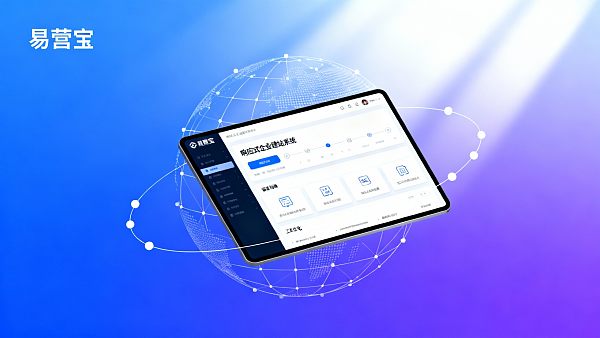
Choosing a responsive website building platform is the foundation of a foreign trade independent website. A responsive enterprise website building system maintains consistent page layouts and interaction logic across devices and screen sizes, directly impacting mobile conversion rates. In practice, focus on three metrics: first-screen load time, key conversion path continuity (e.g., product page to checkout), and mobile form friendliness. Using a SaaS website building system with global deployment leverages edge nodes to reduce latency, making cross-border website building region-agnostic. Technical recommendations prioritize: multilingual and SEO-friendly URLs, automated sitemap and structured data, lazy loading for images and multimedia, and native support for third-party payment and logistics APIs. These strategies effectively reduce bounce rates, increase page dwell time, and improve conversion, especially for B2B procurement and distributor channels where stable access is a prerequisite for transactions.
Step 2: Build a multilingual website structure and localized content workflow
The core of multilingual foreign trade website development lies in "semantic consistency + localized conversion paths." It’s not about simply translating pages but establishing an expandable multilingual content system and localized operational workflows. Recommended approaches include: using language-specific domains or subdirectories for cross-border SEO; combining AI translation engines with local proofreading for rapid deployment; and creating differentiated product pages and image displays for key markets to boost relevance. For content, integrate long-tail keywords, regional expressions, and buyer questions into product descriptions and FAQs to improve organic traffic matching. Integrating CRM and marketing automation enables granular tracking of visitors by country and audience profile, with customized email and social media outreach to convert visitors into leads. The chosen multilingual website platform should support automatic hreflang tags and independent indexing of multilingual sites, critical for cross-border SEO performance.
Step 3: Use data-driven content and ad strategies to close the customer acquisition loop
In a foreign trade independent website’s acquisition system, content and ads must reinforce each other. Built-in SaaS tools like AI keyword expansion and auto-generated TDK quickly form keyword libraries covering different customer stages, reducing manual filtering costs. Combined with on-site user behavior data (e.g., product browse depth, cart addition rates), more precise audience profiling and remarketing strategies can be implemented. For paid channels, global campaigns with localized creatives significantly boost CTR and conversion—e.g., using multilingual landing pages in Google and social ads, dynamic keyword insertion, and localized timing. For rapid-growth foreign trade businesses, integrating search and social ad data flows with the site can create closed-loop tracking from platforms to the independent site. Partnering with tools or collaborators for precision targeting is efficient, such as choosing promotion products with global coverage and multilingual scenario adaptation for measurable results (see: Google Ads). Rational pricing strategies and keyword filtering aligned with audience adjustments can improve inquiry quality to convertible levels while controlling costs.
Step 4: Optimize conversion paths and trust mechanisms to reduce transaction friction

Conversion optimization isn’t just about page design but a systematic process of flow and trust engineering. In cross-border website building, prioritize product page information density, diverse payment options, streamlined checkout, and transparent logistics. For B2B and distribution channels, provide quick quote buttons, downloadable spec sheets, and compliance documents to boost purchase confidence; for end consumers, display localized after-sales policies and clear return logistics. Technically, enable auto-SSL and DDoS protection, add localized payment logos, and logistics partner info to reduce checkout hesitation. A/B testing button copy, price display formats, and form fields can significantly lower abandonment rates. Combined with real-time monitoring and traffic analysis from smart website systems, businesses can form a "test-evaluate-iterate" conversion improvement loop for steady inquiry growth and cost reduction.
Step 5: Establish continuous operations and compliance safeguards for replicable global capabilities
A foreign trade independent website isn’t a one-time project but a business system requiring long-term operations and compliance management. Build a data-centric team including SEO leads, content editors, ad specialists, and security/QC roles. SaaS website systems’ automated reporting and AI marketing engines standardize daily tasks: auto-optimizing keywords and TDK, scheduled social media posts, and ad creative automation with投放 diagnostics reduce manual input while improving efficiency. Compliance-wise, embed privacy and tax declarations, cookie management, and local tax handling for different countries to avoid future legal and payment risks. Establish emergency response mechanisms (e.g., failover, account anomaly handling) to ensure business continuity. Long-term, templatizing these practices into reusable出海 workflows will be key to scalable expansion.
Summary and next steps
In summary, building a foreign trade independent website centers on: a responsive platform foundation, scalable multilingual content and localization workflows, data-driven content and ad strategies to close acquisition loops, continuous conversion path optimization, and compliance/operational safeguards. For businesses seeking rapid globalization and scalable growth, choosing a SaaS website system with global CDN, AI marketing engines, and multilingual support delivers significant advantages in speed, SEO, and ad ROI. EasyTrust’s tech capabilities and global partner ecosystem have helped clients achieve traffic and inquiry multiplication, forming closed-loop services from building to acquisition to conversion. To implement foreign trade website solutions with professional support, contact us or learn more about our services, book expert evaluations and free tech consultations to start efficient cross-border website building and growth.
- Website Development
- Website Builder Platform
- Foreign Trade Website Development
- Inquiry quality
- Independent website building
- Multilingual website development
- Yiyingbao
- SEO
- Independent Website
- Smart website builder system
- Smart Website Building
- AI Translation
- AI Marketing Engine
- AI Translation Engine
- Independent foreign trade website
- Multilingual website
- Independent Foreign Trade Website Construction
- Cross-border E-commerce Website
- SaaS Website Building System
- Responsive website platform
- Cross-Border Website Development
- How to build an independent foreign trade website
- Multilingual Website Construction for Foreign Trade
- Foreign Trade Standalone Site SaaS
- Responsive Enterprise Website Building System
- Multilingual Website Construction Platform
- Foreign Trade Website Solutions
- Responsive Website Building
- cross-border e-commerce
- Marketing Automation
Related Articles
 Rising European Shipping Costs Extend the Inquiry Conversion Cycle in Europe
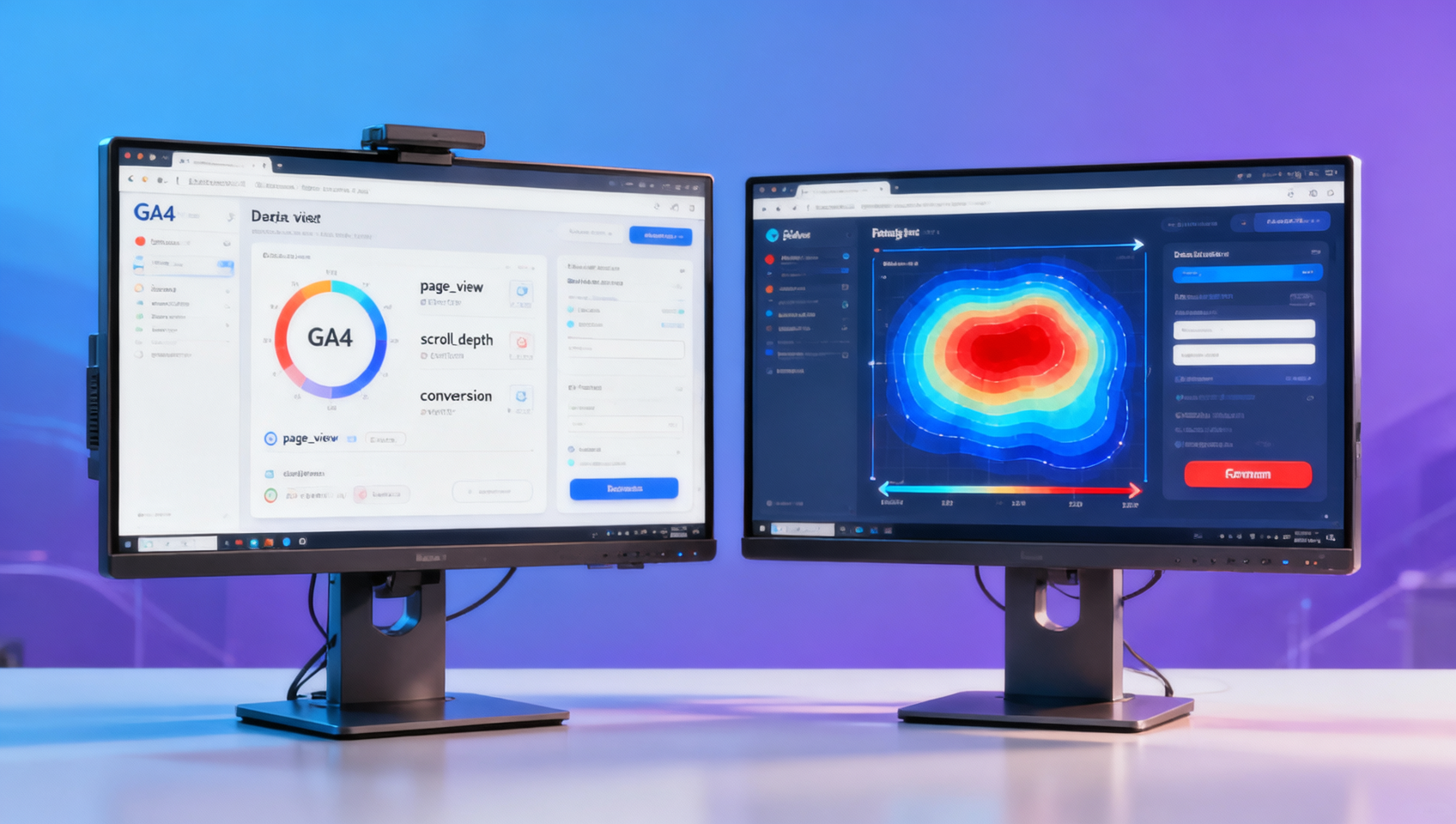
 How to avoid data distortion in website traffic analysis? The GA4 and heatmap joint verification method
 For SaaS companies expanding their brands globally,should they build an official website first or run ads first?How can the growth path be planned more steadily


Related Products
