
Definition of AI translation: Language conversion technology driven by artificial intelligence
AI translation (Artificial Intelligence Translation) , also known as machine translation (MT) , refers to the use of artificial intelligence technologies, especially **Natural Language Processing (NLP) and Deep Learning** algorithms, to achieve automatic conversion from one natural language (source language) to another natural language (target language).
The core value of AI translation lies in its high efficiency, low cost, and customizability . It completely surpasses early rule-based and statistical machine translation, capable of understanding context, semantics, and linguistics , thereby generating more natural, fluent, and human-friendly translation results.
The core components of an AI translation system:
Data layer: a massive multilingual parallel corpus.
Algorithm layer: deep neural networks (such as the Transformer model) and attention mechanisms.
Application layer: User interfaces such as API interfaces, online tools, and customized translation engines.
The history of AI translation: From rules to neural networks
The history of AI translation is an evolutionary history of continuous technological iteration and ever-increasing accuracy, which can be roughly divided into four main stages:
1. Rule-Based Machine Translation (RBMT):
Time period: 1950s to 1980s.
Principle: It relies entirely on manually written linguistic rules, dictionaries, and syntactic analysis.
Characteristics: Translation quality is highly dependent on the completeness of the rule base; it has poor ability to handle specialized fields and long sentences; and the translation results are stiff and have low readability.
2. Statistical Machine Translation (SMT):
Time period: 1990s to 2010s.
Principle: By learning the correspondence between words and phrases in a large corpus through statistical models, the most likely translation result is calculated. Early versions of Google Translate were based on this.
Features: Significantly improves translation speed and readability, but still lacks an effective understanding of long-distance dependencies (i.e., semantic connections between sentences).
3. A Revolution Based on Neural Machine Translation (NMT):
Time period: From 2014 to present.
Principle: The source language is encoded into a semantic vector using a deep neural network (especially a recurrent neural network RNN and the later attention mechanism Transformer model), and then the target language is generated by a decoder.
Features: This is a landmark leap forward in AI translation. NMT can process entire sentences in one go, understand the context, and generate translations with near-human fluency and high accuracy , completely changing the face of machine translation.
4. The Era of Large Models and Customization (Current):
Time period: From the 2020s to the present.
Principle: Based on large-scale language models (LLMs) such as GPT-4 , combined with zero-shot/few-shot learning and domain adaptation techniques.
Features: Translation quality is further improved, with a focus on contextual understanding and deep imitation of localization style . It allows for rapid and accurate customized training based on specific industries, brands, or corpora.
The technical principles of AI translation: Deep learning and the Transformer model
The core technology of current AI translation is neural machine translation (NMT) , especially models based on the Transformer architecture .

1. Encoder-Decoder Architecture:
This is the basic framework of NMT.
Encoder: Reads the source language sentence and compresses it into a fixed-length semantic vector (context vector) , which represents all the core information of the sentence.
Decoder: Based on semantic vectors, it generates vocabulary in the target language step by step until the end of the sentence.
2. Attention Mechanism:
This is the key to NMT's success.
Principle: When translating long sentences, the attention mechanism allows the decoder to **"recall" the most relevant words or phrases in the source language sentence when generating each word in the target language.
Function: It solves the problem of information loss in semantic vectors (i.e., the "long-distance dependency" problem) in traditional models when translating long sentences, and greatly improves the accuracy and coherence of translation.
3. Transformer model (Attention Is All You Need):
Principle: It completely abandons the traditional recurrent neural network (RNN) and relies entirely on the **self-attention mechanism** to process input and output.
Advantages: Because the self-attention mechanism can process inputs in parallel, it greatly improves training speed and model efficiency . Currently, all mainstream high-precision AI translation services, such as Google NMT and DeepL, have adopted or borrowed from the Transformer architecture.
Technical Features of AI Translation: Five Advantages Surpassing Traditional Translation
The latest technological features of AI translation give it unparalleled advantages in efficiency, accuracy, and application:
1. Contextual Awareness
The latest NMT models are able to understand the context at the sentence, paragraph, and even document level . For example, they can accurately determine the meaning of a word in different contexts (such as whether the Chinese word "苹果" refers to a fruit or a company) and make a more accurate translation, rather than simply translating it literally.
2. Domain Adaptability and Customization
AI translation systems can fine-tune general models by importing industry-specific corpora (such as finance, healthcare, and law). This customized engine can learn industry-specific terminology, jargon, and expressions, making the translation accuracy of professional documents far exceed that of general-purpose tools.
3. Translation Memory & Consistency (TM & Consistency)
Advanced AI translation platforms integrate Translation Memory (TM) functionality to ensure complete consistency in the translation of the same term or sentence throughout the project . This is especially important for content requiring high consistency, such as brand terminology and legal clauses.
4. Speed & Scale
AI translation can process massive amounts of text in milliseconds , enabling large-scale, automated translation of content. This allows businesses to deploy websites, product manuals, or marketing materials to global markets at unprecedented speed and cost.
5. Style & Tone Emulation
LLM-based AI translation can capture and mimic the style and tone of the source text , such as translating a serious business report into a corresponding style, or translating a lighthearted social media post into copy with localized humor.
High-value applications of AI translation: unlocking global markets
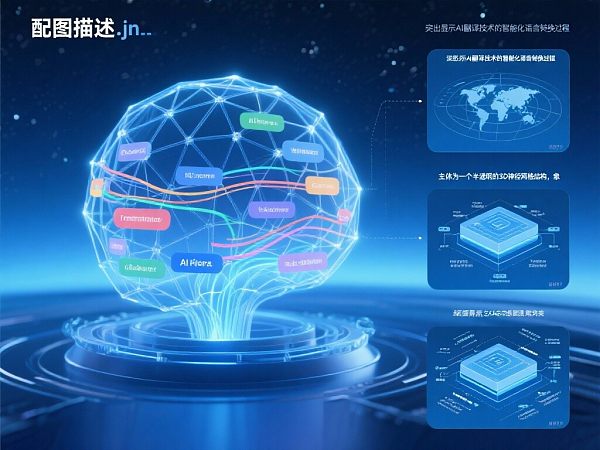
The maturity of AI translation technology has made it a core tool for businesses and individuals to achieve their globalization strategies.
YiYingBao: An integrated expert in AI translation and marketing empowerment
YiYingBao deeply understands the enormous potential of AI translation. We offer more than just translation tools; we provide a comprehensive AI translation-driven global content marketing solution .
SEO Translation Optimization: We combine AI translation with keyword localization research . This ensures that the translated titles, descriptions, and content are not only fluent in language but also contain high-search-volume, high-conversion keywords for the target market.
Customized engine service: Helping companies build and train their own industry-specific AI translation engines to ensure 100% accuracy in the terminology of technical documents and brand promotional materials.
End-to-end integration: Seamlessly integrate AI translation capabilities into CMS, CRM, and marketing automation tools to automate content production and distribution.
E-Chengbao is committed to making AI translation a powerful engine for you to expand into global markets at low cost and high efficiency .
FAQ
1. Can AI translation really replace human translation?
No, at least not in the short term. AI translation has significant advantages in efficiency, scalability, and initial draft accuracy . However , human translators remain irreplaceable in areas such as cultural sensitivity, nuanced handling of complex contexts, and the localization of creative text. The future trend is "human-machine collaboration," with AI handling the initial draft and consistency, and human translators performing post-editing to ensure the highest quality localization.
2. How to evaluate the quality of an AI translation tool?
The following key metrics should be considered when evaluating AI translation tools:
BLEU Score: This is the most commonly used objective scoring standard in the field of machine translation, but it only represents the degree of grammatical and lexical matching.
HCE/HTE (Human Edit Time/Effort): Measures the time and effort required for post-editing. The easier the post-editing, the more practical the AI translation is.
Domain customization capability: Whether you can import your professional corpus for fine-tuning to suit your industry terminology.
Context processing ability: Whether one can effectively handle pronoun and referential relationships between long sentences and paragraphs.
3. Can the AI-translated content be directly used for my website's SEO?
Direct use is not recommended. While AI translation offers high fluency, it cannot automatically conduct keyword localization research . For example, the search habits and popularity for "手机" (phone) in Chinese differ from those for "mobile phone" or "cell phone" in English. The correct approach is to use AI translation to generate an initial draft of the content, and then have SEO experts or a localization team manually optimize and adjust the title, meta description, and core keywords to ensure the content achieves a search ranking advantage in the target market.

Customer Reviews
Mr. Zhang, Global VP of Marketing for a SaaS Product
"Before implementing EasyYunbao's AI translation and SEO integration solution, it took us several weeks to update product documentation across 5 languages. Now, the AI translation engine delivers first drafts in seconds, and with their industry terminology database integration, the accuracy is exceptional. Most importantly, their SEO experts helped us optimize post-translation keywords, resulting in an 80% increase in website traffic within six months for our German and Japanese markets. EasyYunbao truly lets us experience the speed of AI-powered globalization!"
Ms. Wang, Content Operations Lead at a Knowledge Payment Platform
"Our platform hosts massive educational videos and articles requiring rapid Southeast Asian market coverage. Traditional translation costs were prohibitive. EasyYunbao's customized NMT engine not only reduced our translation costs by 75%, but its precision with educational terminology far surpasses generic tools. Now our multilingual content distribution efficiency has increased 10-fold, allowing us to seize local market opportunities, with user growth reaching twice our projected targets."
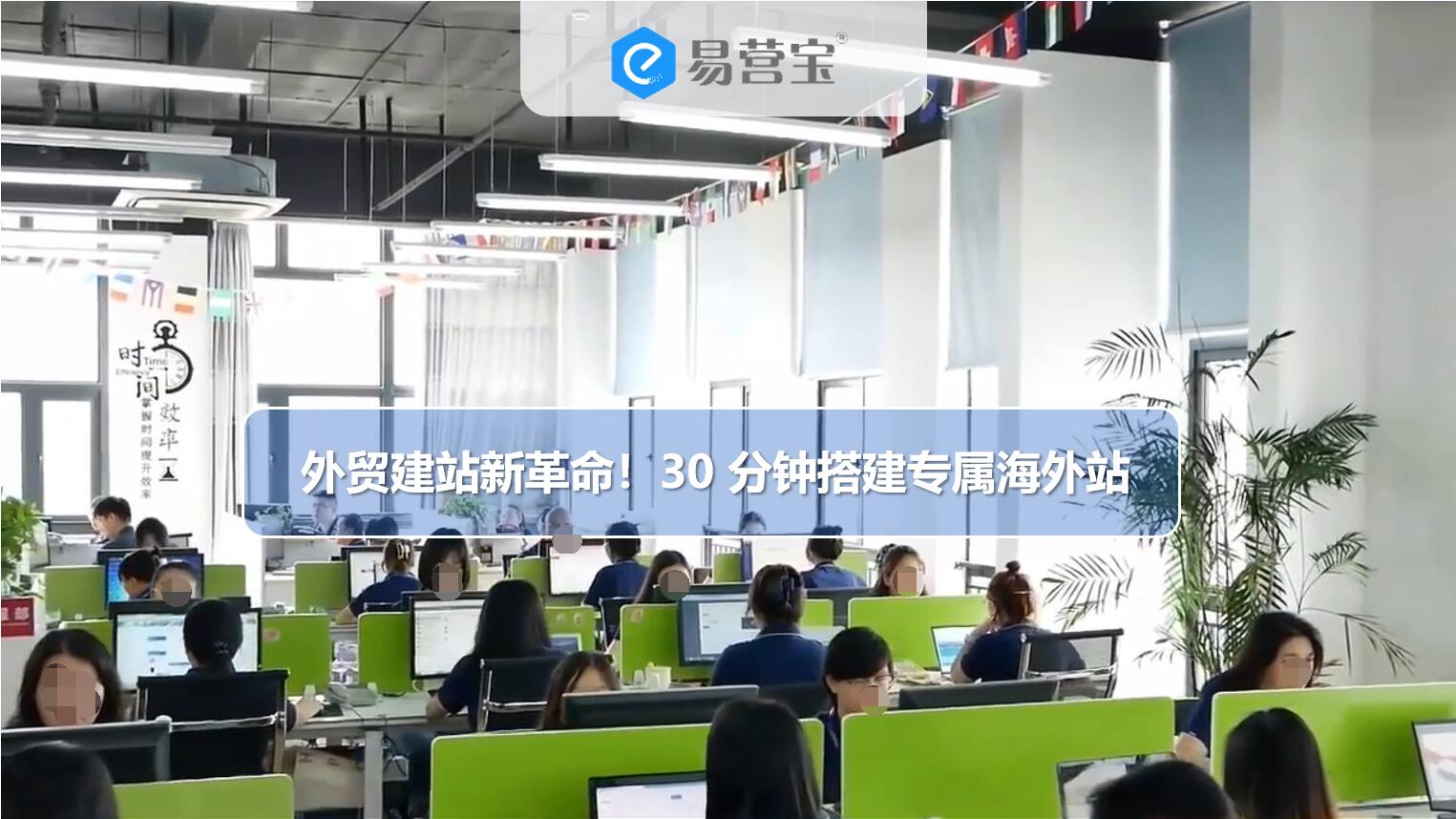
 Website Construction Revolution! Build Your Dedicated International Website in Just 30 MinutesEasyProduct Leads the New Era of International Website Construction, Setting Up Your Exclusive Global Site in 30 Minutes with Support for 130+ Languages, Effortlessly Overcome Language Barriers and Expand Your Global Market Without Limits.
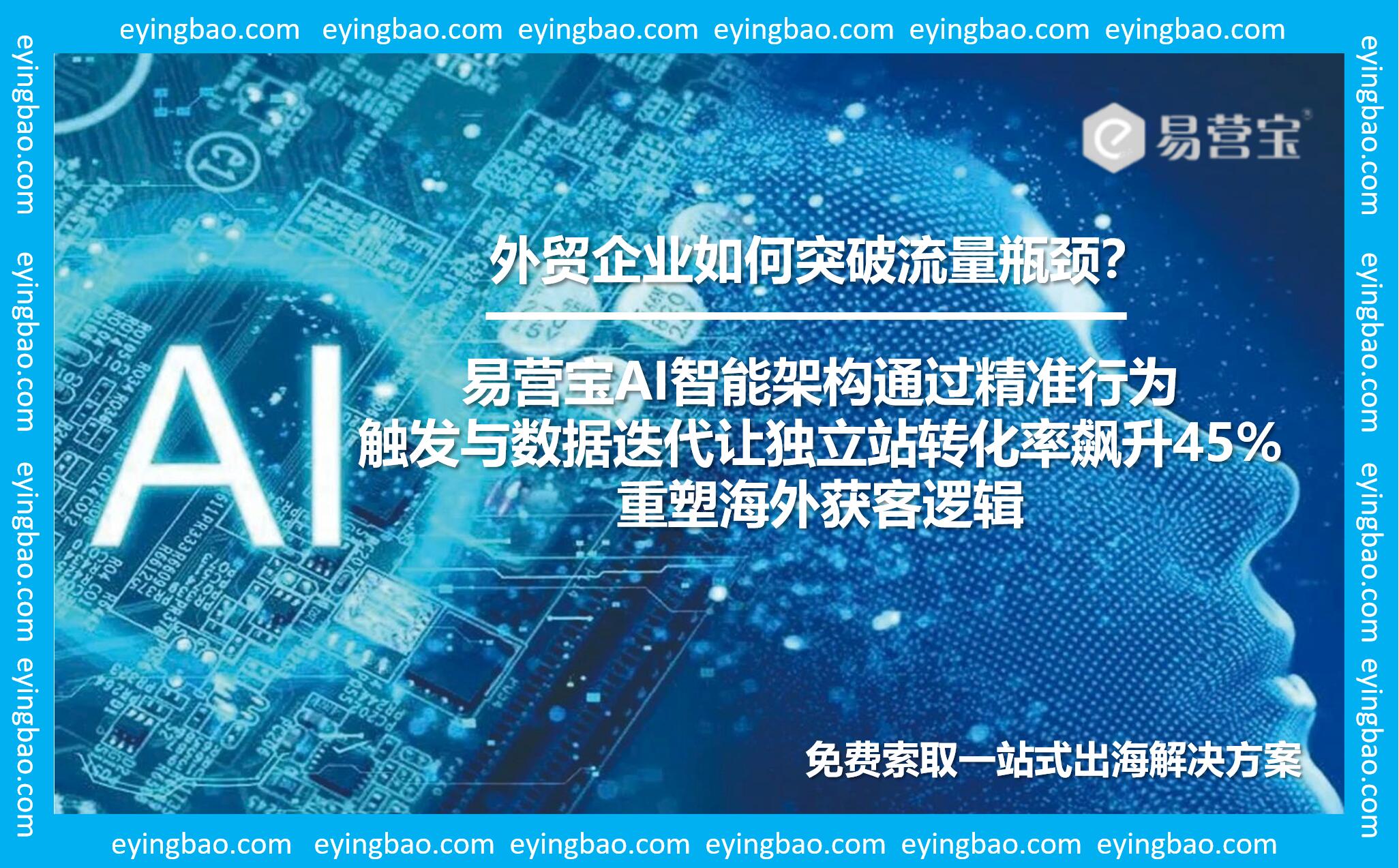
 Independent website conversion rate not improving? AI pop-ups + AB testing help overseas clients place orders 45% faster!How can foreign trade companies break through traffic bottlenecks? EasyProfit AI architecture boosts independent website conversion rates by 45% through precise behavioral triggers and data iteration, reshaping overseas customer acquisition logic.
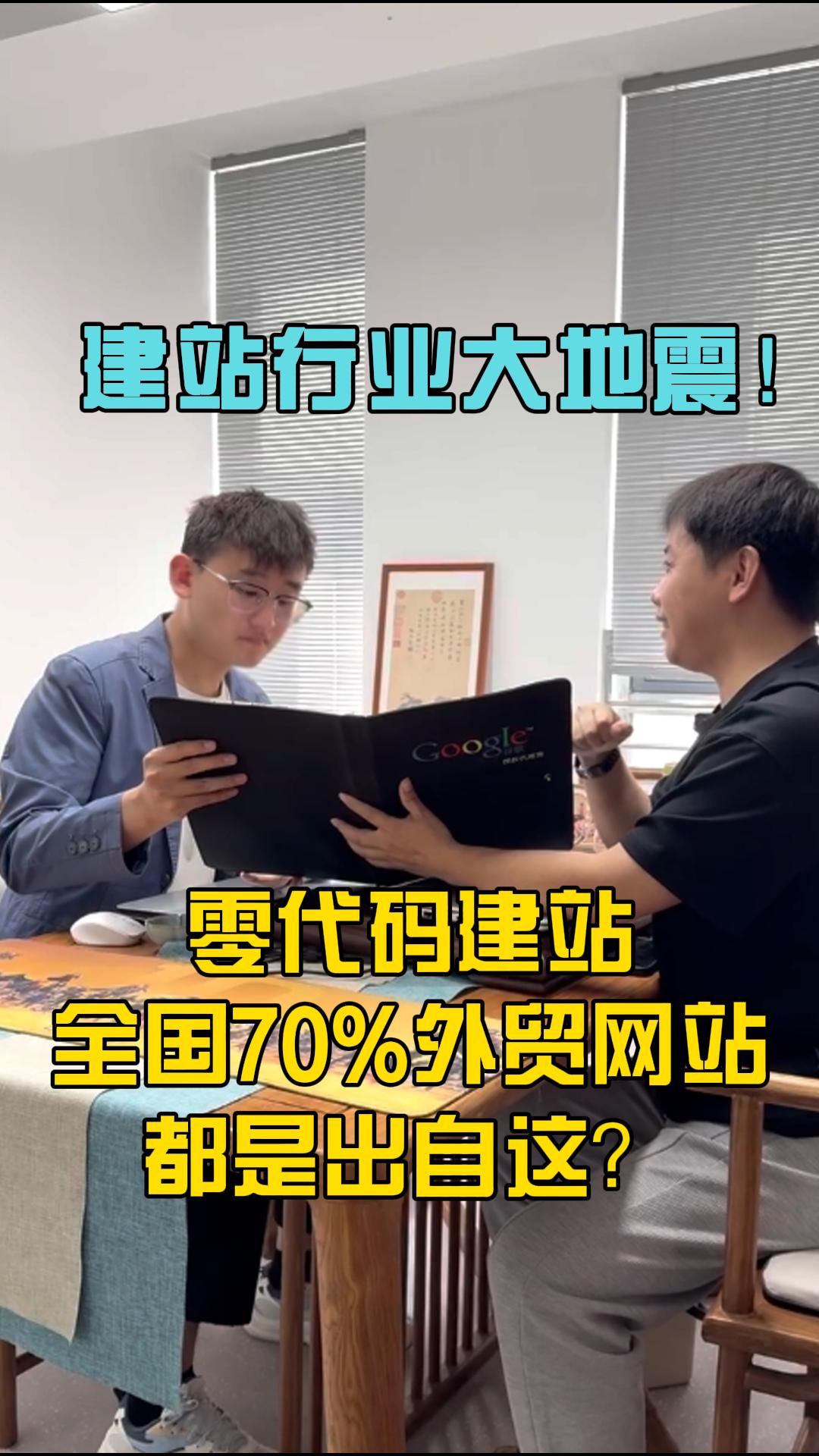
 A seismic shift in the website building industry! 70% of foreign trade websites nationwide are built with zero-code platforms?Website industry earthquake! No tech team required—build foreign trade sites effortlessly with zero-code solutions. 70% of national exporters choose this platform offering vast UI templates, Google AI multilingual support, unparalleled stability, and zero commission. Contact YeeBao now for limited-time bonuses!
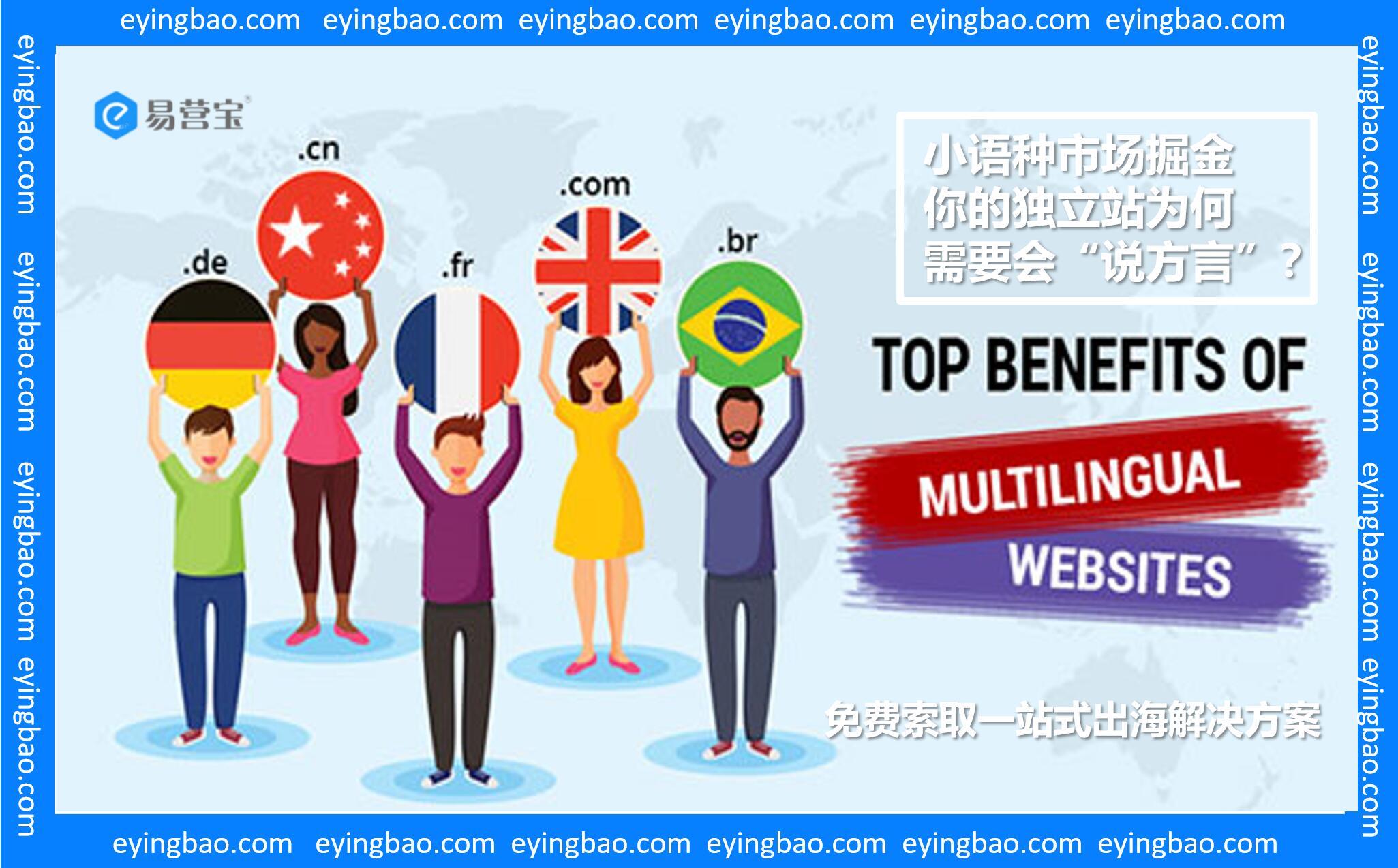
 Unveiling the Goldmine in Niche Markets: Why Does Your Independent Site Need to 'Speak Dialects'?Amid global fragmentation, niche markets with languages like Russian and Arabic are unlocking trillion-level opportunities. How can export-oriented businesses break through language barriers with independent sites? Easy-Commerce AI Translation Engine leverages local language adaptation technology to redefine cross-border lead acquisition.
 Where does Shenzhen's multilingual website development lead in technology?This article provides an in-depth analysis of the technological advantages of Shenzhen's multilingual website development, comparing its features with those of Dongguan, Foshan, and Zhongshan, offering professional multilingual website development solutions for enterprises.
 Beijing multilingual website construction, helping corporate brand upgradeThis article analyzes in detail the key role of Beijing's multilingual website construction in corporate brand upgrading, compares and analyzes the characteristics of multilingual website production in Dongguan, Foshan, Zhongshan and other places, provides professional website construction suggestions and practical cases, and helps companies expand into the international market.
 How AI marketing can help foreign trade independent websites capture the Middle East market?This article systematically analyzes the digital solutions for foreign trade companies to enter the Middle East market. It provides feasible technical implementation plans and operational strategies from the dimensions of multilingual intelligent website construction, AI content localization, search engines and social advertising. It is especially suitable for foreign trade business owners who are looking for local Chinese service providers.
 Foreign trade independent station AI advertising diagnosis: where is your advertising money wasted?This article focuses on the pain point of low efficiency of advertising on foreign trade independent websites, and systematically analyzes typical scenarios of wasted advertising fees, including key issues such as inaccurate keyword matching, conversion gaps on landing pages, and audience positioning deviations. Combining AI diagnostic tools and Google's official optimization solutions, this article provides feasible improvement strategies, covering the entire process from independent website construction to advertising delivery.



 EasyCamp SaaS Smart Website Marketing SystemE-Yingbao SaaS Smart Website Marketing System: AI-powered, zero-code website building. Rapidly launch multilingual independent e-commerce sites in just 10 minutes. Global server acceleration and AI-driven SEO optimization empower businesses to efficiently connect with global markets. The seamless integration of technology and user-friendly operation makes building e-commerce sites incredibly simple.
 EasyYun AI Translation CenterEasyYun AI Translation Center: Empowering multilingual standalone websites, enabling seamless global communication. Integrated with Google Neural Machine Translation technology, it generates multilingual websites with one click, achieving intelligent localization for foreign trade standalone sites and enhancing global market competitiveness.
 外贸多语言网站解决方案易营宝SAAS智能建站系统提供300+小语种精准翻译,解决外贸企业语言障碍,提升订单转化率。支持全终端设备、全球语言、SEO优化与全渠道推广,助您轻松拓展国际市场。