I. Authoritative Definition, Classification, and Strategic Value of Website Platforms
1. Authoritative Definition and Core Functions of Website Platforms
A website platform (Website Builder Platform) refers to integrated software or services that provide **website design, content management, data hosting, and functional extensions**. It allows users to quickly build, publish, and maintain websites without writing code from scratch. Its core functions include: **content management (CMS), theme and template libraries, hosting services, security maintenance, and functional extensions (e.g., e-commerce, inquiry forms)**.
2. Three Mainstream Categories of Website Platforms
Website platforms are primarily divided into three categories, and export enterprises must carefully select based on their needs:
- **Open-source Content Management Systems (CMS):** Represented by WordPress and Drupal, highly flexible but requiring professional technical teams for maintenance and optimization, with SEO performance and security relying on plugins.
- **All-in-One SaaS Website Platforms:** Represented by Shopify, Wix, or EasyStore systems, integrating website building, hosting, security, and optimization, with AI-SaaS platforms excelling in performance and SEO automation.
- **Customized Self-Developed Platforms:** Suitable for enterprises with extremely complex functionalities, with high costs and long development cycles but offering the highest degree of control.
3. Strategic Value of Website Platforms for Enterprise Digitalization
An excellent website platform is the cornerstone of sustained enterprise growth:
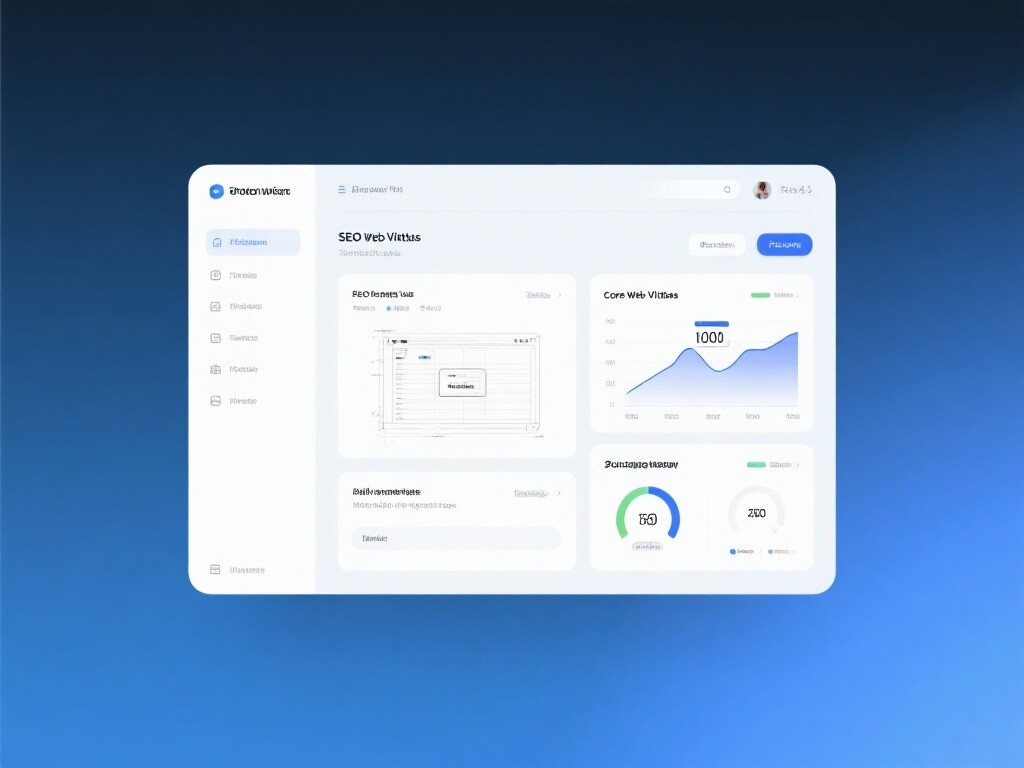
- **SEO Performance Foundation:** A well-structured platform naturally supports Core Web Vitals (CWV) and mobile-friendliness, providing a solid foundation for SEO rankings.
- **Efficiency and Cost Control:** Reducing technical barriers and maintenance costs allows enterprises to allocate more resources to content creation and marketing.
- **Global Adaptability:** Supporting multilingual content, multi-region deployment, and international payments is key to expanding export business.

II. 5 Core Technical Principles of Website Platforms: Keys to Driving SEO and Performance
The underlying technology of a website platform directly determines its performance in search engines and user experience:
1. Responsive and Mobile-First Architecture Principle
Principle: Website design and code should prioritize meeting the browsing and performance requirements of mobile devices. Technical Application: Modern website platforms use **adaptive or responsive design** to ensure perfect layout on any device. Top platforms (e.g., AI-SaaS) ensure **CWV metrics** are prioritized on mobile, directly impacting Google indexing and rankings.
2. Core Web Vitals (CWV) Performance Optimization Principle
Principle: CWV measures key user experience metrics (LCP, FID/INP, CLS). Technical Application: Excellent platforms incorporate **automatic image compression, critical CSS inlining, resource preloading**, etc., to continuously monitor and optimize these metrics, enabling high scores on Google PageSpeed Insights without manual intervention.
3. Multilingual and Hreflang Auto-Maintenance Principle
Principle: Resolve language and regional targeting for international websites, avoiding duplicate content. Technical Application: Export website platforms should provide **multilingual content management interfaces** and **automatically generate and maintain Hreflang tags**, ensuring Google delivers the correct page versions to users in respective countries and regions.
4. Structured Data (Schema Markup) Automation Principle
Principle: Convert page content into machine-readable structured data to achieve rich search results (Rich Snippets). Technical Application: Advanced platforms automatically generate and embed **relevant Schema Markup** based on user-uploaded **products, reviews, FAQs**, etc., significantly enhancing SERP appeal and click-through rates (CTR).
5. SaaS-Based Security and Maintenance Principle
Principle: Centralize website security, vulnerability fixes, and server maintenance. Technical Application: All-in-one SaaS platforms provide **built-in SSL certificates, DDoS protection, and automatic backups**, reducing risks of SEO ranking and business disruptions due to security vulnerabilities or server downtime.
III. 4 Core Technical Features and Applications of Website Platforms
1. Technical Feature: High Modularity and Flexible Extensibility
Feature: Rapid functional extensions via standardized modules and APIs. Application: Users can quickly add **inquiry forms, live chat, e-commerce carts, blog systems**, etc., without complex secondary development. Top platforms ensure module additions do not compromise CWV performance.
2. Application: Integrated Content and SEO Management
Application: The best platforms feature **built-in SEO editors**, providing real-time suggestions for **keyword density, title length, meta description optimization**, etc., ensuring content aligns with SEO best practices from creation.
3. Application: A/B Testing and CRO Integration
Application: Platforms should integrate A/B testing tools to evaluate **landing pages, CTA buttons, form designs**. Advanced platforms (e.g., AI-SaaS) even auto-adjust optimal versions based on conversion data, achieving CRO automation.
4. Application: Seamless GA4 and Marketing Tool Integration
Application: Modern platforms must offer **one-click Google Analytics 4 (GA4) integration** and easy deployment of **Facebook Pixel, LinkedIn Tag**, etc., ensuring complete and accurate marketing data collection for closed-loop analytics.
IV. Comparative Analysis and Industry Application Scenarios of Website Platforms
1. Comparative Analysis of Mainstream Platforms: SaaS vs. CMS vs. Custom
2. Typical Industry Application Scenarios for Website Platforms
The right platform choice can drive explosive growth for specific industries:
- **B2B Export Manufacturing:** Prioritize **all-in-one AI-SaaS platforms**, emphasizing CWV performance and Hreflang automation to support global multi-region professional content marketing and inquiry conversions.
- **Cross-border B2C E-commerce Retail:** Opt for **e-commerce-specific SaaS platforms (e.g., Shopify)** or **high-performance custom systems**, focusing on payment integration, inventory management, and lightning-fast loading (LCP).
- **Startups/MVP Validation:** Seek **rapid deployment and low-cost** solutions; all-in-one SaaS platforms enable deployment and SEO optimization within 72 hours.
3. Technical Standards and Certifications for Website Platforms
When selecting a platform, focus on the following technical standards and certifications:
- **CWV Compliance Rate:** The platform’s advertised CWV average score is the most直观 indicator of its performance architecture quality.
- **Security Certifications:** Whether the platform has passed **ISO 27001** international information security management system certifications.
- **Compliance Support:** Whether the platform provides **GDPR/CCPA** privacy tools and cookie consent management to ensure data compliance for export operations.
V. Choose an All-in-One AI-SaaS Website Platform Now and Say Goodbye to Technical Barriers!
Is your website losing global opportunities due to outdated technology, slow performance, or complex maintenance? It’s time to upgrade to an all-in-one AI-SaaS website platform designed for export growth! We offer **industry-leading CWV performance, Hreflang auto-deployment, and AI-driven optimization capabilities**. Schedule a **“Website Platform Selection Consultation”** now, and let our experts tailor the most sustainable, conversion-optimized website solution based on your business and SEO needs!
Click for a Free Website Platform Selection ReportFAQ
1. In which aspects does the SEO friendliness of a website platform mainly manifest?
Answer: The SEO friendliness of a website platform is mainly reflected in: 1) Website performance (meeting CWV standards, especially LCP and INP); 2) Code structure (clean and concise, conducive to crawling); 3) Multilingual support (automated Hreflang); 4) Built-in SEO tools (such as Meta tag editing and Schema automation).
2. Why do CMS systems like WordPress have inherent disadvantages in CWV performance?
Answer: WordPress is a general-purpose system whose performance heavily relies on numerous plugins and themes. Excessive plugins and complex theme code can lead to redundant code and resource loading bottlenecks, making it difficult to consistently meet CWV standards. In contrast, all-in-one SaaS platforms feature streamlined code and underlying resource loading optimizations, resulting in more stable performance.
3. What core functionality should B2B export enterprises prioritize when selecting a website platform?
Answer: The top priority should be **internationalization and multilingual support capabilities**. This includes: automated Hreflang tag maintenance, global CDN acceleration, multi-region content management, and compliance support (e.g., GDPR). These features directly impact a B2B website's global market rankings and user experience.
4. How do all-in-one SaaS website platforms handle customization requirements?
Answer: Leading SaaS platforms address most customization needs through **open API interfaces, low-code/no-code editors**, and **extensive module libraries**. For highly specialized complex functions, while not as flexible as custom development, their **advantages in performance, security, and SEO** often compensate for minor functional compromises.
Customer Reviews
Director Zhao, Mid-sized B2B Industrial Parts Supplier
"Previously using WordPress, we spent significant time and money annually resolving plugin conflicts and performance issues. After switching to an all-in-one SaaS platform, **our CWV scores stabilized above 95**, and multilingual Hreflang maintenance became fully automated. **Post-launch, organic search traffic grew 120% in six months, while IT maintenance costs dropped 70%.**"
Manager Sun, North American SaaS Software Provider
"For high-demand software industries, website performance is critical. We chose an all-in-one platform whose **built-in A/B testing and CRO tools** helped us quickly optimize pricing page layouts and CTA conversions. Most importantly, **the platform's security and global CDN acceleration** ensure lightning-fast worldwide access, effectively enhancing users' professional trust in our brand."
 Big data is here! The EasyYingbao Foreign Trade Website Platform helps you analyze cross-border trade data to assist businesses in expanding their international commerce.This article describes the development trends of cross-border trade and the service advantages of the EasyYingbao Foreign Trade Website Platform. Through data analysis, three key points are highlighted: sustained growth in cross-border trade, digital technologies driving trade facilitation, and changes in trade structures. Additionally, the article introduces EasyYingbao's professional expertise in foreign trade website development, customized solutions, and high-quality service support, emphasizing the platform's commitment to providing superior and efficient website construction services for foreign trade enterprises.
 Use the intelligent website building platform to quickly improve website rankingsThis article introduces the key factors to improve website visibility and keyword ranking, including strategies such as choosing a suitable website building platform, optimizing website content and structure, using super website functions reasonably, strengthening the internationalization of foreign trade website construction, and regular updating and maintenance. By implementing these measures, companies can effectively improve the keyword ranking and visibility of their websites, thereby attracting more potential customers and enhancing brand influence.
 Professional Mini Program development ushers in a new era for the 5G+ smart world!This article explores the significance of professional Mini Program development in the smart era, emphasizing its advantages including convenience, efficiency, cross-platform compatibility, and intelligence, as well as practical application scenarios across diverse industries. It further examines market prospects for professional Mini Program development and offers guidance on selecting an appropriate development team. Additionally, the article showcases the features and capabilities of EasyStore's website-building platform and outlines step-by-step instructions for creating Mini Programs using this platform.
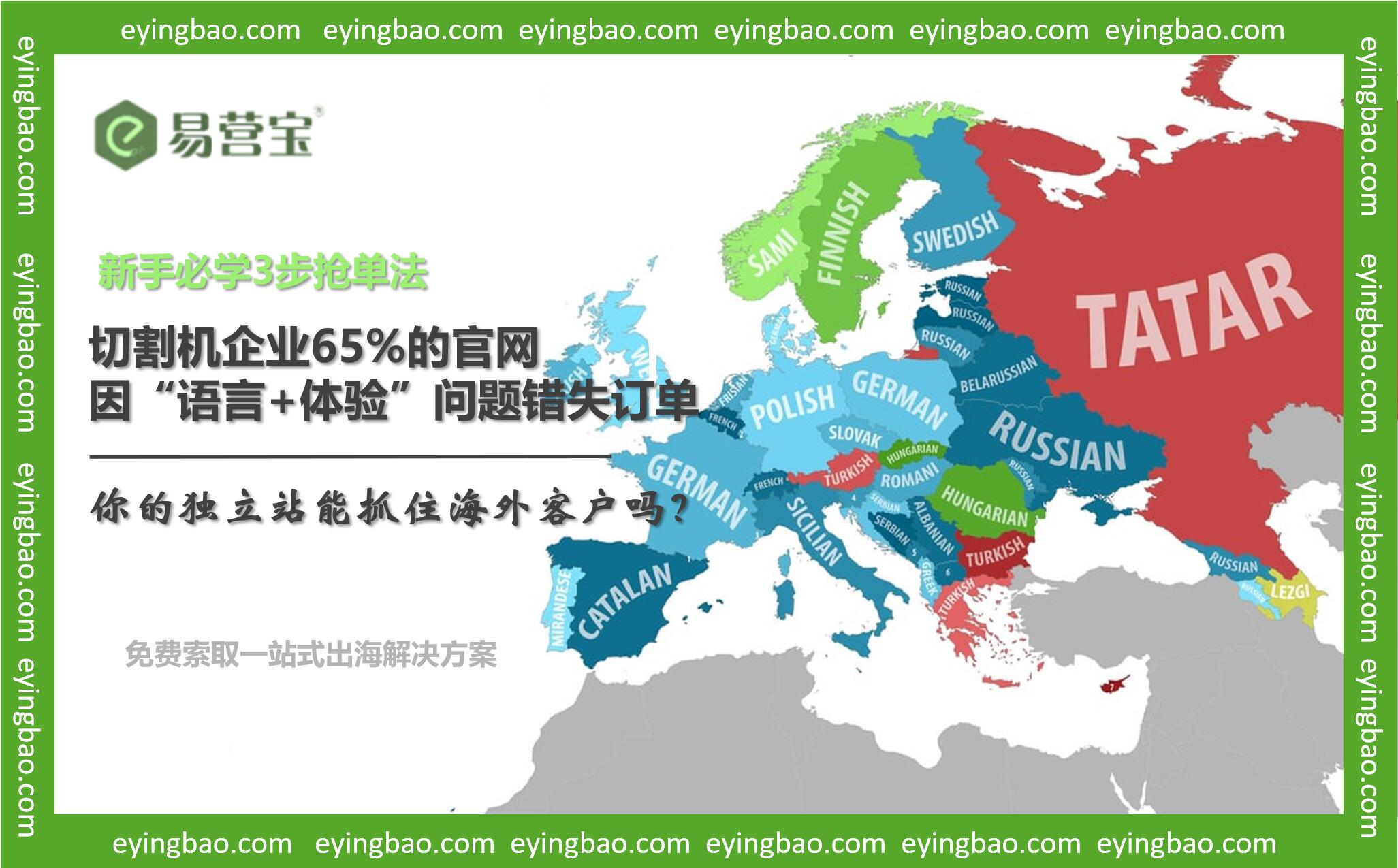
 Microsite + AI Negotiation Breakthrough! 3-Step Order Grabbing Guide for Jinan Cutting Machine NewbiesData shows that by 2025, 83% of global B2B buyers will make purchasing decisions through independent websites, but 65% of Jinan cutting machine manufacturers lose orders due to 'language + UX' issues. Can your website capture overseas clients?
 Independent website conversion rate not improving? AI pop-ups + AB testing help overseas clients place orders 45% faster!How can foreign trade companies break through traffic bottlenecks? EasyProfit AI architecture boosts independent website conversion rates by 45% through precise behavioral triggers and data iteration, reshaping overseas customer acquisition logic.
 A seismic shift in the website building industry! 70% of foreign trade websites nationwide are built with zero-code platforms?Website industry earthquake! No tech team required—build foreign trade sites effortlessly with zero-code solutions. 70% of national exporters choose this platform offering vast UI templates, Google AI multilingual support, unparalleled stability, and zero commission. Contact YeeBao now for limited-time bonuses!
 Ever wondered where those fancy foreign trade ads come from? Learn how Google Ads + website SEO black tech turn Myanmar's industry giants into YOUR clients!Foreign trade bosses, beware! While competitors' websites are so smooth that even polar bears can place orders, your official site still uses 'international scammer templates'? Google's AI algorithm shoves ads right into foreigners' inboxes—Myanmar's 'King Wang' searches for industrial gloves and immediately sees your ads!
EasyBuilder: Instant Russian/Thai language switching, loading faster than Deutsche Bahn trains!
Google Ads Management: Spend $1,000 to earn back $8,000, curing foreigners' 'read-but-no-reply' syndrome!
Scan to claim your [Anti-Pitfall Guide + Website Black Tech], comment '甲方' for free overseas traffic diagnosis! The Advantages of a Dedicated WebsiteAs an intelligent business card that remains accessible around the clock, a dedicated website comprehensively showcases operations, builds a systematic information framework, and maintains brand consistency. This article explores how dedicated websites help establish a professional image, reduce communication costs, and foster long-term trust—enabling you to outstand in a fragmented market.







 Website Traffic PackageEasyTraffic is a dedicated data plan designed for cloud services. It activates instantly upon purchase and automatically offsets IPv4 traffic charges for ECS, EIP, CLB, and other services. Offering both convenience and cost-effectiveness, it empowers businesses to efficiently manage their network resources.
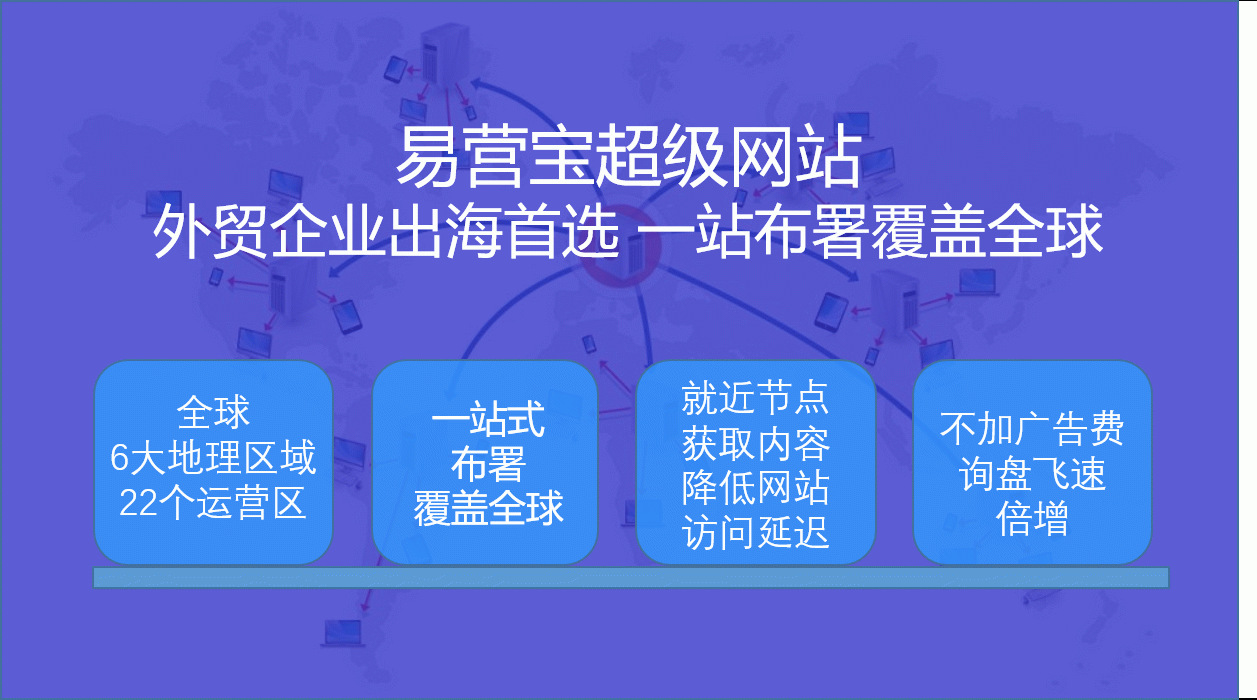
 Website") EasyCampaign Foreign Trade Marketing (Super) WebsiteEasyCampaign Super Website, leveraging powerful global server networks and CDN acceleration services to ensure your website achieves lightning-fast access worldwide. This significantly enhances user experience, effectively improves website speed and retention rates, helping your business achieve global growth.
EasyCampaign Foreign Trade Marketing (Super) WebsiteEasyCampaign Super Website, leveraging powerful global server networks and CDN acceleration services to ensure your website achieves lightning-fast access worldwide. This significantly enhances user experience, effectively improves website speed and retention rates, helping your business achieve global growth. AI+SEM Intelligent Advertising Marketing SystemAI+SEM drives intelligent ad creation, empowering full-funnel precision advertising marketing. The system automatically generates weekly/monthly reports, AI recommends keywords and target countries, monitors core metrics in real-time with intelligent alerts, and enables one-click high-conversion ad solutions to help quickly acquire customers and improve ROI.
 EasyCamp SaaS Smart Website Marketing SystemE-Yingbao SaaS Smart Website Marketing System: AI-powered, zero-code website building. Rapidly launch multilingual independent e-commerce sites in just 10 minutes. Global server acceleration and AI-driven SEO optimization empower businesses to efficiently connect with global markets. The seamless integration of technology and user-friendly operation makes building e-commerce sites incredibly simple.
 SSL证书易营宝提供专业SSL安全证书服务,包括单域名和泛域名证书,确保网站数据传输加密、身份验证和完整性保护,助力企业建立安全可信的在线业务环境。
 EasyOperate B2C Cross-Border E-Commerce Platform & Independent WebsiteEasyStore B2C Cross-border E-commerce Independent Store is an intelligent website building and cross-border e-commerce integrated solution independently developed by EasyStore Information Technology (Beijing) Co., Ltd. The system is specially designed for small and medium-sized as well as large export enterprises, integrating 'website building, operation, marketing, advertising, and conversion' into one, helping enterprises quickly establish cross-border e-commerce independent stores to achieve brand globalization and global sales growth.
The platform supports multiple languages, multiple currencies, and multi-channel marketing, with built-in AI intelligent translation and SEO optimization systems, suitable for mainstream markets such as Southeast Asia, Europe and America, Latin America, and the Middle East, assisting Chinese manufacturing enterprises in efficiently deploying international e-commerce strategies. Domain Name ServicesEasyWin provides professional domain name services, including intelligent queries, one-stop registration, brand protection, and full lifecycle management, helping businesses build a digital brand image.
 AI+SNS Social Media Marketing SystemYingbao AI+SNS Social Media Marketing System - Precision social capture for the social media era. Supports one-click content synchronization across major platforms like Facebook and LinkedIn. AI intelligently rewrites posts for enhanced relevance. 24/7 AI customer service and user profiling analysis empower businesses to efficiently expand into global markets.