
I. Definition and Core Value of Cross-border Independent Site Building
1. Definition of Cross-border Independent Site Building
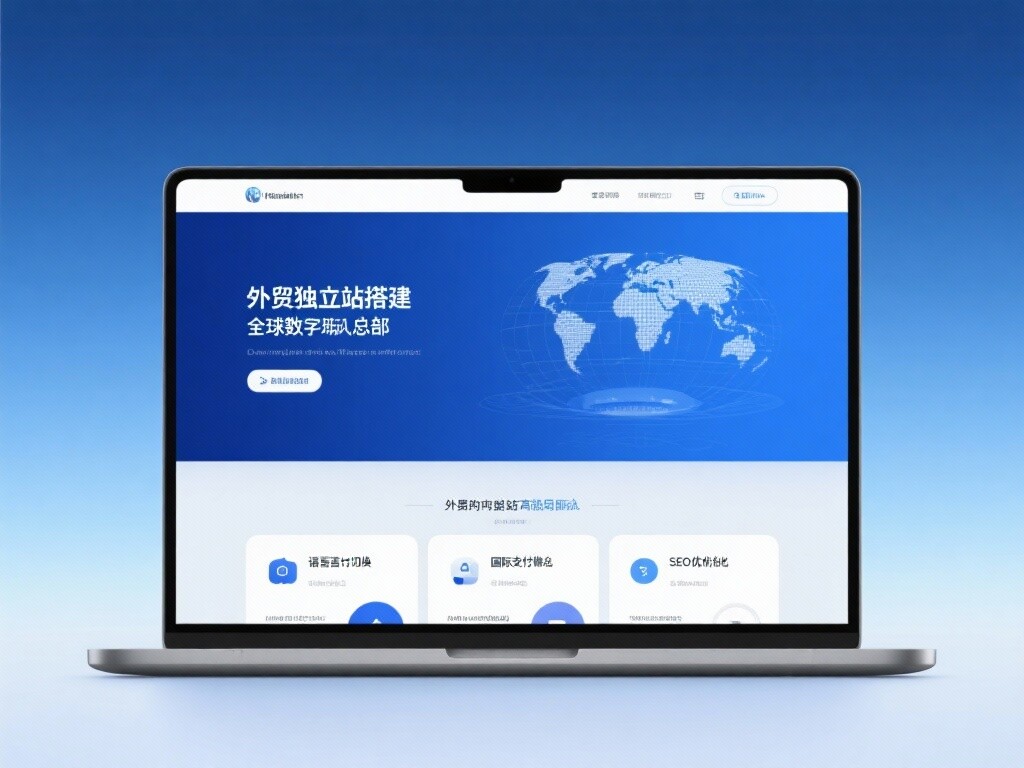
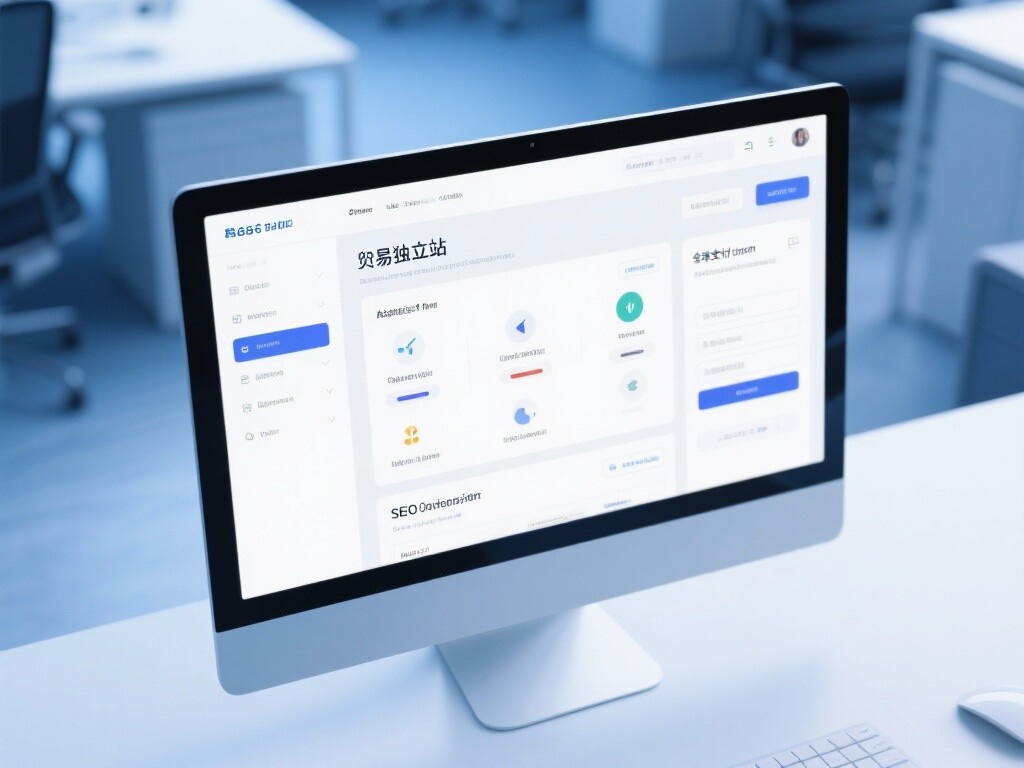
Cross-border independent site building refers to the process of constructing a website based on SaaS platforms (e.g., Shopify) or open-source systems (e.g., Magento/WooCommerce), with the goal of cross-border e-commerce sales or B2B international inquiries. It emphasizes treating the website as a global digital headquarters and focuses on resolving compliance issues such as international payment integration, global network performance, and target market regulations (e.g., GDPR, taxation).
2. Core Strategic Value of Cross-border Independent Sites
II. Development History of Cross-border Independent Site Building: From Platform Dependency to D2C Autonomy
The evolution of cross-border independent sites reflects the transformation of cross-border trade from intermediary models to brand-direct-to-consumer (D2C) models.
1. Early Stage: Information Display and B2B Platform Dependency (1995-2010)
Website Form: Simple company introduction pages lacking transaction and multilingual functionality.
Operation Model: Orders and inquiries primarily relied on B2B platforms (e.g., Alibaba, Global Sources) and offline exhibitions. Websites served only as auxiliary display tools.
2. Rise of CMS and Open-source Systems (2010-2015)
Technological Shift: The emergence of open-source e-commerce systems like Magento and OpenCart enabled businesses to possess autonomous transaction functionality.
Operational Transformation: Began experimenting with traffic acquisition via Google SEO and early paid ads, but lacked global performance optimization.
3. SaaS Platform Simplification and D2C Boom (2015-Present)
Milestone: The advent of SaaS platforms like Shopify significantly reduced the difficulty of site building and maintenance.
Core Focus: Shifted toward marketing integration (Facebook/Google Ads) and global performance optimization (CDN).
Trend: Emphasized localized user experience, multilingual SEO (Hreflang), and data compliance, transforming cross-border independent sites into digital headquarters for global brands.
III. Technical Principles of Cross-border Independent Site Building: Internationalization and High Performance
Cross-border independent site building must adhere to international standards and the underlying technical requirements of user experience (UX).
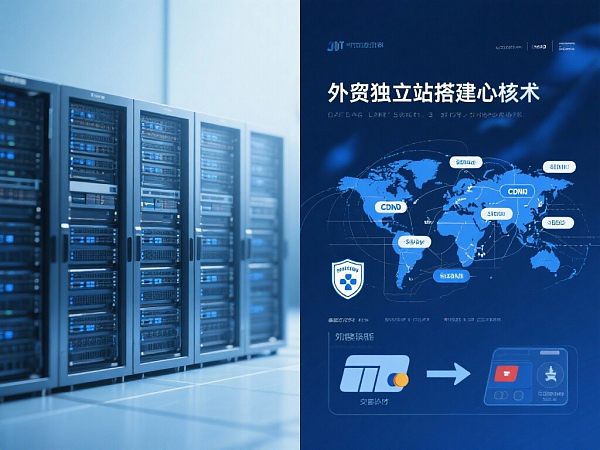
1. Global High-performance Architecture (CDN & CWV)
Technology: Must utilize Content Delivery Networks (CDN) to cache website content on servers close to target user groups.
Principle: Ensure ultra-fast loading in target markets (e.g., Europe, North America, or Southeast Asia) to meet Google's Core Web Vitals (CWV) standards. This is the foundation for high conversion rates and SEO rankings.
2. Internationalized SEO Architecture (Hreflang)
Hreflang Deployment: For multilingual/multi-regional versions (e.g., en-us, en-gb, zh-cn), correctly deploy Hreflang tags to specify target countries and languages.
Purpose: Ensure search engines display the correct version of the webpage to local users, avoiding duplicate content penalties and achieving internationalized SEO rankings.
3. Payment and ERP/CRM Integration
Payment Gateway: Must integrate global mainstream payment methods (e.g., Stripe, PayPal, local payment channels) to ensure secure and streamlined transactions.
System Integration: During setup, reserve API interfaces to seamlessly connect order and customer data with the company's ERP (Enterprise Resource Planning) or CRM (Customer Relationship Management) systems, enabling automated supply chain and customer management.
4. Compliance and Security Foundations
Data Security: Must enable HTTPS secure protocol.
Privacy Compliance: For the EU market, websites must clearly and compliantly handle data collection to meet GDPR (General Data Protection Regulation) requirements.
IV. Core Features and Success Factors of Cross-border Independent Site Building
Successful cross-border independent sites exhibit three key features: high conversion rates, localization, and scalability.
1. Localized User Experience (UX/UI)
Feature: Website design, imagery, copywriting, and pricing displays must align with the cultural habits of target market users.
Elements: Use local currencies and measurement units; incorporate localized trust badges and customer reviews.
2. CRO Design for Inquiries/Transactions
Feature: B2B cross-border independent sites emphasize convenience for quote requests; D2C sites focus on smooth checkout processes.
Elements: Simplified checkout flows (minimized steps on checkout pages); minimized inquiry form fields; clear multiple CTAs.
3. Stable Scalability and Flexibility
Feature: Cross-border independent sites must handle global sales events (e.g., Black Friday) and rapid product line expansions.
Elements: Platform choice (e.g., Shopify Plus scalability) ensures the architecture supports millions of SKUs and high concurrent traffic.
V. Advanced Applications and Platform Selection for Cross-border Independent Site Building
1. Strategic Considerations for Platform Selection
2. Practical Deployment of Internationalized SEO
Keyword Research: For different country markets, use localized language and search habits for keyword research (e.g., U.S. customers search for "best cheap shoes," while UK customers may search for "best trainers for budget").
URL Structure: Use subdirectories (e.g.,
example.com/fr/) or subdomains (e.g.,fr.example.com) to deploy multilingual versions.
3. Marketing Integration and Data Feedback
Tool Integration: During site building, pre-embed the data layer required for Google Analytics 4 (GA4) and Facebook Conversion API (CAPI) to ensure accurate marketing data feedback.
Remarketing: Websites must integrate Meta Pixel and Google Tag Manager for precise global remarketing ad campaigns.
VI. EasyProfit: Your Cross-border Independent Site Building and Global Growth Expert
EasyProfit specializes in providing cross-border independent site building and full-stack optimization services for global export enterprises, featuring high performance, high conversion rates, and high compliance.
Global High-performance Architecture Setup: Select optimal servers and CDN solutions for target markets to ensure your independent site achieves ultra-fast access and high CWV scores globally.
Multilingual SEO Internationalized Architecture: Professional Hreflang tag deployment and international content architecture planning help your site precisely capture multi-country SEO traffic.
Payment and System Integration Expertise: Assist in integrating multi-country mainstream payment gateways and provide ERP/CRM data interface services to automate export operations.
Localized UX/CRO Design: Follow cultural preferences and shopping habits of target markets for customized UX/UI design and conversion rate optimization, turning traffic into orders.
Data and Legal Compliance Assurance: Ensure websites operate compliantly under GDPR, CCPA, and other international data privacy laws to mitigate legal risks.
FAQ
1. After completing cross-border independent site building, which two technical issues should be prioritized?
Answer: Global performance (speed) and international SEO architecture.
Global Performance: If the website loads slowly, users and Google will abandon it, leading to high bounce rates and low rankings. Must use CDN and CWV optimization.
International SEO Architecture: Correctly deploy Hreflang tags. If multilingual versions lack proper tagging, search engines cannot distinguish them, potentially resulting in duplicate content penalties.
2. Is it better to choose a SaaS platform (e.g., Shopify) or an open-source system (e.g., WooCommerce) for cross-border independent sites?
This depends on your business complexity and budget.
Shopify (SaaS): Suitable for quick launches, fewer than 100K SKUs, and no complex customization needs for D2C brands.
WooCommerce/Magento (Open-source): Suitable for large B2B or B2C enterprises requiring high customization and complex system integration (e.g., ERP/custom pricing).
3. How to resolve SEO ranking issues for multilingual content in cross-border independent sites?
The core lies in Hreflang and localized content.
Technical Layer: Correctly deploy Hreflang tags to specify target languages and countries.
Content Layer: Avoid machine translation; use localized translation. For versions targeting different countries/regions, adjust content and keywords based on local search habits.
4. Which international compliance issues must be considered when building cross-border independent sites?
Primarily consider data privacy, payment security, and taxation.
Data Privacy: For EU and U.S. markets, clearly display privacy policies and cookie consent banners to meet GDPR/CCPA requirements.
Payment Security: Ensure payment flows comply with PCI DSS standards and use HTTPS.
Taxation: Based on target market sales volumes and product types, ensure the system can handle different countries' sales taxes (VAT/GST).

Customer Reviews
Mr. Tang, CEO of a D2C sports accessories brand
"When building our independent website, the biggest challenges were slow loading speeds in the European market and messy multilingual versions. The EasyStore team built us a global CDN architecture based on Shopify Plus and thoroughly optimized Hreflang deployment. The result: our website's loading speed in Europe improved by , with all Core Web Vitals metrics meeting standards. Now, organic search traffic and orders from Europe have achieved exponential growth, successfully opening up our most crucial overseas market!"
Ms. Zhang, Marketing Director of a B2B new materials export company
"As a traditional B2B enterprise, we urgently needed an efficient inquiry website. The foreign trade independent station built by EasyStore not only looks highly professional but more importantly integrates CRM and automated inquiry systems. Their designed inquiry forms have excellent conversion rates and reserved ERP interfaces. Now, our official website generates 3 times more high-quality international inquiries than traditional B2B platforms, and thanks to automated data flow, sales follow-up efficiency has improved by . This truly upgrades the website from a business card to a digital sales tool."
 Building a Foreign Trade Independent Website: How to Create a High-Converting Website?This article systematically explains the key steps in building a foreign trade independent website, including multilingual website construction, AI-powered SEO optimization, social media advertising placements, and other core aspects, providing actionable solutions to boost conversion rates.
 B2B Website SEO: Do You Know These Little Tips?This article details 12 core techniques for B2B website SEO optimization, including multilingual adaptation, TDK optimization, backlink building, etc. Combined with AI-powered website systems and ad tools, it helps export companies improve Google search rankings and conversion rates.
 AI Intelligent Marketing: The Future is Here, Are You Ready?Easypromos integrates AI-powered website building with global traffic ecosystems, providing enterprises with end-to-end solutions from website construction to precision lead generation, significantly improving SEO scores and ad conversion rates. We've empowered over 100,000 businesses to achieve global growth.
 Still struggling with foreign trade website traffic? This fast SEO tool helps you effortlessly boost your rankingsDiscover how EasyOperate AI marketing platform solves foreign trade website traffic challenges through rapid SEO tools, including independent site construction, AI optimization technology, and success cases, helping foreign trade enterprises achieve efficient customer acquisition.
 Website TDK Setup Techniques: Double Your SEO Effectiveness!This article details core techniques for website TDK setup, including title crafting, description optimization, and keyword placement strategies. Leverage AI tools to double SEO results, especially suitable for foreign trade independent websites and multilingual website development scenarios.
 Looking to dominate the local foreign trade export market? The opportunity is here! Seeking local partners to establish a foreign trade website marketing company - you handle operations, headquarters provides full-process support!Join our foreign trade website marketing company - zero franchise fees, light-asset startup. Headquarters provides SaaS smart website + AI operational system with full-process support to help you seize foreign trade export profits!
 How can foreign trade independent websites quickly improve conversion rates through SEO?This article provides a detailed analysis of key strategies for SEO optimization of foreign trade independent websites, including technical architecture optimization, multilingual content generation, AI-driven keyword matrices, and other core modules. It also integrates the technical advantages of EasyYunbao's AI-powered website building system to offer comprehensive guidance for foreign trade enterprises from website construction to traffic conversion.
 New Choice for Foreign Trade Website Development! Western Aesthetics Compliant + Global Acceleration + 259 Languages, Low Customer Acquisition CostEasyW foreign-trade website system, enables quick setup of globally optimized sites without coding. Supports 259 languages translation and global acceleration, lowering costs to acquire high-quality overseas clients.