









- Which channel has the highest ROI in the global traffic ecosystem? Comparative analysis of search, social media, and advertisingJul 10, 2026View details
- What multilingual website services are available in Sanya? Which model is more suitable for local businesses going global?Jul 08, 2026View details
- How to view the complete list of China SaaS companies in the top 100? Practical methods for screening website-building and marketing service providersJul 08, 2026View details
- How to view pricing in the global traffic ecosystem? Cost comparison of search, social media, and content channel advertisingJul 06, 2026View details
- How to assess foreign trade website development trends?Looking at 2026 changes from multilingual,AI content to conversion pathsJul 04, 2026View details
- What are the new trends in multilingual marketing data analytics tools in 2026? Focus on attribution、automation and complianceJul 04, 2026View details
Integration and Delivery Cycle Optimization of Responsive Self-service Website Building Tools in B2B Foreign Trade Marketing Website Construction

Introduction
Responsive self-service website building tools accelerate B2B foreign trade marketing website construction, shortening delivery cycles and improving global multilingual website development and conversion efficiency. In scenarios targeting enterprise decision-makers, project managers, operational personnel, and after-sales maintenance teams, common pain points include long delivery cycles, high costs of language and compliance adaptation, difficulties in parallelizing SEO and performance optimization, and disconnections in post-launch maintenance and ad campaigns. For Chinese foreign trade website teams and agencies looking to achieve rapid overseas expansion through independent website solutions, choosing an enterprise-grade self-service website system and global website SaaS platform is the key path to improving delivery efficiency and conversion rates. This article provides actionable implementation recommendations from four dimensions: technology integration, workflow restructuring, delivery cycle optimization, and operational closed loops, helping manufacturing, e-commerce, education, and other industries' foreign trade teams achieve reusable, scalable B2B foreign trade marketing website solutions.
Why Prioritize Responsive Self-Service Website Tools in B2B Foreign Trade Scenarios
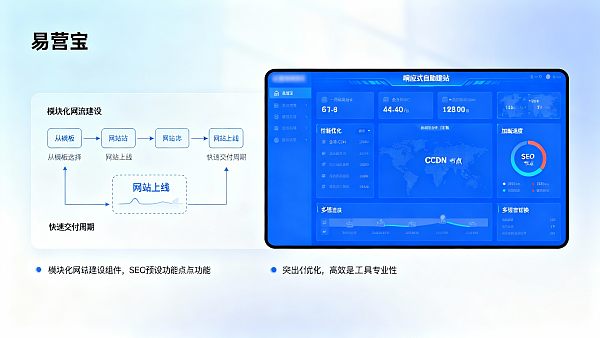
The primary rationale for choosing responsive self-service website tools is efficiency and consistency: templated modules, pre-set SEO components, and automated content generation capabilities can shift repetitive tasks from manual labor to system automation, reducing delivery cycles from weeks or months to just days. For overseas-facing B2B sites, responsive design ensures consistent user experiences across different devices and multilingual scenarios, enhancing first-screen loading speeds and mobile conversion rates. Combined with the permission management, version control, and quality inspection features of enterprise-grade self-service website systems, project managers and QA personnel can concurrently review pages, forms, and multilingual content on the same platform, reducing rework. Simultaneously, global website SaaS platforms' CDN and caching strategies significantly improve regional page loading performance, especially when deploying Middle Eastern website systems or Latin American multilingual sites, where network routing and latency optimization directly impact inquiry conversion and ad campaign effectiveness.
Key Integrated Modules: Multilingual, SEO, Performance, and Security Parallel Delivery
Efficient foreign trade independent website solutions must incorporate multilingual and SEO into the delivery workflow from the outset: standardized language output through AI translation engines and terminology databases supports right-to-left language adjustments and localized form validation for Arabic website solutions; meanwhile, automated generation of TDK, structured data, breadcrumb navigation, and hreflang into publishing templates ensures global multilingual sites are search engine visible upon launch. Performance and security modules should be integrated in parallel: automated SSL issuance, DDoS protection, and layered caching strategies paired with global CDN nodes guarantee stable access for Middle Eastern and Latin American users. Operations and QA personnel can use intelligent website inspection tools for continuous monitoring, real-time detection of 404 errors, rendering blocks, or indexing issues, forming a "detect-fix-retest" closed loop to reduce post-launch emergency tickets and additional costs.
Delivery Cycle Optimization Strategies: Component Templates and Automated Pipelines
To achieve significant compression of delivery cycles, project managers should adopt componentization and automation pipeline strategies from project initiation. First, build a reusable industry template library, including product pages, case studies, forms, and download resource modules, with templates containing pre-set SEO slots and multilingual placeholders for rapid content population. Second, implement CI/CD publishing workflows: code and content changes accelerate through automated testing, staging environments, and approval processes; parallel workflows allow localization personnel to conduct language proofing and compliance checks simultaneously, reducing wait times. Third, leverage AI marketing engines to auto-generate TDK and draft content, supplemented by manual refinement, ensuring quality while increasing output frequency. Fourth, combine phased acceptance with SLA constraints, defining deliverables and quality standards for each milestone, thereby reducing communication costs and rework hours while maintaining quality.
Operational Closed Loops and Ad Campaign Synergy: Integrated Practices from Website Building to Lead Generation
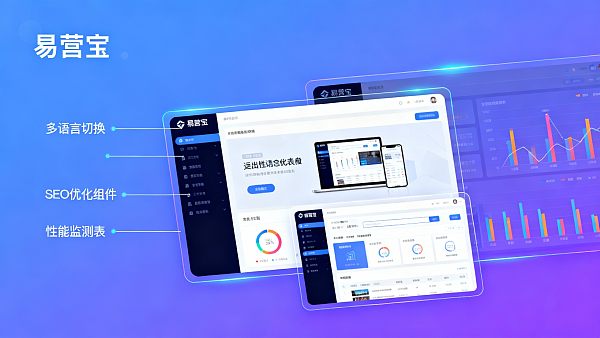
Website building is not the endpoint; the sustained lead generation capability of foreign trade sites depends on the synergy between construction and campaigns. By connecting website platforms with ad platforms, unified iteration of creatives, landing pages, and audience profiles can be achieved—e.g., real-time feedback of landing page A/B test data within the system, combined with audience insights from ad platforms to optimize keywords and targeting. For cross-language campaign scenarios, built-in multilingual content generation and dynamic insertion capabilities reduce creative costs while maintaining campaign consistency. For clients seeking rapid overseas inquiry growth, consider linking website building with Google Ads to optimize the click-to-conversion loop: Google Ads advantages in campaign planning, performance tracking, and smart bidding, combined with site SEO and performance guarantees, can achieve dual improvements in inquiry volume and ROI, especially in target Latin American and Middle Eastern markets.
Conclusion and Actionable Guidance
In summary, adopting responsive self-service website tools combined with the capabilities of enterprise-grade self-service systems and global website SaaS platforms can achieve compressed delivery cycles, improved launch quality, and enhanced post-launch lead generation efficiency in B2B foreign trade marketing website construction. Key implementation points include component templates and CI/CD pipelines, synchronous embedding of multilingual and SEO, parallel validation of performance and security, and data loop integration with ad campaigns (including Google Ads-type platforms). EasyStore's AI and big data-powered backend with global operational deployment provides end-to-end delivery capabilities from website building to campaigns for manufacturing, e-commerce, and other industry clients, supporting complex scenarios like Middle Eastern website systems, Latin American multilingual sites, and Arabic website construction. If you wish to implement foreign trade independent website solutions, contact us immediately for customized evaluations and trial plans, or learn more about global multilingual website and foreign trade conversion optimization solutions.
- Website Development
- Website Builder Platform
- Foreign Trade Website Development
- Responsive Design
- Website detection
- Foreign Trade Independent Website Development
- Google Ads
- B2B Foreign Trade
- Standalone website development
- Yiyingbao
- SEO
- Independent Website
- AI Translation
- AI Marketing Engine
- AI Translation Engine
- Independent foreign trade website
- Multilingual website
- Enterprise Self-Service Website Building System
- Global Website Building SaaS System
- Responsive self-service website builder
- B2B Foreign Trade Marketing Website Construction
- Foreign Trade Independent Website Construction Solution
- China Foreign Trade Website
- Global multilingual website
- Middle East Website Building System
- Lamei multilingual website
- Arabic Website Construction Solutions
- Website Builder
- Multilingual Website Building
Related Articles
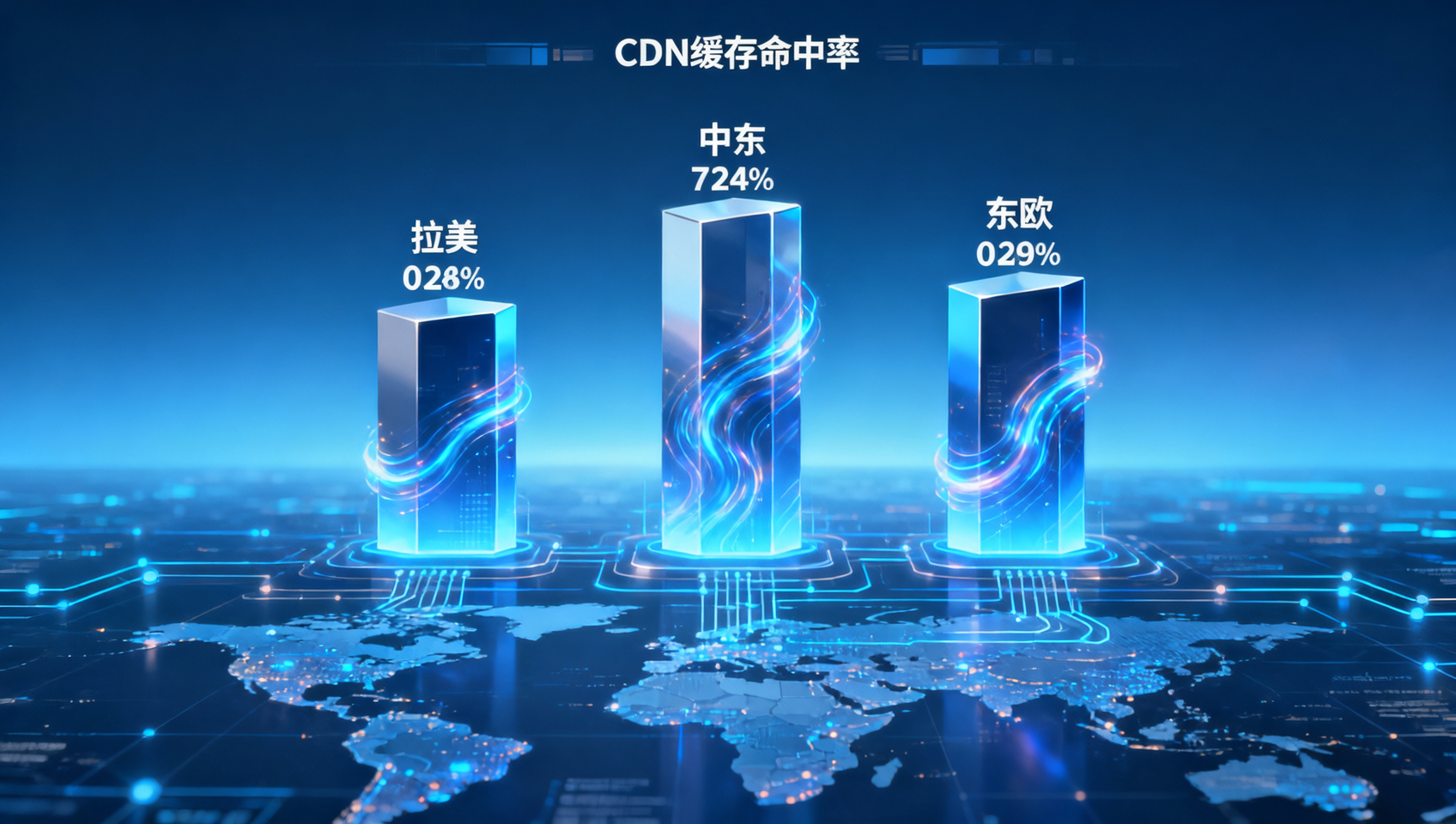
 In Yiyingbao's security and performance architecture, what are the cache hit rates for CDN edge nodes in Latin America, the Middle East, and Eastern Europe?
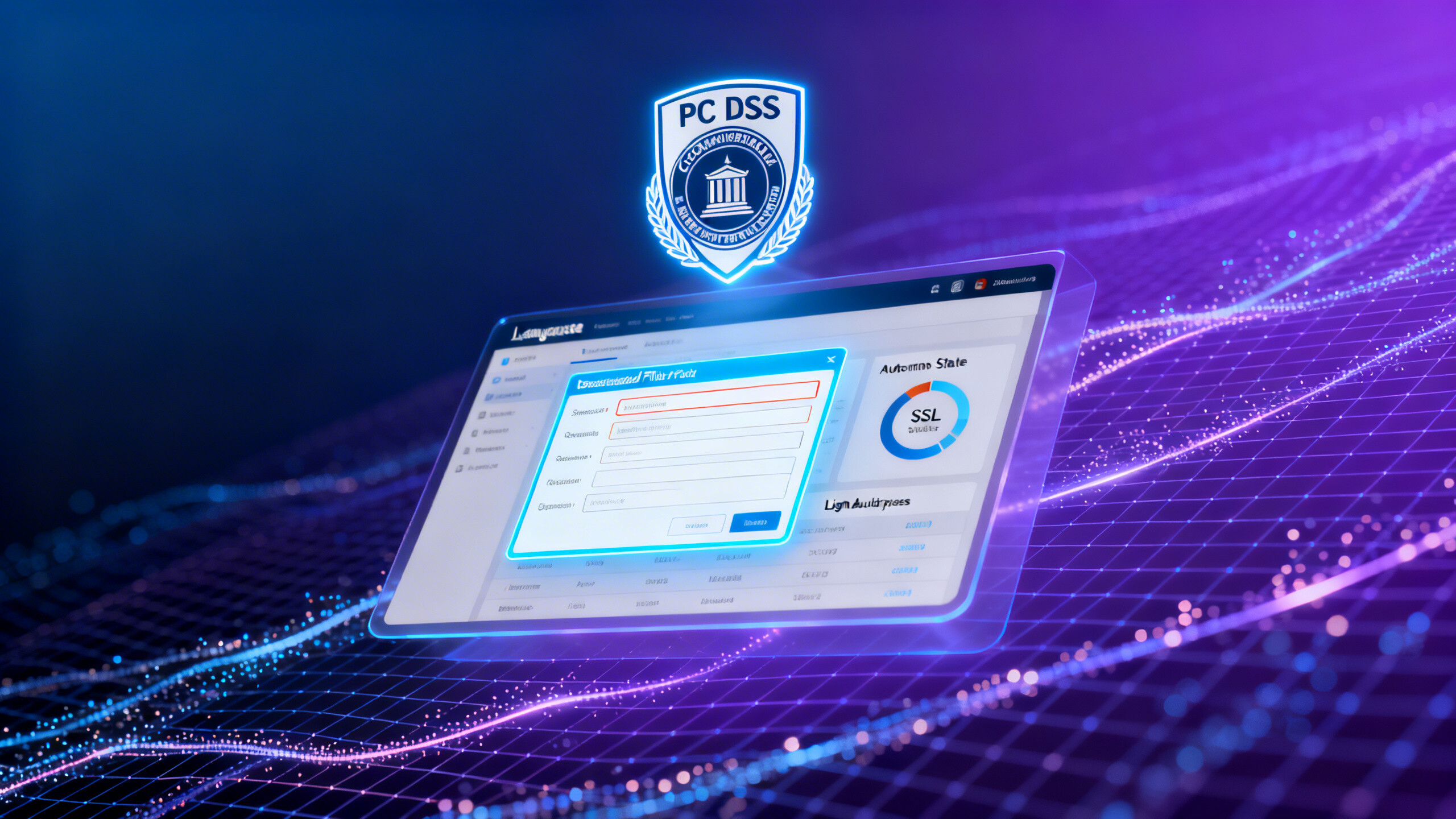
 How many working days were shortened in the PCI DSS compliance audit cycle for enterprises using Yiyingbao's technology platform for multilingual websites?
 Yiyingbao Security and Performance White Paper Reveals: How Many Milliseconds Does the Average Multilingual Website Homepage Load Time Stay Within?

Related Products
 EasyCamp SaaS Smart Website Marketing SystemE-Yingbao SaaS Smart Website Marketing System: AI-powered, zero-code website building. Rapidly launch multilingual independent e-commerce sites in just 10 minutes. Global server acceleration and AI-driven SEO optimization empower businesses to efficiently connect with global markets. The seamless integration of technology and user-friendly operation makes building e-commerce sites incredibly simple.
 AI+SEM Intelligent Advertising Marketing SystemAI+SEM drives intelligent ad creation, empowering full-funnel precision advertising marketing. The system automatically generates weekly/monthly reports, AI recommends keywords and target countries, monitors core metrics in real-time with intelligent alerts, and enables one-click high-conversion ad solutions to help quickly acquire customers and improve ROI.
 AI+SEO Dual Engine Optimization ServiceEasyWin AI+SEO Dual Engine Optimization System leverages AI-powered keyword mining, content generation, and comprehensive technical optimization to help foreign trade enterprises acquire high-quality organic traffic, significantly improving search rankings and conversion rates.
 AI+SNS Social Media Marketing SystemYingbao AI+SNS Social Media Marketing System - Precision social capture for the social media era. Supports one-click content synchronization across major platforms like Facebook and LinkedIn. AI intelligently rewrites posts for enhanced relevance. 24/7 AI customer service and user profiling analysis empower businesses to efficiently expand into global markets.
 AI+SEO营销解决方案易营宝AI+SEO营销解决方案,通过AI批量写作、智能生成TDK、精准关键词扩词等功能,全面优化网站SEO效果,提升流量与转化率。助力企业构建高效智能网站新生态。
 AI+SEM Advertising Marketing SolutionsAI+SEM Advertising Marketing Solution leverages AI technology to deeply empower SEM ad campaigns. It automatically generates weekly/monthly reports using AI, presenting account data across multiple dimensions for comprehensive insights into campaign performance and trends. The system precisely recommends keywords and target countries, intelligently generates high-conversion ad copy, and enables one-click activation of efficient campaign plans to help businesses rapidly acquire customers. Simultaneously, it monitors core metrics in real time, intelligently identifies abnormal fluctuations, and issues timely alerts to ensure stable, high-return advertising results.
 Domain Name ServicesEasyWin provides professional domain name services, including intelligent queries, one-stop registration, brand protection, and full lifecycle management, helping businesses build a digital brand image.
 EasyOperate B2C Cross-Border E-Commerce Platform & Independent WebsiteEasyStore B2C Cross-border E-commerce Independent Store is an intelligent website building and cross-border e-commerce integrated solution independently developed by EasyStore Information Technology (Beijing) Co., Ltd. The system is specially designed for small and medium-sized as well as large export enterprises, integrating 'website building, operation, marketing, advertising, and conversion' into one, helping enterprises quickly establish cross-border e-commerce independent stores to achieve brand globalization and global sales growth.
The platform supports multiple languages, multiple currencies, and multi-channel marketing, with built-in AI intelligent translation and SEO optimization systems, suitable for mainstream markets such as Southeast Asia, Europe and America, Latin America, and the Middle East, assisting Chinese manufacturing enterprises in efficiently deploying international e-commerce strategies. SSL证书易营宝提供专业SSL安全证书服务,包括单域名和泛域名证书,确保网站数据传输加密、身份验证和完整性保护,助力企业建立安全可信的在线业务环境。









