- B2B Foreign Trade Website Price Comparison: Is It More Cost-Effective to Choose a Package or Custom Development?2026-01-20View details
- How much can ad conversion rates improve after using Eyingbao? What are the influencing factors?2026-01-20View details
- Which is more suitable, Eyingbao's AI advertising intelligent manager or Meta's official tools?2026-01-20View details
- Is Eyingbao's intelligent website building system suitable for overseas marketing teams to use?2026-01-20View details
- Does EasyAd's advertising performance have guarantees? How does the service mechanism work?2026-01-18View details
- Is the cost of using AI advertising smart manager high? How to calculate the budget more reasonably2026-01-18View details
- How to implement multilingual advertising optimization solutions in the general internet industry2026-01-18View details
- Is EasyAd AI Advertising Smart Manager easy to use? Is it suitable for general internet service companies?2026-01-19View details
Which is more worth investing in for foreign trade independent site SEO or platform traffic? 5 decision indicators

How to Choose Between SEO for Independent Foreign Trade Websites and Platform Traffic Allocation? This article provides 5 decision-making indicators, combined with EasyStore's intelligent website building and responsive website SEO optimization, to help you allocate your budget accurately. Many companies face two dilemmas when expanding into overseas markets: Should they invest their budget in their own independent foreign trade websites for long-term brand asset building, or focus on platform traffic and ad placements for short-term inquiry growth? This article analyzes from four dimensions—definition, market background, comparative analysis, case studies, and common issues—and introduces industry tools and practical recommendations to help researchers, users, decision-makers, and project managers quickly quantify key decision points, clarify the priority, risks, and returns of investment and construction.
Definition and Overview (Definition)
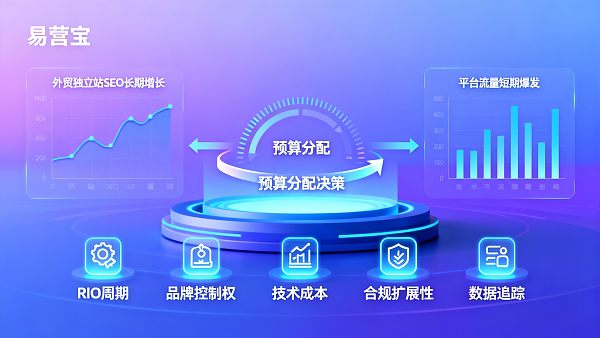
Before making a decision, clarify the concepts first. An independent foreign trade website refers to a responsive website centered around a corporate domain name and deployable in multiple languages, emphasizing brand ownership, SEO visibility, and long-term customer assets. Platform traffic includes search ads, social media paid placements, and third-party platform traffic (e.g., Google, Facebook, Yandex), prioritizing rapid customer acquisition and precise ad placements. Responsive website SEO optimization focuses on page loading speed, mobile adaptation, structured data, and multilingual content coverage. Foreign trade responsive website construction also includes server location, CDN, and SSL infrastructure. Understanding these definitions enables more scientific budget allocation based on the following five indicators: ROI cycle, brand control, technical costs, compliance and scalability, and data traceability.
Industry Background or Market Analysis (Market Overview)
Global traffic ecosystems are undergoing structural changes: search and social media platforms continue to diverge, while the cost per paid traffic rises due to intensified competition, though ad precision improves. For example, in the general internet services industry, companies prioritize both "corporate website SEO" and "social media automation," aiming to build long-term organic traffic pools while optimizing ad creatives and bidding strategies with AI tools. EasyStore Information Technology (Beijing) Co., Ltd., founded in 2013 and headquartered in Beijing, is a global digital marketing service provider driven by artificial intelligence and big data. With a decade of industry expertise, the company adopts a dual strategy of "technological innovation + localized services," offering end-to-end solutions covering intelligent website building, SEO optimization, social media marketing, and ad placements to help over 100,000 enterprises achieve global growth. Facing the fragmented and compliance-diverse reality of overseas markets, companies increasingly prefer solutions like EasyStore's intelligent website building, which supports multilingual, full-scenario website construction and AI marketing engines to ensure speed, compliance, and conversion in global traffic ecosystems.
Comparative Analysis: 5 Decision-Making Indicators (Comparison Analysis)
To balance budgets between independent foreign trade websites and platform traffic, evaluate based on the following five quantifiable indicators:
1) ROI Cycle (Short-term vs. Long-term): Platform traffic can generate inquiries within days to weeks, ideal for product validation and promotions; independent websites are long-term assets with slower SEO effects but significant compound returns.
2) Brand and Control: Independent websites allow full control over corporate website SEO structure, domain authority, and user experience; platforms are subject to rules and algorithms, risking traffic restrictions or account bans.
3) Technical Costs and Performance: Responsive website SEO optimization requires investments in page speed, structured markup, and multilingual translation. EasyStore's intelligent website building reduces technical barriers by improving loading speed by 40% and SEO scores by 35% through its global server clusters.
4) Compliance, Data, and Scalability: Cross-border placements demand compliance and data governance. Independent websites facilitate customer data control, while ad platforms excel in audience profiling and smart bidding. Here, paid products like Google Ads can be used for market testing and high-intent traffic acquisition, complemented by independent websites for conversion closure.
5) Conversion Tracking and Optimization Efficiency: Platforms provide complete audience insights and real-time performance data for quick ad optimization; independent websites require robust tracking solutions (e.g., UTM, conversion APIs, server-side events) to ensure data closure.
Application Scenarios and Customer Case Studies (Application Scenarios / Case Studies)
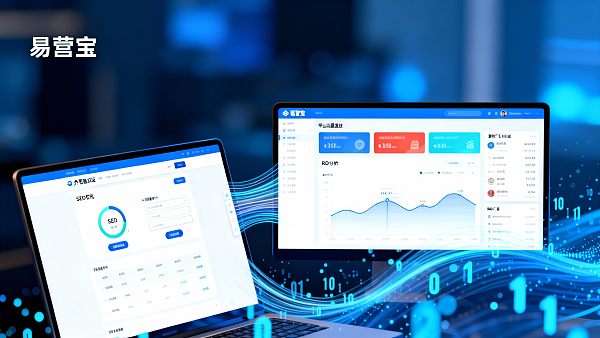
Optimal solutions vary by business scenario: Consumer electronics brands balancing brand power and conversion should adopt "independent website + platform placements" in parallel; SMEs validating overseas markets can use platform traffic for quick inquiries before redirecting high-intent traffic to responsive independent websites for long-term SEO and customer pool nurturing. EasyStore's cross-industry cases demonstrate: Its AI marketing engine's "AI keyword expansion + auto-generated TDK + AI visuals" system, combined with social media automation and Facebook/Yandex ad optimizations, enables clients to generate thousands of high-quality content pieces daily, achieving 200% higher ad conversion rates, 320% more inquiries, and significantly lower per-conversion costs. Such cases prove that technology platforms can integrate "website-building, lead acquisition, and conversion" into a closed loop, saving labor while dramatically improving ROI.
Common Mistakes, Trends, and Actionable Recommendations (FAQ & Trend & CTA)
Common mistakes: Many companies assume platform spending alone ensures sustained growth; in reality, platform traffic is expensive and limited, unable to replace corporate websites' long-term brand asset value. Another mistake is overlooking multilingual and localization, limiting responsive website SEO effectiveness. The future trend is "AI + data-driven" placements and content production: AI marketing engines will replace repetitive tasks in keyword filtering, TDK, and creatives generation, while compliance and privacy governance become foundational requirements. Actionable recommendations: Allocate 65% of short-term budgets to precision ad testing (for rapid market validation) and 35% to multilingual responsive website and SEO system building. Adjust budget ratios dynamically based on conversion data to achieve optimal long-term ROI. Why choose us? Since its founding in 2013, EasyStore has leveraged AI and big data to create an all-in-one intelligent marketing platform, integrating global CDN, auto-SSL, and DDoS protection to offer end-to-end services from foreign trade responsive website construction to Google/social media ad optimization. Contact us to evaluate your current traffic ecosystem and budget structure. We'll provide data diagnostics, technical capabilities, and localized operation recommendations to help you develop an executable "website + placements" budget plan for steady overseas growth.
- Website construction
- Corporate Website
- Social Media Marketing
- Yandex Advertising
- Facebook ad optimization
- SEO optimization effect
- Facebook Ads
- Corporate Website SEO
- Campbell (name)
- SEO
- Independent site
- SEO Optimization
- Smart Website
- EasySite Intelligent Website Builder
- AI Marketing Engine
- Social Media Automation
- Independent site SEO
- Website seo optimization
- Foreign trade independent website
- Yandex ad placement
- Responsive website
- Responsive Website Development for Foreign Trade
- Responsive Website SEO Optimization
- Global traffic ecosystem
- Global Digital Marketing
Related Articles


Related Products
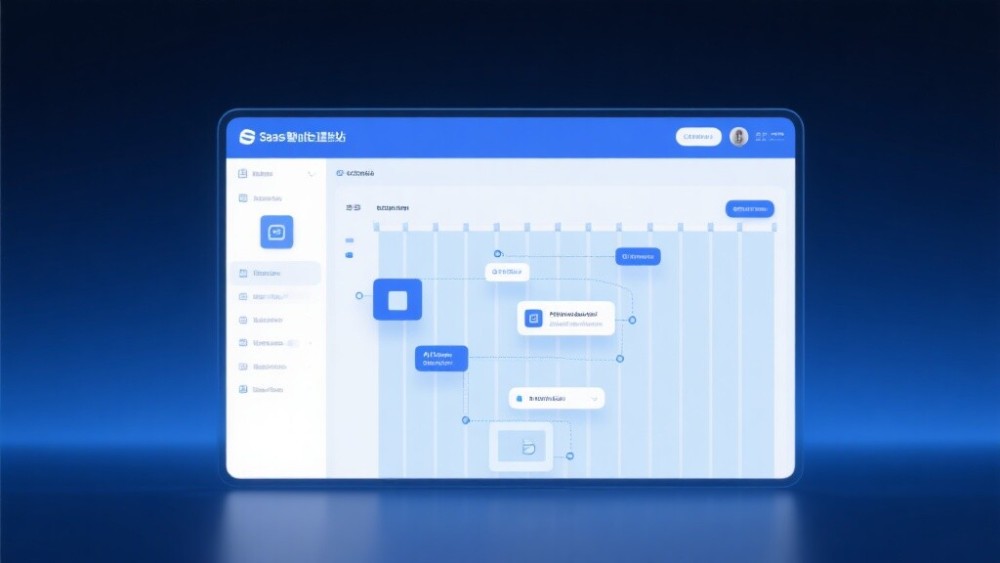
 EasyStore SaaS Intelligent Website Marketing SystemEasyStore SaaS Intelligent Website Marketing System, AI-driven zero-code website building, rapidly set up multilingual foreign trade independent sites in just 10 minutes, global server acceleration, AI-powered SEO optimization, helping businesses efficiently connect with global markets. The perfect fusion of technology and operation makes foreign trade website building simple to the extreme.
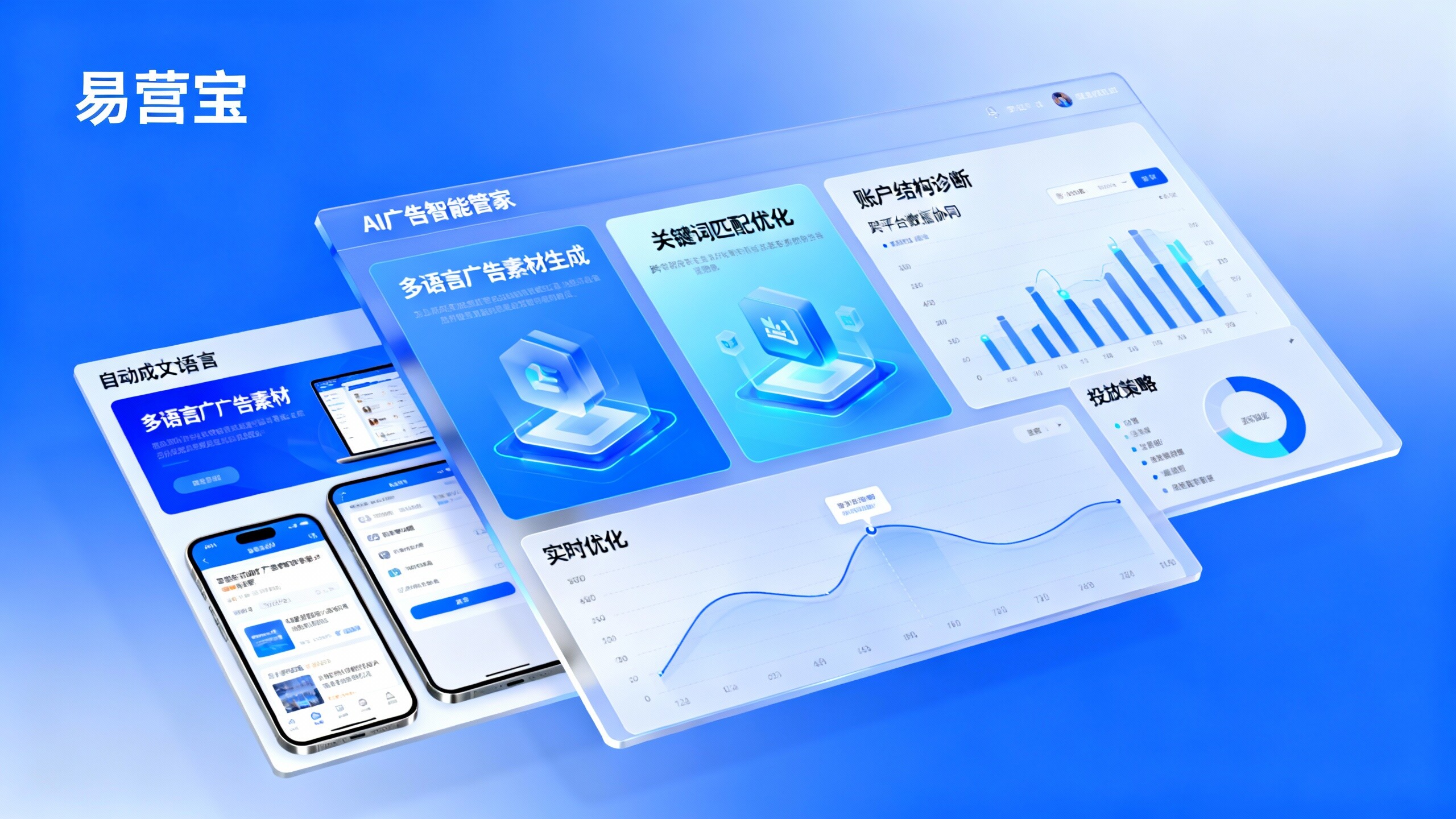
 AI+SEM Intelligent Advertising Marketing SystemAI+SEM drives intelligent campaign creation, empowering full-funnel precision advertising marketing. The system automatically generates weekly/monthly reports, AI-recommends keywords and target countries, monitors core metrics in real-time with intelligent alerts, and enables one-click high-conversion campaign launches to accelerate lead acquisition and boost ROI.
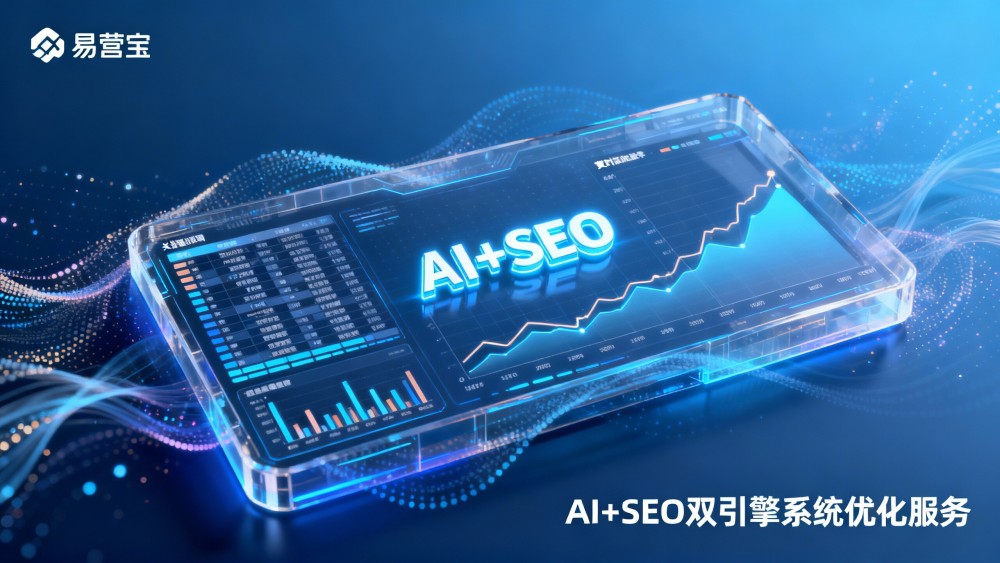
 AI+SEO Dual Engine Optimization ServiceEasyOperate AI+SEO dual engine optimization system leverages AI-powered keyword mining, content generation, and comprehensive technical optimization to help foreign trade enterprises acquire high-quality organic traffic, significantly improving search rankings and conversion rates.
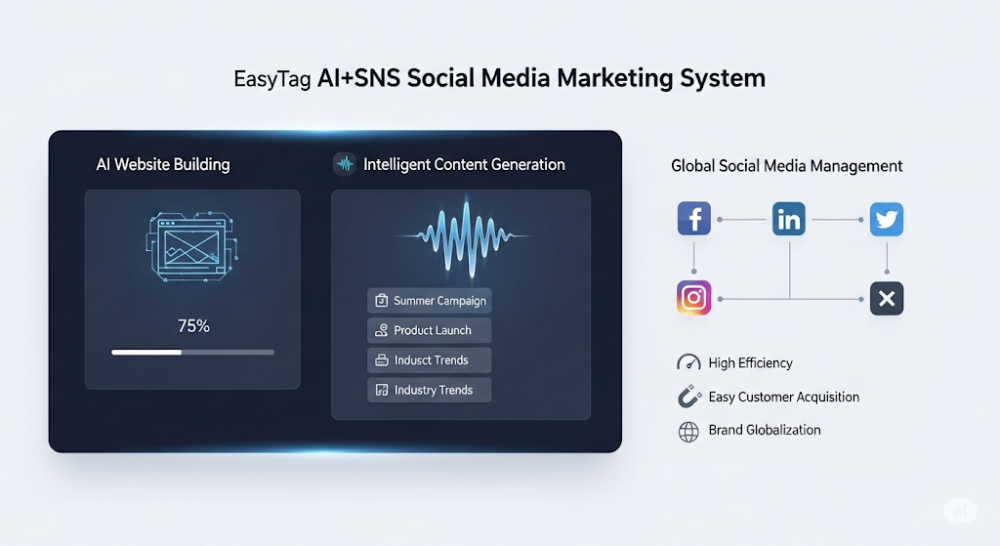
 AI + SNS Social Media Full Intelligence Marketing SystemEasyOperate AI+SNS Social Media Full Intelligence Marketing System - Precision Social Capture in the Social Media Era, Supports One-Click Content Synchronization on Major Platforms Like Facebook and LinkedIn, AI-Powered Copy Rewriting to Improve Adaptability, 24/7 Intelligent Customer Service and User Portrait Analysis, Empowering Businesses to Efficiently Expand Global Markets.
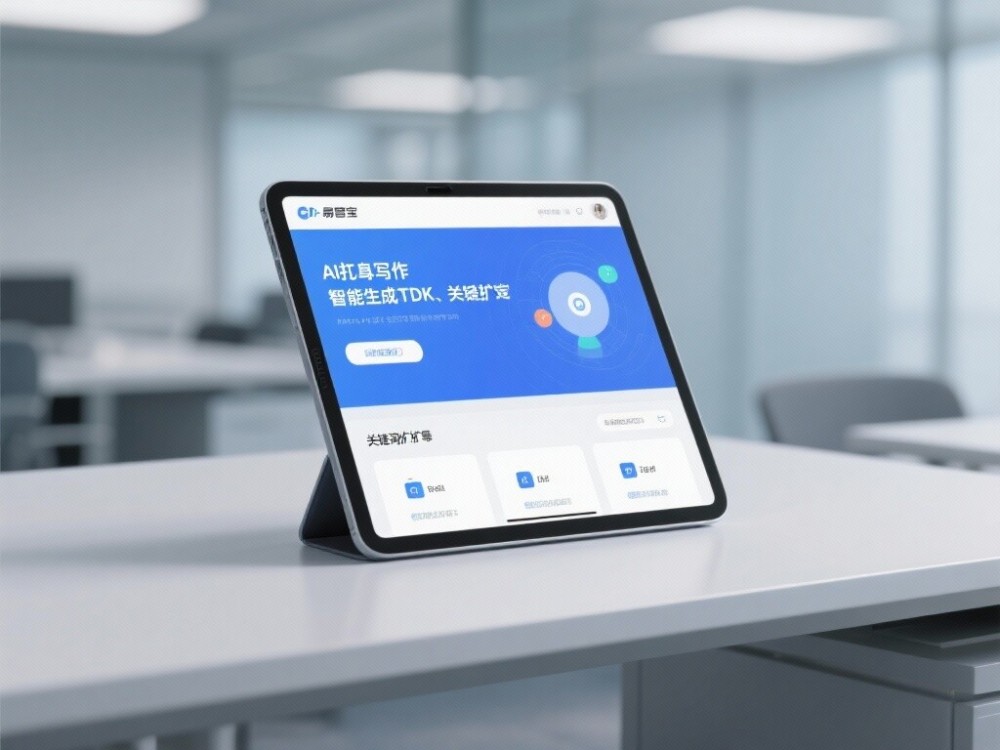
 AI+SEO Marketing SolutionEasyWin AI+SEO Marketing Solution leverages AI-powered batch content creation, intelligent TDK generation, and precise keyword expansion to comprehensively optimize website SEO performance, boosting traffic and conversion rates. Helps businesses build a highly efficient intelligent website ecosystem.
 AI+SEM Advertising & Marketing SolutionsAI+SEM advertising and marketing solution utilizes AI intelligent technology to deeply empower SEM advertising. Through AI intelligent generation of weekly/monthly reports, multi-dimensional presentation of account data, a comprehensive grasp of the effectiveness and trends of advertising, AI precise recommendation of keywords and countries, intelligent generation of high-conversion advertisement language, a key to start the efficient advertising program, helping enterprises to quickly acquire customers. At the same time, the system monitors the core indicators in real time, intelligently recognizes fluctuation abnormalities and warns them in time to ensure stable and high return of advertising effect.
 Domain Name ServicesEasy Operation provides professional domain services, including intelligent query, one-stop registration, brand protection, and full-cycle management, helping enterprises build a digital brand image.
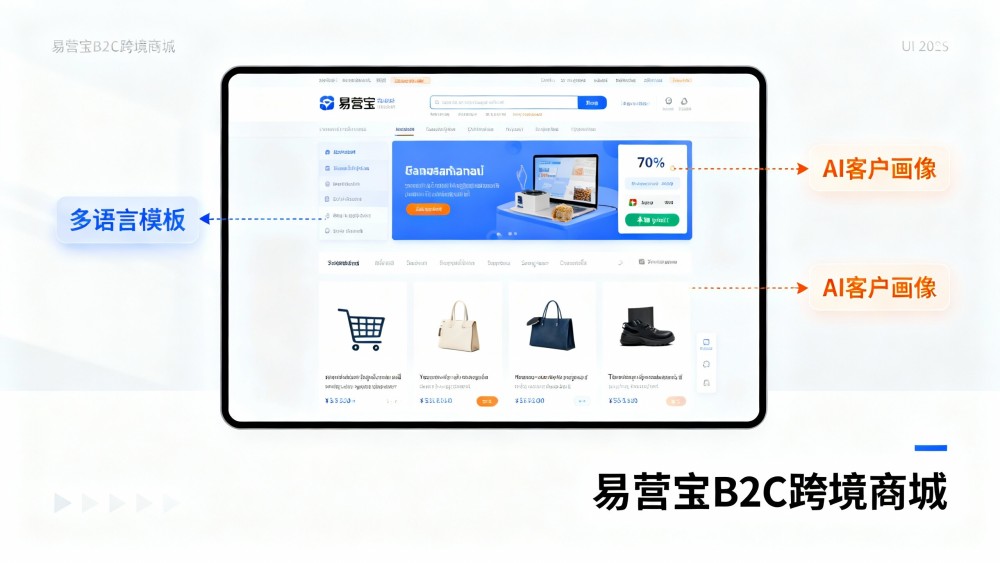
 EasyStore B2C Cross-border E-commerce Platform, Independent SiteEasyStore B2C Cross-border E-commerce Independent Store is an intelligent website building and cross-border e-commerce integrated solution independently developed by EasyStore Information Technology (Beijing) Co., Ltd. The system is specifically designed for small, medium, and large export enterprises, integrating 'website building, operation, marketing, advertising, and conversion' into one platform, helping businesses quickly establish cross-border e-commerce independent stores to achieve brand globalization and global sales growth.
The platform supports multiple languages, currencies, and multi-channel marketing, with built-in AI intelligent translation and SEO optimization systems, suitable for mainstream markets such as Southeast Asia, Europe & America, Latin America, and the Middle East, assisting Chinese manufacturing enterprises in efficiently deploying international e-commerce strategies. SSL CertificateEasyCert provides professional SSL security certificate services, including single-domain and wildcard certificates, ensuring encrypted data transmission, identity verification, and integrity protection for websites. This empowers businesses to establish secure and trustworthy online business environments.