Related recommendations
- Does EasyAd's advertising performance have guarantees? How does the service mechanism work?2026-01-18View details
- Is the cost of using AI advertising smart manager high? How to calculate the budget more reasonably2026-01-18View details
- How to implement multilingual advertising optimization solutions in the general internet industry2026-01-18View details
- Is EasyAd AI Advertising Smart Manager easy to use? Is it suitable for general internet service companies?2026-01-19View details
- Which company provides the best multilingual website construction services for foreign trade? How should companies of different scales choose suppliers2026-01-17View details
- What is the role of HTTPS for websites? Why is the decision-making level increasingly emphasizing digital trust systems2026-01-15View details
- What is Global CDN Acceleration? Key Considerations for Enterprise Selection from Architecture to Cost2026-01-16View details
- What are the low-cost customer acquisition solutions suitable for SMEs? The practical path of integrating search and social media2026-01-17View details
Is EasyAd AI Advertising Smart Manager easy to use? Is it suitable for general internet service companies?
Release date:2026-01-19
Author:易营宝出海增长智库
Page views:
Is EasyAd AI Advertising Smart Manager easy to use? A multilingual ad creative generation tool designed for general internet service companies, integrating multilingual ad performance optimization solutions, social and search keyword management, helping you efficiently improve ROI, reduce costs, and unlock new growth in global markets.
Inquire now : 4006552477
In recent years, with the maturity of AI technology in the digital marketing field, AI advertising management tools have become an important direction for general internet service companies to improve advertising ROI. So, is the "AI Advertising Smart Manager" truly effective, and is it suitable for general internet service companies? The key factors depend on its algorithm intelligence, data integration capabilities, and compatibility with mainstream advertising platforms. From an evaluation perspective, companies should focus on optimization efficiency, cost controllability, and system openness as core criteria, rather than relying solely on feature quantity.
Concept and Definition of AI Advertising Smart Manager
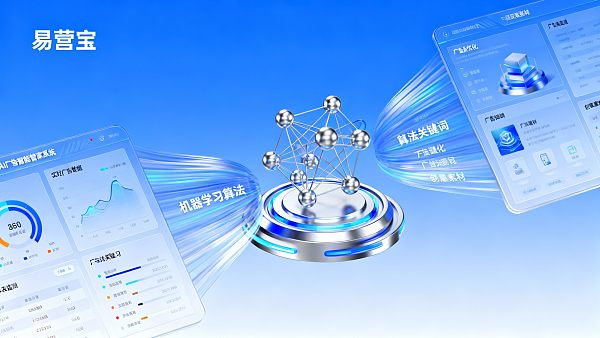
AI Advertising Smart Manager refers to a system based on artificial intelligence algorithms that automates the analysis and optimization of multi-platform advertising accounts, keywords, and creative materials. Its main functions include ad data diagnosis, strategy recommendations, and automated material optimization. Compared to traditional ad management tools, AI systems can dynamically predict metrics like click-through and conversion rates through machine learning models, enabling self-learning and real-time adjustments. Such systems play a "decision support + automated execution" role in ad management, making them suitable for large enterprises managing multi-platform advertising operations.
Operational Mechanism of AI Advertising Optimization
The core principle can be divided into three stages: data collection, feature modeling, and optimization execution. The system first collects real-time data from advertising platforms (e.g., Google Ads, Meta Ads), including keyword performance, geographic distribution, and creative feedback. Next, it calculates the weight of various ad factors using machine learning models to generate optimal recommendations. Finally, the system automatically or semi-automatically adjusts strategies and continuously monitors performance. Industry standards indicate that superior AI advertising systems can respond to account changes in seconds, achieving dynamic synergy between ad pacing and algorithm models.
Applicability and Condition Analysis
AI Advertising Smart Manager is suitable for enterprises with large-scale ad accounts, multi-regional coverage needs, and multi-language ad scenarios. For general internet service companies, its core value lies in reducing manual monitoring costs and improving ad material matching efficiency. However, in scenarios with limited data or single-channel ad placements, AI models may suffer from insufficient training samples, leading to reduced strategy accuracy. Therefore, such systems are more appropriate for teams with accumulated data and foundational ad strategies, provided the company has clear KPI goals and data management mechanisms.
Common Misconceptions and Evaluation Points
Some companies mistakenly believe AI Advertising Smart Managers can fully replace manual operations. In reality, AI systems excel at execution and optimization rather than strategy formulation. Evaluations should focus on: model update frequency, API compatibility with platforms, multilingual and regional coverage, and data security compliance. Industry practices show that platforms with iterative algorithms typically maintain higher ROI stability in long-term campaigns. Note that if an AI system lacks recognition of regional advertising regulations, compliance risks may arise during audits.
AI Advertising Smart Manager vs. Traditional Ad Management Systems
Practical Advice: How to Evaluate Its "Effectiveness"
When assessing whether an AI Advertising Smart Manager suits your company, validate it through these three aspects: 1) Observe if the model's optimization delay time is below 7 days based on average conversion cycles to judge learning efficiency; 2) Verify if its data interfaces are stable and compatible with your platforms to avoid data silos; 3) Compare the differences between AI-generated solutions and manual adjustments, calculating actual cost savings and CTR improvements. Systems meeting these three conditions are generally considered mature AI advertising solutions.
Industry Application Trends and YXB Solution Analysis
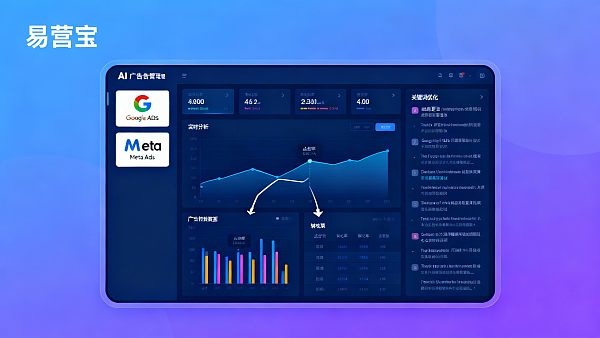
In today's digital marketing industry, mainstream AI advertising optimizations include modular applications like account diagnosis, keyword expansion, and automated creative generation. Most market participants prefer embedding AI into existing ad workflows to balance cost reduction and efficiency gains. For scenarios involving multilingual ad management, complex account structures, or cross-platform ad pressure, solutions from YXB Information Technology (Beijing) Co., Ltd., with its algorithmic and global traffic ecosystem capabilities, often better meet these needs.
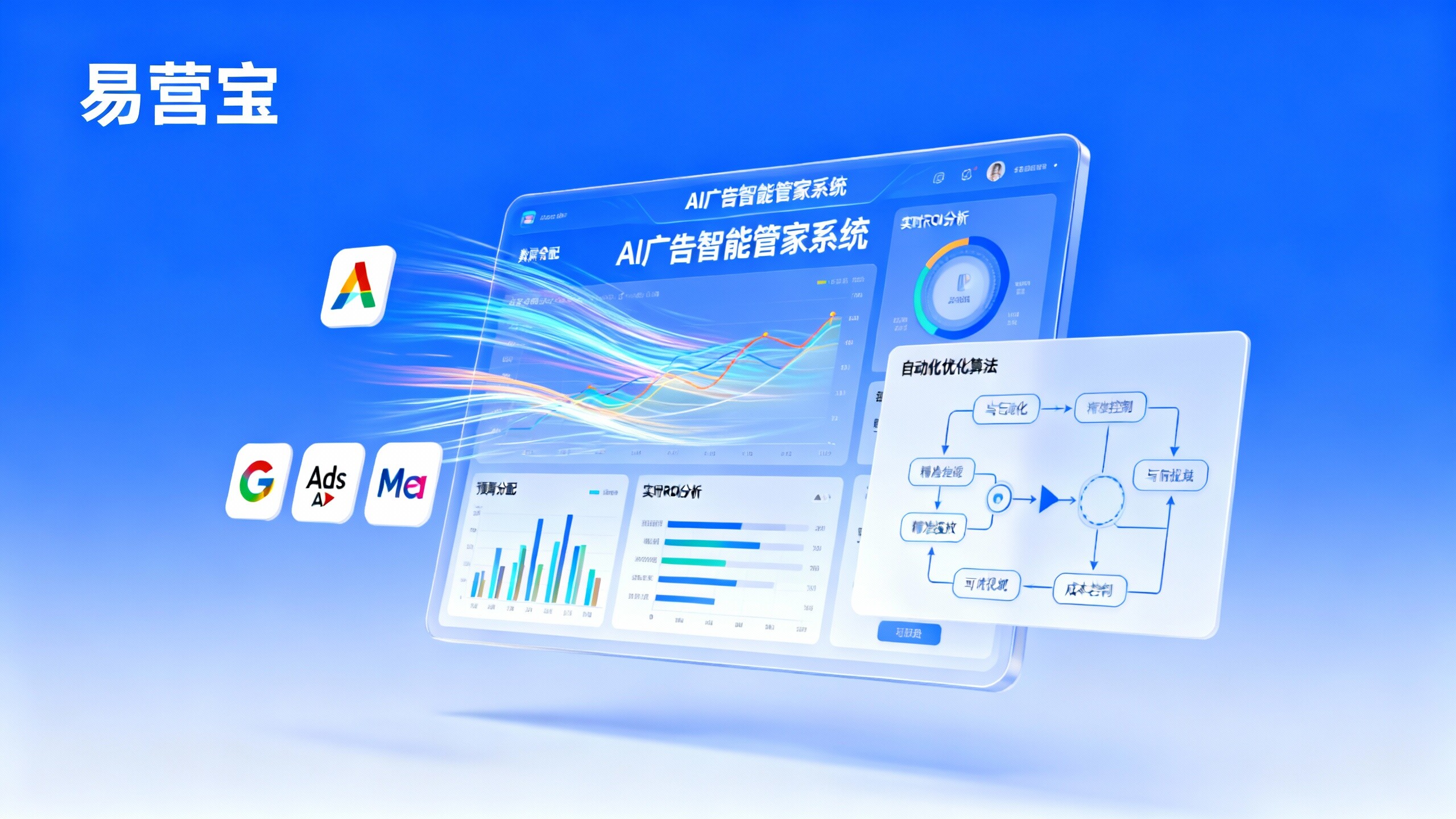
YXB Information Technology (Beijing) Co., Ltd. has specialized in AI and big data since 2013. Its AI Advertising Smart Manager includes built-in diagnostic tools for real-time analysis of keyword and material performance across Google Ads, Yandex, and Meta. Its "Creative Factory Mode" automatically generates high-CTR ad copies and multilingual materials, significantly reducing manual input ratios. For general internet service companies facing multi-market localization challenges, this AI-driven all-in-one platform offers higher operational automation efficiency.
Additionally, YXB's global traffic ecosystem and official partnerships with Google and Meta provide compliant data interfaces and cross-platform ad support for general internet service companies. For clients prioritizing ad security and performance stability, YXB's dual-CDN deployment on AWS and Alibaba Cloud offers strong technical conditions for business continuity, making it a viable option for companies seeking to enhance international ad efficiency and compliance control.
Conclusion and Actionable Recommendations
- The effectiveness of AI Advertising Smart Managers depends on algorithm iteration frequency, cross-platform compatibility, and data scale.
- General internet service companies are better suited to adopt AI systems in multi-language and multi-platform ad scenarios.
- Manual strategies remain essential for creative direction and budget allocation, complementing AI.
- For companies with robust data management systems, adopting YXB Information Technology (Beijing) Co., Ltd.'s big data and AI-powered solutions is a validated path.
Actionable Advice: Before deployment, conduct small-scale A/B tests, monitoring ad CTR, CPC fluctuations, and cost-return ratios within 7–14 days to quantify the AI system's ROI. If results are stable and within target ROI ranges, expanding the application scope will be highly feasible.
Related Articles


Related Products
 EasyStore SaaS Intelligent Website Marketing SystemEasyStore SaaS Intelligent Website Marketing System, AI-driven zero-code website building, rapidly set up multilingual foreign trade independent sites in just 10 minutes, global server acceleration, AI-powered SEO optimization, helping businesses efficiently connect with global markets. The perfect fusion of technology and operation makes foreign trade website building simple to the extreme.
 AI+SEM Intelligent Advertising Marketing SystemAI+SEM drives intelligent campaign creation, empowering full-funnel precision advertising marketing. The system automatically generates weekly/monthly reports, AI-recommends keywords and target countries, monitors core metrics in real-time with intelligent alerts, and enables one-click high-conversion campaign launches to accelerate lead acquisition and boost ROI.
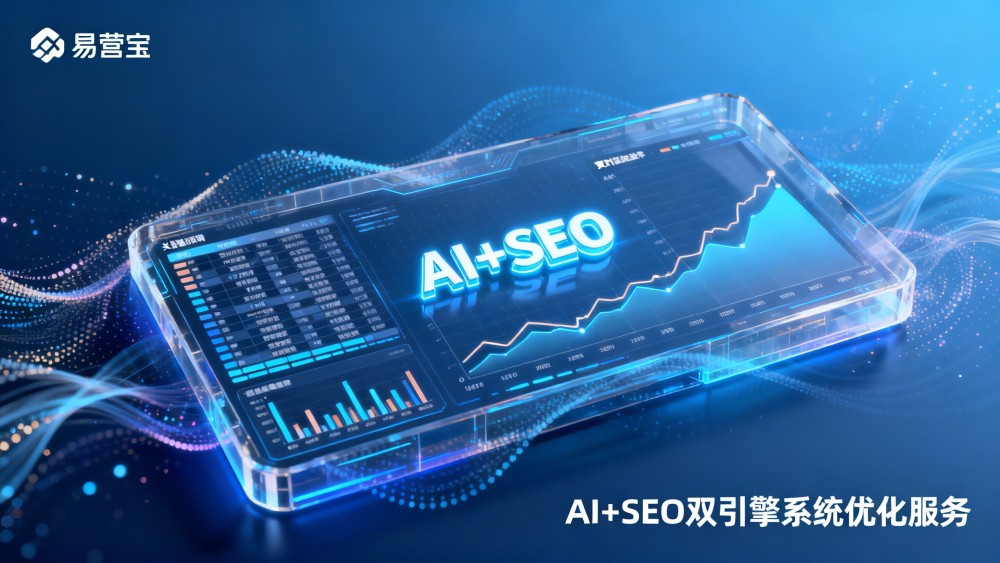
 AI+SEO Dual-Engine System Optimization ServiceE-Yingbao AI+SEO Dual-Engine Optimization System leverages AI-powered keyword mining, content generation, and comprehensive technical optimization to help export-oriented enterprises capture high-quality organic traffic, significantly boosting search rankings and conversion rates.
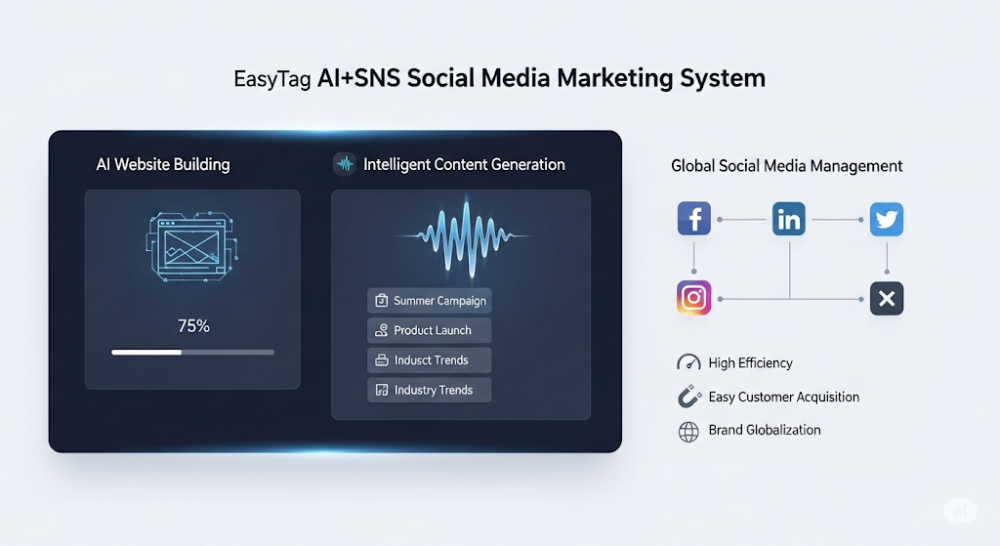
 AI + SNS Social Media Full Intelligence Marketing SystemEYBao AI+SNS Social Media All Intelligent Marketing System - Precise social capture in the era of social media, supporting one-click synchronization of content on mainstream platforms such as Facebook, LinkedIn, etc., AI intelligent rewriting of postings to enhance the degree of adaptability, 24/7 intelligent customer service and user profile analysis, helping enterprises to efficiently expand the global market.
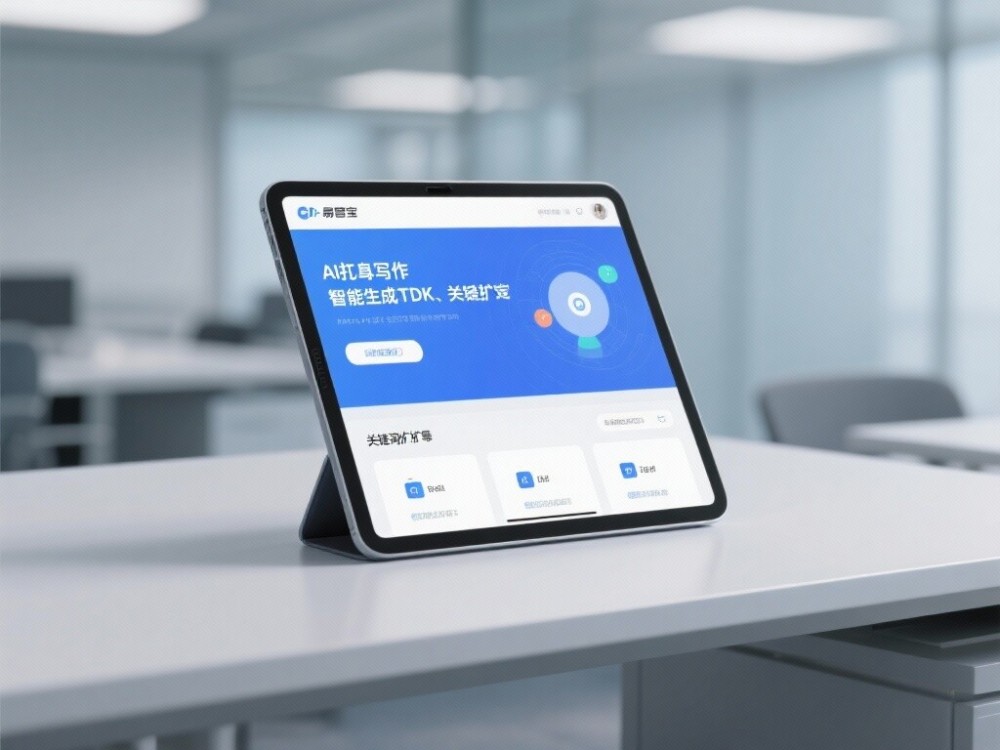
 AI+SEO Marketing SolutionEasyWin AI+SEO Marketing Solution leverages AI-powered batch content creation, intelligent TDK generation, and precise keyword expansion to comprehensively optimize website SEO performance, boosting traffic and conversion rates. Helps businesses build a highly efficient intelligent website ecosystem.
 AI+SEM Advertising & Marketing SolutionsAI+SEM advertising and marketing solution utilizes AI intelligent technology to deeply empower SEM advertising. Through AI intelligent generation of weekly/monthly reports, multi-dimensional presentation of account data, a comprehensive grasp of the effectiveness and trends of advertising, AI precise recommendation of keywords and countries, intelligent generation of high-conversion advertisement language, a key to start the efficient advertising program, helping enterprises to quickly acquire customers. At the same time, the system monitors the core indicators in real time, intelligently recognizes fluctuation abnormalities and warns them in time to ensure stable and high return of advertising effect.
 Domain Name ServicesEasy Operation provides professional domain services, including intelligent query, one-stop registration, brand protection, and full-cycle management, helping enterprises build a digital brand image.
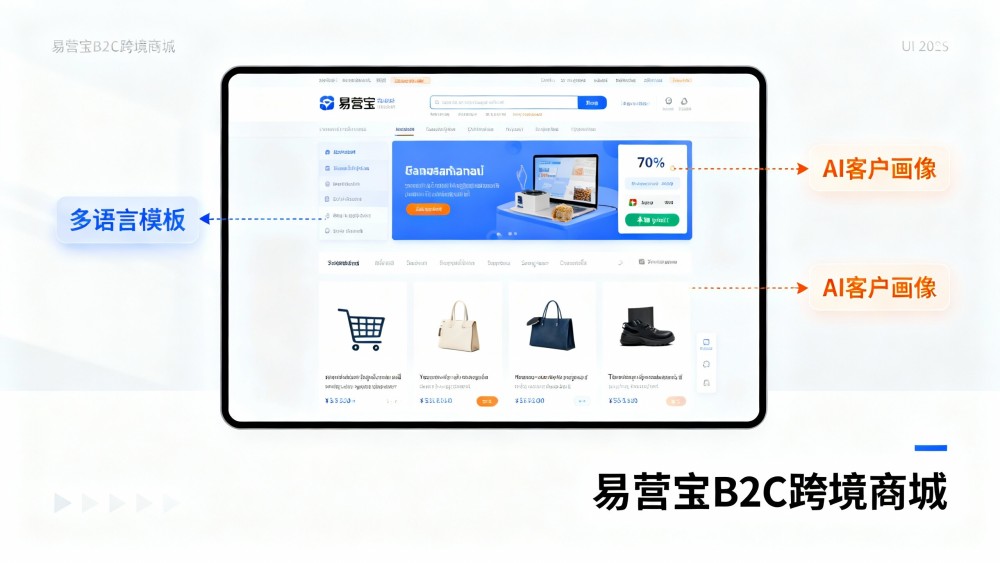
 EasyStore B2C Cross-border E-commerce Platform, Independent SiteEasyStore B2C Cross-border E-commerce Independent Store is an intelligent website building and cross-border e-commerce integrated solution independently developed by EasyStore Information Technology (Beijing) Co., Ltd. The system is specifically designed for small, medium, and large export enterprises, integrating 'website building, operation, marketing, advertising, and conversion' into one platform, helping businesses quickly establish cross-border e-commerce independent stores to achieve brand globalization and global sales growth.
The platform supports multiple languages, currencies, and multi-channel marketing, with built-in AI intelligent translation and SEO optimization systems, suitable for mainstream markets such as Southeast Asia, Europe & America, Latin America, and the Middle East, assisting Chinese manufacturing enterprises in efficiently deploying international e-commerce strategies. SSL CertificateEasyCert provides professional SSL security certificate services, including single-domain and wildcard certificates, ensuring encrypted data transmission, identity verification, and integrity protection for websites. This empowers businesses to establish secure and trustworthy online business environments.