

Definition of Website SEO Optimization: Enhancing Visibility and Authority in Organic Search
Website SEO Optimization (Website SEO Optimization), abbreviated as SEO, refers to the systematic adjustment of a website's structure, content, code, and external links by adhering to the ranking mechanisms and guidelines of search engines (such as Google, Baidu, etc.), with the goal of improving the website's ranking, traffic, and conversion efficiency in organic search results.
Core Objectives of Website SEO Optimization:
Improve Ranking (Ranking): Ensure the website appears on the first page of search results for target keywords, especially in the top three positions (Top 3).
Acquire Traffic (Traffic): Consistently obtain precise and free organic search traffic from search engines.
Enhance Conversion (Conversion): Optimize user experience and content structure to convert acquired traffic into actual sales, inquiries, or subscriptions.
Essence of Website SEO Optimization: A long-term, low-cost, high-return digital asset investment.
History of Website SEO Optimization: From "Machine-Friendly" to "User-Friendly"
The evolution of website SEO optimization reflects the continuous maturation and intelligence of search engine algorithms, with its core philosophy transitioning from **"telling machines what I'm saying"** to **"proving I can provide users with the best answers"**.

1. Early Stage: Keyword and Link Quantity Era (1990s-2003)
Focus: Rankings were primarily determined by keyword repetition density on pages and the quantity of backlinks.
Characteristics: SEO strategies were simplistic and crude, easily manipulated through black-hat techniques (e.g., keyword stuffing, buying links).
2. Algorithm Penalties and Quality Orientation (2003-2015):
Technological Shift: Google introduced the PageRank algorithm, emphasizing the authority and quality of links.
Major Updates:
Panda Algorithm: Penalized low-quality, thin, and duplicate content.
Penguin Algorithm: Penalized unnatural and spammy links.
Impact: Shifted SEO from quantity competition to content and link quality competition.
3. Mobile-First, Speed, and Search Intent (2015-2020):
Mobile Priority: Google introduced Mobile-First Indexing, making mobile compatibility a mandatory ranking factor.
Intent-Driven: Algorithms began deeply interpreting user search intent (Search Intent), with only content highly aligned with intent receiving rankings.
4. Core Web Vitals and E-E-A-T Authority System (2020-Present):
Technical Standards: Introduced Core Web Vitals, quantifying **user experience (speed, stability)** as core ranking signals.
Authority Upgrade: E-A-T was upgraded to E-E-A-T (Experience, Expertise, Authority, Trustworthiness). Websites must provide authentic, reliable, and expert-backed content, especially in **finance, health (YMYL)** and other high-risk fields.
Technical Principles of Website SEO Optimization: Synergistic Interaction of Three Core Pillars
Successful website SEO optimization is a systematic project that integrates technology, content, and authority, all of which are indispensable.
1. Technical SEO Pillar: Crawling and Indexing Efficiency
Principle: Ensure search engine bots can efficiently and seamlessly discover, understand, and index all key content.
Core Elements:
Website Architecture: Clear URL structure and logical internal linking.
Core Web Vitals: Ensure LCP (Largest Contentful Paint), FID/INP (First Input Delay/Interaction to Next Paint), and CLS (Cumulative Layout Shift) meet speed benchmarks.
Crawlability: Correctly configure Robots.txt, Sitemap.xml, and URL standardization (Canonical Tags).
2. Content SEO Pillar: Intent Matching and Depth Coverage
Principle: Ensure website content is not only original and expert but also perfectly matches user search intent, providing the most comprehensive solutions.
Core Elements:
Search Intent Analysis: Determine whether users seek to purchase, learn, compare, or navigate, and provide corresponding articles, guides, or product pages.
Keyword Clusters (Topic Cluster): Build content clusters around core topics, supporting a core page with multiple long-tail keyword pages to establish topic authority.
Content Depth and E-E-A-T: Ensure content coverage is comprehensive and accurate, with clear author credentials and professional backgrounds.
3. Off-Page SEO Pillar: Credibility and Authority Backing
Principle: Enhance the website's credibility, authority, and trustworthiness within the industry, primarily through external "votes."
Core Elements:
High-Quality Backlinks: Obtain natural links from high-authority, highly relevant websites.
Brand Mentions and PR: Gain brand name mentions and positive coverage in authoritative media and industry forums.
User Interaction Signals: External social platform shares, high CTR (Click-Through Rate), etc., indirectly proving website value.
Technical Features and Application Advantages of Website SEO Optimization
A systematically optimized website gains a series of competitive advantages, enabling sustainable growth.
1. Acquiring Continuous, High-Intent Free Traffic
Advantage: Once high rankings are achieved, the website will consistently receive free traffic. This traffic comes from users actively searching for solutions, thus having extremely high conversion intent.
Value: **Long-term customer acquisition cost (CAC)** is far lower than paid ads, enabling a healthy financial model.
2. Establishing Irreplaceable Brand Authority
Feature: Websites occupying top positions in search results are naturally perceived by users as industry leaders or authoritative sources.
Value: Significantly enhances brand **trustworthiness (Trustworthiness)** and professionalism, crucial for high-ticket, high-risk (YMYL) businesses.
3. Systematic Protection Against Algorithm Volatility Risks
Feature: Professional SEO optimization emphasizes technical health and content quality, adhering to white-hat principles.
Advantage: Websites do not overly rely on any single technique but have a solid foundation, enabling them to better withstand core algorithm updates (e.g., E-E-A-T upgrades) and resulting ranking impacts.
4. Enhancing Website User Experience and Conversion Rate (CRO)
Feature: Many SEO optimizations (e.g., Core Web Vitals improvements, clear website structures) inherently enhance user experience (UX).
Value: Faster website loading speeds and rational layouts reduce bounce rates, increase user dwell time, and indirectly improve conversion rates.
Application Scenarios and Business Value of Website SEO Optimization
Website SEO optimization is a strategic tool for businesses of all sizes and types to achieve online growth.
EasyProfit: Your Full-Channel Growth Expert for Website SEO Optimization
EasyProfit's website SEO optimization services are based on data-driven, algorithm foresight, and engineering practices, offering systematic solutions. We focus on building sustainable, high-return traffic assets.
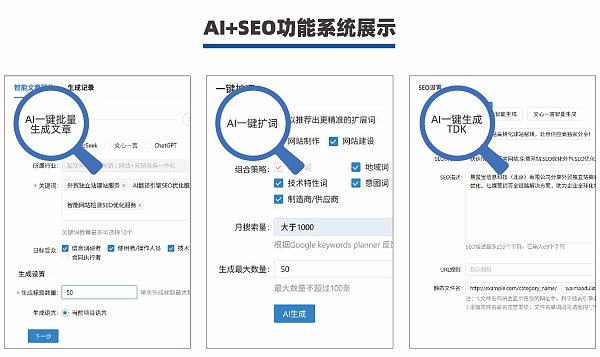
Comprehensive Technical SEO Audit: Conduct an in-depth technical audit of your website covering **Core Web Vitals, crawlability, architecture depth**, and over 200 other metrics to eliminate all ranking obstacles.
E-E-A-T-Driven Content Strategy: Develop topic cluster content plans around your industry pain points, guiding you to establish and reinforce author credentials and website trustworthiness in content.
Authority Link Building (Link Building): Focus on acquiring natural links from high-authority, highly relevant websites through content marketing and digital PR.
Conversion Rate Optimization (CRO) Integration: Combine SEO optimization with landing page **conversion rate optimization (CRO)** to ensure high-ranking traffic is maximally converted into actual business outcomes.
Algorithm Update Monitoring and Response: Continuously monitor Google's algorithm changes, providing early warnings and dynamically adjusting optimization strategies based on the latest ranking signals.
Choose EasyProfit to transform your website SEO optimization from simple technical operations into a goal-oriented, data-transparent, and sustainably driven strategic investment for brand and sales growth.
FAQ
1. Is website SEO optimization a "one-time job" or an "ongoing job"?
It is a continuous, long-term job.
Reason for continuity: Search engine algorithms are constantly evolving, and competitors are also continuously optimizing. SEO involves content updates, technical maintenance, link building, data analysis, and adapting to algorithm changes.
Long-term returns: Although SEO takes time to show results (usually 6-12 months), its traffic is a permanent digital asset. Only continuous investment can maintain rankings and steadily expand the traffic moat.
2. How to determine if my website SEO optimization is effective?
You should focus on the following three key metrics:
Organic search rankings (Ranking): Whether the rankings for target keywords are consistently improving, especially if they reach the first page.
Organic search traffic (Traffic): Whether the **organic clicks (Clicks)andimpressions (Impressions)** displayed in Google Search Console are steadily increasing.
Conversion rate/contribution (Conversion): Tracked via Google Analytics, whether the sales revenue, inquiry volume, or goal completions brought by organic search traffic are increasing.
3. How should website SEO optimization and paid advertising (SEM) be balanced?
The two are complementary, not mutually exclusive.
SEO (long-term strategy): Low-cost, high-authority traffic that requires time to accumulate, suitable for stable and long-term lead generation.
SEM (short-term tactic): High-cost, high-speed traffic, suitable for short-term promotions, rapid testing, and capturing competitive keywords.Best strategy: Use SEM for quick data and exposure during the launch phase; once stable, shift focus to SEO, using SEM as a supplement and accelerator.
4. How important is E-E-A-T for my website SEO optimization?
Extremely important—it is the "credibility threshold" that determines content rankings.
Authority is the prerequisite: Especially in finance, health, legal, and other YMYL fields, if your website or authors cannot prove their expertise (Expertise) and trustworthiness (Trustworthiness), even the best content will hardly rank high.
Optimization methods: Ensure content has clear author information, links to authoritative references, and provides transparent contact details and privacy policies.

Customer Reviews
Mr. Xu, Founder of a B2B Industrial Software Company
"Our previous website was almost invisible on Google. The EasySEO team conducted a comprehensive technical SEO audit for us, resolving numerous Core Web Vitals and internal linking issues. More importantly, they guided us in building a content cluster around product application scenarios and helped our technical experts sign the content, strengthening the E-E-A-T signals. Within 9 months, all our core inquiry keywords reached Google's first page, with organic search contributing 70% of new leads, completely transforming our customer acquisition cost structure."
Ms. He, CEO of a Health Lifestyle E-commerce Platform
"As an e-commerce platform in the YMYL field, we deeply understand the critical importance of website credibility. EasySEO's SEO optimization strategy not only focuses on keywords but also prioritizes building brand authority. They assisted us in optimizing author profile pages and content citation standards, and successfully executed digital PR, securing numerous high-authority backlinks from health websites. Now, our rankings for highly competitive health keywords remain stable, and the brand trust score has significantly improved, directly reflected in the increase in customer repurchase rates."
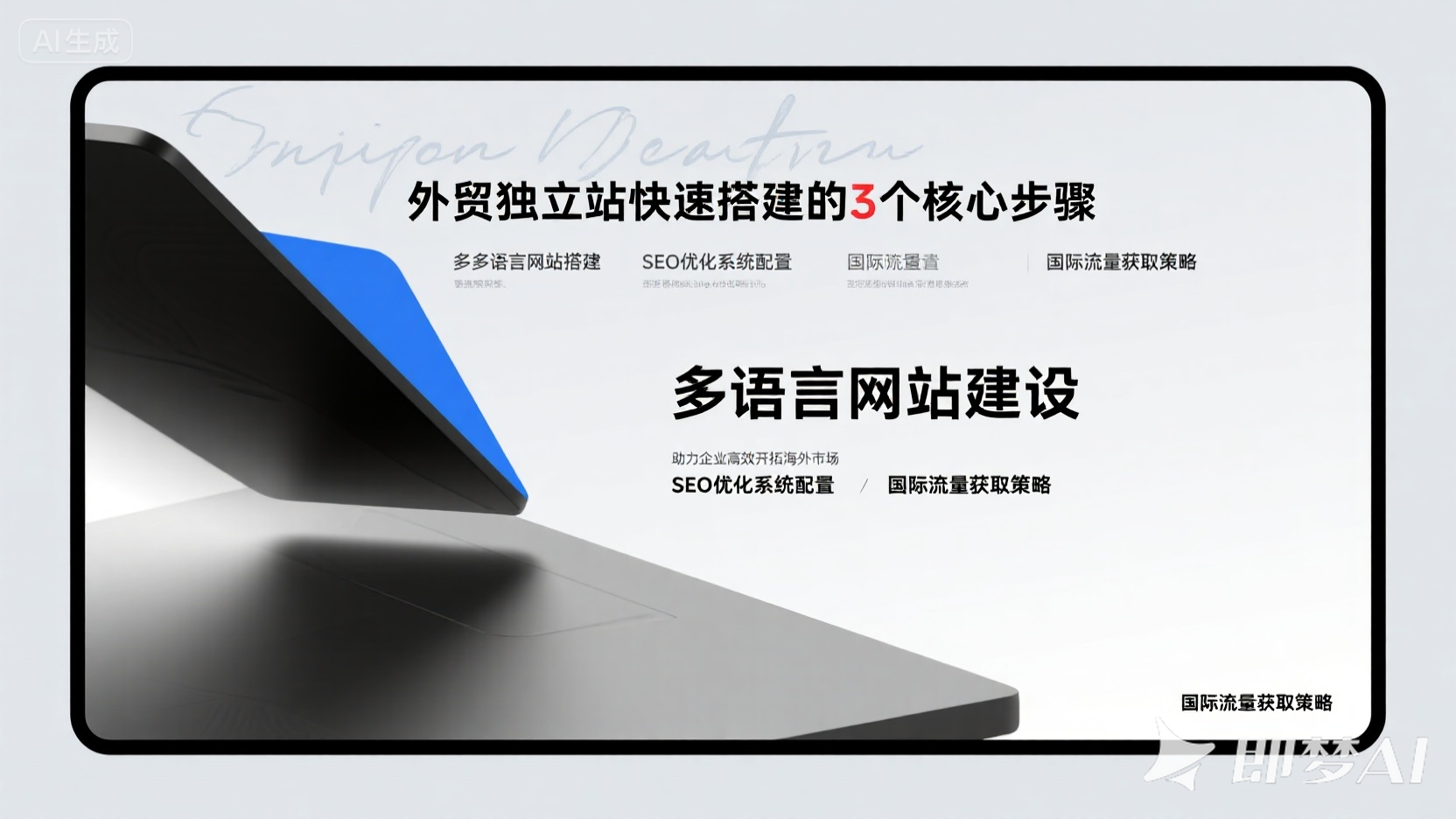
 How to Quickly Build a Foreign Trade Independent Website? 3 Steps to Complete International Website Development!Detailed explanation of the 3 core steps for rapid construction of foreign trade independent websites, including multilingual website construction, SEO optimization system configuration, and international traffic acquisition strategies, helping enterprises efficiently expand overseas markets.
 How to choose SEO optimization services? These are 5 criteria you must know!This article systematically elaborates on the five gold standards for choosing SEO optimization services, combined with industry real cases and technical analysis, to provide enterprise decision makers with a landmark evaluation framework.
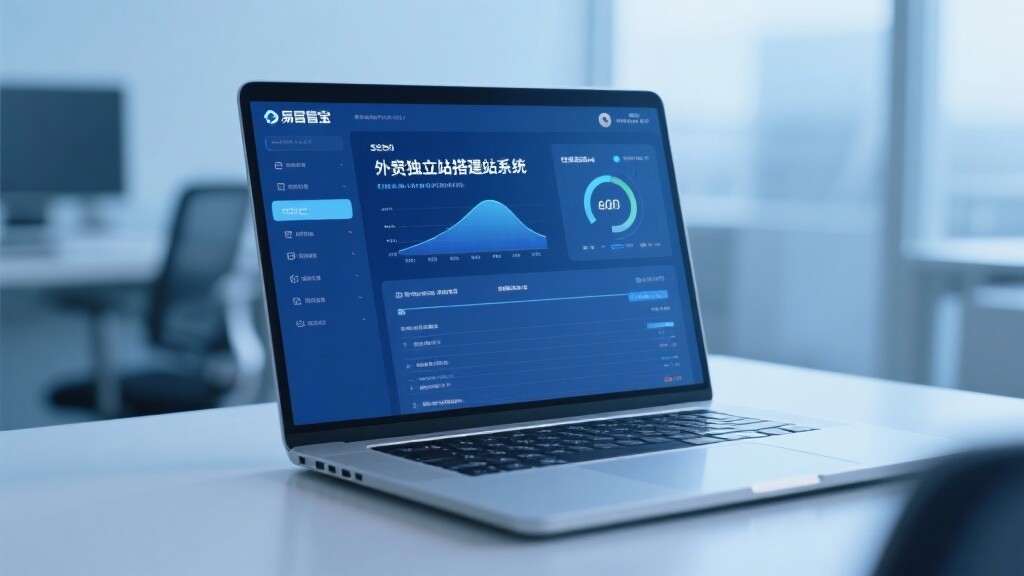
 Foreign trade independent station building: from 0 to 1 complete hands-on guideForeign trade independent website building full process guide! Yiyingbao intelligent website building system helps you quickly build SEO-optimized websites, integrating multi-language translation and global SEO diagnostic tools. From technical selection to Facebook ad optimization, from Yandex ad placement to localization deployment, we teach you to build a high-converting foreign trade website by hand. Cases show that using our AI website building solution can increase traffic by 320% and inquiry conversion by 45%. Get the exclusive overseas program now!
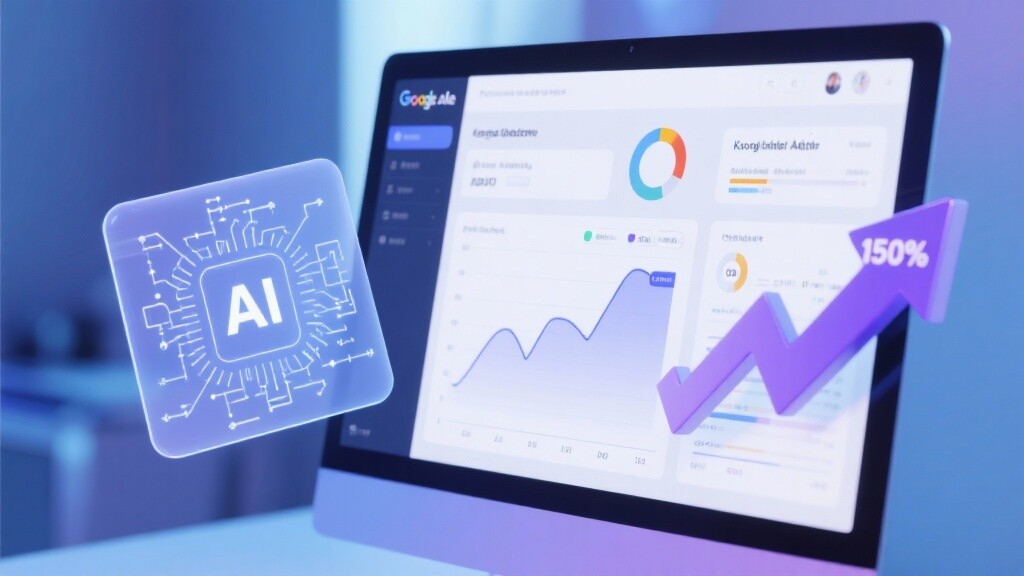
 Foreign trade independent website Google Ads optimization case sharingForeign trade enterprises how to achieve independent station efficient customer acquisition through Google Ads optimization? This article shares real-world cases, revealing the golden combination strategy of AI ad placement + independent station SEO optimization. From keyword mining to advertising creative generation, see how technology can drive 200% conversion rate increase and reduce 51% customer acquisition cost. Includes Yandex ad placement, Facebook ad optimization and other cross-border marketing solutions to help you break through the traffic predicament. Get the professional optimization solution immediately!
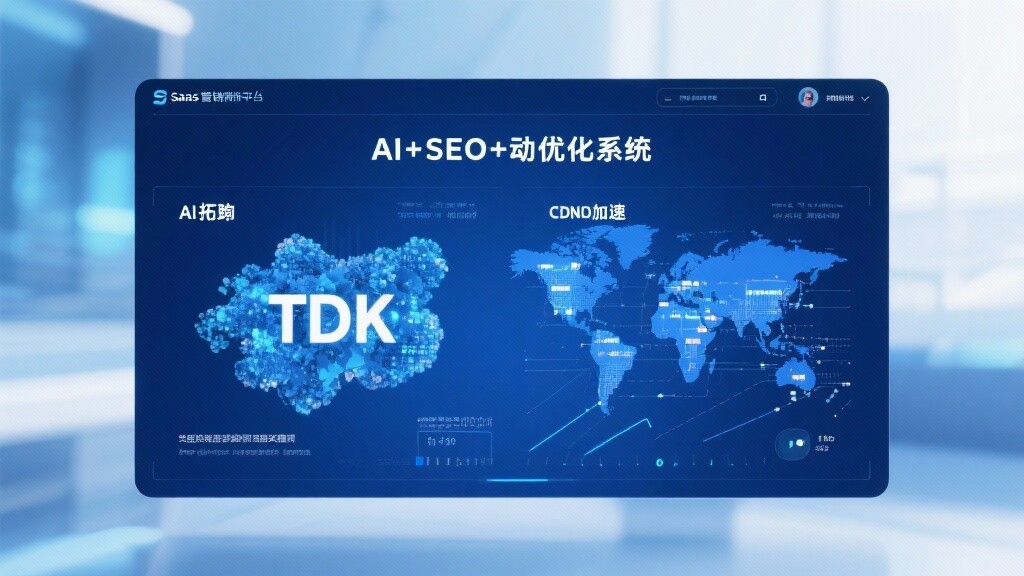
 SaaS Marketing Platform + Fast SEO Tools: a Decision Maker's Guide to GrowthEYB SaaS marketing platform to AI + SEO dual-engine optimization system and fast SEO tools as the core, to help foreign trade independent station and foreign trade website SEO to achieve responsive website SEO optimization and overseas acceleration. Support Shenzhen SEO optimization software, Guangdong SEO optimization software, Beijing SEO optimization software localization deployment, and provide EYB agent joining policy and landing services. Immediate free testing, 3 months to see results, improve natural traffic and conversion.
 SEO tips for foreign trade websites: how do researchers plan keywords?Foreign trade website SEO secret: from keyword planning to implementation, combined with responsive website SEO optimization and AI + SEO dual-engine optimization system for foreign trade independent station and SaaS marketing platform to provide fast SEO tools and batch TDK generation, to improve the mobile conversion and global inclusion. To learn more about EYB agent joining policy and trial program, click to get customized keyword planning.
 Shenzhen SEO optimization software comparison: which is suitable for small and medium-sized enterprises?Want to increase traffic and conversion for foreign trade independent website under limited budget? This article compares responsive website SEO, SaaS marketing platform and AI+SEO dual-engine optimization system, evaluates the localization advantages of Shenzhen SEO optimization software, Guangdong SEO optimization software and Beijing SEO optimization software in terms of bandwidth, compliance, and Ease2Easy agency joining policy, and recommends fast SEO tools and foreign trade website SEO implementation routes. Click for step-by-step selection and free trial advice.
 Responsive website SEO optimization: how can companies break the ice fast?Responsive website SEO optimization combined with SaaS marketing platform and AI + SEO dual-engine optimization system, to help foreign trade independent station quickly improve the inclusion, natural traffic and conversion. EYB provides fast SEO tools, Shenzhen SEO optimization software, Guangdong SEO optimization software, Beijing SEO optimization software and agent joining policy and filing support. Click to get free site diagnosis and customization program.