









- Is Brand Globalization Marketing Consulting Worth Buying? At What Stage Should Companies Bring It InJul 01, 2026View details
- Cross-Border Marketing Trend Research: Why More and More Companies Are Starting to Deploy AI Search and GEO OptimizationJun 30, 2026View details
- Cross-Border Marketing Trend Research: How Independent Sites, AI Content, and Short-Video Customer Acquisition Are ChangingJun 30, 2026View details
- How Can a Brand Updates Page Be Made More SEO-Friendly? Analysis of Update Frequency, Content Structure, and Internal Linking StrategyJun 28, 2026View details
- What stages does the cross-border services ecosystem include? How do website building, promotion, payment, and compliance work togetherJun 22, 2026View details
- How will email marketing costs change in 2026Jun 22, 2026View details
How many languages are generally required for a multilingual website? Foreign trade independent website selection and cost comparison
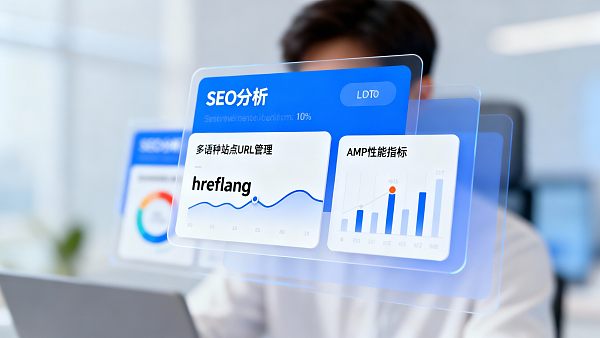
In the context of independent e-commerce websites, how many languages are typically needed for a multilingual site? Language selection directly impacts SEO and overseas traffic. As a practical guide for users, business decision-makers, and project managers, this article analyzes the actual impact of multilingual sites on search visibility and traffic acquisition from strategic, technical, and cost perspectives, helping e-commerce teams make actionable language selection and operational decisions within a limited budget. The article also considers content management and translation quality control, discussing the reliability of AI translation versus best practices for human editing, and providing a comparison of independent websites and platform stores in terms of SEO, branding, and data ownership, facilitating project managers and after-sales maintenance personnel in developing implementation plans.
Why multilingual websites benefit SEO and overseas traffic?
Multilingual websites improve search engine coverage and user relevance, thereby improving click-through rates and conversion rates. Pages in different languages can be indexed separately, matching different regional search intents, and the region and language relationship can be clearly defined through hreflang tags, reducing duplicate content penalties. For decision-makers asking "Are multilingual websites beneficial for SEO?", it's necessary to understand two dimensions: first, the technical aspects of indexing and speed (such as mobile loading performance directly impacting rankings); and second, the localization relevance of content (localized keywords, tailored product descriptions, and payment/logistics information). Through a reasonable URL structure and sitemap management, multilingual pages can bring long-term organic traffic growth; simultaneously, combined with structured data and local trust elements within the site (local contact information, compliance statements), it can significantly improve the trust of search engines and users, thereby improving the quality and conversion efficiency of overseas traffic.
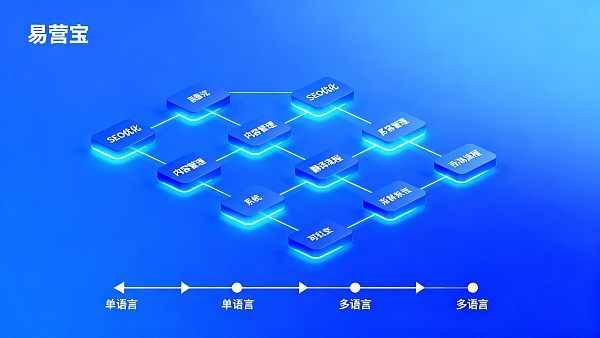
How many languages does a multilingual website typically need? Practical strategies and priorities.
There's no single answer to the question, "How many languages does a multilingual website typically need?" In practice, it depends on market priorities and business objectives. A three-step approach is recommended: First, conduct data-driven market screening, selecting the top 3-5 target languages based on existing order sources, competitor distribution, and search volume. Second, assess operational costs and supply chain compatibility, such as the availability of local logistics and payment options. Third, design a rolling expansion plan, launching core pages (homepage, product pages, checkout process, FAQs) first, then gradually expanding with long-tail content. For most small and medium-sized foreign trade enterprises, 3-6 languages are usually sufficient to cover the main target market. If the company already has a mature localization team or agent network, it can consider expanding to 10+ languages to achieve economies of scale. When choosing languages, it's also important to consider language variations (such as Latin American variations of Spanish) and SEO vocabulary differences to avoid a "one-size-fits-all" translation strategy that leads to decreased local relevance. Why should foreign trade enterprises create independent websites? Because independent websites allow control over SEO assets, brand presentation, and customer data, thereby achieving long-term cost amortization and visible results in multilingual operations.
How to manage content on a multilingual website? Translation strategy, version control, and update process.
How to manage content on a multilingual website? Efficient content governance relies on a clear CMS and workflow. Core elements include: a unified content source (main language) and translation memory (TM), version control strategies, automated release pipelines, and localized QA and compliance reviews. Technically, it is recommended to use a CMS or Translation Management System (TMS) that supports multilingual projects, and configure automatically triggered translation tasks and manual post-editing workflows. Regarding the question, "Is AI reliable for multilingual website translation?", AI translation is currently very reliable in terms of efficiency and initial draft output, suitable for batch generation of basic content and product descriptions. However, key pages (brand pages, legal terms, marketing creatives) still require manual polishing to ensure contextual and cultural accuracy. A hybrid approach (AI initial translation + manual post-editing) can strike a balance between cost and quality. Furthermore, proper canonical and hreflang labeling is crucial to ensure clear indexing priority and language versions; establishing content update SLAs ensures that product, pricing, and logistics information are updated synchronously across all languages, avoiding compliance and user experience risks.
Technology Implementation, Selection, and Mobile-First Approach: Functional Requirements of AMP/MIP and Independent E-commerce Websites
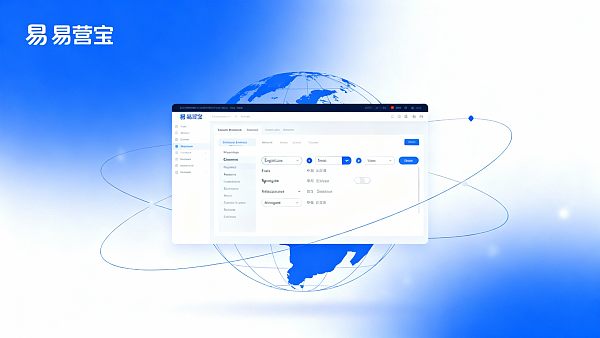
When considering the question, "How to build an independent e-commerce website?", technology selection should balance mobile performance, SEO, and operational efficiency. Mobile search and conversion rates are increasingly important, so using acceleration technologies like AMP/MIP can significantly improve rankings and user experience. For example, website building systems with AMP/MIP capabilities can compress mobile loading times to milliseconds, thereby reducing bounce rates and increasing conversions. This section introduces a solution suitable for cross-border scenarios: EasyCreative AMP/MIP Mobile Smart Website Builder . This product supports the independent creation of multilingual Google AMP mobile websites and Baidu MIP Chinese mobile websites, claiming a loading speed of up to 0.5 seconds, a 70% increase in mobile conversion rates, and features such as one-time editing synchronization to a unified management backend for both AMP and MIP, automatic translation to 12 languages, and built-in CDN acceleration. What features are needed for an independent e-commerce website? It is recommended to prioritize: multilingual URL strategies, payment and multi-currency support, mobile acceleration, automated SEO metadata, Sitemap and hreflang management, and visual operation and A/B testing tools.
Summary and Action Guidance
In summary, multilingual websites can bring broader search coverage and more precise overseas traffic. However, language selection should be based on data and business priorities. Operational quality depends on standardized content management and translation processes. AI translation is a tool to improve efficiency, not a complete replacement. Regarding the questions "What is the difference between a multilingual website and a monolingual website?" and "What is the difference between an independent foreign trade website and a platform store?", the core lies in traffic and data control, brand presentation, and long-term SEO asset accumulation. We recommend a phased approach: first create a minimum viable page set in 1-3 high-priority languages, verify conversion rates, and then expand. Simultaneously, choose a website building and operation platform that supports mobile acceleration and multilingual management to reduce maintenance costs and improve user experience. If you need to develop an implementation plan or connect to a trial platform, please contact us immediately to learn more about solutions and cost comparisons, and obtain a customized multilingual site assessment and pilot program.
- Yiyingbao
- SEO
- Independent Website
- Smart Website Building
- AI Translation
- Independent foreign trade website
- Multilingual website
- Does a multilingual website benefit SEO?
- How many languages does a multilingual website generally require?
- How to manage content for a multilingual website?
- Can AI be relied upon for multilingual website translation?
- What is the difference between a multilingual website and a single-language website?
- Why should foreign trade enterprises build independent websites?
- What is the difference between an independent foreign trade website and a platform store?
- How to build a foreign trade independent station?
- What features are needed for a foreign trade independent website?
Related Articles
 After Asia-Europe route adjustments,Ningbo Port’s delivery lead time to Europe extended by 5 to 7 days
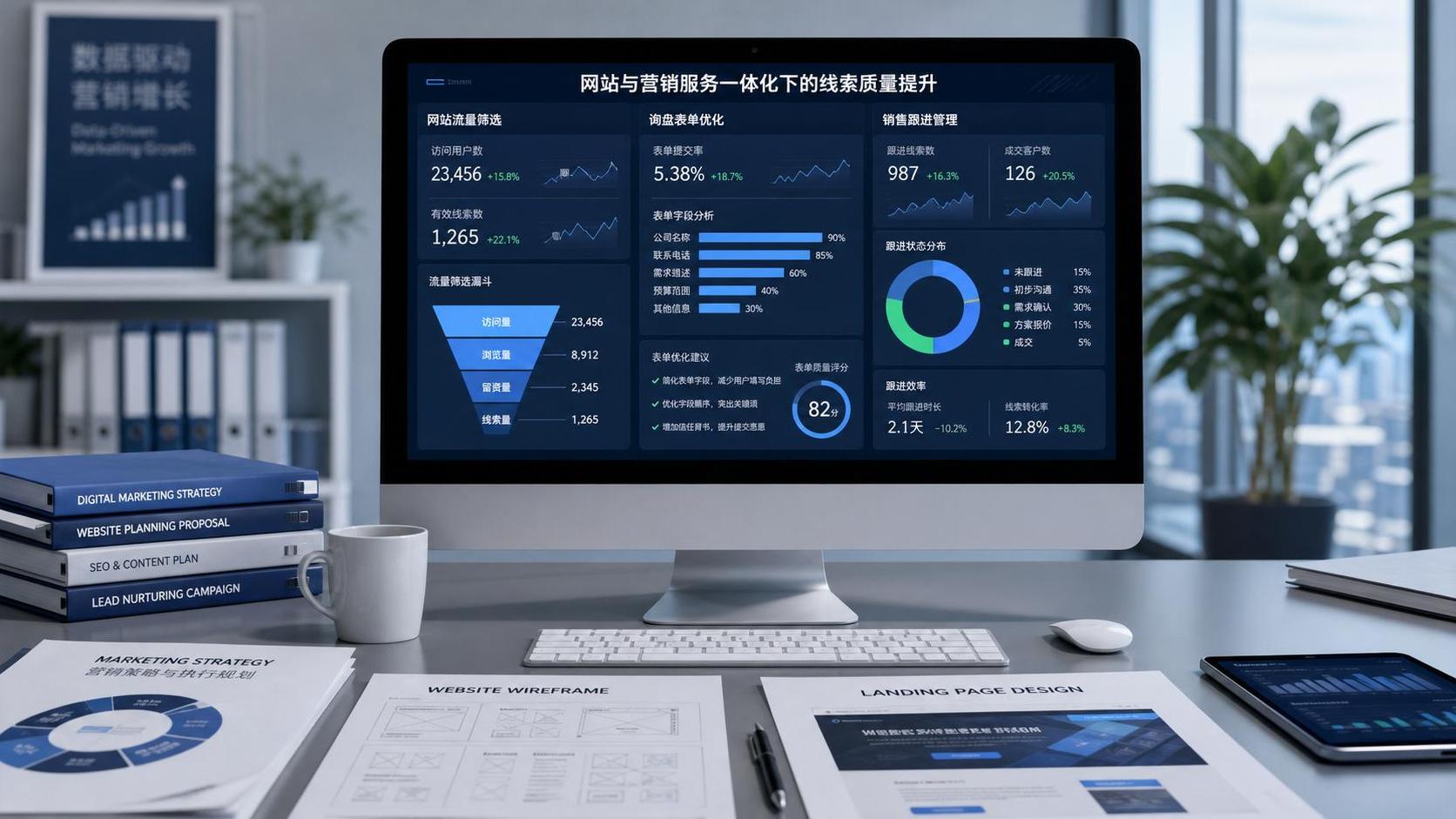
 How to develop an inquiry quality improvement plan?Key actions from traffic filtering to sales follow-up
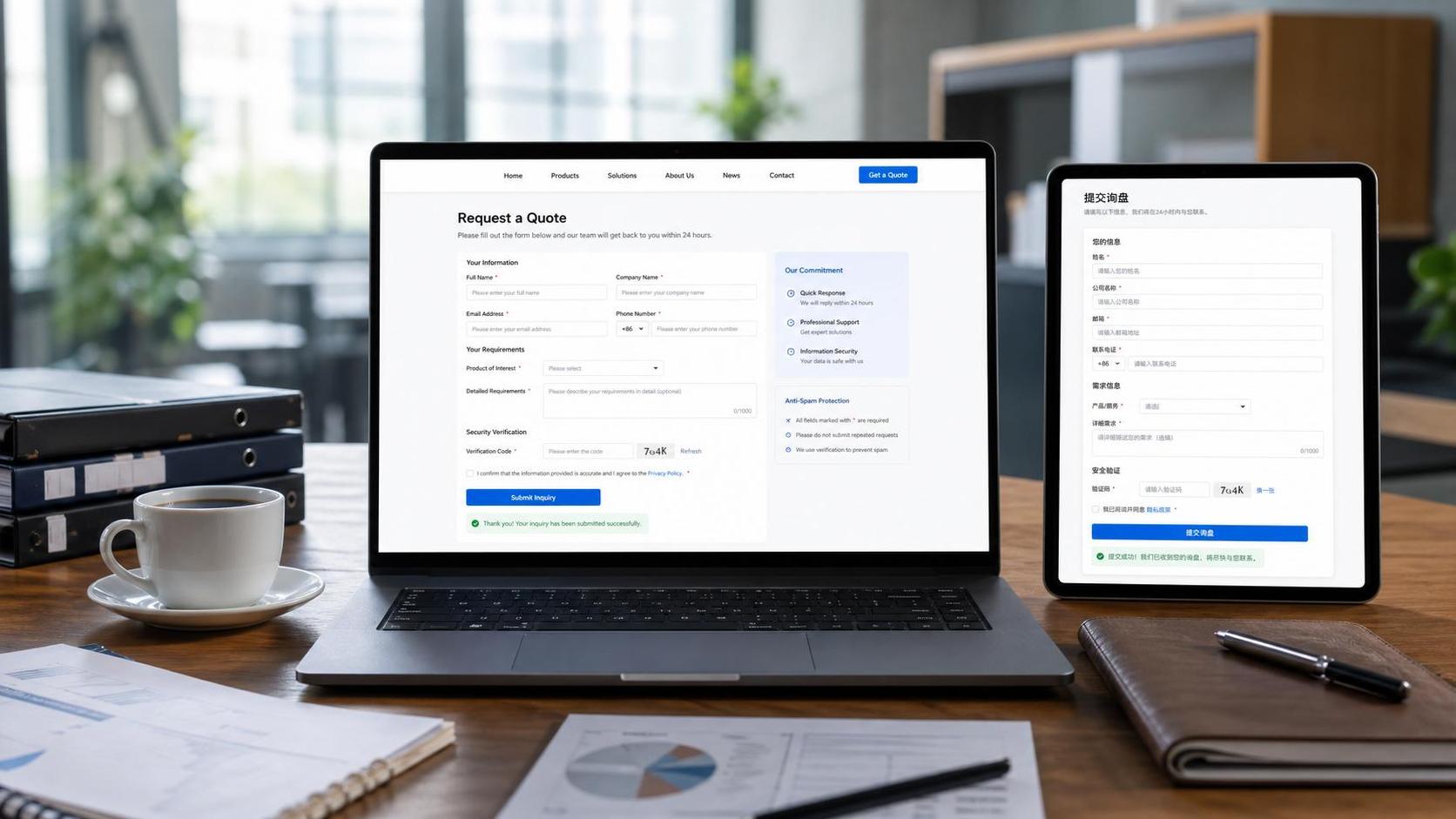
 How to Design Inquiry Forms for Foreign Trade Websites? A Complete Guide to Field Settings and Anti-Spam Strategies

Related Products
 EasyCamp SaaS Smart Website Marketing SystemE-Yingbao SaaS Smart Website Marketing System: AI-powered, zero-code website building. Rapidly launch multilingual independent e-commerce sites in just 10 minutes. Global server acceleration and AI-driven SEO optimization empower businesses to efficiently connect with global markets. The seamless integration of technology and user-friendly operation makes building e-commerce sites incredibly simple.
 AI+SEM Intelligent Advertising Marketing SystemAI+SEM drives intelligent ad creation, empowering full-funnel precision advertising marketing. The system automatically generates weekly/monthly reports, AI recommends keywords and target countries, monitors core metrics in real-time with intelligent alerts, and enables one-click high-conversion ad solutions to help quickly acquire customers and improve ROI.
 AI+SEO Dual Engine Optimization ServiceEasyWin AI+SEO Dual Engine Optimization System leverages AI-powered keyword mining, content generation, and comprehensive technical optimization to help foreign trade enterprises acquire high-quality organic traffic, significantly improving search rankings and conversion rates.
 AI+SNS Social Media Marketing SystemYingbao AI+SNS Social Media Marketing System - Precision social capture for the social media era. Supports one-click content synchronization across major platforms like Facebook and LinkedIn. AI intelligently rewrites posts for enhanced relevance. 24/7 AI customer service and user profiling analysis empower businesses to efficiently expand into global markets.
 AI+SEO营销解决方案易营宝AI+SEO营销解决方案,通过AI批量写作、智能生成TDK、精准关键词扩词等功能,全面优化网站SEO效果,提升流量与转化率。助力企业构建高效智能网站新生态。
 AI+SEM Advertising Marketing SolutionsAI+SEM Advertising Marketing Solution leverages AI technology to deeply empower SEM ad campaigns. It automatically generates weekly/monthly reports using AI, presenting account data across multiple dimensions for comprehensive insights into campaign performance and trends. The system precisely recommends keywords and target countries, intelligently generates high-conversion ad copy, and enables one-click activation of efficient campaign plans to help businesses rapidly acquire customers. Simultaneously, it monitors core metrics in real time, intelligently identifies abnormal fluctuations, and issues timely alerts to ensure stable, high-return advertising results.
 Domain Name ServicesEasyWin provides professional domain name services, including intelligent queries, one-stop registration, brand protection, and full lifecycle management, helping businesses build a digital brand image.
 EasyOperate B2C Cross-Border E-Commerce Platform & Independent WebsiteEasyStore B2C Cross-border E-commerce Independent Store is an intelligent website building and cross-border e-commerce integrated solution independently developed by EasyStore Information Technology (Beijing) Co., Ltd. The system is specially designed for small and medium-sized as well as large export enterprises, integrating 'website building, operation, marketing, advertising, and conversion' into one, helping enterprises quickly establish cross-border e-commerce independent stores to achieve brand globalization and global sales growth.
The platform supports multiple languages, multiple currencies, and multi-channel marketing, with built-in AI intelligent translation and SEO optimization systems, suitable for mainstream markets such as Southeast Asia, Europe and America, Latin America, and the Middle East, assisting Chinese manufacturing enterprises in efficiently deploying international e-commerce strategies. SSL证书易营宝提供专业SSL安全证书服务,包括单域名和泛域名证书,确保网站数据传输加密、身份验证和完整性保护,助力企业建立安全可信的在线业务环境。









