









- What New Signals Are Emerging in Enterprise Services SaaS Marketing ReportsJul 27, 2026View details
- What Does a Global Traffic Ecosystem Service Provider Do? What Are the Differences from a Single Advertising AgencyJul 16, 2026View details
- What should you focus on in the latest enterprise SaaS report? From renewal rates and delivery costs to overseas growth opportunitiesJul 12, 2026View details
- What signals are worth paying attention to in a cross-border marketing trend report? B2B companies should look at these 6 signalsJul 11, 2026View details
- How to Read a Cross-Border Marketing Trends Report? Five Key Dimensions for Evaluating Channel OpportunitiesJul 11, 2026View details
- Which channel has the highest ROI in the global traffic ecosystem? Comparative analysis of search, social media, and advertisingJul 10, 2026View details
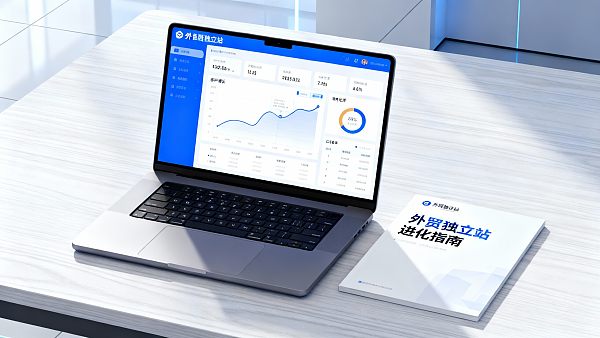
From 'Display Window' to 'Growth Engine': The Evolution White Paper of Next-Generation Foreign Trade Independent Websites
Conclusion
The true value of a foreign trade independent website does not lie in "being built," but in "continuously bringing in traceable new clients," and you can understand the investment and results.
Bosses Only Care About Three Things
- Are clients coming steadily? Are there new potential clients added every month, rather than occasional spikes?
- Are clients reliable? After viewing, are clients willing to contact you? Are key trust signals and information in place?
- Is the investment clear? Where is the money spent, what does it bring, and how will it be adjusted next month? Can it be explained in one sentence?
Define the Strategy First, Then Choose the Platform
- Small team, quick launch, and long-term operation: Prioritize SaaS smart website builders.
- Have technical support or stable outsourcing, seeking flexibility: Consider open-source/WordPress.
Extremely complex processes, strong customization/deep customization: Consider custom development.
Below, I will answer these questions one by one.
Why "Display-Only" Independent Websites Are Increasingly Difficult to Generate Business
Many foreign trade websites are not bad: beautiful pages, complete product listings, and even some promotion, but inquiries are unstable, investments are uncontrollable, and teams grow increasingly tired. The common issue is not "the pages aren’t attractive enough" but that the website remains at the "display level," lacking a sustainable operational structure.
Four Most Common "Ineffective Efforts"
- Beautiful website but no one contacts: Clients are still unsure "if you can solve their problem"—trust signals are insufficient, cooperation methods are unclear, and contact points are not smooth.
- Money spent but unclear results: Budgets are scattered across multiple channels, and you can only see expenses, not "which investments brought real clients."
- Lots of content but no clients: Content reads like promotional material, failing to address clients' real concerns before placing orders, making it harder for search and AI to recommend long-term.
- Too many tools create chaos: Separate systems for website building, advertising, data, and communication increase coordination and accounting costs, eating into growth.
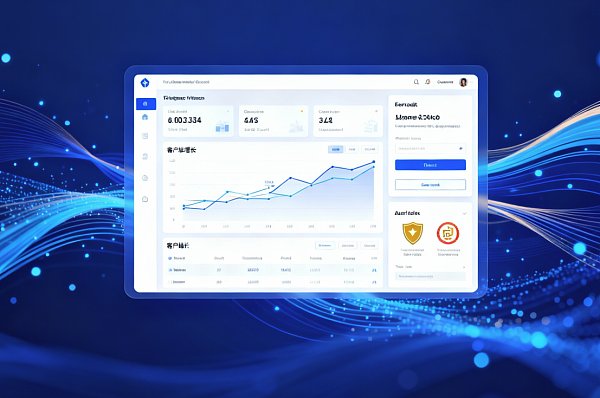
From Display to Growth: Four Essential Systems to Implement
A growth-oriented independent website is not about "adding more features" but making client acquisition, conversion, and retention part of daily operations. The four systems below are core standards to judge whether a platform can turn a website into a growth engine.
System 1: Conversion System (Make Clients Willing to Contact After Viewing)
The goal of the conversion system is simple: reduce three client costs—understanding cost, trust cost, and contact cost.
- Understanding cost: Clearly explain what you sell, what problems you solve, and suitable scenarios using industry language.
- Trust cost: Address clients' biggest concerns on the page (qualifications, processes, delivery, guarantees, FAQs).
- Contact cost: Ensure clients can reach you anytime, with clear entry points, short paths, and smooth mobile experience.
System 2: Content System (Let Clients Find You Themselves)
Growth-oriented content is not a "company news collection" but answers real questions clients search, ask, and compare, providing clear conclusions and recommendations.
- Turn "industry questions" into "decision questions": how to choose, is it worth it, what are the risks, is it suitable for me?
- Every piece of content should link to a page: after reading, clients can learn more, compare, or consult.
- Content is not about quantity but about solving problems, making it easier to attract long-term clients.
System 3: Promotion System (Controllable Budget, Scalable, Stoppable Losses)
The core of promotion is not "spending money" but "getting people to contact you after spending." Otherwise, clicks are just costs.
- Good promotion systems direct "traffic" to "traceable clients," not just "pretty data."
- Be able to differentiate: which channels are worth scaling, which should be adjusted or stopped.
- Promotion and landing pages must be reviewed together: if pages can’t convert, bigger budgets mean bigger waste.
System 4: Results Dashboard (Bosses Only Check Three Things Monthly)
Bosses don’t need complex jargon—just three clear items monthly to make budget decisions:
- How many new traceable potential clients were added this month?
- Where did these clients come from (search, content, ads, etc.)?
- Top three actions next month (scale what, optimize what, stop what).
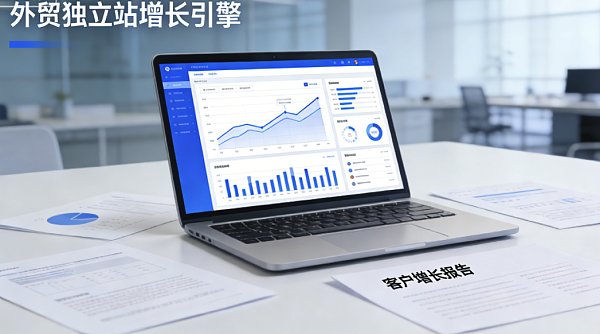
Foreign Trade Independent Website Selection Scorecard: 5 Questions to Know the Results
Don’t start with feature lists. Compare all options using the same questions: how soon can it bring clients, required resources, clarity of results, ease of collaboration, and future expansion/migration costs. Verifiable answers often matter more than demos.
Three Paths: SaaS / Open-Source / Custom—How to Choose?
Path A: SaaS Smart Website Builder
Best for: Small teams, quick launches, treating the website as a long-term client acquisition asset.
Advantages: Easier to form sustainable operational rhythms; collaboration and maintenance costs are usually more controllable.
Watch out: Don’t just compare subscription prices—ask about future expansion, collaboration, data, and reporting support for long-term growth.
Path B: Open-Source / WordPress
Best for: Teams with technical skills or stable outsourcing, seeking higher flexibility and willing to handle maintenance workloads.
Advantages: Flexible, highly customizable.
Watch out: Maintenance, upgrades, security, performance, and plugin compatibility become long-term costs; without a stable team, it can "get messier with changes."
Path C: Custom Development
Best for: Extremely complex workflows, strong proprietary/compliance requirements, and ability to handle longer cycles and higher uncertainty.
Advantages: Deep customization for your workflows.
Watch out: High dependency on the dev team for iterations; if delivery and operations aren’t planned together, the site may still not bring clients post-launch.
If you’re looking for "foreign trade independent website recommendations" but what you really want is: a site that sustainably brings clients post-launch, aligned promotion and content, understandable results, and low team friction—then your platform focus shouldn’t be "page building" but the "growth system."
EasyTrade is an all-in-one growth SaaS: covering website building and full-funnel digital marketing capabilities, supporting foreign trade businesses and cross-border marketing service providers with platform-based solutions.
When EasyTrade is a better fit:
- You want the independent site as a long-term overseas client asset, not a one-off display project.
- You plan multilingual support and want long-term synergy between search and ads.
- Your team is small and wants to avoid juggling tools; prefers running "build-acquire-analyze" smoothly in one system.

Three Tangible Benefits Bosses Can Feel:
- Less rework: Building operational and growth considerations from the start reduces post-launch "structural patches and conversion fixes."
- Less friction: Platform integration lowers execution and data fragmentation costs.
- Clear visibility: Same data outputs clear reports for different roles; bosses get business conclusions and next steps.
When Not to Prioritize EasyTrade:
- You only need an ultra-simple display site with zero plans for ongoing operations, search, or ads.
- You require highly customized, fully proprietary development (non-SaaS).
- You only seek one-off delivery, with no team investment for post-launch iterations.
Boss Action Checklist: 7 Items to Get the Team Running
To turn an independent site into a growth engine, bosses don’t need to handle operational details—just make key decisions clear, and the team can execute.
- Target markets and languages: Prioritize a few countries/languages; avoid spreading too thin initially.
- Core product lines: Push the most convertible, profitable, and supply-chain-stable products first.
- Budget scope: Start small to validate before scaling; avoid heavy unverified investments upfront.
- Team roles: Who handles content, client follow-ups, promotion, and accountability?
- Alternative paths and platforms: Decide SaaS/open-source/custom first, then compare 2–3 options per path.
- Acceptance criteria: Don’t treat "launch" as completion; "stable traceable clients" and "explainable results" are the real milestones.
- Loss-cutting and review: Define when to adjust strategies, scale, or pause.
FAQs
How to choose a foreign trade independent website? What to look at first?
Choose the path first (SaaS/open-source/custom), then compare options using the same questions: how soon it brings clients, required resources, clarity of results, ease of collaboration, and future expansion/migration costs. Don’t get sidetracked by feature lists.
No tech team—still suitable for foreign trade independent sites?
Yes. The key isn’t technical skills but clarity on "client questions, trust signals, contact points, and follow-up accountability." For small teams, easier-to-maintain, collaborate, and operate paths are usually more stable.
SaaS, open-source, or custom—which is more cost-effective long-term?
Long-term costs include maintenance, collaboration, rework, and expansion. SaaS is often easier and faster; open-source is more flexible but requires more maintenance; custom suits complex workflows but has higher uncertainty.
Biggest pitfalls in multilingual independent sites?
The issue isn’t translation but structure and conversion: clear page structures per language, addressing client concerns, and smooth contact/follow-up. More languages mean higher collaboration and maintenance costs.
When is EasyTrade a better fit?
When you want the site as a long-term client asset and aim to reduce tool fragmentation costs, EasyTrade is a strong candidate. It offers all-in-one smart building and full-funnel digital marketing for foreign trade and cross-border service providers.
When not to choose an all-in-one platform?
If you only need an ultra-simple display site with no ongoing operations/promotion, or require highly customized, fully proprietary development, all-in-one SaaS platforms usually aren’t optimal.
Related Articles
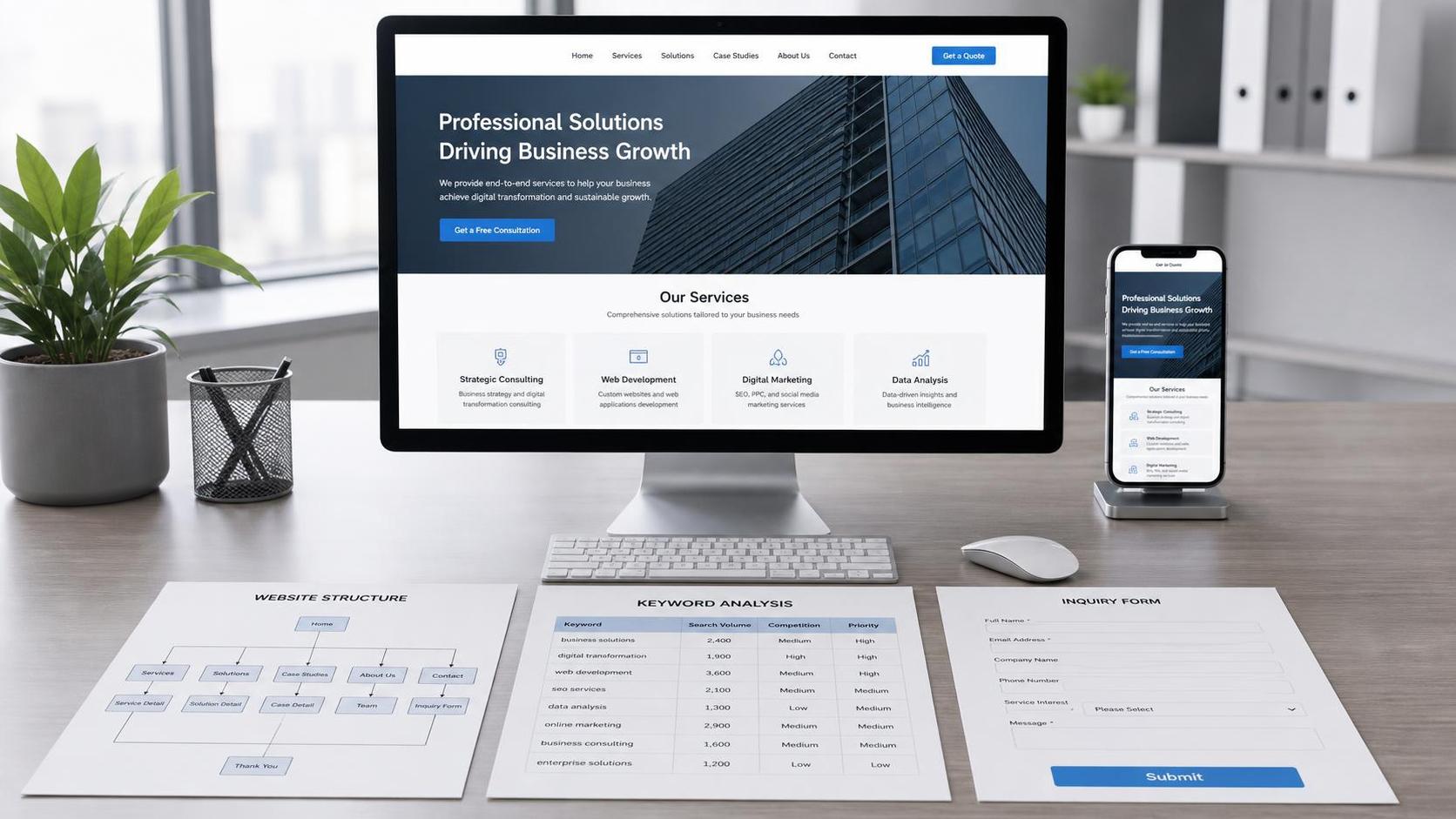
Related Products
 EasyCamp SaaS Smart Website Marketing SystemE-Yingbao SaaS Smart Website Marketing System: AI-powered, zero-code website building. Rapidly launch multilingual independent e-commerce sites in just 10 minutes. Global server acceleration and AI-driven SEO optimization empower businesses to efficiently connect with global markets. The seamless integration of technology and user-friendly operation makes building e-commerce sites incredibly simple.
 AI+SEM Intelligent Advertising Marketing SystemAI+SEM drives intelligent ad creation, empowering full-funnel precision advertising marketing. The system automatically generates weekly/monthly reports, AI recommends keywords and target countries, monitors core metrics in real-time with intelligent alerts, and enables one-click high-conversion ad solutions to help quickly acquire customers and improve ROI.
 AI+SEO Dual Engine Optimization ServiceEasyWin AI+SEO Dual Engine Optimization System leverages AI-powered keyword mining, content generation, and comprehensive technical optimization to help foreign trade enterprises acquire high-quality organic traffic, significantly improving search rankings and conversion rates.
 AI+SNS Social Media Marketing SystemYingbao AI+SNS Social Media Marketing System - Precision social capture for the social media era. Supports one-click content synchronization across major platforms like Facebook and LinkedIn. AI intelligently rewrites posts for enhanced relevance. 24/7 AI customer service and user profiling analysis empower businesses to efficiently expand into global markets.
 AI+SEO营销解决方案易营宝AI+SEO营销解决方案,通过AI批量写作、智能生成TDK、精准关键词扩词等功能,全面优化网站SEO效果,提升流量与转化率。助力企业构建高效智能网站新生态。
 AI+SEM Advertising Marketing SolutionsAI+SEM Advertising Marketing Solution leverages AI technology to deeply empower SEM ad campaigns. It automatically generates weekly/monthly reports using AI, presenting account data across multiple dimensions for comprehensive insights into campaign performance and trends. The system precisely recommends keywords and target countries, intelligently generates high-conversion ad copy, and enables one-click activation of efficient campaign plans to help businesses rapidly acquire customers. Simultaneously, it monitors core metrics in real time, intelligently identifies abnormal fluctuations, and issues timely alerts to ensure stable, high-return advertising results.
 Domain Name ServicesEasyWin provides professional domain name services, including intelligent queries, one-stop registration, brand protection, and full lifecycle management, helping businesses build a digital brand image.
 EasyOperate B2C Cross-Border E-Commerce Platform & Independent WebsiteEasyStore B2C Cross-border E-commerce Independent Store is an intelligent website building and cross-border e-commerce integrated solution independently developed by EasyStore Information Technology (Beijing) Co., Ltd. The system is specially designed for small and medium-sized as well as large export enterprises, integrating 'website building, operation, marketing, advertising, and conversion' into one, helping enterprises quickly establish cross-border e-commerce independent stores to achieve brand globalization and global sales growth.
The platform supports multiple languages, multiple currencies, and multi-channel marketing, with built-in AI intelligent translation and SEO optimization systems, suitable for mainstream markets such as Southeast Asia, Europe and America, Latin America, and the Middle East, assisting Chinese manufacturing enterprises in efficiently deploying international e-commerce strategies. SSL证书易营宝提供专业SSL安全证书服务,包括单域名和泛域名证书,确保网站数据传输加密、身份验证和完整性保护,助力企业建立安全可信的在线业务环境。









