For an increasing number of foreign trade enterprises, "having your own website" is no longer a matter of face but rather one of customer acquisition efficiency, brand value, and channel control.
This article systematically outlines the significance, path selection, key elements, and risk avoidance of building a foreign trade website from a practical perspective, helping business owners and cross-border managers plan their independent foreign trade sites with a feasible approach.
1. What is a Foreign Trade Website? Why is it Particularly Important Now?
1.1 Simple Definitions of Foreign Trade Website and Independent Foreign Trade Site
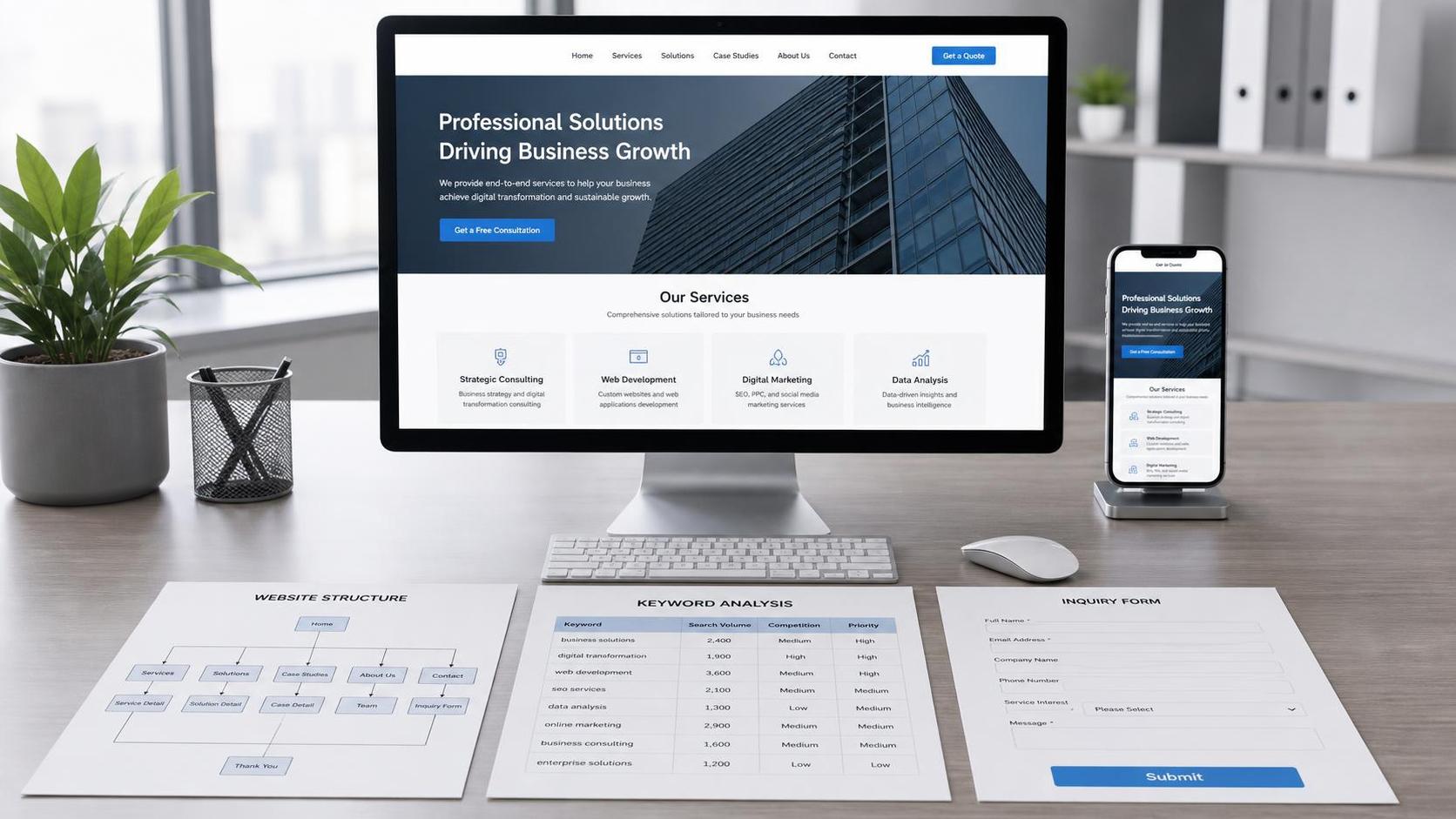
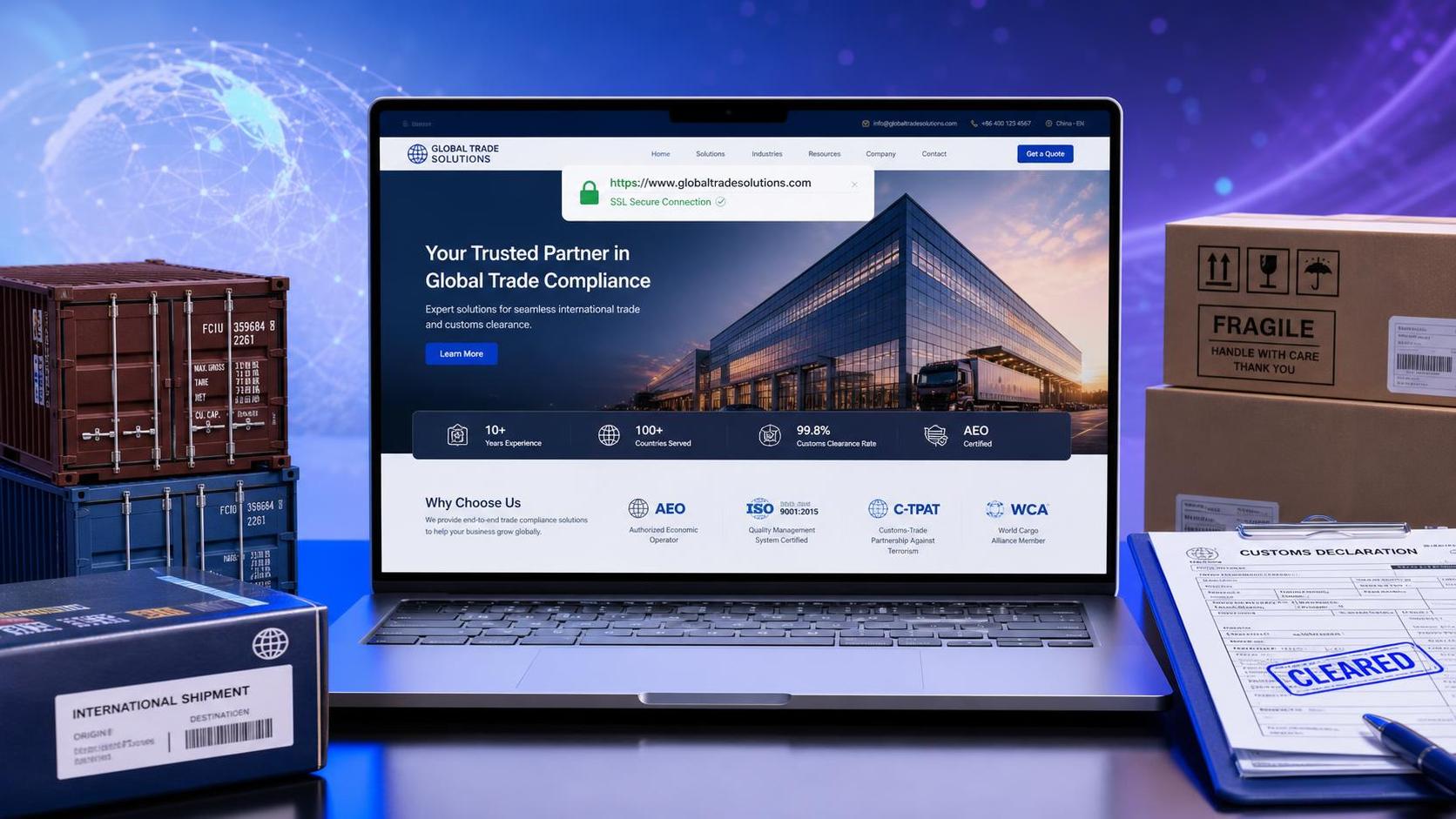
A "foreign trade website" essentially refers to creating an independent official website or e-commerce platform for a foreign trade enterprise in overseas markets, targeting potential buyers. It showcases the company's capabilities, product strengths, and captures traffic from search engines, social media, ads, and referrals.
Unlike third-party platforms like Alibaba, Amazon, or Made-in-China, independent foreign trade sites have distinct features:
- Domain ownership strengthens brand recall;
- Fully customizable structure, content, and conversion paths tailored to business needs;
- Customer data resides in the company's system, enabling repeat purchases and remarketing;
- No rigid constraints from platform rules or algorithmic changes.
1.2 Platform-Only vs. Platform + Independent Site
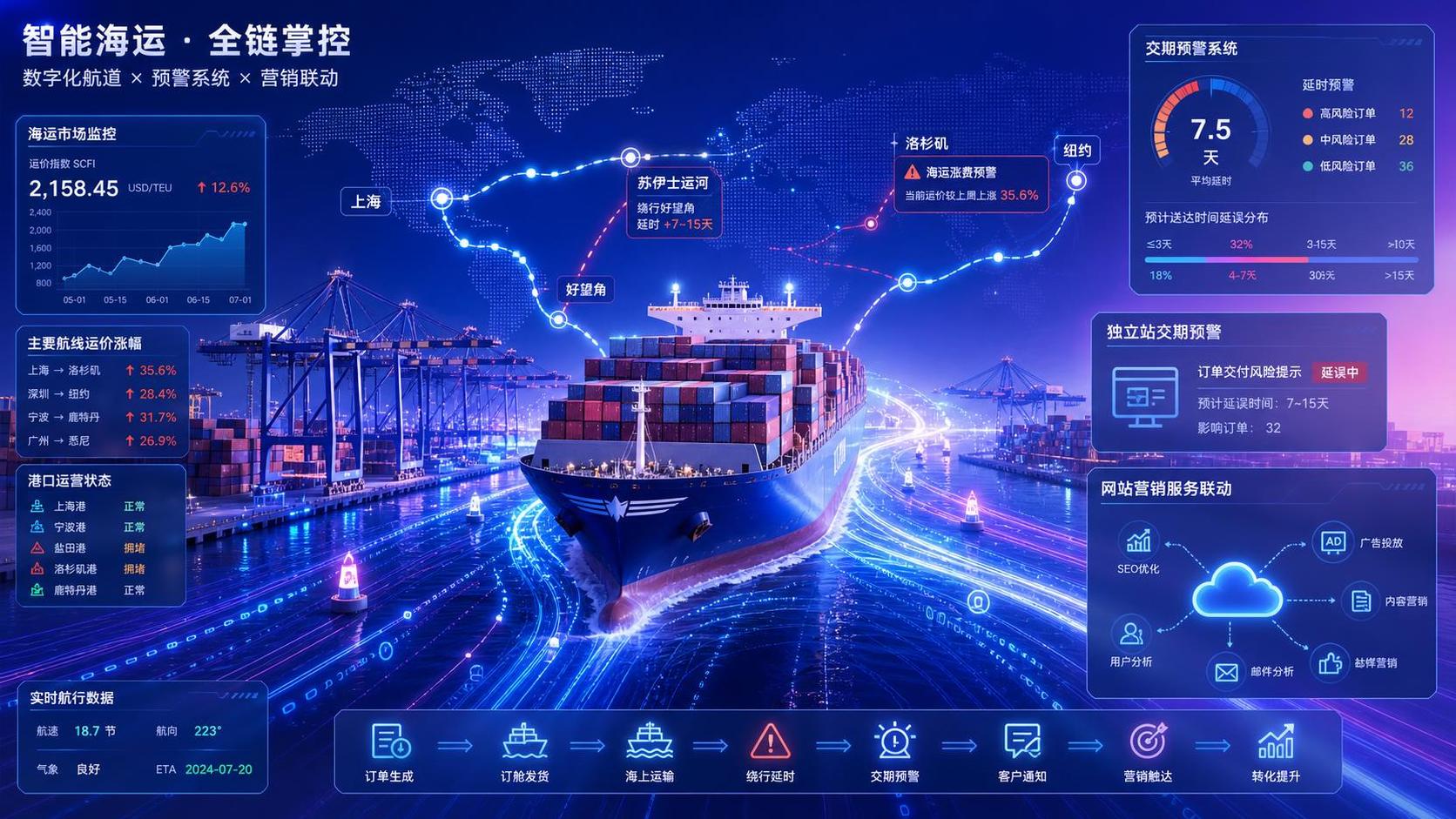
Many traditional foreign trade enterprises have long relied on a single platform (e.g., Alibaba, Global Sources). However, recent trends show rising platform costs, frequent rule changes, and higher buyer trust thresholds for brands.
In this context, a "dual-drive" strategy combining platforms with independent sites is gaining traction:
- Platforms handle initial exposure to boost inquiries;
- Independent sites focus on brand storytelling, deep engagement, and complex solution displays;
- Buyers often research brands/companies post-platform contact via independent sites.
1.3 The Necessity of Foreign Trade Websites in Current Conditions
Industry trends highlight shared challenges:
- Rising customer acquisition costs: Platform bidding and ad inflation increase per-lead costs;
- Platform unpredictability: Account weights, ranking rules, and policy shifts threaten stability;
- Buyer transparency: Overseas buyers "Google" suppliers via official sites/social media;
- Branding imperative: Trust directly impacts order quality and margins.
Thus, independent sites have evolved from "optional" to "essential infrastructure", determining long-term market presence.
2. Why Foreign Trade Enterprises Need Independent Sites Beyond Platforms
2.1 Brand Presence: From Visibility to Memorability
Platforms generate exposure, but buyers often perceive vendors as "one among many." Independent sites serve as brand hubs, systematically presenting company narratives, product advantages, solutions, and case studies to differentiate.
2.2 Channel Control: Reducing Platform Dependency
Relying solely on platforms surrenders "online lifelines" to external algorithms. Risks include traffic allocation changes, compliance upgrades, or account penalties—all potentially disruptive.
Independent sites aggregate multi-channel traffic (search, social, ads, referrals), enhancing diversification and risk resilience.
2.3 Long-Term Acquisition Costs: Buying vs. Nurturing Traffic
Platform ads yield one-time traffic requiring continuous payment. Independent sites cultivate organic/low-cost traffic via content, SEO, and multilingual branding.
For long-term market players, independent sites represent transitioning from "renting" to "owning" digital real estate, reducing lifetime acquisition costs.
2.4 Customer Data: Foundation for Repeat Business
Integrated with CRM/email/WhatsApp, independent sites enable:
- Inquiry forms → auto-pooling → sales allocation;
- Client portals for customized resources;
- Regular updates to maintain relationships.
These are hard to achieve solely via third-party platforms.

3. Comparing Three Main Foreign Trade Website Development Paths
3.1 Pros and Cons Overview
3.2 Custom Development by Outsourcing Firms
Traditional custom development involves UI/UX design, server/domain setup per requirements.
Pros:
- High customization flexibility;
- Some firms offer photography/copywriting/branding add-ons.
Cons:
- High upfront/ongoing maintenance costs;
- Variable code quality complicates handovers;
- Limited multilingual/SEO/GEO support.
3.3 In-House Development Teams
Suitable for large enterprises with complex needs.
Pros:
- Full technical control for deep customization;
- Tighter ERP/CRM integration.
Challenges:
- High recruitment/management costs;
- Ongoing R&D/security expenses;
- Not all firms are "software-product" ready.
3.4 SaaS Website Builders
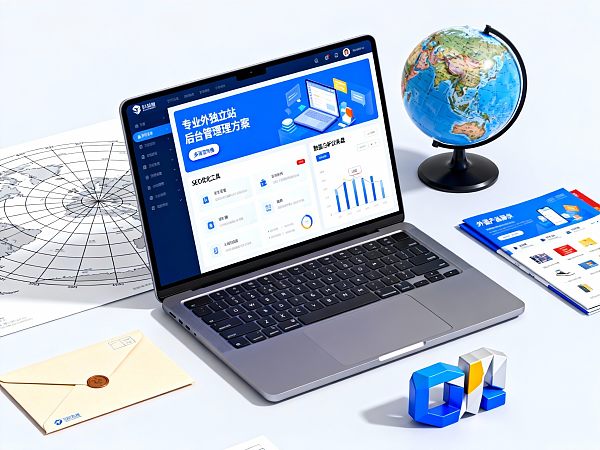
Emerging as a mainstream option, SaaS platforms like EasyYun offer:
- Drag-and-drop templates;
- Multilingual/multi-currency/CDN support;
- Built-in SEO/GEO tools (URLs, sitemaps, structured data);
- Continuous platform updates.
For SMEs balancing cost/speed/optimization, SaaS builders offer superior cost-effectiveness.
4. Key Considerations Before Building a Foreign Trade Website
4.1 Defining Target Markets
Markets dictate language, time zones, server locations, and content focus. Examples:
- Europe/North America: English sites, GDPR/Google compliance;
- Latin America: Spanish/Portuguese, local payment methods;
- Middle East/Africa: Deeper localization needed.
4.2 Buyer Personas
Tailor content to:
- Brands: Quality systems, R&D capabilities;
- Traders: Pricing, delivery flexibility;
- End-users: Usage scenarios.
4.3 Defining Website Objectives
Common goals:
- High-quality inquiries;
- Brand elevation for sales teams;
- Ad/social traffic conversion;
- Client self-service portals.
4.4 Assigning Ongoing Maintenance
Websites require continuous updates. Clarify:
- Content updaters;
- Performance optimizers;
- External support providers.
5. Critical Elements: Multilingual, Speed, Compliance, and SEO/GEO
5.1 Multilingual Strategy: Beyond Translation
Effective multilingual sites consider:
- URL structures (subdirectories/subdomains);
- Human-translated, industry-aware content;
- Market-specific pricing/contact methods.
5.2 Global Loading Speed
Speed impacts SEO and AI judgments. Recommendations:
- Global CDN/multi-node acceleration;
- Optimized above-the-fold content;
- Compressed images/lazy loading.
5.3 Compliance Essentials
For EU/US markets:
- Clear privacy policy/TOS pages;
- Cookie consent mechanisms;
- Encrypted data submissions.
5.4 Conversion Path Design
Prioritize:
- Prominent "Get a Quote" buttons;
- Product/solution page CTAs;
- Clear next-step guidance.
5.5 SEO/GEO Synergy
Optimize for both traditional and generative AI search:
- Customizable metadata;
- Structured data (FAQs, product info);
- Q&A-style content for AI extraction;
- High-quality thematic pages.
6. Common Pitfalls and Risk Mitigation
6.1 Over-Designing at the Expense of Speed
Excessive visuals slow loading—few buyers wait beyond seconds. Mobile optimization is equally critical.
6.2 Copying Domestic Website Structures
Overseas buyers care more about problem-solving, reliability, and case studies than corporate profiles.
6.3 English-Only Limitations
While English suffices early on, non-English markets (e.g., Latin America, Middle East) require local languages for trust-building.
6.4 Treating Websites as Digital Brochures
Sites without clear inquiry paths, downloadable resources, or CTAs rarely drive real business growth.
6.5 One-Off Development Without Maintenance
Stale content (products, certifications, events) creates "abandoned" impressions. Plan for ongoing updates from day one.
7. Evaluating Foreign Trade Website Solutions
Use this scoring framework:
8. Why Consider SaaS Website Builders
For SMEs, SaaS platforms like EasyYun offer:
- Drag-and-drop simplicity;
- Pre-built industry templates;
- Global CDN acceleration;
- Integrated SEO/GEO tools;
- Seamless CRM/WhatsApp/email integration.
Choose based on budget, team capabilities, and scalability needs.
9. Key Takeaways
- Independent sites provide controlled online footholds for traffic, branding, and client retention;
- Platforms and independent sites complement each other;
- Prioritize multilingual support, compliance, and conversion optimization;
- SaaS builders lower barriers for SMEs;
- Ongoing content/optimization is crucial.
10. FAQ
- When should foreign trade enterprises build independent sites?
- Once product lines stabilize and target markets emerge—especially as platform costs rise and buyers research brands.
- Typical budget range?
- SaaS: Annual fees + domains + minor design. Custom: $10K-$100K+, with ongoing costs.
- Necessary if already successful on platforms?
- Yes—independent sites enhance pricing power and long-term cost efficiency.
- Feasible without technical teams?
- Yes, via SaaS builders focusing on content over code.
- Post-launch priorities?
- 1) Complete core product/solution pages; 2) Test inquiry paths; 3) Produce SEO-optimized content.