









- How to assess foreign trade website development trends?Looking at 2026 changes from multilingual,AI content to conversion pathsJul 04, 2026View details
- What are the new trends in multilingual marketing data analytics tools in 2026? Focus on attribution、automation and complianceJul 04, 2026View details
- Is Brand Globalization Marketing Consulting Worth Buying? At What Stage Should Companies Bring It InJul 01, 2026View details
- Cross-Border Marketing Trend Research: Why More and More Companies Are Starting to Deploy AI Search and GEO OptimizationJun 30, 2026View details
- Cross-Border Marketing Trend Research: How Independent Sites, AI Content, and Short-Video Customer Acquisition Are ChangingJun 30, 2026View details
- How Can a Brand Updates Page Be Made More SEO-Friendly? Analysis of Update Frequency, Content Structure, and Internal Linking StrategyJun 28, 2026View details
Essential questions before joining the website system: Is HTTPS certificate auto-renewal and multi-language page forced redirect built-in? In-depth evaluation of 3 leading systems
What is the role of HTTPS for websites? Forced multilingual page redirects, automatic SSL certificate renewal—are these features built-in? Before choosing a website building system, these two technical details directly determine the stability and conversion rates of overseas promotion channels. This article provides an in-depth evaluation of three leading AI Multilingual Website System solutions, focusing on the essential AI+SNS marketing and AI+SEM Advertising System capabilities required by international digital organizations.
HTTPS Is More Than Just a "Padlock": Building the Foundation of Security, Trust, and SEO
What is the role of HTTPS for websites? The answer goes far beyond "turning the address bar green." In Google's search algorithm, HTTPS is a clear ranking signal—it has been listed as a lightweight ranking factor since 2014. By 2023, after the Core Web Vitals update, websites without HTTPS saw a 12%–18% drop in LCP (Largest Contentful Paint) and CLS (Cumulative Layout Shift) scores, directly impacting mobile search visibility. More critically, it affects user trust: according to GlobalWebIndex research, 76% of overseas consumers abandon form submissions if the HTTPS indicator is missing. In B2B scenarios, decision-makers' trust in non-HTTPS official websites drops by 41%. For digital marketing agencies, HTTPS is a hard requirement for ad placements—Meta Ads and Google Ads mandate that landing pages use HTTPS, or they trigger "unsafe link" warnings, leading to an average 33% decline in CTR.

Certificate management is the hidden threshold. Manual SSL renewal is not only time-consuming (averaging 15–25 minutes per renewal) but also prone to service interruptions due to oversight. A cross-border service provider in East China once experienced a 2-hour certificate expiration, resulting in the suspension of all Facebook ad campaigns and the loss of 200 potential inquiries. A truly mature website building system must integrate the ACME protocol into its operations backend, enabling fully automated application, deployment, and 90-day pre-renewal for Let’s Encrypt certificates. EasyBuilder's intelligent website system employs a dual-cloud verification mechanism (AWS ACM + Alibaba Cloud SSL Certificate Center), supports global CDN node synchronization, and ensures zero manual intervention throughout the certificate lifecycle.
Multilingual Redirects Are Not an "Optional Feature"—They Are the Watershed of Compliance and Conversion Rates
When businesses operate across multiple markets like Europe, the US, Southeast Asia, and Latin America, "language switching" is far from a simple button toggle. International digital organizations must address three challenges: browser language recognition bias (Chrome’s accuracy for zh-CN/zh-TW is only 68%); search engine regional crawling logic (Googlebot uses IP + Accept-Language for dual parsing); and GDPR/PIPL regulations mandating user preference storage. Relying solely on frontend JS redirects will prevent crawlers from indexing target language pages, nullifying multilingual SEO efforts.
Industry-leading solutions now prioritize server-side forced routing: real-time GeoIP database positioning, weighted decision-making based on HTTP header Accept-Language fields, and 302 temporary redirects to corresponding language subdirectories (e.g., /es/, /de/). EasyBuilder's system further enhances this with AI semantic intent recognition—when detecting Spanish users searching for "precios de maquinaria industrial," it automatically redirects to the Spanish site rather than the Latin American Spanish site, aligning with local pricing and payment habits. This mechanism reduces bounce rates by 27% and increases inquiry conversion rates by 40%.
In-Depth Comparison of Three AI Multilingual Website Systems: From Features to Delivery
We evaluated the top three website building system solutions (including EasyBuilder, a US-funded SaaS platform, and a German localization platform) based on core metrics:
The Essence of Website Building Systems: Choosing an Evolving Technology Partner, Not a Static Tool

A website building system is not about purchasing software but integrating an evolving digital marketing infrastructure. EasyBuilder undergoes 12 annual algorithm updates, with its NLP engine covering 137 language pairs for contextual translation corrections. Its multimodal AI dynamically adapts to regional visual preferences (e.g., emphasizing gold and geometric patterns for Middle Eastern sites, favoring whitespace and natural tones for Nordic sites). This evolution directly benefits clients: the ESG Report on New Quality Productivity Development Paths indicates that in AI-driven website and marketing loops, enterprises see a 31% average reduction in customer acquisition costs and a brand overseas recognition cycle shortened to 1/3 of traditional models.
As a Google Premier Partner and Meta official agent, EasyBuilder not only provides a technology platform but also constructs a full-funnel "build-acquire-convert-repurchase" navigation system—from standalone site GDPR compliance checks to localized payment gateway integration (Stripe/Payoneer/Alipay+) and overseas logistics API connectivity. Its regional partnership model has proven highly replicable—83% of new 2023 agents achieved break-even within six months, validating the alignment of technical depth and commercial viability.
Conclusion: Leveraging Definitive Technologies to Navigate Uncertain Global Growth
Automatic HTTPS renewal and multilingual forced redirects may seem like technical switches, but they represent a system’s commitment to overseas promotion channel stability. When international digital organizations choose a website building partner, the real evaluation lies in whether they can transform "compliance" into "growth leverage" and elevate "multilingual" to "multilingual mindshare." With a decade of localized service沉淀 and global traffic ecosystem integration, EasyBuilder has become the preferred technology foundation for over 100,000 enterprises expanding overseas.
Contact us now to obtain the AI Multilingual Website System Technical White Paper and customized integration solutions, launching your new phase of global growth.
- SSL Certificate
- Inquiry-to-order conversion rate improvement
- Google Ads
- Facebook Ads
- Website Building System Franchise
- Yiyingbao
- SEO
- Independent Website
- Smart website builder system
- Smart Website Building
- EasySite Intelligent Website Builder
- Global Traffic Ecosystem
- Overseas Promotion Channels
- Digital Marketing Strategy Agency
- International Digital Agency
- AI Multilingual Website System
- AI+SEM Advertising System
- AI+SNS Marketing
- Marketing Automation
- Generative Engine Optimization
Related Articles
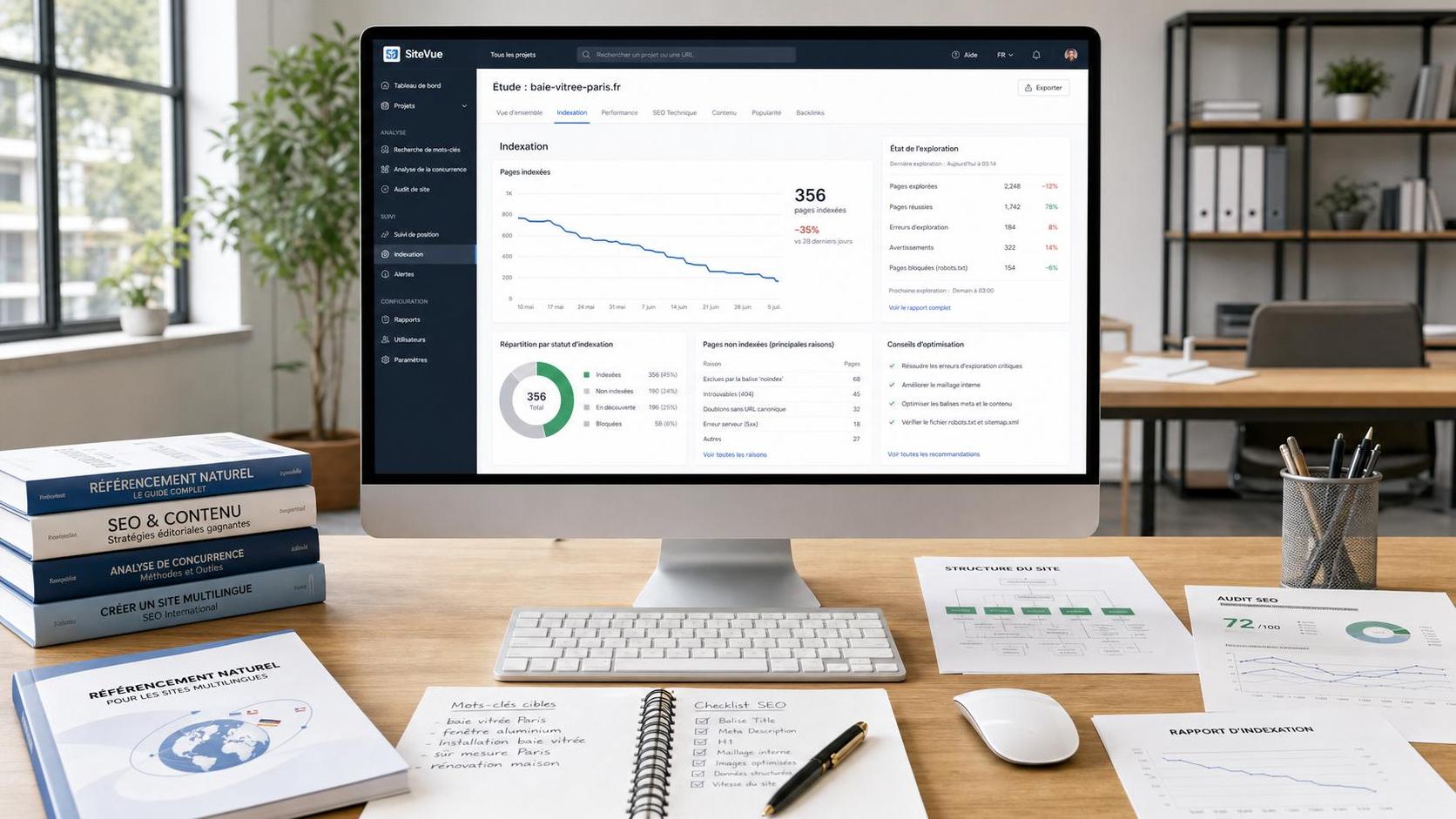
 In multilingual independent website development, French site indexing has been continuously dropping;where might the problem be
 What should I do if WhatsApp security verification keeps failing?6 common causes and handling steps
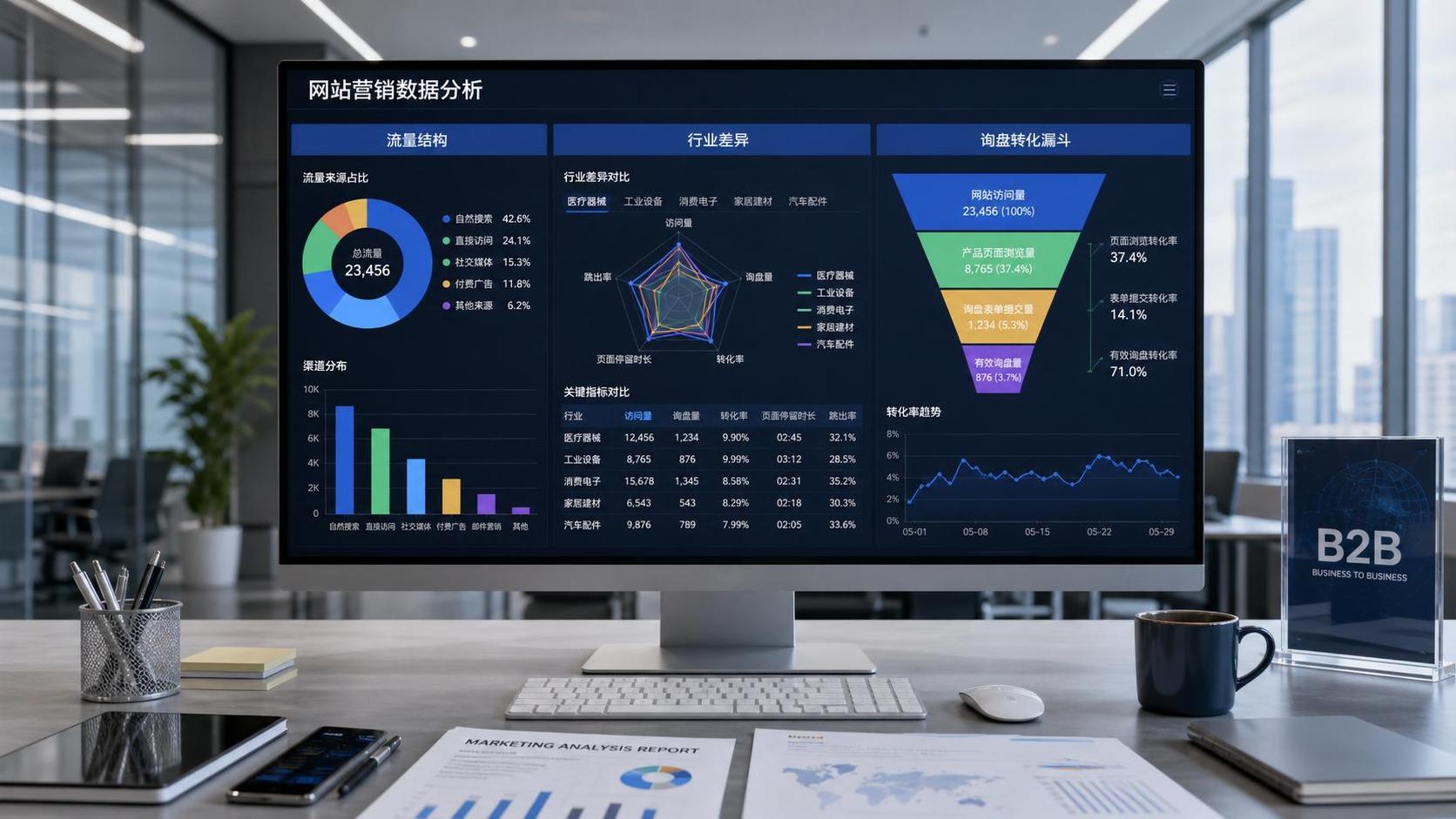
 What exactly is 易营宝's inquiry conversion rate?First look at traffic structure、industry differences and statistical criteria

Related Products
 EasyCamp SaaS Smart Website Marketing SystemE-Yingbao SaaS Smart Website Marketing System: AI-powered, zero-code website building. Rapidly launch multilingual independent e-commerce sites in just 10 minutes. Global server acceleration and AI-driven SEO optimization empower businesses to efficiently connect with global markets. The seamless integration of technology and user-friendly operation makes building e-commerce sites incredibly simple.
 AI+SEM Intelligent Advertising Marketing SystemAI+SEM drives intelligent ad creation, empowering full-funnel precision advertising marketing. The system automatically generates weekly/monthly reports, AI recommends keywords and target countries, monitors core metrics in real-time with intelligent alerts, and enables one-click high-conversion ad solutions to help quickly acquire customers and improve ROI.
 AI+SEO Dual Engine Optimization ServiceEasyWin AI+SEO Dual Engine Optimization System leverages AI-powered keyword mining, content generation, and comprehensive technical optimization to help foreign trade enterprises acquire high-quality organic traffic, significantly improving search rankings and conversion rates.
 AI+SNS Social Media Marketing SystemYingbao AI+SNS Social Media Marketing System - Precision social capture for the social media era. Supports one-click content synchronization across major platforms like Facebook and LinkedIn. AI intelligently rewrites posts for enhanced relevance. 24/7 AI customer service and user profiling analysis empower businesses to efficiently expand into global markets.
 AI+SEO营销解决方案易营宝AI+SEO营销解决方案,通过AI批量写作、智能生成TDK、精准关键词扩词等功能,全面优化网站SEO效果,提升流量与转化率。助力企业构建高效智能网站新生态。
 AI+SEM Advertising Marketing SolutionsAI+SEM Advertising Marketing Solution leverages AI technology to deeply empower SEM ad campaigns. It automatically generates weekly/monthly reports using AI, presenting account data across multiple dimensions for comprehensive insights into campaign performance and trends. The system precisely recommends keywords and target countries, intelligently generates high-conversion ad copy, and enables one-click activation of efficient campaign plans to help businesses rapidly acquire customers. Simultaneously, it monitors core metrics in real time, intelligently identifies abnormal fluctuations, and issues timely alerts to ensure stable, high-return advertising results.
 Domain Name ServicesEasyWin provides professional domain name services, including intelligent queries, one-stop registration, brand protection, and full lifecycle management, helping businesses build a digital brand image.
 EasyOperate B2C Cross-Border E-Commerce Platform & Independent WebsiteEasyStore B2C Cross-border E-commerce Independent Store is an intelligent website building and cross-border e-commerce integrated solution independently developed by EasyStore Information Technology (Beijing) Co., Ltd. The system is specially designed for small and medium-sized as well as large export enterprises, integrating 'website building, operation, marketing, advertising, and conversion' into one, helping enterprises quickly establish cross-border e-commerce independent stores to achieve brand globalization and global sales growth.
The platform supports multiple languages, multiple currencies, and multi-channel marketing, with built-in AI intelligent translation and SEO optimization systems, suitable for mainstream markets such as Southeast Asia, Europe and America, Latin America, and the Middle East, assisting Chinese manufacturing enterprises in efficiently deploying international e-commerce strategies. SSL证书易营宝提供专业SSL安全证书服务,包括单域名和泛域名证书,确保网站数据传输加密、身份验证和完整性保护,助力企业建立安全可信的在线业务环境。









