- Does EasyAd's advertising performance have guarantees? How does the service mechanism work?2026-01-18View details
- Is the cost of using AI advertising smart manager high? How to calculate the budget more reasonably2026-01-18View details
- How to implement multilingual advertising optimization solutions in the general internet industry2026-01-18View details
- Is EasyAd AI Advertising Smart Manager easy to use? Is it suitable for general internet service companies?2026-01-19View details
- Which company provides the best multilingual website construction services for foreign trade? How should companies of different scales choose suppliers2026-01-17View details
- What is the role of HTTPS for websites? Why is the decision-making level increasingly emphasizing digital trust systems2026-01-15View details
- What is Global CDN Acceleration? Key Considerations for Enterprise Selection from Architecture to Cost2026-01-16View details
- What are the low-cost customer acquisition solutions suitable for SMEs? The practical path of integrating search and social media2026-01-17View details
Cost Comparison: Self-Build vs. SaaS Website Platform for Multilingual Website Setup - Side-by-Side Comparison
Introduction
Cost comparison: Building a multilingual website using self-built or SaaS platforms helps you evaluate investment, performance, and operational advantages, quickly determining the optimal solution. This article targets operational staff, business evaluators, and corporate decision-makers, systematically addressing: What is a multilingual website? Why should businesses create multilingual websites? How do multilingual websites assist in foreign trade? How to build a multilingual website? Combining practical costs and risks, it provides actionable procurement and implementation recommendations, aiming to help project managers and maintenance teams quickly develop executable checklists for distributors and agents to assess business feasibility while meeting compliance and security management requirements.
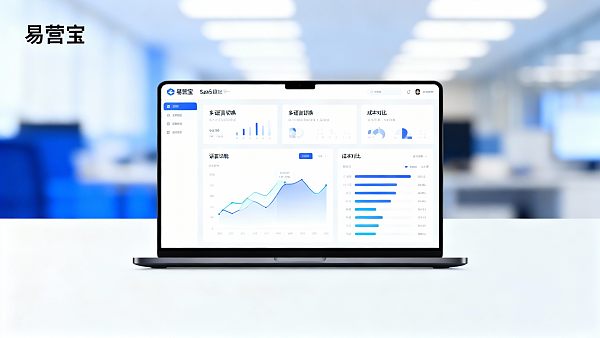
Definition and Overview
What is a multilingual website? A multilingual website refers to a site under the same brand domain (or multiple domains) that provides localized content and services for users of different languages or regions. It goes beyond machine-translated text switching, emphasizing cultural localization, user experience, local payment, and compliance, offering full-chain support. Why should businesses create multilingual websites? Reasons include accessing overseas markets, increasing search coverage, improving conversion rates, and building global brand recognition. How do multilingual websites assist in foreign trade? Primary benefits include significantly boosting organic search visibility, reducing language barriers, and enhancing search engine friendliness through localized pages and structured data—effects particularly evident in cross-border e-commerce operations. Additionally, connecting to local servers and CDNs optimizes site speed and performance, improving user retention and conversion. Implementation paths include self-development or mature SaaS platforms, with choices balanced based on project scale and long-term operational capabilities.
Industry Background and Market Analysis
Market environment: The shift from traffic purchasing to long-term brand operations is underway. Cross-border demand no longer relies on single platforms; search and social media have become stable customer sources, making multilingual marketing systems essential infrastructure for global expansion. Industry observations show that AI-driven smart site-building and AI keyword expansion can quickly cover target languages early on, reducing localization costs. For manufacturing and e-commerce sectors, decision-makers prioritize deployment cycles and stability, while compliance officers focus on data leak prevention and regulatory adherence, including ICP filing and local data storage compliance. For filing and compliance, professional services (e.g., domestic ICP filing support) shorten approval cycles with pre-review and annual audit support, mitigating legal and operational risks while ensuring launch timelines align with campaign schedules.
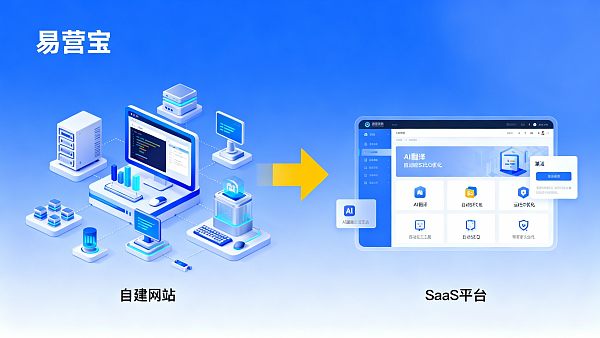
Comparative Analysis: Self-Built vs. SaaS Platforms
Technical performance, cost, and maintainability differ significantly between self-built and SaaS solutions. Self-built advantages include high controllability, customizable complex workflows, deeper security strategies, and integrations, but costs concentrate on initial R&D, staffing, ongoing maintenance, and long-term multilingual content production. Hidden costs include server upkeep, CDN tuning, security hardening, and translation review workflows. SaaS platforms excel in rapid deployment, reusable multilingual marketing systems, AI translation engines, and automated TDK generation, drastically reducing content production costs. SaaS typically charges by subscription or per site, benefiting SMEs and agile projects. Performance-wise, mature SaaS with global nodes, CDNs, and auto-SSL ensures stable page load speeds and SEO scores. Yishengbao’s smart site-building system covers seven continents with server clusters, claiming to boost independent site speeds by 40% and SEO scores by 35%. These platforms also integrate AI ad managers and social automation to lower acquisition costs. Compared to self-built, SaaS offers superior short-term ROI. For data-sensitive industries requiring strict compliance, self-built or private deployments remain viable.
Technical Performance and Procurement Guidelines
Technical considerations include site speed, SEO friendliness, multilingual URL structures, Hreflang configuration, data security, backups, third-party integrations (e.g., payment gateways, logistics APIs), and AI translation engine editability. Procurement advice: First, assess target markets, prioritize languages, and forecast traffic. Determine if standalone servers or global CDNs are needed. Auto-SSL and DDoS protection are baseline requirements. For rapid expansion, choose SaaS supporting AI keyword expansion, automated TDK generation, and multilingual content batch management to scale output without heavy manpower. Clarify pricing models, SLA metrics, data migration, API openness, and post-sales response times. For compliance, leverage professional filing services to save time. Success cases show smart site-building with filing代理 can compress launch timelines from weeks to days.
Cost and Alternative Solutions: Practical Recommendations
Compare long-term total cost of ownership (TCO), including manpower, content production, ad acquisition, and tech maintenance. For cross-border e-commerce goals, prioritize SaaS platforms, using AI marketing engines and creative factories to reduce labor. Multi-channel traffic ecosystems close acquisition loops. Yishengbao’s all-in-one smart marketing platform cuts labor by 50%, boosts ad conversion by 200%, and provides AI-generated high-CTR creatives. For self-built needs, hybrid approaches are viable—core functions in-house, non-core (e.g., AI translation, TDK generation, social automation) outsourced to SaaS. Adopt phased budgeting, small-scale pilots, and incremental expansion by business priority to balance cost efficiency and risk control, reserving filing/compliance budgets. Consult filing experts pre-launch to clarify documentation, expedite approvals, and consider domestic ICP filing services for pre-review对接 to accelerate processes.
Client Cases and Trends
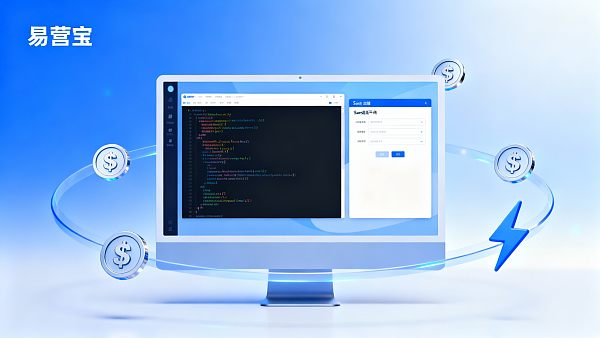
Case study: A mid-sized exporter using SaaS with AI keyword expansion and social automation achieved organic traffic growth in欧美 markets within three months, exceeding conversion targets while reducing PPC costs by 30%. Another education provider boosted local search rankings via localized pages and regional server部署. Trends: Multilingual sites will increasingly rely on AI and multimodal generation. SEO and content quality will dominate long-term traffic. Vendors with合规 and filing capabilities gain trust. Over the next three years, focus on platform iteration speed, algorithm interpretability, and data strategy. Strategically, prioritize user acquisition and conversion over technical stack complexity.
Common Pitfalls and FAQ
Pitfalls: Overestimating machine translation, underestimating domain/URL SEO impact, and neglecting filing/compliance delays. FAQs: How to start? First, define target languages and conduct keyword research. How to evaluate platforms? Key metrics: performance SLA and support responsiveness. We recommend small-scale pilots before multi-language expansion, with clear content update and security patch workflows for maintenance teams.
Why Choose Us? Contact Us
Why Yishengbao? Founded in 2013 and headquartered in Beijing, Yishengbao Information Technology is a global digital marketing services provider driven by AI and big data. With a decade of industry深耕, we innovate via tech and localization, offering smart site-building, SEO, social marketing, and ad solutions. We’ve helped 100,000+ enterprises achieve global growth. Recognized among China’s top SaaS firms, we boast proprietary AI algorithms, annual upgrades, and global CDN/security coverage. To evaluate self-built vs. SaaS cost efficiency, schedule定制 solutions, or obtain cross-border e-commerce strategies, contact us for industry-specific blueprints and project budgets. We provide quantifiable technical and business outputs for evaluators, end-users, distributors, and agents. Act now to minimize risks and maximize launch speed and conversions.
- Platform
- Social Media Marketing
- Campbell (name)
- SEO
- Independent site
- Intelligent website building system
- Smart Website
- AI Translation
- EasySite Intelligent Website Builder
- AI Marketing Engine
- Social Media Automation
- AI Translation Engine
- Multilingual website
- Global Digital Marketing
- cross-border e-commerce
- SaaS Website Platform
- Multilingual Marketing System
- Website Acceleration and Performance Optimization
- Cross-border e-commerce operation and promotion
Related Articles
 What are the multilingual foreign trade website SEO optimization services
 What is the approximate cost of building a marketing website? What are the main factors affecting the budget?
 Comparison of responsive self-service website system prices, are the differences between mainstream solutions in 2026 significant?

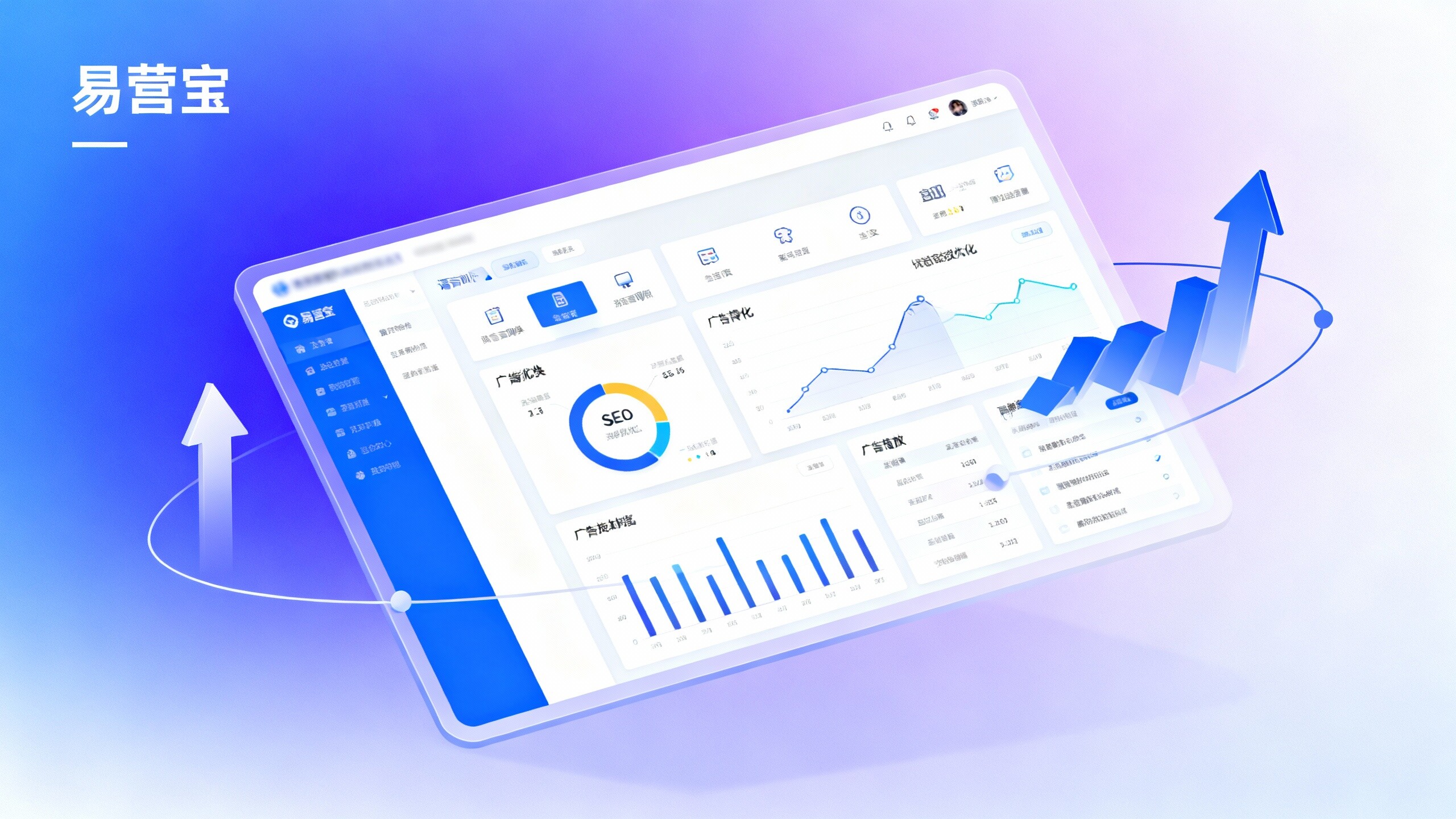

Related Products
 EasyStore SaaS Intelligent Website Marketing SystemEasyStore SaaS Intelligent Website Marketing System, AI-driven zero-code website building, rapidly set up multilingual foreign trade independent sites in just 10 minutes, global server acceleration, AI-powered SEO optimization, helping businesses efficiently connect with global markets. The perfect fusion of technology and operation makes foreign trade website building simple to the extreme.
 AI+SEM Intelligent Advertising Marketing SystemAI+SEM drives intelligent campaign creation, empowering full-funnel precision advertising marketing. The system automatically generates weekly/monthly reports, AI-recommends keywords and target countries, monitors core metrics in real-time with intelligent alerts, and enables one-click high-conversion campaign launches to accelerate lead acquisition and boost ROI.
 AI+SEO Dual-Engine System Optimization ServiceE-Yingbao AI+SEO Dual-Engine Optimization System leverages AI-powered keyword mining, content generation, and comprehensive technical optimization to help export-oriented enterprises capture high-quality organic traffic, significantly boosting search rankings and conversion rates.
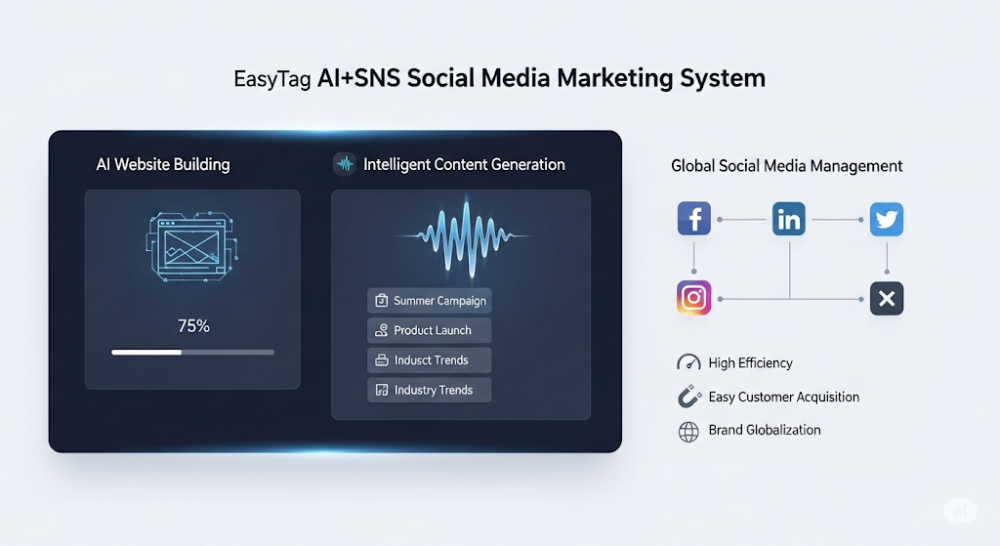
 AI + SNS Social Media Full Intelligence Marketing SystemEYBao AI+SNS Social Media All Intelligent Marketing System - Precise social capture in the era of social media, supporting one-click synchronization of content on mainstream platforms such as Facebook, LinkedIn, etc., AI intelligent rewriting of postings to enhance the degree of adaptability, 24/7 intelligent customer service and user profile analysis, helping enterprises to efficiently expand the global market.
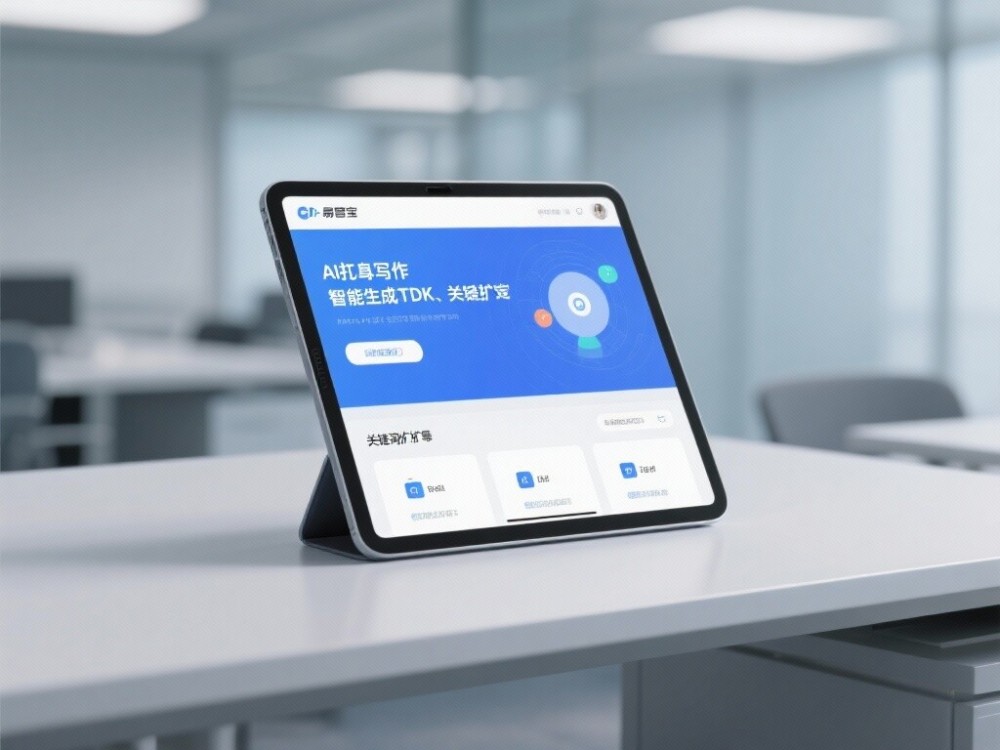
 AI+SEO Marketing SolutionEasyWin AI+SEO Marketing Solution leverages AI-powered batch content creation, intelligent TDK generation, and precise keyword expansion to comprehensively optimize website SEO performance, boosting traffic and conversion rates. Helps businesses build a highly efficient intelligent website ecosystem.
 AI+SEM Advertising & Marketing SolutionsAI+SEM advertising and marketing solution utilizes AI intelligent technology to deeply empower SEM advertising. Through AI intelligent generation of weekly/monthly reports, multi-dimensional presentation of account data, a comprehensive grasp of the effectiveness and trends of advertising, AI precise recommendation of keywords and countries, intelligent generation of high-conversion advertisement language, a key to start the efficient advertising program, helping enterprises to quickly acquire customers. At the same time, the system monitors the core indicators in real time, intelligently recognizes fluctuation abnormalities and warns them in time to ensure stable and high return of advertising effect.
 Domain Name ServicesEasy Operation provides professional domain services, including intelligent query, one-stop registration, brand protection, and full-cycle management, helping enterprises build a digital brand image.
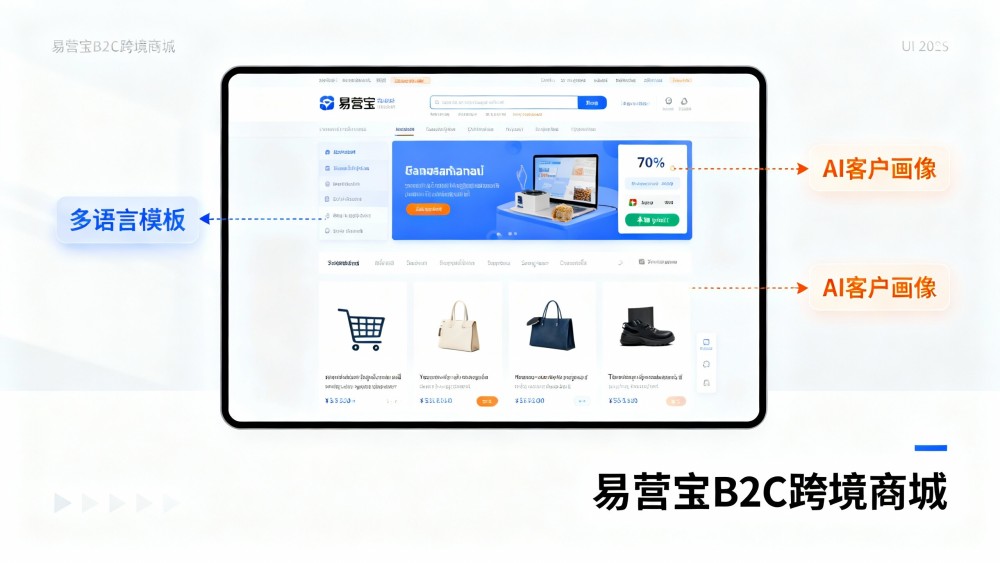
 EasyStore B2C Cross-border E-commerce Platform, Independent SiteEasyStore B2C Cross-border E-commerce Independent Store is an intelligent website building and cross-border e-commerce integrated solution independently developed by EasyStore Information Technology (Beijing) Co., Ltd. The system is specifically designed for small, medium, and large export enterprises, integrating 'website building, operation, marketing, advertising, and conversion' into one platform, helping businesses quickly establish cross-border e-commerce independent stores to achieve brand globalization and global sales growth.
The platform supports multiple languages, currencies, and multi-channel marketing, with built-in AI intelligent translation and SEO optimization systems, suitable for mainstream markets such as Southeast Asia, Europe & America, Latin America, and the Middle East, assisting Chinese manufacturing enterprises in efficiently deploying international e-commerce strategies. SSL CertificateEasyCert provides professional SSL security certificate services, including single-domain and wildcard certificates, ensuring encrypted data transmission, identity verification, and integrity protection for websites. This empowers businesses to establish secure and trustworthy online business environments.