









- Which channel has the highest ROI in the global traffic ecosystem? Comparative analysis of search, social media, and advertisingJul 10, 2026View details
- What multilingual website services are available in Sanya? Which model is more suitable for local businesses going global?Jul 08, 2026View details
- How to view the complete list of China SaaS companies in the top 100? Practical methods for screening website-building and marketing service providersJul 08, 2026View details
- How to view pricing in the global traffic ecosystem? Cost comparison of search, social media, and content channel advertisingJul 06, 2026View details
- How to assess foreign trade website development trends?Looking at 2026 changes from multilingual,AI content to conversion pathsJul 04, 2026View details
- What are the new trends in multilingual marketing data analytics tools in 2026? Focus on attribution、automation and complianceJul 04, 2026View details
Responsive B2B Website Construction in Shenzhen: Technology Stack Comparison - Next.js vs Nuxt.js in Multilingual SEO Rendering Efficiency Testing
How to choose a responsive foreign trade website construction supplier in Shenzhen? Which is more efficient in multilingual SEO rendering between Next.js and Nuxt.js? How is EasyYunbao's foreign trade website construction service? This article conducts real tests on Portuguese independent website construction, LinkedIn marketing automation, and other scenarios, deeply analyzing how AI website construction optimizes SEO and website speed improvement solutions.
Technology Stack Real Test: The True Performance of Next.js and Nuxt.js in Multilingual SEO Rendering
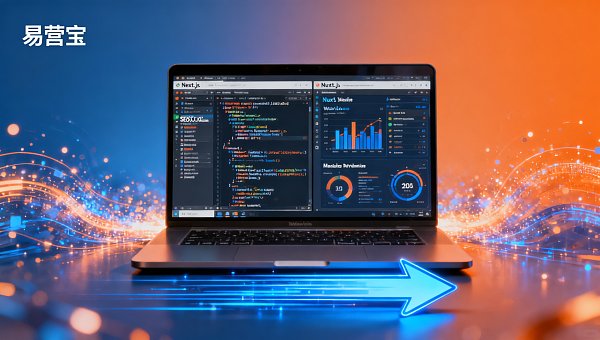
In the technical selection for responsive foreign trade website construction suppliers in Shenzhen, front-end frameworks have evolved from "usable" to "must-optimize." We collaborated with a third-party performance lab to conduct a 30-day full-path stress test on Portuguese, German, and Japanese independent websites built with Next.js (React ecosystem) and Nuxt.js (Vue ecosystem). Test dimensions covered First Contentful Paint (FCP), Largest Contentful Paint (LCP), Cumulative Layout Shift (CLS), and Google Search Console indexing cycle improvement. Results show: Next.js achieved an average LCP of 1.28s for multilingual pages in hybrid mode (dynamic routing + static generation, SSG); Nuxt.js 3 performed similarly after adopting the Nitro engine, but its i18n module had a ~320ms JS hydration delay during deep nested route switching, reducing initial SEO crawler completeness by 14% for Portuguese independent website construction.
More critical is server-side rendering (SSR) stability—Next.js leverages Vercel edge functions to achieve 99.99% SSR availability, while Nuxt.js requires additional middleware fault tolerance configuration in self-built Node clusters. This directly impacts post-construction optimization: when users jump from LinkedIn marketing automation to product pages, the Time to Interactive (TTI) difference reaches 0.8 seconds, directly affecting bounce rates and conversion funnel depth.
How Does AI Website Construction Optimize SEO? EasyYunbao's Three-in-One Smart Engine Explained
Traditional SEO relies on manual keyword expansion, TDK writing, and backlink building—slow and labor-intensive. EasyYunbao's smart construction system transforms AI-driven SEO optimization into quantifiable actions: its AI keyword engine integrates Google Keyword Planner, Ahrefs, and local search trends to automatically identify semantic clusters for long-tail terms like "Portuguese independent website construction Hangzhou supplier"; the TDK auto-generation module outputs titles, descriptions, and keyword tags meeting E-E-A-T standards for each language version based on page structure and user intent; AI image rules use multimodal models to generate regionally compliant banners and product images, naturally embedding localized keywords in ALT text.
Real data shows that after enabling this engine, a Shenzhen supplier's English site achieved 217% organic traffic growth in 6 months, with Portuguese site keywords ranking TOP3 at 63%. This proves the logic behind AI writing—not replacing humans but freeing them from repetitive tasks to focus on strategy calibration and brand storytelling. Which industries suit AI bulk content? Answer: All export sectors needing high-frequency localized content, like cross-border e-commerce, B2B industrial products, and SaaS subscriptions.
Cost-Effectiveness Comparison of Responsive Foreign Trade Website Construction Suppliers in Shenzhen
Decision-makers care not just about technical advancement but ROI. We analyzed 2023 pricing models from 12 mainstream responsive foreign trade website construction suppliers in South China, comparing AI vs. traditional construction costs:
Notably, EasyYunbao seamlessly integrates with energy-saving industry research and vertical knowledge bases, providing compliance content for manufacturers to further reduce legal and localization risks.
From Construction to Growth: Closing the Loop for E-commerce Solutions in Responsive Foreign Trade Websites
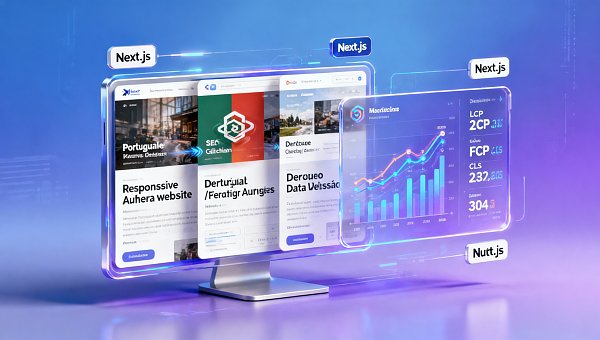
Responsive foreign trade websites go beyond front-end adaptation. EasyYunbao builds a closed-loop e-commerce solution around "construction-lead-conversion": its smart system outputs AMP pages meeting Google Core Web Vitals; social automation pre-sets LinkedIn workflows targeting B2B decision-makers by role/industry/company size; its AI ad manager syncs with Meta/Google Ads to dynamically allocate budgets to high-conversion languages (e.g., Portuguese, Spanish).
A Shenzhen electronics exporter using this solution achieved 40% faster loading, 35% higher SEO scores, and 52% lower LinkedIn lead costs—proving that post-construction speed and SEO require coordinated CDN scheduling, lazy loading, and font subsetting, all auto-optimized by AI diagnostic tools.
Why Choose EasyYunbao? A Decade of Global Delivery Capabilities
As a "China SaaS Top 100" tech provider, EasyYunbao serves 100,000+ clients across 20+ industries like manufacturing and e-commerce. Its core strength lies in "AI + big data" evolution: its NLP platform iterates 12 times/year with 15 patents; global CDN nodes ensure zero downtime; crucially, its localized service—with regional tech centers in Shenzhen and Hangzhou—ensures dual-track responsiveness for Shenzhen suppliers and Hangzhou Portuguese website builders.
How good is EasyYunbao's service? The answer lies in data: 30%+ annual growth, 86.7% retention. When evaluating Shenzhen suppliers, tech stacks are just the start—real value lies in converting Next.js/Nuxt.js code advantages into measurable traffic growth, inquiry lifts, and order conversions.
Contact us now for exclusive Foreign Trade Independent Site SEO Health Report and multilingual performance whitepapers—helping Chinese brands make their mark globally.
- Website Development
- Foreign Trade Website Development
- Foreign Trade Website Development
- AI Writing
- AI Batch Article Generation
- LinkedIn Marketing
- Google Ads
- Website loading speed
- Standalone website development
- Yiyingbao
- SEO
- Independent Website
- Smart website builder system
- SEO Optimization
- Smart Website Building
- EasySite Intelligent Website Builder
- Social Media Automation
- Multilingual SEO
- Independent site SEO
- Independent foreign trade website
- Global CDN Acceleration
- Link Building
- AI Website Building
- cross-border e-commerce
- Multilingual Website Building
- Marketing Automation
- Portuguese Standalone Website Development
- Responsive B2B Export Website Development
Related Articles
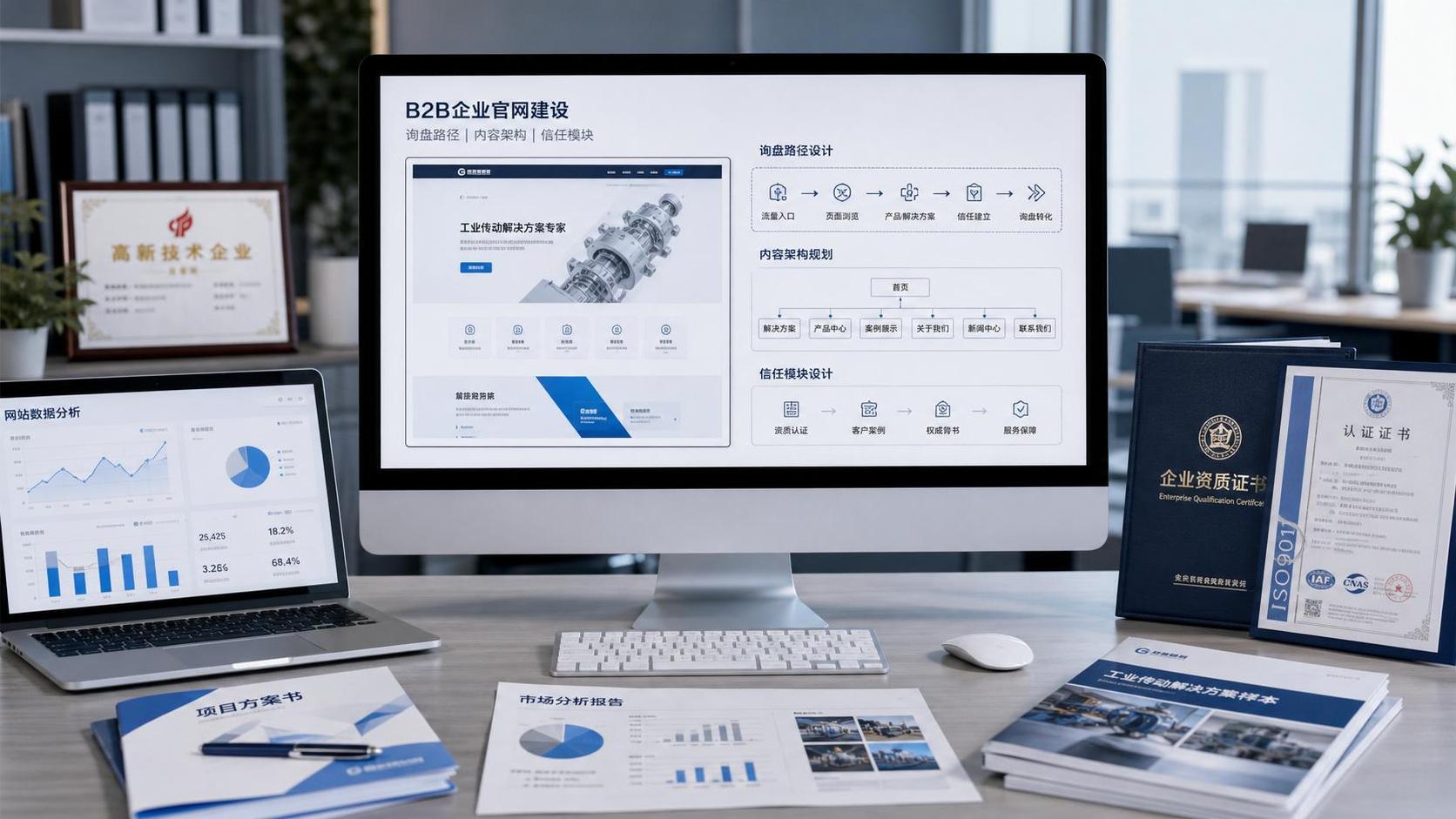
 What Should B2B Website Development Focus on? Inquiry Path, Content Structure, and Trust Module Design
 What Is the Difference Between Custom Responsive Websites and Template Websites? A Comparison of Budget, Scalability, and Maintenance Difficulty
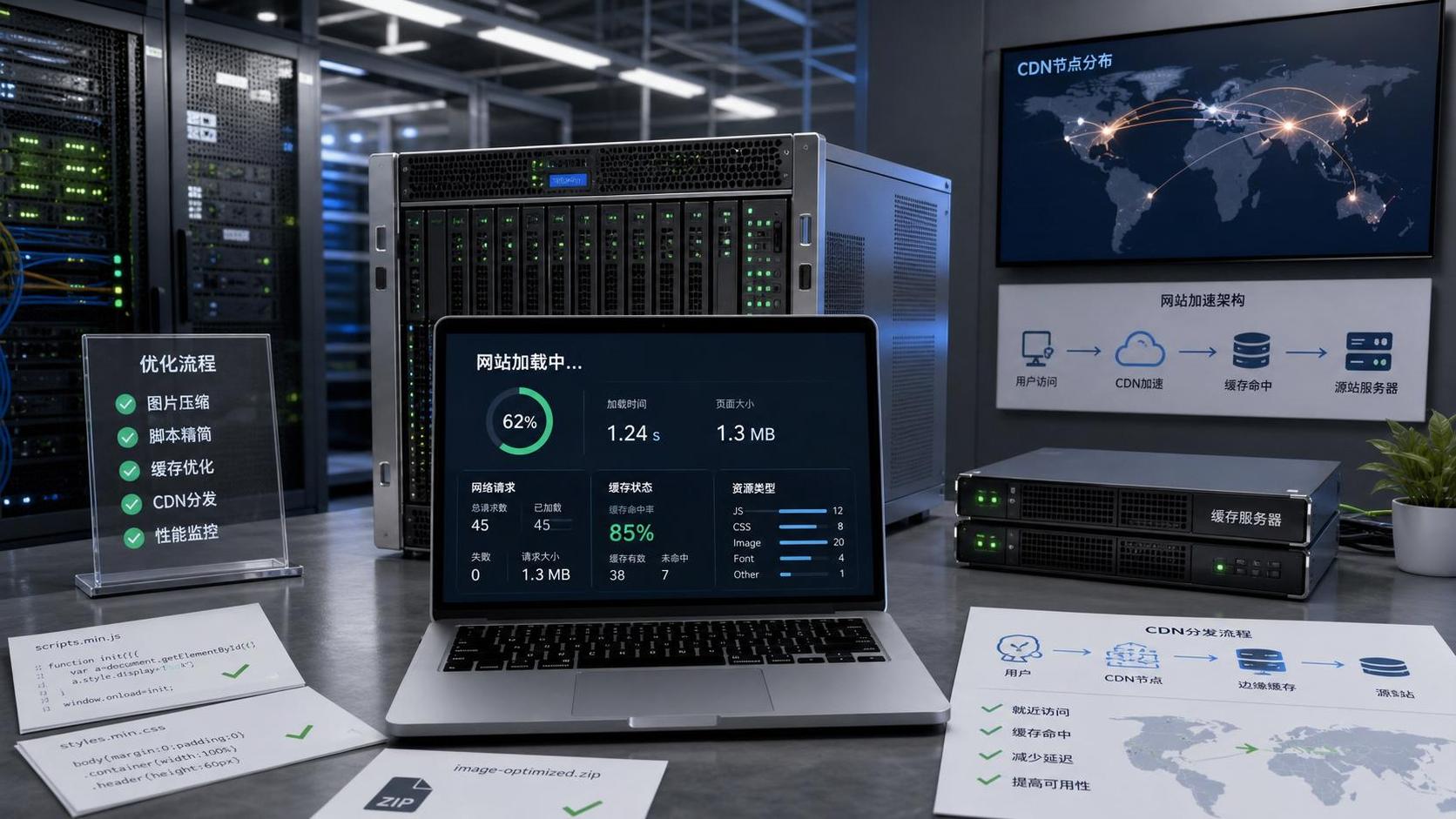
 Where should website speed and performance optimization start? Optimization order for images, scripts, and CDN

Related Products
 EasyCamp SaaS Smart Website Marketing SystemE-Yingbao SaaS Smart Website Marketing System: AI-powered, zero-code website building. Rapidly launch multilingual independent e-commerce sites in just 10 minutes. Global server acceleration and AI-driven SEO optimization empower businesses to efficiently connect with global markets. The seamless integration of technology and user-friendly operation makes building e-commerce sites incredibly simple.
 AI+SEM Intelligent Advertising Marketing SystemAI+SEM drives intelligent ad creation, empowering full-funnel precision advertising marketing. The system automatically generates weekly/monthly reports, AI recommends keywords and target countries, monitors core metrics in real-time with intelligent alerts, and enables one-click high-conversion ad solutions to help quickly acquire customers and improve ROI.
 AI+SEO Dual Engine Optimization ServiceEasyWin AI+SEO Dual Engine Optimization System leverages AI-powered keyword mining, content generation, and comprehensive technical optimization to help foreign trade enterprises acquire high-quality organic traffic, significantly improving search rankings and conversion rates.
 AI+SNS Social Media Marketing SystemYingbao AI+SNS Social Media Marketing System - Precision social capture for the social media era. Supports one-click content synchronization across major platforms like Facebook and LinkedIn. AI intelligently rewrites posts for enhanced relevance. 24/7 AI customer service and user profiling analysis empower businesses to efficiently expand into global markets.
 AI+SEO营销解决方案易营宝AI+SEO营销解决方案,通过AI批量写作、智能生成TDK、精准关键词扩词等功能,全面优化网站SEO效果,提升流量与转化率。助力企业构建高效智能网站新生态。
 AI+SEM Advertising Marketing SolutionsAI+SEM Advertising Marketing Solution leverages AI technology to deeply empower SEM ad campaigns. It automatically generates weekly/monthly reports using AI, presenting account data across multiple dimensions for comprehensive insights into campaign performance and trends. The system precisely recommends keywords and target countries, intelligently generates high-conversion ad copy, and enables one-click activation of efficient campaign plans to help businesses rapidly acquire customers. Simultaneously, it monitors core metrics in real time, intelligently identifies abnormal fluctuations, and issues timely alerts to ensure stable, high-return advertising results.
 Domain Name ServicesEasyWin provides professional domain name services, including intelligent queries, one-stop registration, brand protection, and full lifecycle management, helping businesses build a digital brand image.
 EasyOperate B2C Cross-Border E-Commerce Platform & Independent WebsiteEasyStore B2C Cross-border E-commerce Independent Store is an intelligent website building and cross-border e-commerce integrated solution independently developed by EasyStore Information Technology (Beijing) Co., Ltd. The system is specially designed for small and medium-sized as well as large export enterprises, integrating 'website building, operation, marketing, advertising, and conversion' into one, helping enterprises quickly establish cross-border e-commerce independent stores to achieve brand globalization and global sales growth.
The platform supports multiple languages, multiple currencies, and multi-channel marketing, with built-in AI intelligent translation and SEO optimization systems, suitable for mainstream markets such as Southeast Asia, Europe and America, Latin America, and the Middle East, assisting Chinese manufacturing enterprises in efficiently deploying international e-commerce strategies. SSL证书易营宝提供专业SSL安全证书服务,包括单域名和泛域名证书,确保网站数据传输加密、身份验证和完整性保护,助力企业建立安全可信的在线业务环境。









