- How Can a Brand Updates Page Be Made More SEO-Friendly? Analysis of Update Frequency, Content Structure, and Internal Linking StrategyJun 28, 2026View details
- What stages does the cross-border services ecosystem include? How do website building, promotion, payment, and compliance work togetherJun 22, 2026View details
- How will email marketing costs change in 2026Jun 22, 2026View details
- The China-US tariff arrangement has reached a preliminary consensus, and the trade association will be establishedJun 15, 2026View details
- Should overseas brand marketing start with ads or contentJun 21, 2026View details
- What determines B2C cross-border e-commerce website development costs? A breakdown of features, interfaces, and deployment methodsJun 17, 2026View details
- China-Morocco zero-tariff access, a breakthrough in the cost of Moroccan goods exports to ChinaJun 11, 2026View details
- What signal should be released for the suspension of exports to JapanJun 10, 2026View details
How can a multilingual website assist in foreign trade? 5 key points that quality control and compliance personnel should focus on
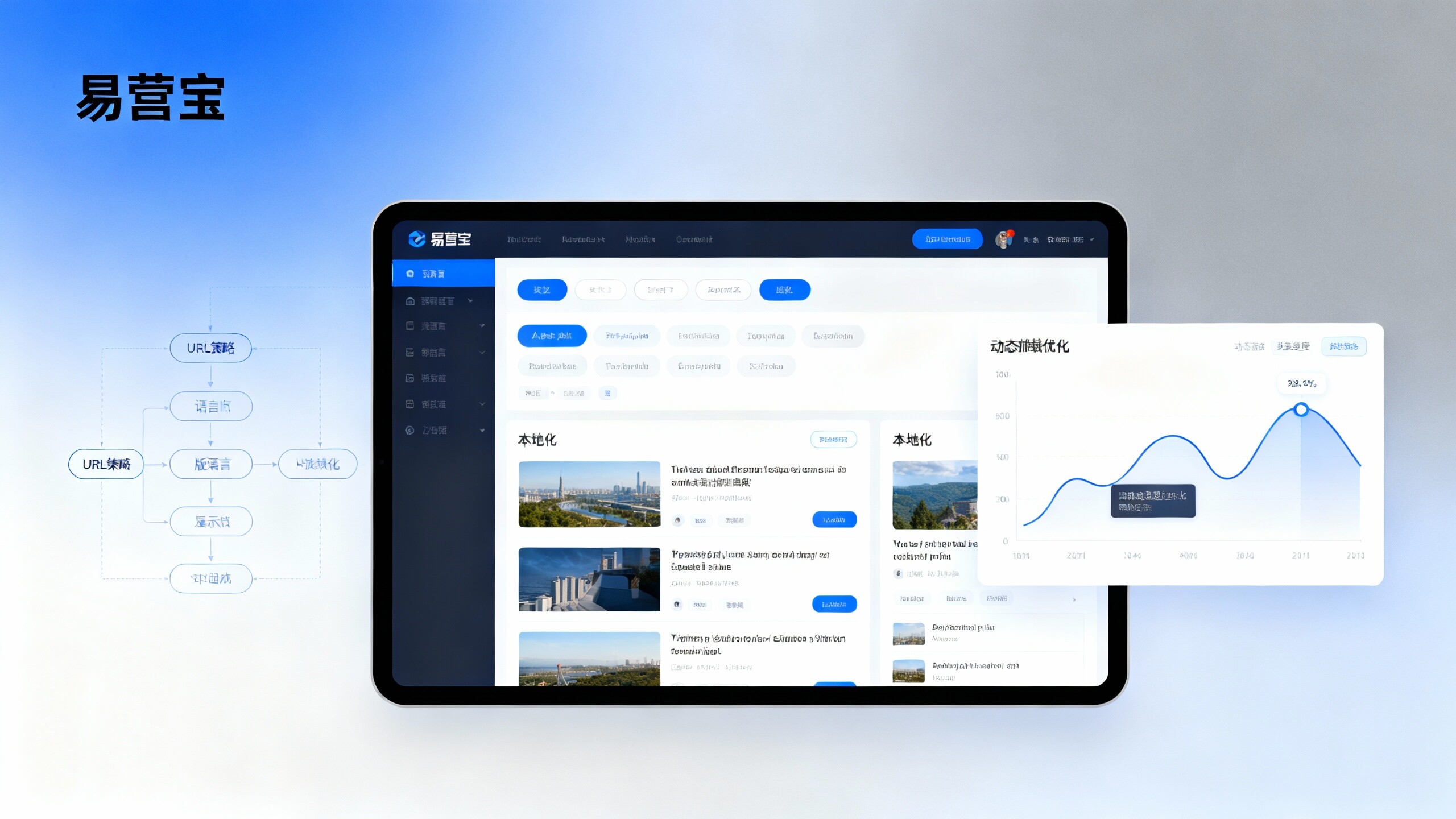


How can a multilingual website assist in foreign trade? This article focuses on five key points that explain why businesses should invest in multilingual websites and their close connection with compliance, helping you seize international growth opportunities. For users, business evaluators, and decision-makers, multilingualism is not just a translation issue but a mechanism for market connectivity and conversion. For compliance and security personnel, multilingual websites involve compliance, data governance, and access security. For project managers and after-sales support teams, design and operational workflows must align with multilingual strategies. For distributors and end consumers, multilingualism enhances trust and inquiry success rates. Below, we will delve into definitions and overviews, industry background, technical performance, compliance standards, and practical case studies, addressing key questions such as "What is a multilingual website?" "Why should businesses invest in multilingual websites?" and "How to build a multilingual website?" We will also provide actionable recommendations for acceptance and selection, facilitating quantifiable metrics in business evaluations and compliance checks.

Definition and Industry Background: What is a Multilingual Website, and Why is It Essential Today?
By definition, a "multilingual website" refers to a site structure under the same domain or a multi-domain system that provides localized content, metadata (TDK), and interactive experiences for audiences speaking different languages. Why should businesses invest in multilingual websites? The answer lies in the market: cross-border traffic is increasingly fragmented, buyers expect instant localized information, and search engines have enhanced their ability to recognize language and geographic relevance. Market analysis shows that multilingual sites significantly reduce bounce rates, increase average session duration, and improve inquiry conversion rates. For general internet service companies expanding overseas, multilingual capabilities must be integrated as part of the "customer acquisition hub," connecting with social media, advertising, and SEO to form a full-funnel outreach strategy. For business evaluators, this means recalculating international budgets from perspectives like ROI, LTV, and channel synergy. For compliance teams, it ensures unified management and traceability of language versions for content, compliance statements, privacy policies, and certificates.
Technical Performance and Implementation: How to Build a Multilingual Website (Including Performance and Acceleration Solutions)
At the implementation level, building a multilingual site involves more than choosing between AI or human translation. It requires URL strategies, hreflang tags, localized TDK, and content distribution plans, alongside considerations for loading speed and stability—key pain points for cross-border user experience. Technical performance highlights include: static resource versioning with long caching, dynamic back-end optimization, intelligent scheduling with node health checks, edge security policies, and asynchronous form processing. EasyTrust Information Technology offers a one-stop solution, from "AI keyword expansion + automated TDK generation + AI image creation" for content production to smart site-building systems supporting Chinese, English, and standalone multilingual sites, plus global edge network acceleration to significantly boost SEO scores and first-screen display speed. For B2B enterprises needing to enhance overseas performance, "Global CDN Acceleration for B2B Foreign Trade Websites" can be introduced as a core capability, covering global CDN acceleration, intelligent scheduling, dynamic back-end optimization, and security protection to reduce bounce rates and improve inquiry conversion. For details, see: Global CDN Acceleration for B2B Foreign Trade Websites. During project acceptance, managers and support teams should validate quantifiable metrics like first-screen load time, TTFB, resource hit rate, and dynamic request success rate.

Compliance Certifications and Five Key Points for Product Control
When evaluating multilingual websites, compliance and product control teams should focus on five key areas: First, data sovereignty and privacy compliance, ensuring language-specific privacy terms, cookie policies, and user rights align with target market regulations. Second, security and access control, implementing rate limits, black/white lists, and anti-fraud measures at edge nodes to mitigate malicious requests. Third, content consistency and version management, establishing a single content source mapped to multilingual versions to avoid legal risks from translation discrepancies. Fourth, performance and usability monitoring, setting region-specific SLAs and health thresholds with intelligent scheduling for on-demand switching. Fifth, auditability and traceability, preserving logs for translations, releases, and changes to facilitate compliance audits and accountability. For decision-makers and distributors, these points serve as both launch criteria and ongoing optimization directions. EasyTrust, with a decade of expertise, a tech-driven platform, and global server deployment, helps businesses implement these measures, reducing compliance hurdles and shortening launch cycles.
Use Cases, Examples, Common Pitfalls, and Why Choose Us/Contact Us
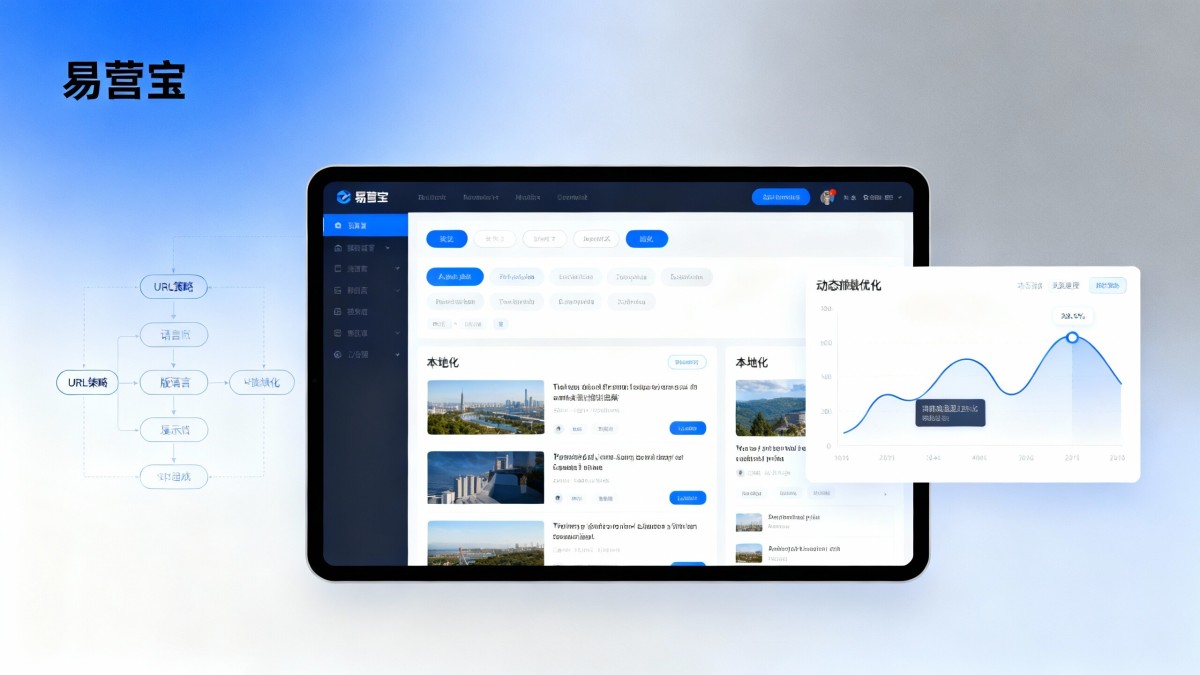
Use cases span B2B official sites, multilingual portals, and standalone sites, including manufacturing product pages, localized SaaS marketing pages, and cross-border e-commerce multi-channel landing pages. Common pitfalls include relying solely on auto-translation, neglecting hreflang and structured data, and optimizing only homepage SEO while ignoring deep-page SEO. Client cases show that combining smart site-building with AI marketing engines can double overseas inquiry growth and conversion rates within three months while lowering maintenance costs. Why choose us? EasyTrust Information Technology (Beijing), founded in 2013, leverages AI and big data to drive "tech innovation + localized service" dual strategies, offering smart site-building, SEO optimization, social media marketing, and ad placement. Serving over 100,000 enterprises, it ranks among "China's Top 100 SaaS Companies." For scenario-based multilingual marketing systems or customized solutions, book a consultation or contact us for cross-border e-commerce operations, website acceleration, performance optimization, and digital marketing strategies. Modular services and local delivery teams help project managers and support staff quickly complete acceptance and achieve sustainable growth.
- Social Media Marketing
- Multilingual Independent Website
- Independent website building
- Yiyingbao
- SEO
- Independent Website
- Smart website builder system
- SEO Optimization
- Smart Website Building
- AI Translation
- AI Marketing Engine
- Global CDN Acceleration
- Multilingual website
- B2B Foreign Trade Website Development
- cross-border e-commerce
- Multilingual Marketing System
- Digital Marketing Solutions
- Website Acceleration and Performance Optimization
- Cross-border e-commerce operation and promotion
- Why should businesses create multilingual websites?
- What is a multilingual website?
Related Articles
 How Can a Brand Updates Page Be Made More SEO-Friendly? Analysis of Update Frequency, Content Structure, and Internal Linking Strategy
 What stages does the cross-border services ecosystem include? How do website building, promotion, payment, and compliance work together
 How will email marketing costs change in 2026