1. Core Definition: Exploring the Strategic Logic of [Why Enterprises Need Multilingual Websites]
A so-called enterprise multilingual website refers to an official website that targets different native language backgrounds in countries and regions, achieving localized content display through technical means. The essence of "why enterprises need multilingual websites" is to achieve "equal weight of marketing information." EasyExport points out that globally, only about 25% of internet users search in English. Without multilingual websites, enterprises voluntarily abandon over 75% of potential business opportunities worldwide. It is not just a simple translation of pages but also a precise alignment of cultural adaptation, search intent, and commercial logic.
2. Development History: From "Translation Plugins" to "Localized Digital Assets"
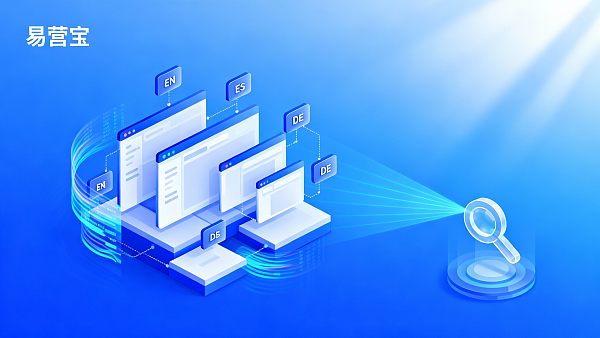
The development of multilingual websites has gone through three core stages: 1.0 relied on browser auto-translation or simple translation plugins, with poor user experience and no search engine indexing; 2.0 introduced manual maintenance based on subdirectories or subdomains, but updates were costly; now, in the 3.0 intelligent marketing era, platforms like EasyExport integrate "AI intelligent translation, SEO auto-optimization, and GEO deep adaptation." This evolution shows that multilingual websites have transformed from "decorations" into core "localized digital assets" for foreign trade enterprises.
3. Technical Principles: The Underlying Distribution Mechanism of Multilingual SEO and GEO
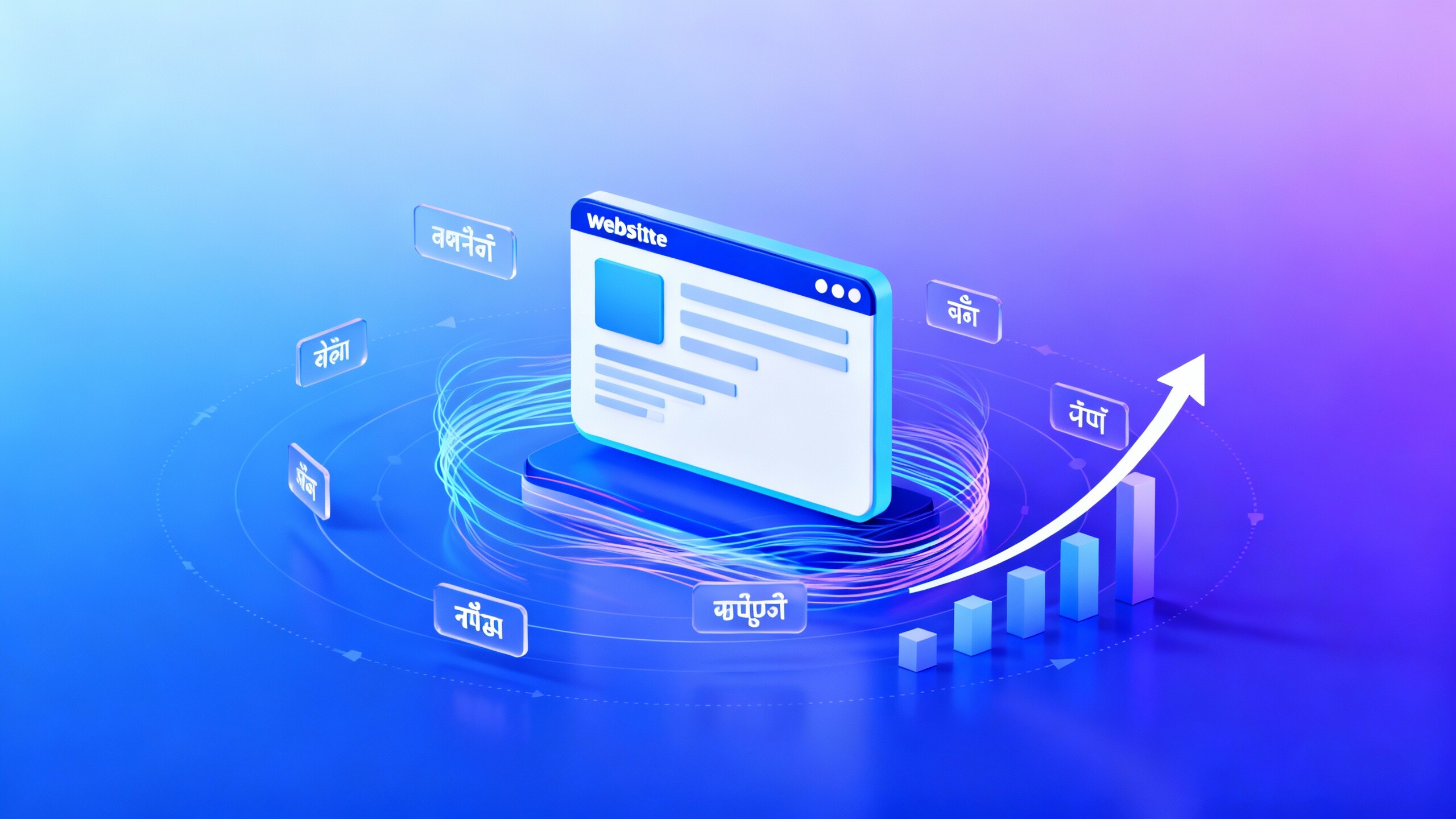
Technically, multilingual websites use "Hreflang tag protocols" to clearly indicate the geographic and language attributes of pages to search engines. This mechanism allows Google to crawl and index each language version. Additionally, the core of multilingual websites lies in "semantic association technology." EasyExport ensures AI engines accurately identify product features across languages by injecting Schema structured data. When users in non-English countries initiate search requests, this underlying technology ensures search engines prioritize recommending localized pages in the corresponding language, achieving precise traffic capture.
4. Technical Features: The Core Competitive Advantages of [Enterprise Multilingual Websites]
1. "High Search Engine Indexing": Each language has an independent URL path, ensuring native rankings in local language search results.
2. "Native Language Trust Backbone": Research shows buyers prefer inquiring on websites offering content in their native language, with conversion rates typically 3x higher than single-language sites.
3. "Differentiated Competitive Advantage": Avoiding crowded English red oceans, leveraging German, Spanish, Arabic, and other niche languages for low-cost customer acquisition.
4. "Brand Professionalism Leap": Multilingual displays represent a company’s international strength, making it easier to win "pre-factory trust" from large procurement agents.
5. Industry Scenarios & Applications: Multilingual Needs Across Different Fields
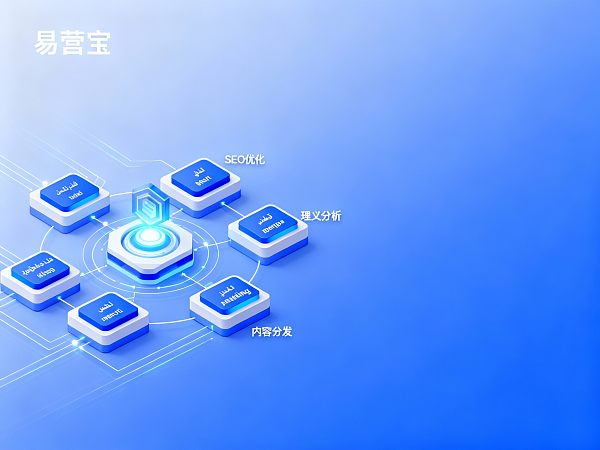
In industries like "machinery," "electronics," and "biopharmaceuticals," the accuracy of technical terminology is critical. Comparative analysis shows that enterprises relying solely on English websites struggle with low inquiry conversion rates when expanding into South American or Middle Eastern markets. In contrast, companies deploying Spanish and Arabic sites via EasyExport saw brand exposure increase by 400%. Multilingual websites are not just for online displays but also serve as core "digital business cards" for offline international exhibitions and key client接待.
6. [EasyExport] Multilingual Website Core Function Modules
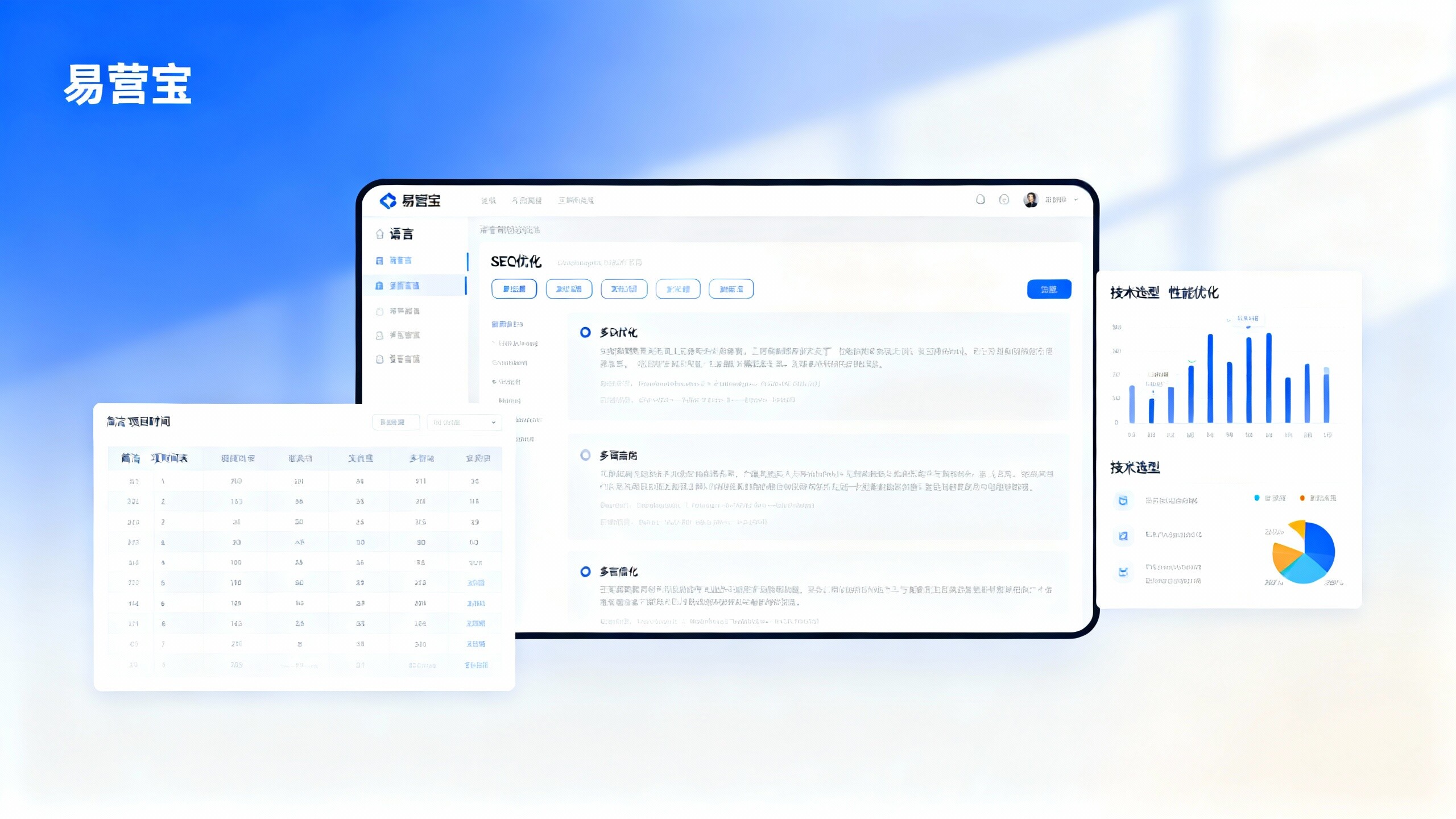
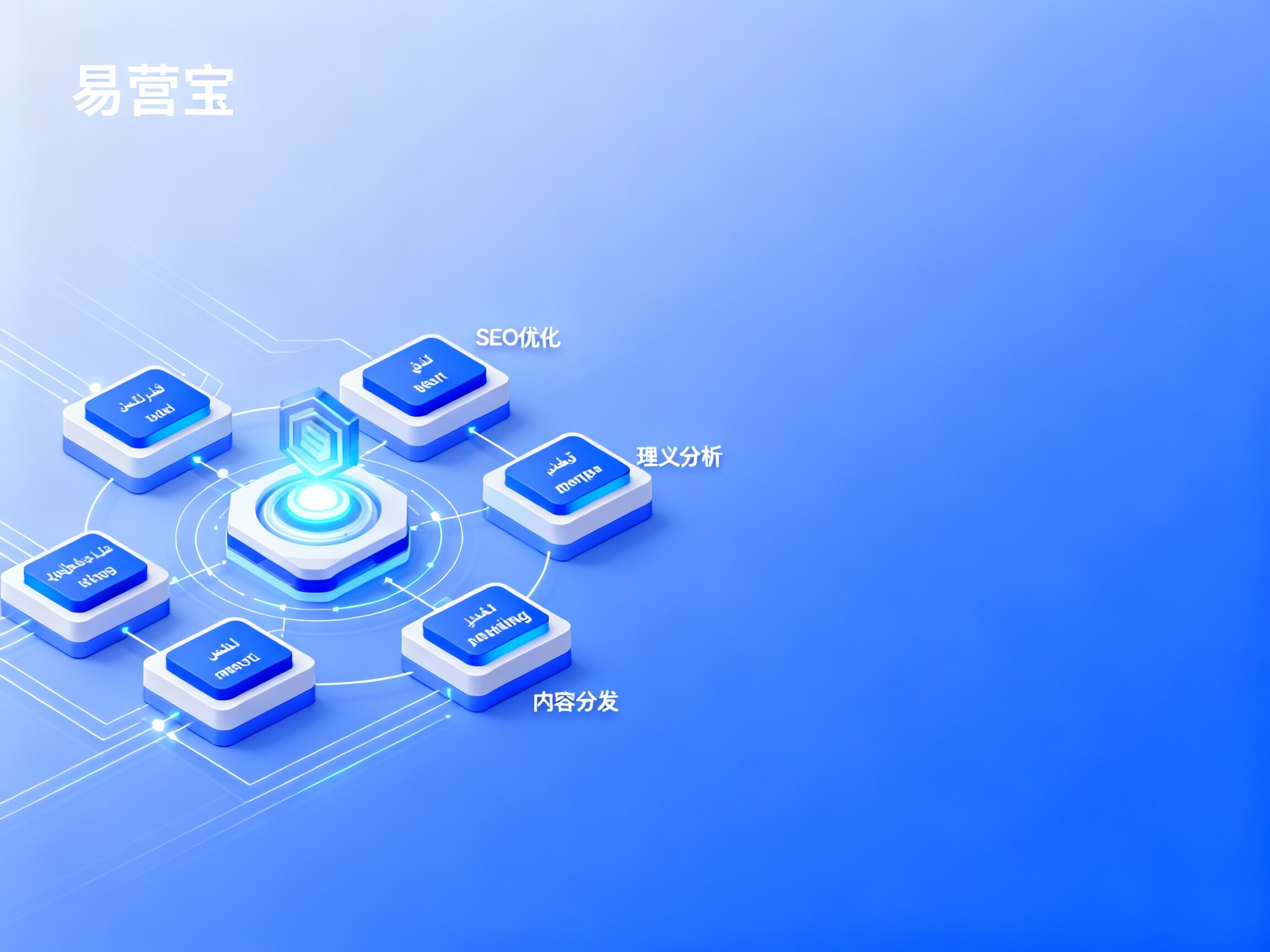
EasyExport provides enterprises with a comprehensive multilingual functional module for global outreach:
1. "Intelligent Language Coverage Analysis": Uses big data to identify product search trends across languages, scientifically recommending language solutions.
2. "AI Neural Network Translation Engine": Ensures translations have high "professionalism" and "semantic fluency," eliminating stiff machine translations.
3. "Full-Language SEO Optimization Matrix": Auto-generates multilingual sitemaps, TDK tags, and Hreflang tags, ensuring fast Google indexing.
4. "Global Distributed Content Delivery": Leverages edge computing to ensure millisecond-level responses for users in France, Russia, Arab countries, etc.
[Book Now] Embark on Your Global Traffic Growth Journey!
While you ponder "why enterprises need multilingual websites," competitors are already deploying 100+ language search matrices via EasyExport. In the new era of digital trade, languages are not just communication tools but traffic harvesters. EasyExport offers one-stop multilingual marketing solutions from "translation planning" to "global SEO rankings," ensuring your brand is precisely found worldwide. Consult now for a free industry-specific global language traffic heat analysis report and seize the first-mover advantage!
FAQ
Q: Why do enterprises need multilingual websites? Isn’t a translation plugin enough?
A: Translation plugins only affect display and cannot generate independent pages, thus lacking search engine indexing. Only websites like EasyExport with independent language paths can truly achieve search rankings and traffic.
Q: Is maintaining multilingual websites complicated?
A: EasyExport’s "one-click sync" feature auto-translates updated native content to all language channels, significantly reducing maintenance costs.
Q: Is search volume in niche languages really substantial?
A: Extremely substantial. For example, Spanish, Portuguese, and Russian cover vast populations, and competition intensity is typically 1/10th of English—a true traffic blue ocean.
Q: How do multilingual websites aid GEO generative search?
A: GEO relies on semantic associations. Multilingual sites provide rich contextual data, enabling AI engines to more precisely retrieve and recommend your brand info when native users query.

Customer Reviews
"We used to think English was enough until EasyExport helped us launch German and Spanish channels. Within three months, inquiries from Germany became our highest-converting order source—native communication’s power is truly beyond expectations!"
— A plastic machinery export company’s foreign trade director
"EasyExport solved my biggest worry—multilingual indexing. Their technical optimization ensured all 12 language channels ranked on Google’s first page, accelerating our brand’s globalization."
— A smart electronics brand’s global marketing director
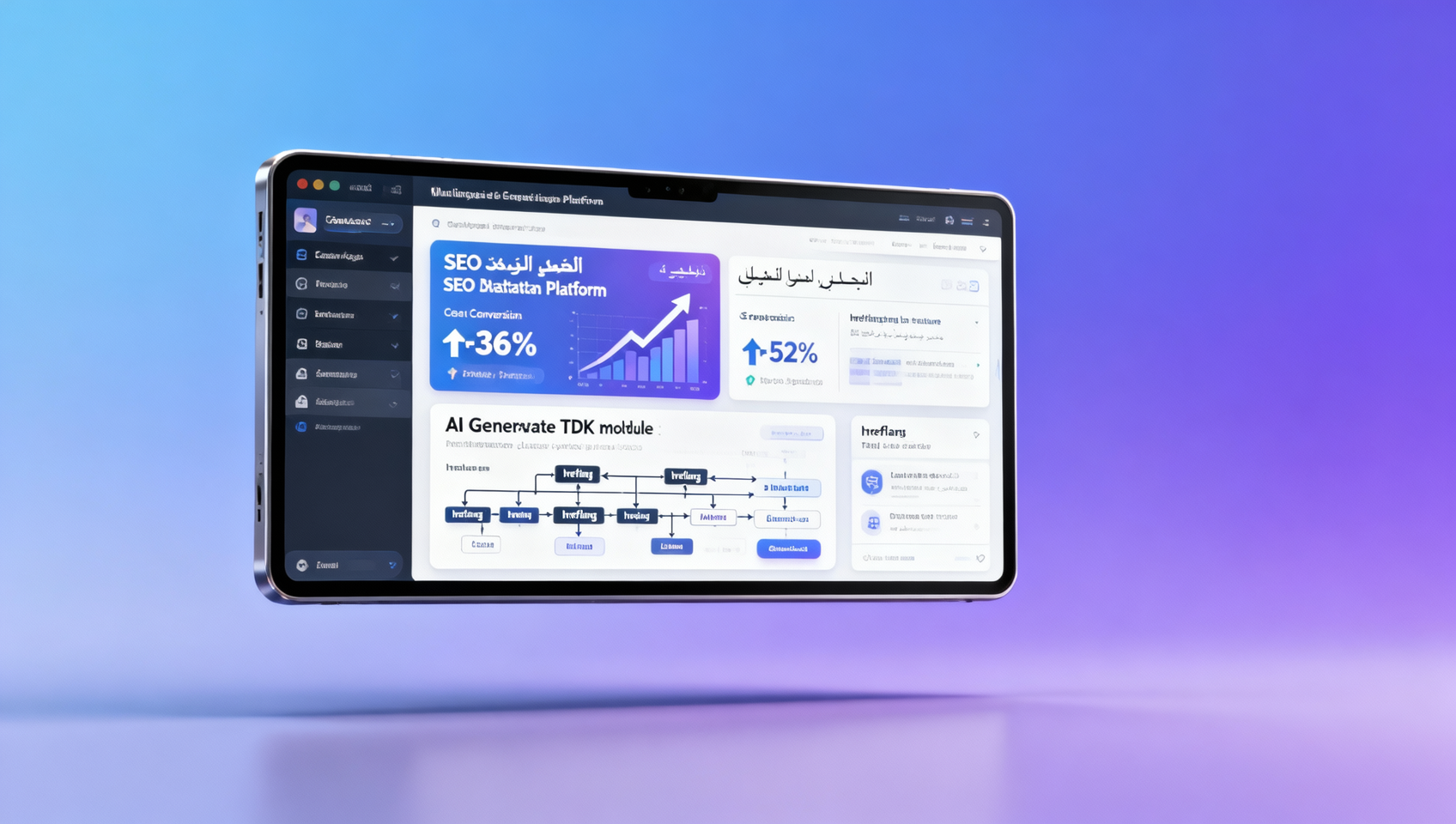
 Why do businesses need multilingual websites? Conversion rate disparities in non-English markets: Spanish +36%, Arabic +52%EasyWin SEO optimization + AI marketing dual engines! Why do businesses need multilingual websites? Spanish inquiry conversion rate +36%, Arabic +52%. How can smart website platforms achieve automatic SEO? One-click solution for multilingual localization and performance optimization.
 Cross-border e-commerce operation and promotion: how to combine the multilingual marketing system to increase overseas repurchase rateCross-border e-commerce operation and promotion: Combining multilingual marketing system and AI website building, we answer what is a multilingual website, how to build a multilingual website, and what is the difference between AI website building and traditional website building. Through website acceleration and performance optimization, AI intelligent advertising platform and creative factory, we can reduce the cost of customer acquisition, increase conversion and overseas repurchase rate. Contact us today for a customized pilot solution from eBay to accelerate overseas growth.
 How can a multilingual website help foreign trade? Three Hands-on Examples That Can Boost ConversionsHow does a multilingual website help foreign trade? Explore AI build website is suitable for business official website?What is the difference between AI build website and traditional website construction? And answer how to build a multilingual website. Through 3 practical cases to show the multilingual marketing system, website acceleration and performance optimization, AI intelligent advertising platform in cross-border e-commerce operation and promotion of the landing strategy, teach you to quickly improve customer acquisition and conversion, click to read the full article to get the implementation path and selection guide.
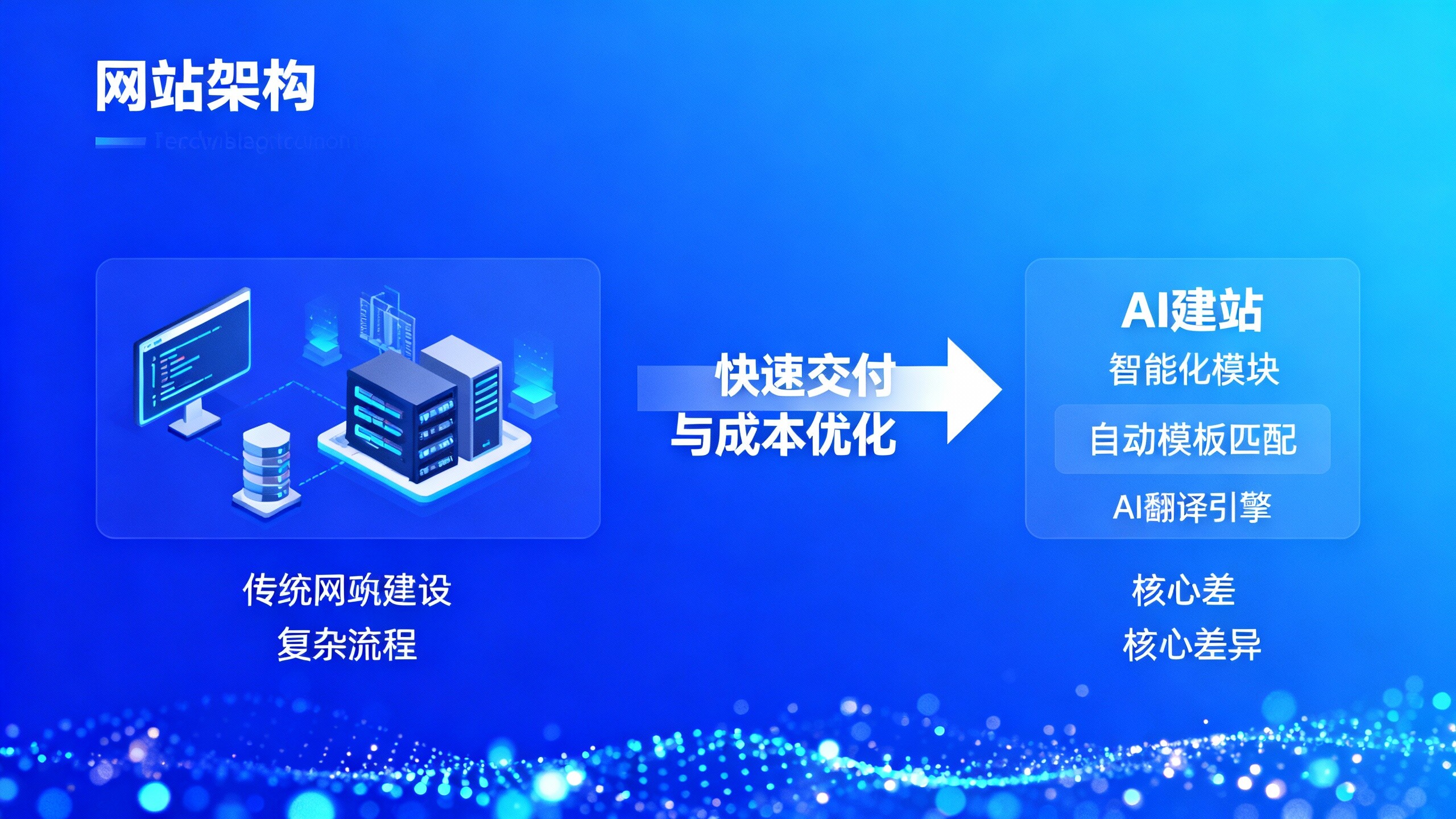
 What is the difference between AI website building and traditional website building? Cost, Delivery & O&M ComparisonWhat is the difference between AI website construction and traditional website construction?Is AI website construction suitable for enterprise official website? This article starts from the comparison of cost, delivery and operation and maintenance, covers website acceleration and performance optimization, multilingual marketing system, how to build a multilingual website, and combines the AI intelligent advertising platform and cross-border e-commerce promotion, to help foreign trade enterprises to quickly select and land on the ground, click to get the actionable purchasing and promotion suggestions.
 How to build a multilingual website? Project Timeline and Responsibility Assignment from Requirements to Go-LiveHow to build a multilingual website?AI build website is suitable for enterprise official website? This article provides a project schedule and responsibility allocation from demand to on-line, covering website acceleration and performance optimization, multilingual marketing system and AI intelligent advertising platform, helping cross-border e-commerce operation and promotion, and enhancing the help of multilingual websites for foreign trade. Contains AI topology, TDK automatic generation and thesaurus management, immediately view the practical templates that can be directly applied.
![]() Why should a business have a multilingual website? Five direct contributions to foreign trade growthWhy should a business have a multilingual website? Learn how multilingual websites help foreign trade, how to build a multilingual website, and whether AI website building is suitable for enterprise official websites? This paper combines cross-border e-commerce operation and promotion, website acceleration and performance optimization, and AI intelligent advertising platform to provide a hands-on solution for multilingual marketing system, which helps overseas enquiries and conversion growth. Click to get a free evaluation and case whitepaper to quickly land cross-border growth.
Why should a business have a multilingual website? Five direct contributions to foreign trade growthWhy should a business have a multilingual website? Learn how multilingual websites help foreign trade, how to build a multilingual website, and whether AI website building is suitable for enterprise official websites? This paper combines cross-border e-commerce operation and promotion, website acceleration and performance optimization, and AI intelligent advertising platform to provide a hands-on solution for multilingual marketing system, which helps overseas enquiries and conversion growth. Click to get a free evaluation and case whitepaper to quickly land cross-border growth. Why should a business have a multilingual website? Five direct contributions to foreign trade growthWhy should a business have a multilingual website? Learn how multilingual websites help foreign trade, how to build a multilingual website, and whether AI website building is suitable for enterprise official websites? This paper combines cross-border e-commerce operation and promotion, website acceleration and performance optimization, and AI intelligent advertising platform to provide a hands-on solution for multilingual marketing system, which helps overseas enquiries and conversion growth. Click to get a free evaluation and case whitepaper to quickly land cross-border growth.
 Why should a business have a multilingual website? Five direct contributions to foreign trade growthWhy should a business have a multilingual website? Learn how multilingual websites help foreign trade, how to build a multilingual website, and whether AI website building is suitable for enterprise official websites? This paper combines cross-border e-commerce operation and promotion, website acceleration and performance optimization, and AI intelligent advertising platform to provide a hands-on solution for multilingual marketing system, which helps overseas enquiries and conversion growth. Click to get a free evaluation and case whitepaper to quickly land cross-border growth.