









- Four Annual Industry Reports Released at the 14th Digital Marketing Development ForumNov 29, 2026View details
- Sichuan Announces 2026 Provincial Cross-Border E-Commerce Parks; Two Chengdu Industrial Parks SelectedNov 29, 2026View details
- People’s Daily Focuses on Liaoning Cross-Border E-Commerce: Xiaobeihe Hosiery Reaches Overseas Markets Through Digital ChannelsNov 29, 2026View details
- What Are the Ranking Criteria for China's Top 100 SaaS Companies?Nov 28, 2026View details
- Eight Departments, Including the Ministry of Commerce, Issue the 15th Five-Year Plan for the Development of Trade in ServicesNov 27, 2026View details
- General Administration of Customs Issues New Rules on Import and Export Cosmetic Labeling, Effective December 1Nov 26, 2026View details
Which payment methods should be prioritized for localization of a Middle East website-building system?
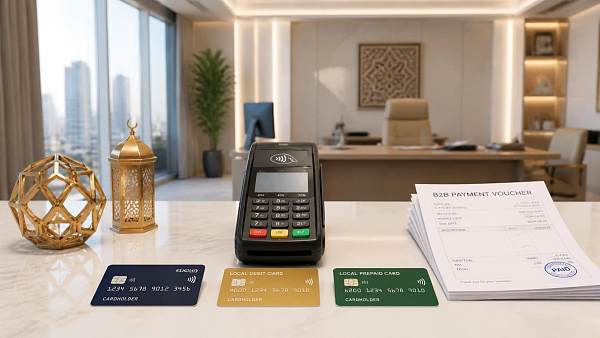
Which payment methods should be prioritized for localization of Middle East website-building systems?
Localizing a website-building system for the Middle East is not complete simply by translating English pages into Arabic and adding local currencies. For websites involving order placement, deposits, sample fees, or online service fees, the payment page often determines whether users are willing to complete the final step. Particularly after users enter a landing page through advertising traffic, they may already recognize the product but fail to find a familiar payment option during checkout. In that case, previous investments in advertising, content, and customer service may all be cut short.
When planning payments, project managers should first avoid one misconception: the Middle East is not a single payment market. Consumer spending power, bank card usage habits, and local payment networks vary across Gulf countries such as the UAE, Saudi Arabia, Kuwait, Bahrain, and Qatar. Payment logic also differs between websites serving corporate procurement and retail stores serving individual consumers. Therefore, payment adaptation priorities should be determined jointly by the target country, transaction amount, average order structure, fulfillment method, and entity qualifications, rather than simply “connecting an international acquiring interface.”
First layer: International bank cards remain the foundation for cross-market launches
If a project initially covers multiple Middle Eastern countries, international credit and debit card channels should generally be made available first. Card schemes such as Visa and Mastercard have broad coverage and are suitable for standardized retail orders on cross-border stores and brand websites. They also facilitate the handling of traffic from different countries generated by Google Ads and social media advertising. Payment pages need to clearly display the currency, shipping costs, tax explanations, and refund policy, so users do not discover after submitting an order that the actual charged amount differs from their expectations.
However, “supporting credit cards” does not mean that the payment experience has already been localized. Before implementation, it is necessary to verify the payment service provider’s restrictions on merchant registration location, settlement currency, business category, chargeback handling, and risk-control rules. Some companies can accept payments but may not be able to settle in the local currency of the target market; certain products or services may also trigger stricter reviews. At the system level, payment result callbacks, order status synchronization, retry mechanisms for failed payments, and manual order verification procedures should also be retained. It is not enough to simply embed a redirect link on the checkout page.
Second layer: Prioritize local payment networks familiar to users in the target country
When traffic and orders are clearly concentrated in one country, local payment methods are usually more worthwhile to prioritize than continuing to add general-purpose channels. In the Saudi market, for example, mada is a common local bank card network; Kuwaiti users are highly familiar with KNET; Bahrain has local payment systems such as Benefit. These methods cannot necessarily be enabled directly through every acquiring solution and often involve confirmation of local partners, merchant entities, settlement accounts, or interface capabilities.
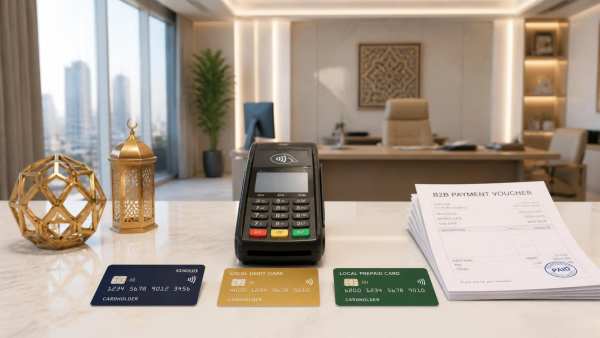
There is no need to pursue integration of all methods at once. A more practical approach is to manage country sites, currencies, and payment routing separately: an Arabic-language Saudi site should prioritize evaluating mada and applicable wallet options; an independent campaign page for Kuwait should separately assess the necessity of KNET. This can reduce ineffective development while avoiding issues such as currency display inconsistencies, risk-control blocks, or confused order attribution caused by sharing the same checkout logic across different markets.
E-wallets and cash on delivery address different trust issues
The value of e-wallets lies in more than adding another button. When mobile users enter a store from social media posts or short-video ads, entering complete card details involves relatively high operational effort. Wallets that can call up users’ previously linked payment information often better fit the mobile purchasing journey. However, whether wallets should be prioritized depends on the site’s device traffic sources and order types. If most visitors are desktop-based procurement personnel, improving inquiry, quotation, and bank transfer processes first may better reflect actual needs.
Cash on delivery should not be broadly regarded as an “outdated payment method,” either. In certain retail categories and new-brand scenarios, it can lower the psychological barrier to a first purchase. At the same time, however, it shifts risk to delivery, inventory, and customer service. The system must support secondary order confirmation, regional delivery restrictions, abnormal order marking, and delivery confirmation status feedback. Without these supporting capabilities, cash on delivery may result not in conversions but in high cancellation rates and disorganized fulfillment costs.
B2B websites should not simply copy the checkout methods of cross-border online stores
For businesses such as equipment, building materials, industrial components, and engineering services, transaction amounts, delivery schedules, specification confirmation, and contract terms are usually more complex than immediate payment. Websites can retain the ability to accept credit card payments for sample fees, small deposits, or standard service fees, but high-value orders should be designed around the process of “inquiry—quotation—contract—advance payment—balance payment.” Bank transfer information, pro forma invoice downloads, payment proof uploads, financial review, and order status notifications are often more important than forcing all customers toward an online checkout counter.
This is also an easily overlooked intersection in the localization of Middle East website-building systems: Arabic pages, English pages, and sites for different countries differ not only in copy, but potentially also in form fields, quotation currencies, contact permissions, and payment milestones. If the system supports configuring pages and transaction processes by market, the promises in advertisements placed by the marketing team, the quotations sent by the sales team, and the order statuses verified by the finance team can remain aligned.
Incorporate payment integration into the complete customer acquisition and delivery chain
Payment is not a plugin added only at the end of website development. It should be planned together with media placement, SEO content, customer service response, and order management during the site architecture stage. A common issue is that an advertising landing page promises online ordering, while the product page lacks the corresponding currency or payment method; or search traffic enters the English site, but the payment page automatically switches to a mismatched language. Such breakpoints are difficult to fully remedy through later operations.
Since its establishment in 2013, Yiyingbao Information Technology (Beijing) Co., Ltd. has developed end-to-end digital marketing service capabilities around intelligent website development, SEO optimization, social media marketing, and advertising. For corporate websites or cross-border stores targeting the Middle East, its cloud intelligent website-building system, cross-border store system, and marketing tools are more suitable for evaluation from the perspective of a single project: whether payment interfaces can accommodate target traffic, whether order data can be fed back to marketing channels, whether Arabic and English pages can be managed separately, and whether sales personnel can promptly follow up on unpaid orders. This type of coordination is closer to actual delivery needs than comparing an individual payment plugin alone.
Before launch, it is advisable to first list the target countries, expected transaction types, primary currencies, average order amounts, and fulfillment methods, and then confirm access and settlement conditions with payment service providers. The priority order for payment methods is usually clear: first ensure bank card capabilities available across markets, then add local networks for key countries, and finally refine the setup based on mobile traffic, cash on delivery, and B2B bank transfer processes. By making these assessments in advance, each round of promotion after the website goes live will not get stuck at the final mile.
Related Articles
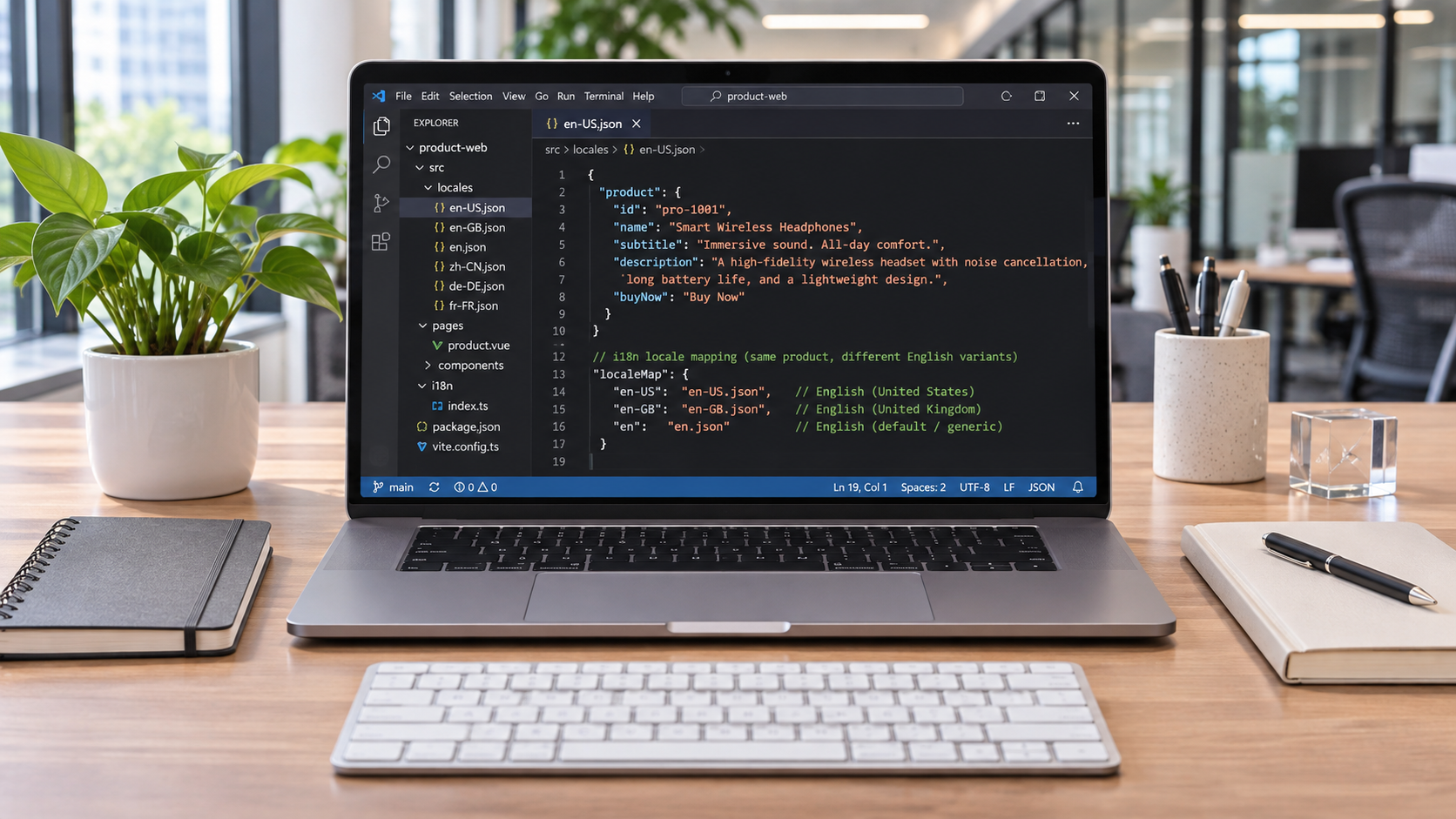
 How can hreflang be used in multilingual SEO to target the right regions?
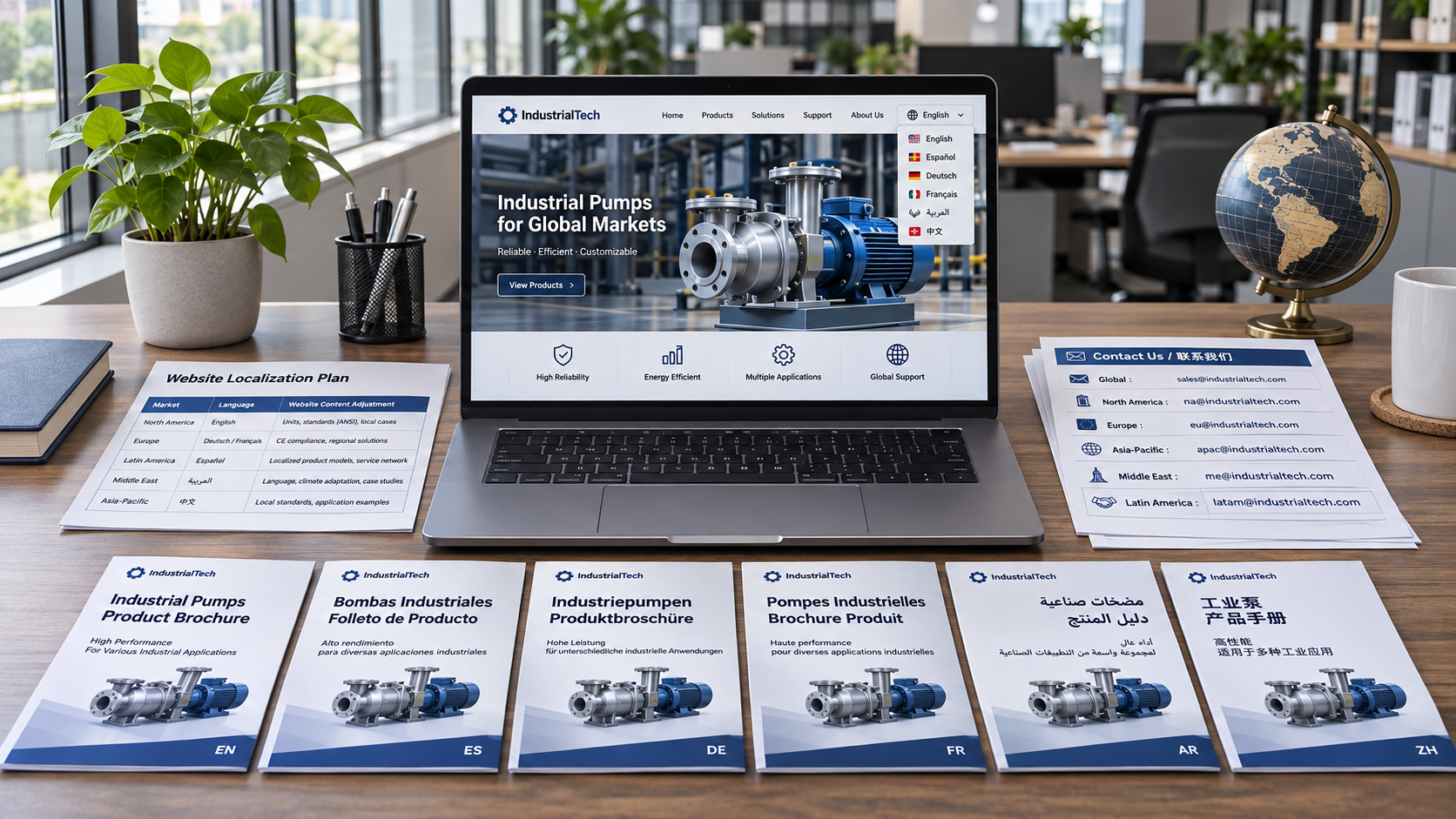
 How should a website for global brand expansion adapt its content to target regions?
 How can AI multilingual translation solutions address inconsistent product terminology?

Related Products
 Yiyingbao SaaS Intelligent Website Building and Marketing SystemYiyingbao SaaS Intelligent Website Building and Marketing System, AI-powered no-code website building, rapid creation of multilingual B2B international websites in 10 minutes, global server acceleration, AI-powered SEO optimization, helping businesses connect efficiently with global markets. The perfect integration of technology and operation makes building an international trade website remarkably simple
 AI+SEM Intelligent Advertising Marketing SystemAI+SEM drives intelligent ad creation, empowering full-funnel precision advertising marketing. The system automatically generates weekly/monthly reports, AI recommends keywords and target countries, monitors core metrics in real-time with intelligent alerts, and enables one-click high-conversion ad solutions to help quickly acquire customers and improve ROI.
 AI+SEO Dual-Engine System Optimization ServicesYiyingbao’s AI+SEO dual-engine optimization system helps foreign trade enterprises acquire high-quality organic traffic through AI-powered keyword research, content generation, and comprehensive technical optimization, significantly improving search rankings and conversion rates.
 AI+SNS Social Media Marketing SystemYingbao AI+SNS Social Media Marketing System - Precision social capture for the social media era. Supports one-click content synchronization across major platforms like Facebook and LinkedIn. AI intelligently rewrites posts for enhanced relevance. 24/7 AI customer service and user profiling analysis empower businesses to efficiently expand into global markets.
 AI+SEO营销解决方案易营宝AI+SEO营销解决方案,通过AI批量写作、智能生成TDK、精准关键词扩词等功能,全面优化网站SEO效果,提升流量与转化率。助力企业构建高效智能网站新生态。
 AI+SEM Advertising Marketing SolutionsAI+SEM Advertising Marketing Solution leverages AI technology to deeply empower SEM ad campaigns. It automatically generates weekly/monthly reports using AI, presenting account data across multiple dimensions for comprehensive insights into campaign performance and trends. The system precisely recommends keywords and target countries, intelligently generates high-conversion ad copy, and enables one-click activation of efficient campaign plans to help businesses rapidly acquire customers. Simultaneously, it monitors core metrics in real time, intelligently identifies abnormal fluctuations, and issues timely alerts to ensure stable, high-return advertising results.
 Domain Name ServicesEasyWin provides professional domain name services, including intelligent queries, one-stop registration, brand protection, and full lifecycle management, helping businesses build a digital brand image.
 EasyOperate B2C Cross-Border E-Commerce Platform & Independent WebsiteEasyStore B2C Cross-border E-commerce Independent Store is an intelligent website building and cross-border e-commerce integrated solution independently developed by EasyStore Information Technology (Beijing) Co., Ltd. The system is specially designed for small and medium-sized as well as large export enterprises, integrating 'website building, operation, marketing, advertising, and conversion' into one, helping enterprises quickly establish cross-border e-commerce independent stores to achieve brand globalization and global sales growth.
The platform supports multiple languages, multiple currencies, and multi-channel marketing, with built-in AI intelligent translation and SEO optimization systems, suitable for mainstream markets such as Southeast Asia, Europe and America, Latin America, and the Middle East, assisting Chinese manufacturing enterprises in efficiently deploying international e-commerce strategies. SSL证书易营宝提供专业SSL安全证书服务,包括单域名和泛域名证书,确保网站数据传输加密、身份验证和完整性保护,助力企业建立安全可信的在线业务环境。









