









范 俊
(上海出版印刷高等专科学校 上海 200093)
摘 要:在全球经济一体化和数字化转型加速的背景下,企业对财务管理的要求日益提高,传统的分散式财务管理模式已难以适应高效、精准、低成本的运营需求。财务共享服务(FSSC)作为企业财务管理的创新模式,通过集约化、流程标准化及智能技术的应用,提高财务运作效率,降低成本,推动财务职能的升级优化。然而,随着市场环境的不断变化、新技术的深入应用以及企业组织架构的调整,该模式在实践中仍面临诸多挑战。因此,本文围绕这些问题展开探讨,以寻求应对策略和优化路径。首先,本文深入探讨了财务共享服务模式的相关内容;其次,从数字化技术赋能、财务共享服务的业务范围、风险控制与合规管理、财务共享中心的组织与管理创新四个角度,重点探讨了新形势下财务共享服务模式实践新路径;最后,期望企业进一步加强财务与业务的深度协同,提升综合运营效率,加速财务管理模式的升级与变革。
关键词:新形势;财务共享;服务模式
Related News
 New Requirements for Exchange Rate Management: Notice on Exchange Settlement Page Prompt RequirementsNew Requirements for Exchange Rate Management Trigger Notice on Exchange Settlement Page Prompt Upgrade. This article focuses on the changes in real-time exchange rates, settlement cycles, and exchange loss bearing parties displayed on foreign trade independent websites, and explains how website+marketing service integrated enterprises can optimize page compliance and buyer trust in advance.
 Huoermuzi Strait is affected by freight rate fluctuations, and independent website speed is becoming a conversion factorHuoermuzi Strait is affected by freight rate fluctuations, and independent website speed is becoming a conversion factor. This article focuses on how foreign trade and cross-border B2B can respond to logistics delays, improve website performance, and seize inquiry and trust growth opportunities in the Middle East and Southeast Asian markets.
 India soybean export tax post, compliance label as foreign trade site front-end itemForeign trade website compliance label is becoming a front-end item. After India imposes an export tax on soybeans, country of origin certificates, phytosanitary certificates, and HS code review become stricter; enterprises need to synchronize and improve product pages, electronic document downloads, and verifiable information display to enhance inquiry conversion and delivery efficiency.
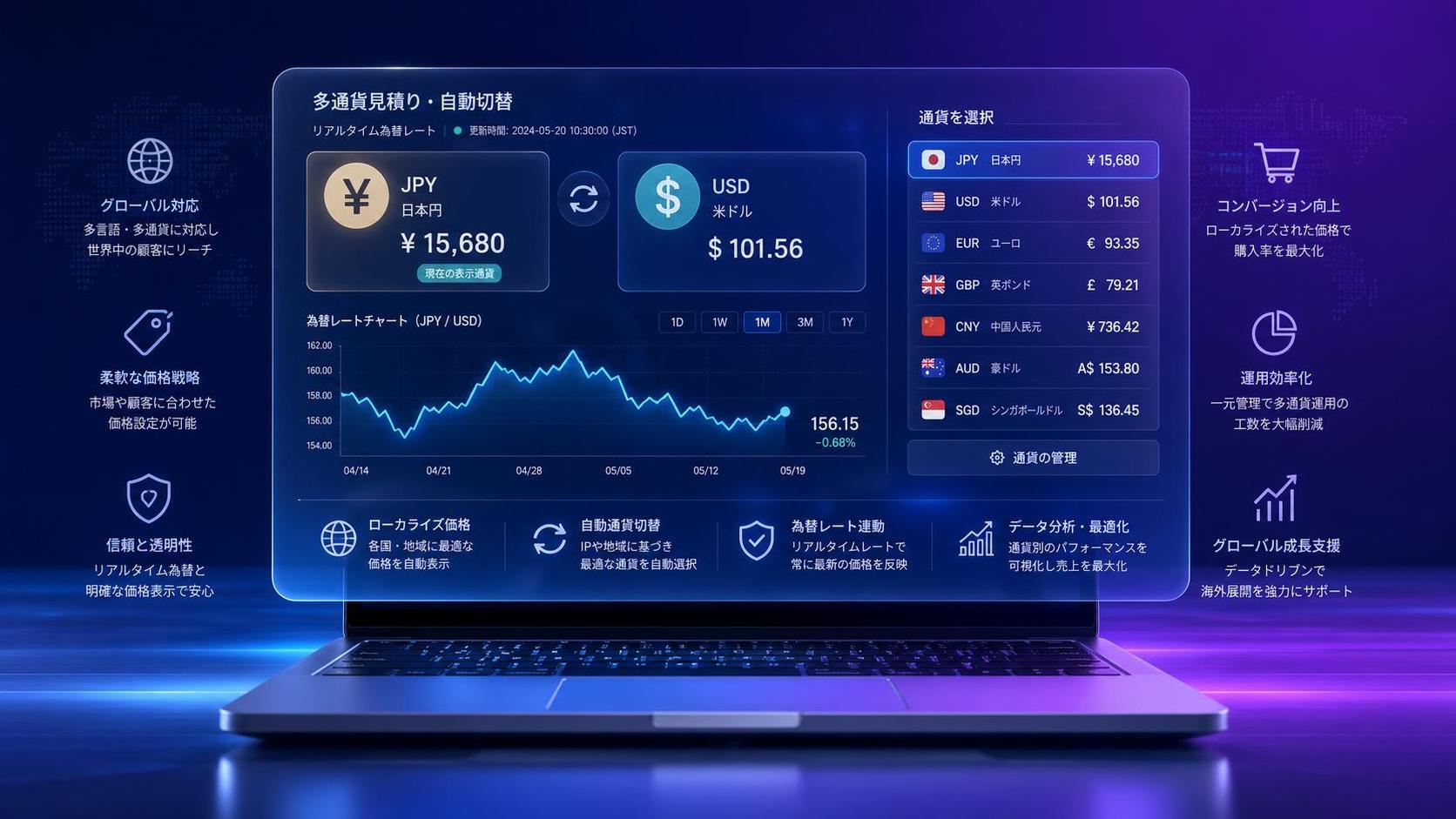
 USD/JPY rises, B2B JPY pricing pressureUSD/JPY rises, B2B JPY pricing pressure intensifies. This article focuses on website + marketing services integration scenarios, analyzing independent site quotation competitiveness, inquiry conversion decline, multilingual localization pricing, and dynamic currency switching strategies to help businesses improve lead acquisition and deal closure.



Online Inquiry
