- What is the role of HTTPS for websites? Why is the decision-making level increasingly emphasizing digital trust systems2026-01-15View details
- What is Global CDN Acceleration? Key Considerations for Enterprise Selection from Architecture to Cost2026-01-16View details
- EasyYunbao Usage Evaluation: The Real Performance of Intelligent Website Building Platforms in B2B Official Website Applications2026-01-15View details
- The Era of GEO Has Arrived: Rankings No Longer Matter, Appearing in AI Responses is the Key to Foreign Trade Lead Generation2026-01-14View details
- EasyOperate GEO Layout: How to Become the 'Priority Recommendation' of AI Engines Through Structured Brand Semantics?2026-01-15View details
- Seize the AI Featured Snippet: EasyYun GEO Service Helps You Build Unsurpassable Digital Assets2026-01-16View details
- How to Choose the Right Global Website SaaS Platform for Your Business? The Latest 2023 Selection Guide2026-01-13View details
- City Partner Program Explained: How to Achieve Business Growth Through Global Website Building SaaS Platform2026-01-13View details
How to Evaluate Multilingual Standalone Websites vs. Overseas Channels in 2025: Cost and ROI Comparison Between B2B Independent Website Development and Google Promotion
This article integrates the practical methodologies of E-Commerce Treasure Information Technology (Beijing) Co., Ltd., covering independent foreign trade website construction, multilingual standalone sites with Google promotion, and comparative analysis of costs, effectiveness, and ROI for integrated SEO+SEM and social media marketing. It assists market researchers, corporate decision-makers, and project managers in swiftly determining investment strategies. Founded in 2013 and headquartered in Beijing, E-Commerce Treasure has spent a decade leveraging AI and big data as core drivers, offering end-to-end services including intelligent website building, SEO optimization, social media marketing, and ad placements, supporting over 100,000 enterprises in global growth. In 2023, it was selected among "China's Top 100 SaaS Companies." This document targets users/operators and after-sales personnel while also serving as a decision-making reference for distributors and end consumers, emphasizing executable cost and ROI measurement methods.

Definition and Industry Background: Multilingual Standalone Sites and Overseas Channel Overview
Define before comparing. A multilingual standalone site refers to a foreign trade portal with proprietary domains and multilingual content management, supporting localized domains, languages, and payment/logistics integration. Overseas channels include Google Ads, social platforms (e.g., Facebook, YouTube, TikTok), and e-commerce platforms. Global digital procurement growth and privacy regulations are driving businesses to shift from rented traffic to owned traffic pools. Market-wise, independent foreign trade sites significantly enhance brand equity and long-term organic traffic ROI, while Google Ads remain irreplaceable for short-term high-intent traffic. Industry terminology dictates ROI evaluation should include Customer Acquisition Cost (CAC), Lifetime Value (LTV), conversion rates, and long-term organic traffic share. Decision-makers must prioritize multilingual sites’ SEO long-term gains and synergy between social marketing and paid traffic.
Comparative Analysis: Costs, Investment Cadence, and ROI (With Comparison Table)
Comparing multilingual websites, Google Ads, and social media spending under one framework aids budget allocation. Overall, site construction is a one-time or periodic investment, with SEO and content yielding long-term dividends; Google Ads and social marketing suit short-term lead generation and campaign conversions, requiring sustained budgets. The table below contrasts core dimensions for rapid initial investment decisions and three-year ROI projections.
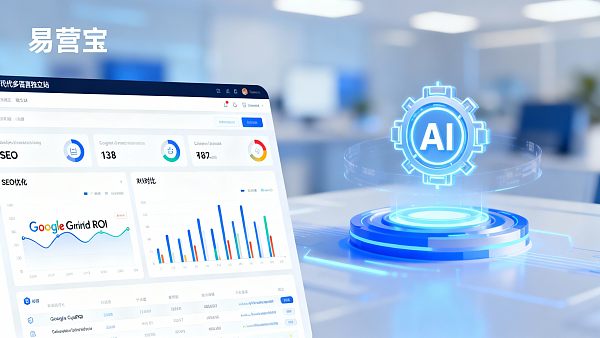
Conclusion: For long-term brand equity and organic traffic ROI, prioritize multilingual standalone sites; for short-term conversions or product testing, Google Ads and social marketing are more direct levers. The ideal strategy is parallel testing followed by data-driven budget pivots, forming an SEO+SEM closed-loop.
Technical Performance and Product Integration: Platform Cost Efficiency
Technically, stable server nodes, reliable translation engines, and AI automation are key. E-Commerce Treasure’s proprietary AI marketing engine and 22 global accelerated nodes integrate Google Neural Machine Translation (GNMT), offering innate advantages in multilingual SEO and localization. Teams validating foreign markets should start with zero-code rapid deployment systems supporting multi-end adaptation and AI translation. For example, systematic site-building and automated content can launch multilingual trade sites in 10 minutes, with AI-powered keyword expansion and TDK auto-generation for sustained scaling. Interested teams may explore: E-Commerce Treasure SaaS Intelligent Website Marketing System. Technical considerations: 1) Security & compliance (SSL, DDoS); 2) Performance (global CDN, millisecond access); 3) Scalability (APIs, third-party integrations); 4) Operability (CMS, automated marketing tools).
Client Cases, Procurement Advice, and Common Pitfalls
In practice, manufacturing and e-commerce clients deploying multilingual sites saw average SEO scores rise by 35% and page load speeds by 40%, directly boosting organic traffic and low-cost conversions. Procurement tips: prioritize vendors’ global deployment capabilities, AI content output, and paid promotion diagnostic tools; contracts should specify KPIs (traffic, conversion rates, page speed) and iteration cadence. Common pitfalls: 1) Overemphasizing short-term traffic while neglecting content and SEO long-term value; 2) Relying solely on machine translation without localization adjustments, causing high bounce rates; 3) Treating Google Ads as a permanent solution. Mitigate risks via A/B testing and small-market validation, building 3-month, semi-annual, and annual ROI models. For decision-makers and PMs: with limited budgets, allocate 50% to multilingual sites and content, 30% to high-efficiency Google Ads, and 20% to social marketing and creative testing, balancing short- and long-term goals.
Trends, FAQs, and Call-to-Action
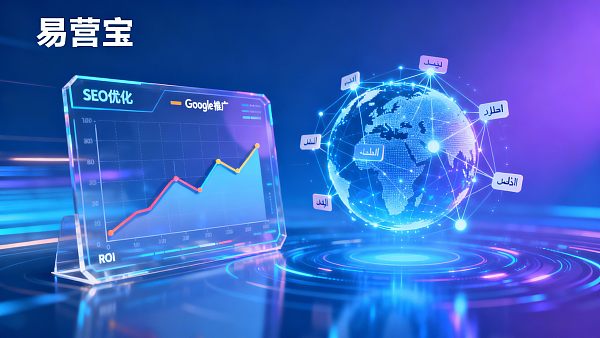
Future cross-border marketing will emphasize "tech + localization" dual-drivers, with AI’s role expanding in keyword research, TDK auto-generation, and multilingual content. FAQs: Q1: Can multilingual sites replace Google Ads? A1: Not entirely, but they significantly reduce long-term CAC. Q2: How to evaluate Google Ads optimization? A2: Monitor keyword conversion rates, quality scores, and LTV. Q3: How to measure social channel ROI? A3: Combine touchpoint costs with direct conversions and brand溢价. Why choose us: E-Commerce Treasure integrates an AI-driven all-in-one platform with global partners (Google Premier Partner, Meta官方代理, Yandex), offering "build-acquire-convert"闭环 services and quantifiable ROI solutions. Contact us for a three-month pilot plan tailored to your industry and target market, or request a free diagnostic form to explore new growth paths.
- Social Media Marketing
- Multilingual standalone site
- Independent Foreign Trade Website Construction
- Google Ads
- Google Ads
- Google Ads Optimization
- SEO+SEM Integrated Marketing
- Independent website construction
- Youtube
- TikTok
- Cross-border Marketing
- Campbell (name)
- SEO
- Independent site
- SEO Optimization
- Smart Website
- AI Marketing Engine
- Multilingual SEO
- Foreign trade independent website
- Multilingual website
Related Articles
 How to improve advertising effectiveness in multilingual website construction for foreign trade
 How Does Website Experience Affect Conversion Rates? Key Metrics Analysis for Boosting Foreign Trade Inquiries in 2024
 Why do independent websites have higher conversion rates than B2B platforms? Revealing the traffic closed-loop strategies of successful enterprises
Related Products
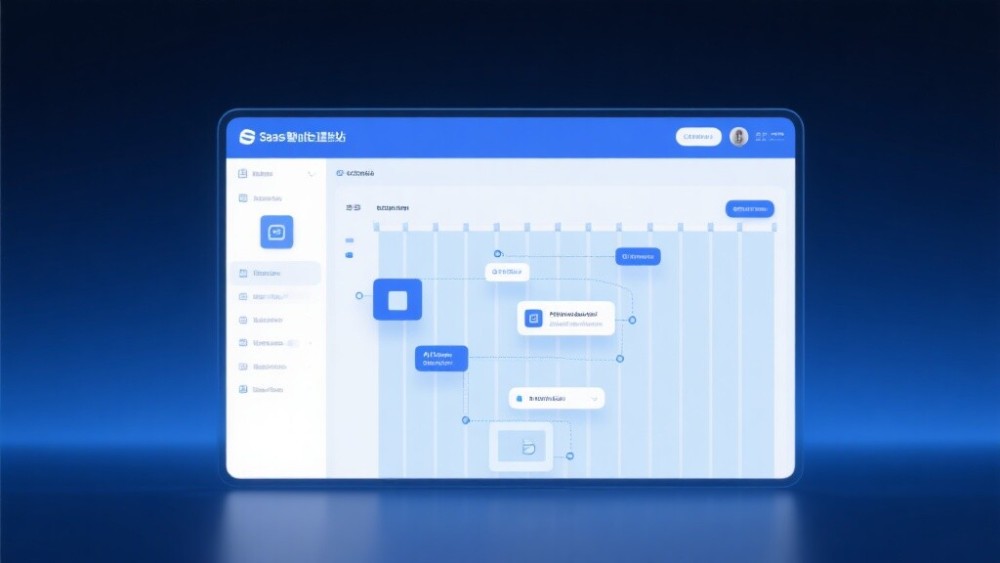
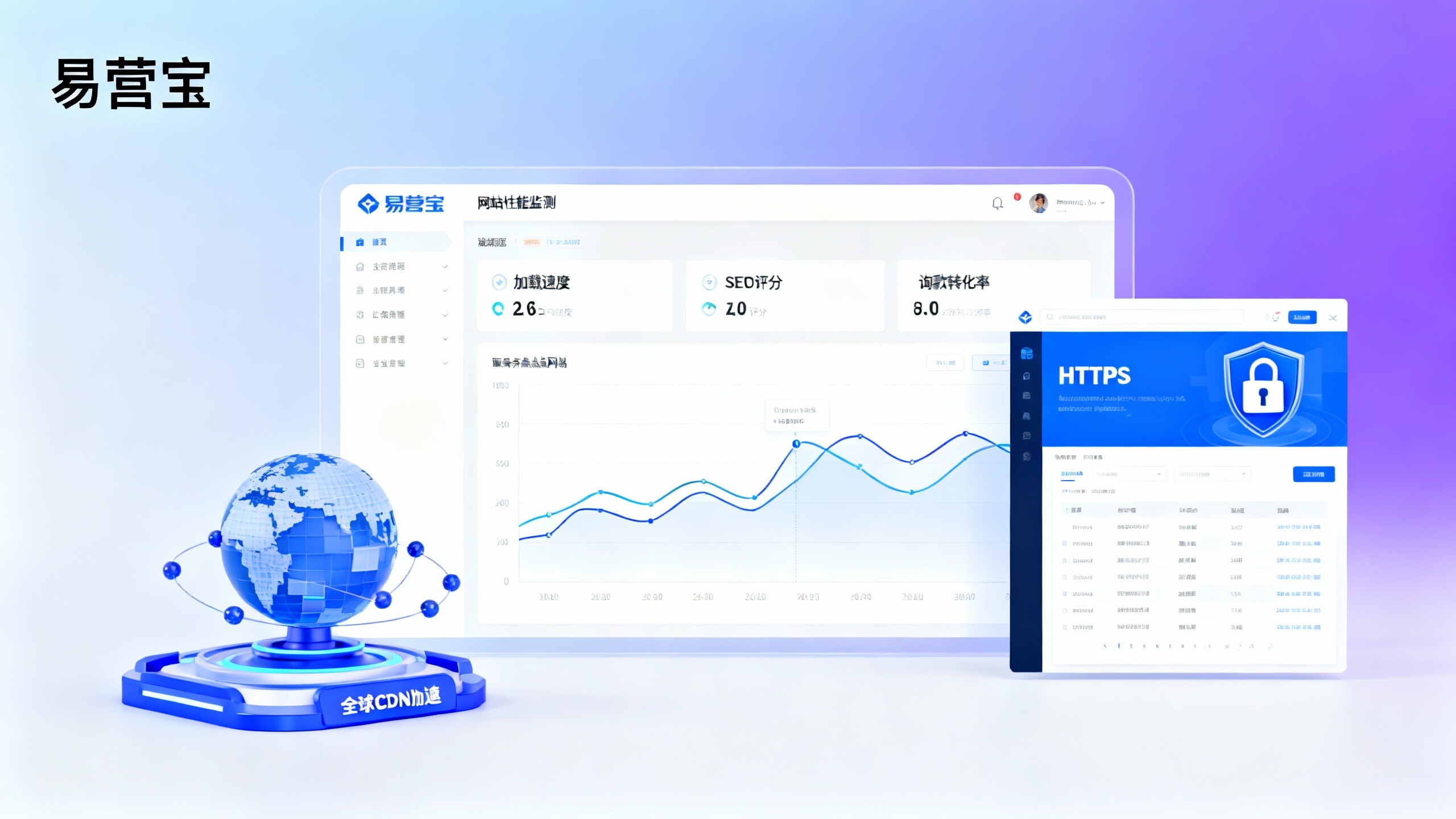
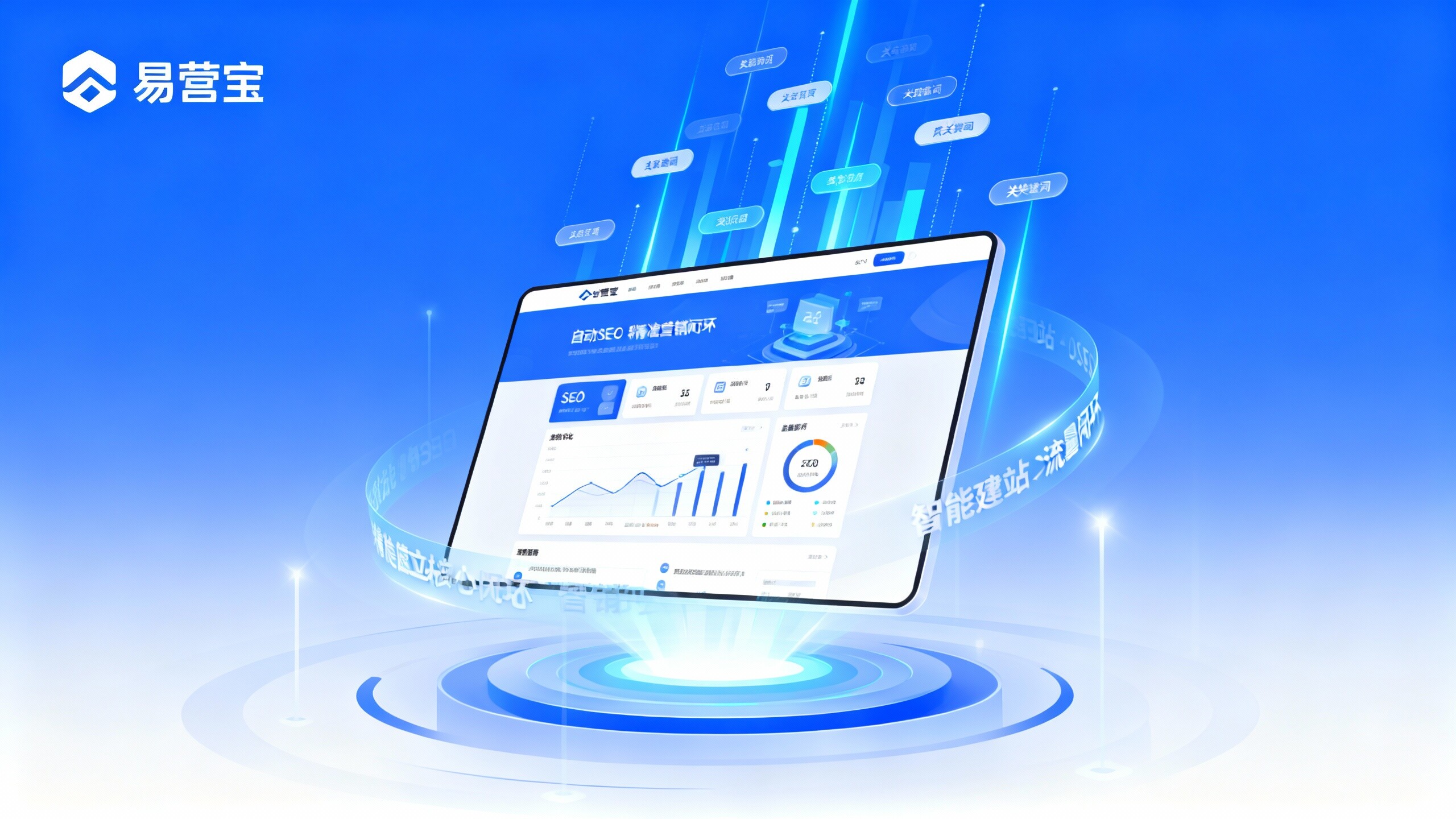
 EYB SaaS Intelligent Station Building and Marketing SystemYiyingbao SaaS intelligent station building and marketing system, AI-driven zero-code station building, 10-minute rapid construction of multi-language foreign trade independent station, global server acceleration, AI intelligent SEO optimization, help enterprises efficiently connect to the global market. The perfect fusion of technology and operation, so that foreign trade station building simple to the extreme!
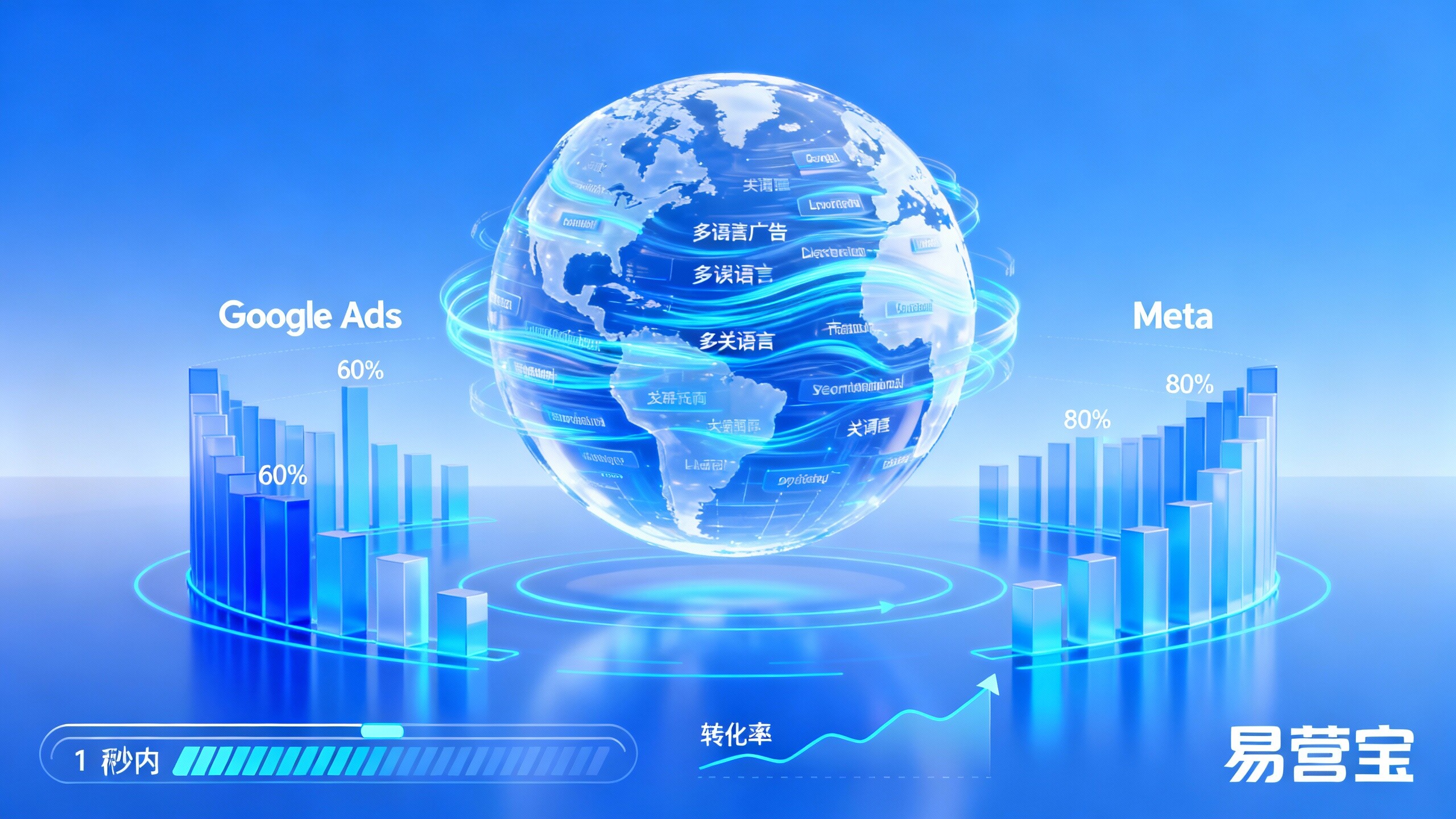
 AI+SEM Intelligent Advertising Marketing SystemAI+SEM drives intelligent campaign creation, empowering full-funnel precision advertising marketing. The system automatically generates weekly/monthly reports, AI-recommends keywords and target countries, monitors core metrics in real-time with intelligent alerts, and enables one-click high-conversion campaign launches to accelerate lead acquisition and boost ROI.
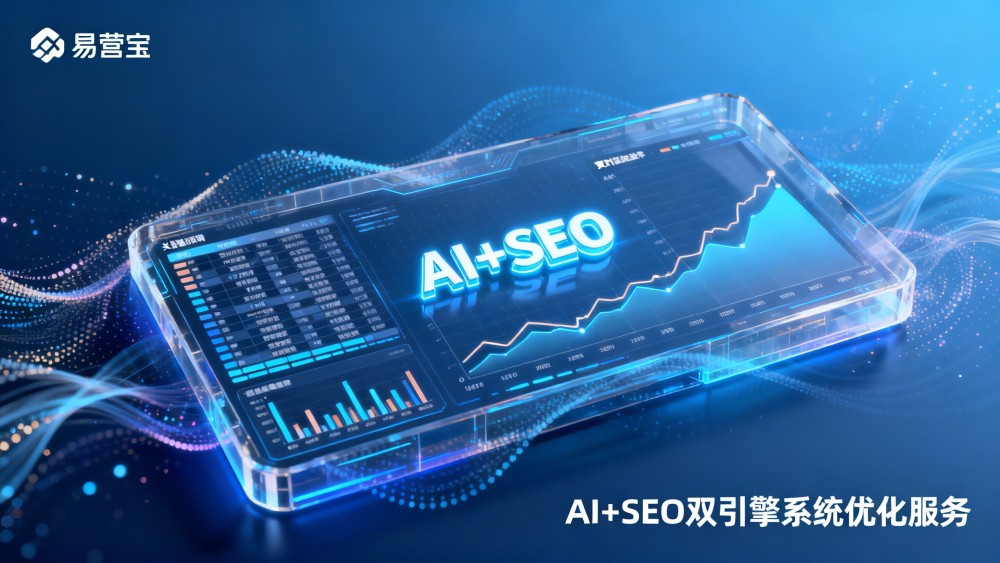
 AI+SEO Dual-Engine System Optimization ServiceE-Yingbao AI+SEO Dual-Engine Optimization System leverages AI-powered keyword mining, content generation, and comprehensive technical optimization to help export-oriented enterprises capture high-quality organic traffic, significantly boosting search rankings and conversion rates.
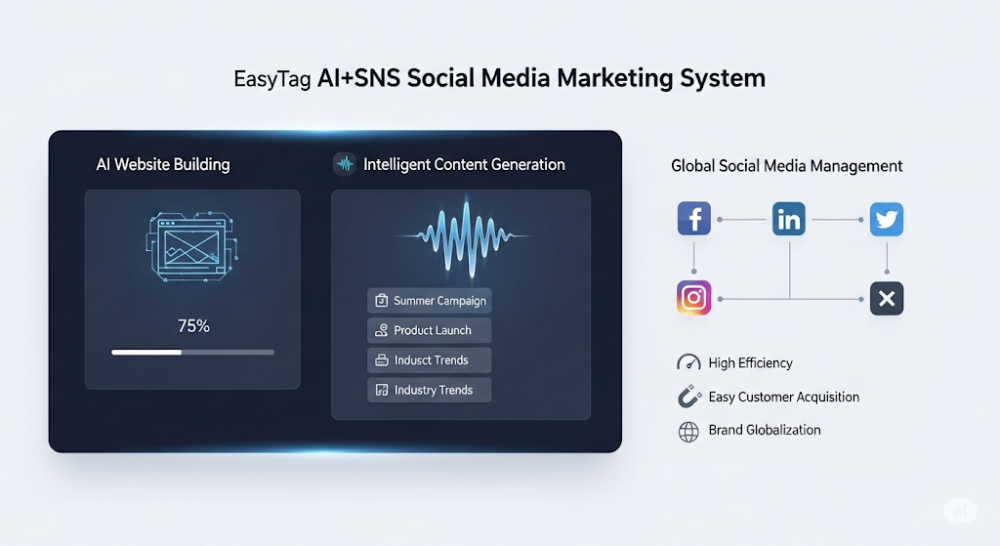
 AI + SNS Social Media Full Intelligence Marketing SystemEYBao AI+SNS Social Media All Intelligent Marketing System - Precise social capture in the era of social media, supporting one-click synchronization of content on mainstream platforms such as Facebook, LinkedIn, etc., AI intelligent rewriting of postings to enhance the degree of adaptability, 24/7 intelligent customer service and user profile analysis, helping enterprises to efficiently expand the global market.
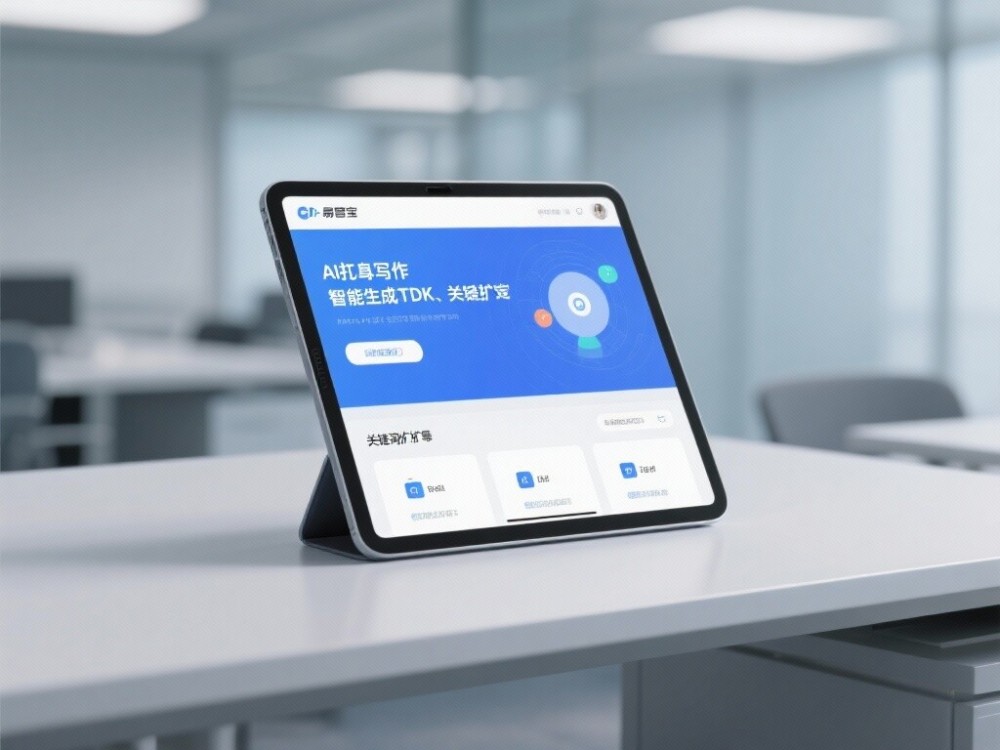
 AI+SEO Marketing SolutionEasyWin AI+SEO Marketing Solution leverages AI-powered batch content creation, intelligent TDK generation, and precise keyword expansion to comprehensively optimize website SEO performance, boosting traffic and conversion rates. Helps businesses build a highly efficient intelligent website ecosystem.
 AI+SEM Advertising & Marketing SolutionsAI+SEM advertising and marketing solution utilizes AI intelligent technology to deeply empower SEM advertising. Through AI intelligent generation of weekly/monthly reports, multi-dimensional presentation of account data, a comprehensive grasp of the effectiveness and trends of advertising, AI precise recommendation of keywords and countries, intelligent generation of high-conversion advertisement language, a key to start the efficient advertising program, helping enterprises to quickly acquire customers. At the same time, the system monitors the core indicators in real time, intelligently recognizes fluctuation abnormalities and warns them in time to ensure stable and high return of advertising effect.
 Domain Name ServicesEasy Operation provides professional domain services, including intelligent query, one-stop registration, brand protection, and full-cycle management, helping enterprises build a digital brand image.
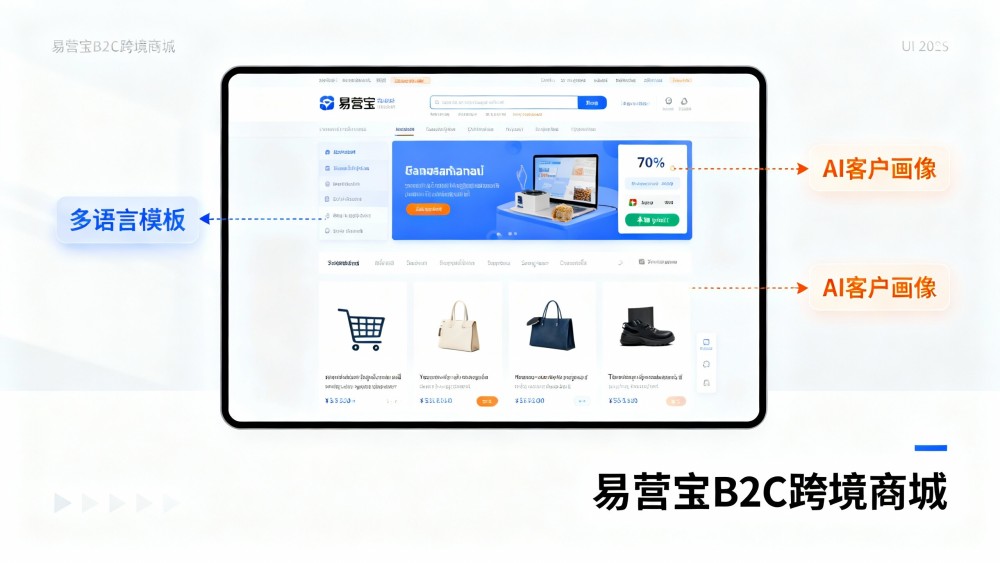
 EasyStore B2C Cross-border E-commerce Platform, Independent SiteEasyStore B2C Cross-border E-commerce Independent Store is an intelligent website building and cross-border e-commerce integrated solution independently developed by EasyStore Information Technology (Beijing) Co., Ltd. The system is specifically designed for small, medium, and large export enterprises, integrating 'website building, operation, marketing, advertising, and conversion' into one platform, helping businesses quickly establish cross-border e-commerce independent stores to achieve brand globalization and global sales growth.
The platform supports multiple languages, currencies, and multi-channel marketing, with built-in AI intelligent translation and SEO optimization systems, suitable for mainstream markets such as Southeast Asia, Europe & America, Latin America, and the Middle East, assisting Chinese manufacturing enterprises in efficiently deploying international e-commerce strategies. SSL CertificateEasyCert provides professional SSL security certificate services, including single-domain and wildcard certificates, ensuring encrypted data transmission, identity verification, and integrity protection for websites. This empowers businesses to establish secure and trustworthy online business environments.