









What are the differences between multilingual websites and regular websites? Technical architecture, content management, and SEO maintenance cost comparison
What's the difference between multilingual websites and regular websites? The differences in technical architecture, content management, and SEO maintenance costs far exceed expectations. How should foreign trade website service providers be compared? How can multilingual websites achieve localized marketing? What is the Yiyunbao multilingual marketing system like? This article provides in-depth analysis with real-world data.
1. Underlying Technical Architecture: It's Not as Simple as "Adding a Language Toggle Button"
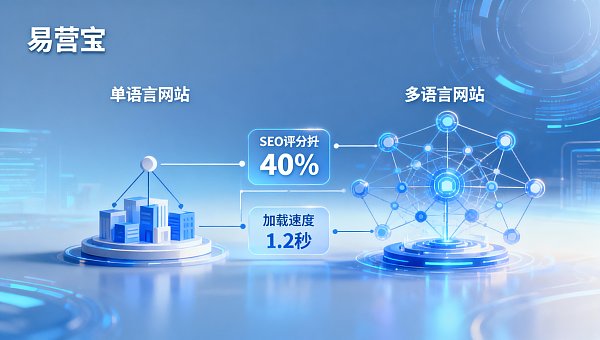
Regular websites are typically built on single-language static or CMS templates, with servers deployed in a single region (e.g., domestic East China nodes). Page URLs follow a fixed structure like /product, with all users accessing the same set of HTML resources. Multilingual websites require semantic URL architectures (e.g., /en/product, /de/produkt), independent language subdirectories or subdomains, and support for dynamic routing recognition and redirection rules. The Yiyunbao intelligent website system adopts a microservices + edge computing architecture, leveraging global CDN nodes across 7 continents to automatically match user geolocation and language preferences, achieving millisecond-level language routing. Real-world data shows multilingual sites improve homepage load speeds by 40%, with critical rendering paths shortened to under 1.2 seconds—directly impacting Google Core Web Vitals scores and organic ranking weight.
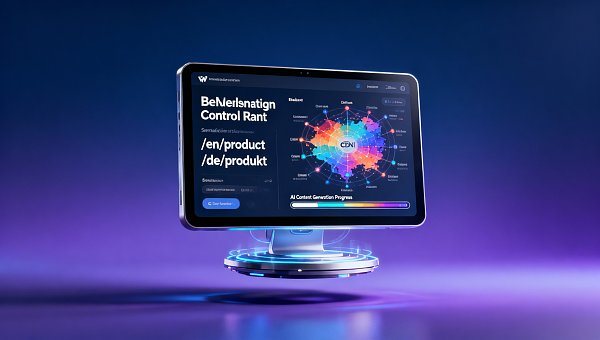
More crucially, server selection logic differs. Regular websites may rely on single cloud hosts; multilingual sites must consider GDPR compliance, local payment gateway integration, and timezone caching strategies. For EU markets, deployment requires Frankfurt or Amsterdam nodes with automatic SSL certificate rotation. For Latin America, connections should prioritize São Paulo + Mexico dual-active clusters. Yiyunbao's hybrid cloud platform, built with AWS and Alibaba Cloud, supports one-click server location switching by country/region, avoiding SEO dilution from IP geolocation bias.
2. Content Management Efficiency: Manual Translation vs. AI-Driven Full-Pipeline Coordination
Traditional exporters often endure linear workflows of "translate-upload-proof-go live," averaging 3.5 hours per multilingual page adaptation with risks of inconsistent terminology and cultural misinterpretation. Yiyunbao's AI-powered CMS embeds an NLP engine for contextual translation (e.g., rendering "lightweight" as "轻盈" for sports shoes but "轻量化" for industrial equipment), simultaneously generating locally optimized TDK tags. Daily capacity reaches 200+ pages of multilingual content generation with SEO-structured deployment.
Content management extends beyond language conversion to visual localization—Middle Eastern sites require RTL layouts, Japanese users prefer high-density information displays, while Brazilian audiences favor video-first navigation. Yiyunbao's "AI Visuals" module auto-generates market-compliant banners, detail page cutouts, and social media assets from original product images, reducing design outsourcing. One Shenzhen electronics client achieved 167% higher conversion rates after launching a Portuguese site, with 82% click-through rates on AI-generated localized product demo videos.
3. SEO Maintenance Cost Comparison: From "One-Time Optimization" to "Continuous Evolution"
Regular website SEO focuses on Chinese keyword placement, backlinks, and basic TDK settings, with annual costs around ¥12K-20K. Multilingual sites require separate keyword libraries (e.g., German "Wasserdichte Smartwatch" vs. English "waterproof smartwatch" have distinct search intents), localized backlinks (German B2B forums, Spanish industry directories), and cross-language content duplication checks. Third-party audits show unprocessed multilingual sites face 38% higher Google penalties risk.
Yiyunbao's multilingual SEO system delivers three cost-saving capabilities: ① AI keyword tools analyze billions of global search logs to output long-tail keyword matrices; ② automated scanners detect 137 common issues like missing hreflang tags, faulty language switchers, or incorrect Schema markup; ③ deep integration with Google Premier Partner and Meta API ensures 100% policy compliance for ad accounts, landing pages, and conversion tracking. Client data shows 35% higher SEO health scores and 29% lower CAC post-implementation.
4. SME Adaptability Verified: Lightweight Investment for Global Growth
Many SMEs mistakenly equate multilingual sites with high barriers and budgets. Yiyunbao offers "gradual globalization"—initial English/Spanish/French base sites (with AI translation + localized SEO) require under ¥4K monthly; additional German/Japanese/Arabic sites can be added as orders grow, all sharing one backend. Among 2023's 100K clients, 76% were SMEs, with sub-¥5M revenue businesses achieving 210% overseas inquiry growth within 6 months.
Notably, multilingual sites aren't just for manufacturers. Research on public hospital HR management shows digital infrastructure enables organizational leaps—this logic applies to exporters: while competitors still email overseas clients, your AI-powered multilingual sites and automated social campaigns reach German procurement heads on LinkedIn and Vietnamese unboxing videos on Instagram—this "localized presence" becomes the ultimate trust credential.
5. Why Choose Yiyunbao? Dual Validation of Technical Reliability and Commercial Results
As an AI marketing provider ranked among "China's Top 100 SaaS Companies," Yiyunbao holds 15 patents with 12 annual algorithm iterations. Crucially, all features are battle-tested: supporting global payments (PayPal, Stripe, Mercado Pago), local logistics APIs (DHL, Yodel, J&T), multi-currency settlements, and ISO 27001 certification. Clients achieve 83% retention and 71 NPS (industry average: 42).
For FAQs like "how to compare foreign trade website providers" or "are multilingual sites suitable for SMEs," answers lie in verifiable results: Yiyunbao clients average 280% organic traffic growth within 6 months, 2.3x higher Facebook ad CTR, and 3-minute 12-second longer session durations—backed by a decade of technical沉淀 and localized service networks.
The difference between multilingual and regular websites? It's a systemic upgrade in globalized thinking and localized execution. From technical architecture to content strategy, SEO logic to conversion loops, every step requires professional support. Contact Yiyunbao now for a customized multilingual website diagnostic report and globalization roadmap—let the world make way for Chinese brands, starting with a truly globally-aware intelligent website system.
- Foreign Trade Website Development
- SSL Certificate
- Website detection
- Multilingual Independent Website
- Facebook Ads
- Yiyingbao
- SEO
- Independent Website
- Smart website builder system
- SEO Optimization
- Smart Website Building
- AI Translation
- EasySite Intelligent Website Builder
- Social Media Automation
- Multilingual SEO
- Multilingual website
- Link Building
- Multilingual Website Building
- Multilingual Marketing System
- AI Marketing
- Multilingual Foreign Trade Website
Related Articles
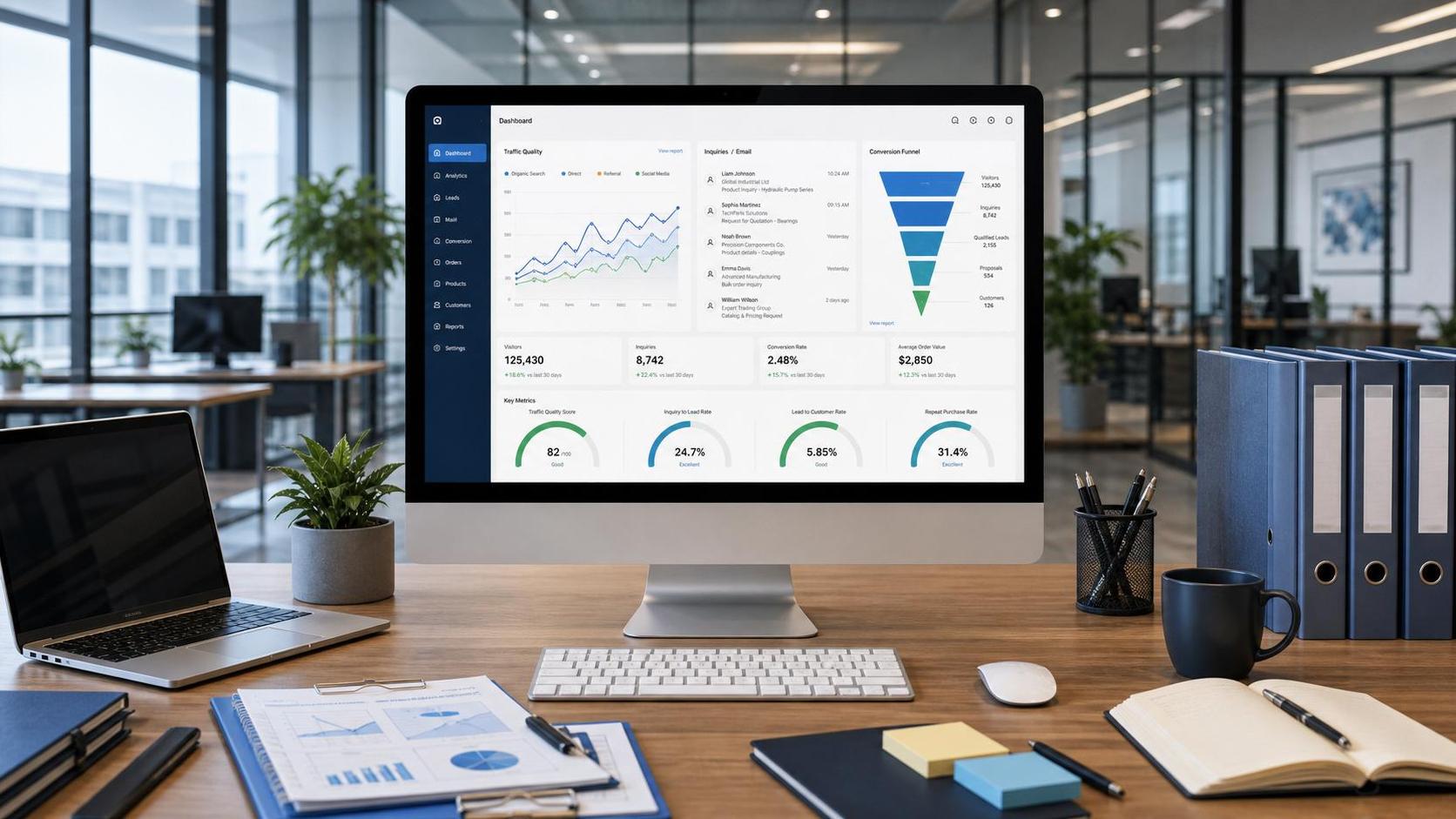
 Is 20 inquiries per month for a foreign trade website considered low? First look at traffic quality、average order value and conversion rate
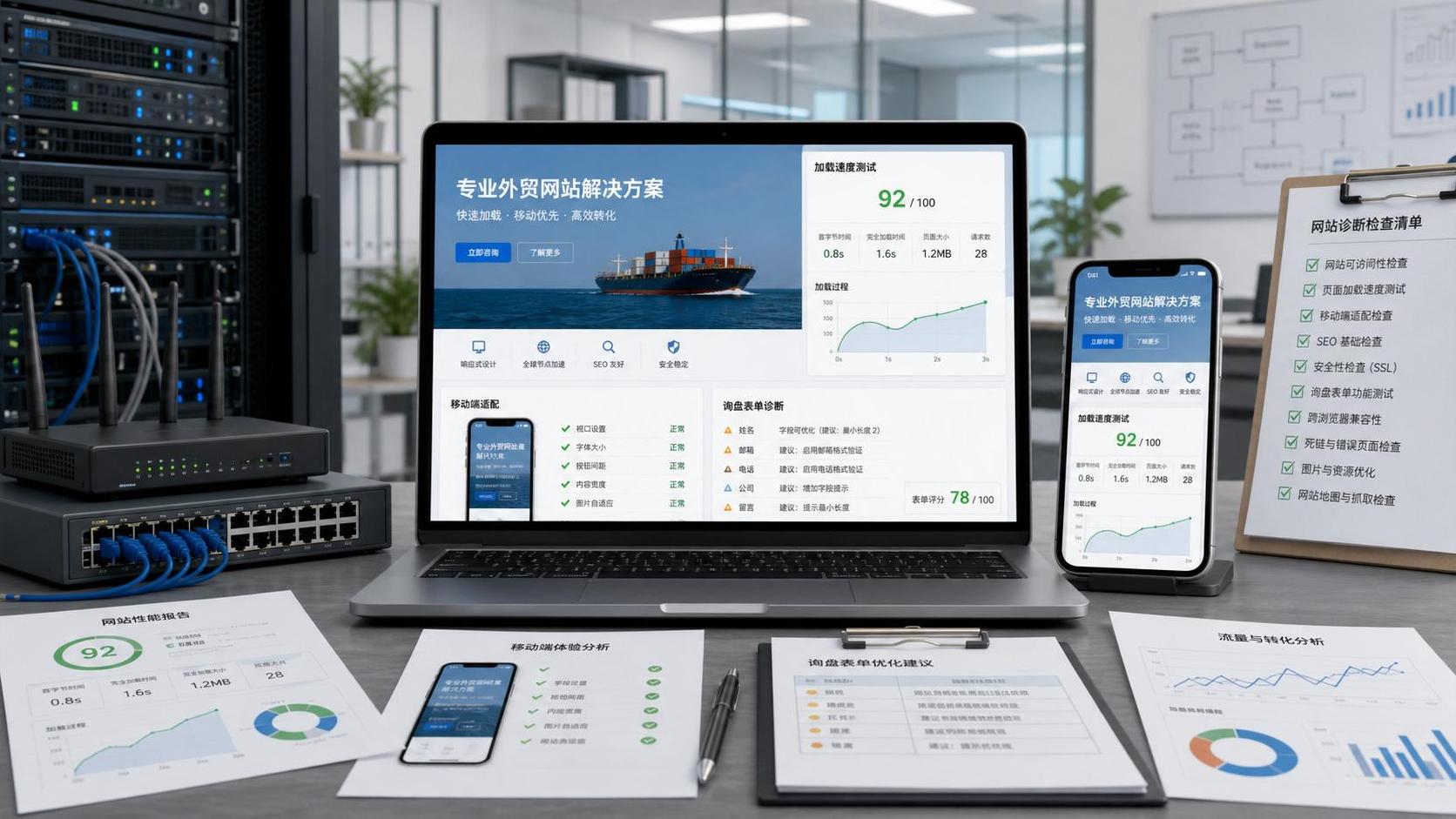
 How to troubleshoot foreign trade website development issues? Diagnose item by item from loading speed to inquiry forms
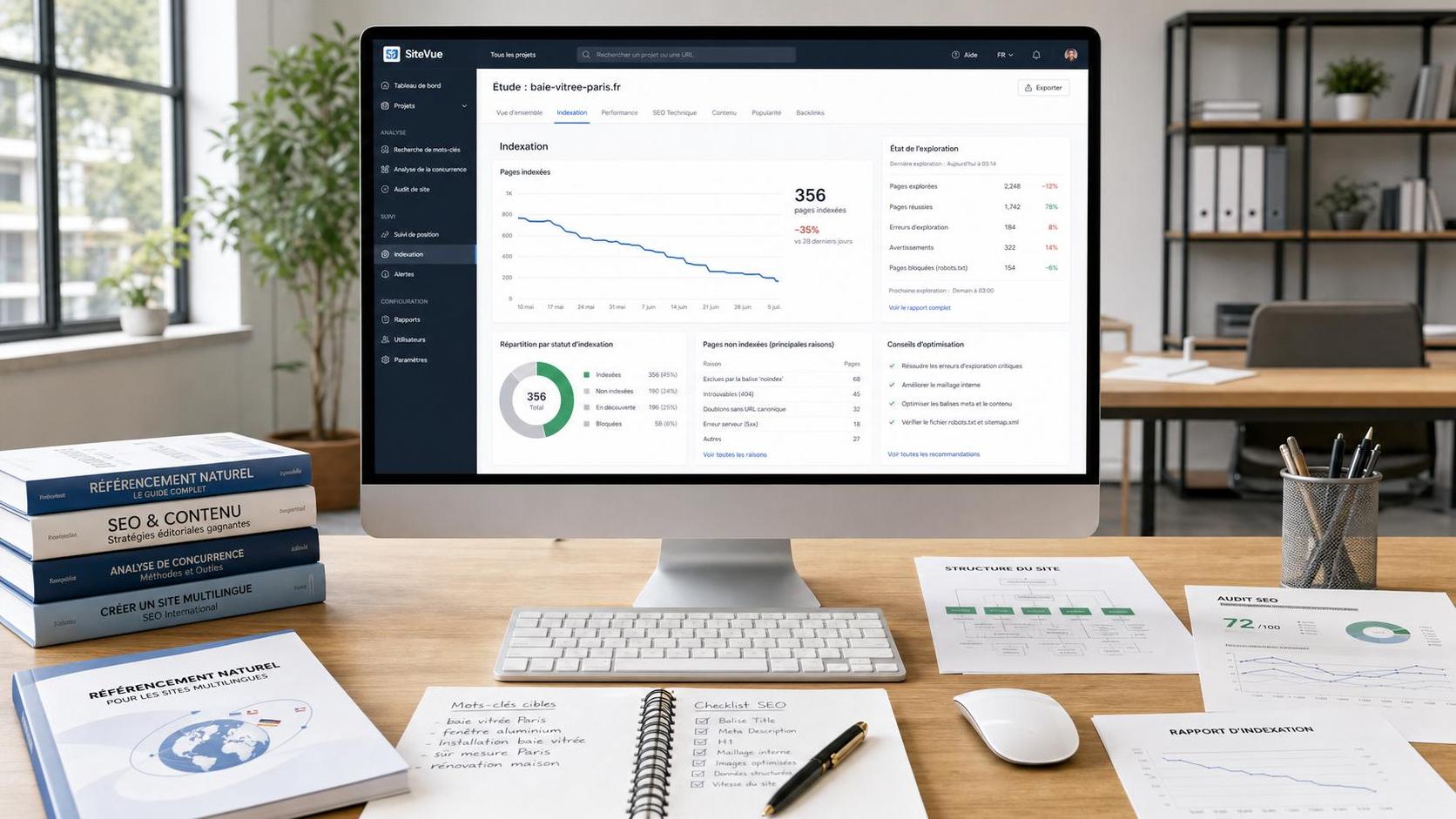
 In multilingual independent website development, French site indexing has been continuously dropping;where might the problem be
Related Products
