









- What multilingual website services are available in Sanya? Which model is more suitable for local businesses going global?Jul 08, 2026View details
- How to view the complete list of China SaaS companies in the top 100? Practical methods for screening website-building and marketing service providersJul 08, 2026View details
- How to view pricing in the global traffic ecosystem? Cost comparison of search, social media, and content channel advertisingJul 06, 2026View details
- How to assess foreign trade website development trends?Looking at 2026 changes from multilingual,AI content to conversion pathsJul 04, 2026View details
- What are the new trends in multilingual marketing data analytics tools in 2026? Focus on attribution、automation and complianceJul 04, 2026View details
- Is Brand Globalization Marketing Consulting Worth Buying? At What Stage Should Companies Bring It InJul 01, 2026View details
Is the cost of independent website ad placement too high? Even small-budget enterprises can leverage precise exposure.
Introduction
Is the cost of independent website ad placement high? In the era of AI and big data-driven precision marketing, even small-budget enterprises can achieve localized content production and efficient exposure for their independent websites. Through intelligent tools, reasonable ad placement strategies, and a multi-platform integrated backend, limited budgets can still help brands establish precise exposure and high-quality traffic closed-loop in global markets. For enterprises at different stages, understanding the cost structure and optimization direction of ad placement is the first critical step to achieving digital growth.
I. Definition and Overview—The Essence and Value of Independent Website Ad Placement

Independent website ad placement refers to cross-border promotional activities conducted by enterprises on their self-built websites (non-third-party platforms). The core objective is to attract high-matching potential customers to the brand's own website through search, social media, display networks, and other methods. Unlike platform ads, independent websites offer higher data autonomy and brand operational freedom. However, ad efficiency, cost control, and localized content production often become the most critical concerns for decision-makers. For small and medium-sized B2B enterprises, cross-border e-commerce, and manufacturing companies, the question of whether independent website ad placement is costly is not just about budget but also about the continuous optimization of ROI (Return on Investment).
II. Industry Background and Market Analysis
According to insights from E-Commerce Information Technology (Beijing) Co., Ltd. over a decade, the global digital advertising market is entering a new phase of "AI-driven + refined growth." Intensified competition on platforms like Google, Meta, and Yandex has led to an annual increase of 10%–20% in cost-per-click (CPC). In contrast, Chinese brands leveraging AI algorithms and big data applications have the opportunity to reduce costs and increase efficiency. For example, E-Commerce's intelligent website system can improve independent website SEO scores by 35%, increase ad conversion rates by 200%, and significantly reduce customer acquisition costs (CPA).
Industry data shows that enterprises using intelligent ad optimization engines experience an average 28% reduction in overall ad placement costs and a 37% shorter user conversion cycle. Therefore, the cost of independent website ad placement depends not only on the pricing environment of media platforms but also on whether enterprises possess AI data capabilities and can precisely master content production, audience targeting, and automated ad placement strategies.
III. Application Scenarios and Implementation Paths
Different types of enterprises have varying needs in independent website ad placement. For cross-border e-commerce, the focus is on short-cycle, large-scale ad material testing to quickly validate market feedback. For B2B enterprises, the core lies in keyword refinement and high-conversion landing page optimization. Small-budget enterprises aiming to "achieve big results with small investments" can leverage AI ad management tools to automate account diagnostics, identify underperforming keywords, and swiftly adjust strategies. Additionally, AI-generated high-CTR ad copy and localized content can effectively address the long-standing pain point of "difficulty in localized content production for independent websites," ensuring ad materials align with cultural contexts.
For instance, a Dongguan-based manufacturing company using E-Commerce's automated social media operations reduced monthly ad spending by 42% and average cost-per-click by 30% compared to manual ad management. More importantly, real-time behavioral data tracking via the AI marketing backend successfully attracted high-intent customers from Russia, India, and Eastern Europe, validating the market proposition of "Yandex ad placement effectiveness"—AI ad optimization can break through placement barriers in multilingual, multi-platform collaborative environments.
IV. Cost and Alternative Solutions
Many small and medium-sized enterprises perceive independent website ad placement costs as prohibitively high, often due to the lack of a data closed-loop or standardized content system. Traditional methods relying on manual editing and budget allocation are not only time-consuming but also lack precision. Modern AI ad systems, through automated cycle detection, pricing strategy simulation, and hierarchical budget adjustments, can effectively replace substantial labor costs.
When evaluating ad placement costs, they can be divided into three parts:
- Ad platform expenses: Including click costs on Google Ads, Meta, and Yandex.
- Creative and content production: AI automation tools can reduce manual editing costs by over 50%.
- System and SaaS tool usage fees: Such as subscription costs for global website SaaS platforms, scalable based on needs.
V. Technical Performance and Ad System Optimization
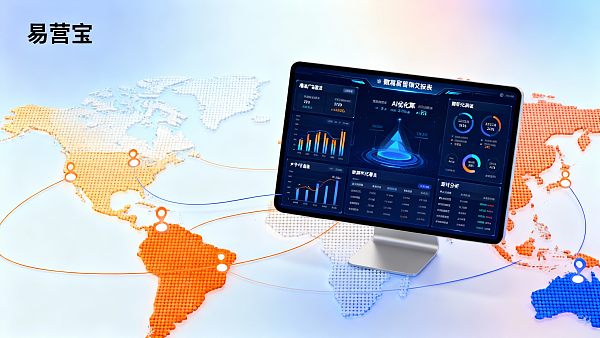
The core performance of AI ad systems lies in data processing speed and algorithm self-learning capabilities. E-Commerce's AI ad management platform, powered by machine learning algorithms, undergoes 12 annual iterations, reducing diagnostic response times to seconds. The system automatically generates dynamic keyword libraries, matches multilingual ad materials with target market cultural tendencies, and improves ad click-through rates and brand affinity.
Additionally, its proprietary technology backend supports global billion-level data integration, providing clients with visualized media chain analysis and budget balancing recommendations. Combined with AWS and Alibaba Cloud's global CDN acceleration nodes, ad landing pages load 40% faster than industry averages, further optimizing user experience. Simultaneously, automatic SSL encryption and DDoS defense mechanisms ensure ad landing security, suitable for high-compliance scenarios in finance, education, and manufacturing.
VI. Comparative Analysis: Template Websites vs. Independent Websites
Many enterprises initially ask: "Are template websites suitable for foreign trade businesses?" From a cost perspective, template solutions require lower investment but offer limited SEO weight and ad conversion rates. In contrast, SaaS-based independent websites allow flexible functional module expansion and full-channel data integration, especially suited for cross-border e-commerce and B2B marketing. With AI-generated website structures and automated TDK optimization, enterprises can achieve rapid indexing within weeks, addressing the pain point of "how to quickly index websites on search engines."
E-Commerce's intelligent website system, combined with AI keyword expansion and dynamic optimization technologies, helps clients launch fully functional sites within seven days, reducing development cycles by 60% and maintenance costs by 30% compared to traditional custom development. Multilingual translation engines support English, Russian, Portuguese, and other outputs, enabling effortless global exposure.
VII. Client Cases and Success Stories
A Ningbo foreign trade company faced low ROI and slow material updates. After implementing E-Commerce's AI marketing engine, the system automatically generated 1,000+ optimized keywords and ad materials daily, complemented by intelligent website detection tools to continuously refine SEO structures. As a result, organic Google traffic grew by 160%, ad conversion rates rose to 8.3%, and average customer acquisition costs dropped to less than half. Another manufacturing company expanded into the Russian market within three months through Yandex segmented ad placement, significantly enhancing brand exposure.
These cases demonstrate that, regardless of budget size, the core lies in building an AI + data-driven full-chain system. With the right approach, independent website ad placement costs can be controlled and even yield higher returns.
VIII. FAQ: Common Misconceptions and Optimization Tips
A common misconception is that "low budgets cannot achieve effective exposure." In reality, the key lies in strategy, not budget. Recommendations:
- Test small-scale ad groups via AI algorithms to identify high-performing materials;
- Optimize keywords and landing pages through A/B testing;
- Combine social media matrices to create "ad + social" collaborative paths.
IX. Trends and Future Outlook
Over the next three years, AI and big data will continue reshaping the digital advertising ecosystem. As global traffic platforms diversify, enterprises need more flexible ad solutions. E-Commerce plans to integrate AI algorithms with blockchain, building a decentralized traffic distribution mechanism to ensure ad data transparency and trust. Additionally, with the rise of emerging markets like Latin America and Africa, cross-language ad placement will become a focal trend.
Notably, the upcoming AI Digital Marketing Academy project will train thousands of professionals, empowering Chinese brands to go global in smarter, more localized ways.
X. Why Choose Us
As one of China's top SaaS enterprises, E-Commerce Information Technology (Beijing) Co., Ltd. leverages "technological innovation + localized services" to provide global marketing solutions for over 100,000 enterprises. Whether it's B2B website cost control, precise ad placement, or independent website social media strategies, E-Commerce delivers high-efficiency empowerment through AI algorithms and data insights. Upholding the value of "client success > everything," the company offers end-to-end services from website building, SEO, ads to automated operations. If you seek sustainable global exposure strategies, contact E-Commerce's professional team today to embark on a new journey of digital marketing growth.
- Website Development
- Social Media Marketing
- Website detection
- B2B website
- Click-through rate
- Google Ads
- Yandex Advertising
- Template website
- Yiyingbao
- SEO
- Independent Website
- Smart website builder system
- Smart Website Building
- EasySite Intelligent Website Builder
- AI Marketing Engine
- Social Media Automation
- Independent site SEO
- Global CDN Acceleration
- Yandex ad placement
- Global Website Building SaaS Platform
- SaaS Website Building System
- Social Media Marketing Strategy
- How to achieve fast website indexing
- cross-border e-commerce
- EYB AI Marketing
- AI Marketing
- AI Ad Optimization
Related Articles
 What do I need to prepare to configure payment in a WeChat Mini Program? Merchant ID, certificate, and review process explained.
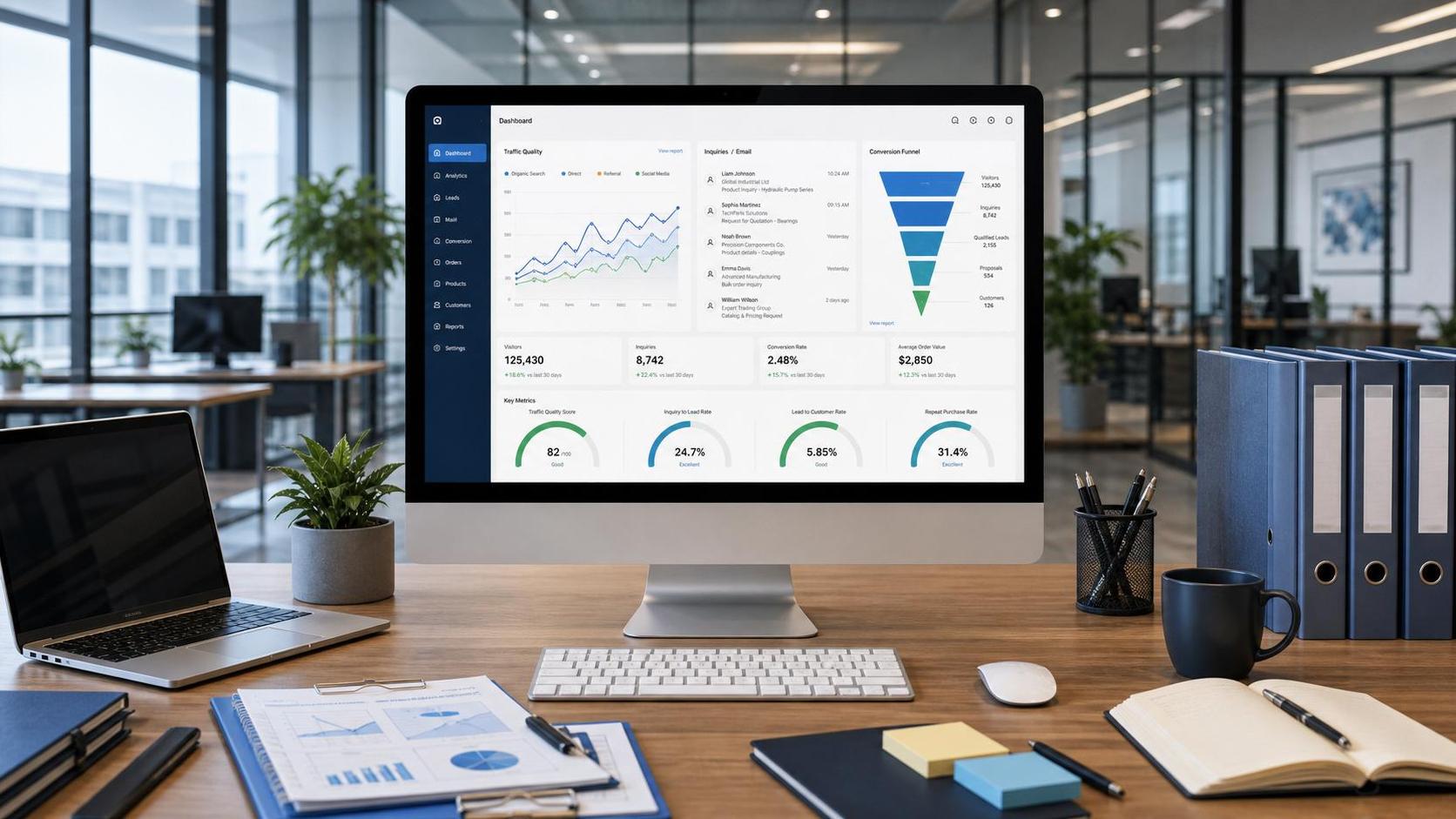
 Is 20 inquiries per month for a foreign trade website considered low? First look at traffic quality、average order value and conversion rate
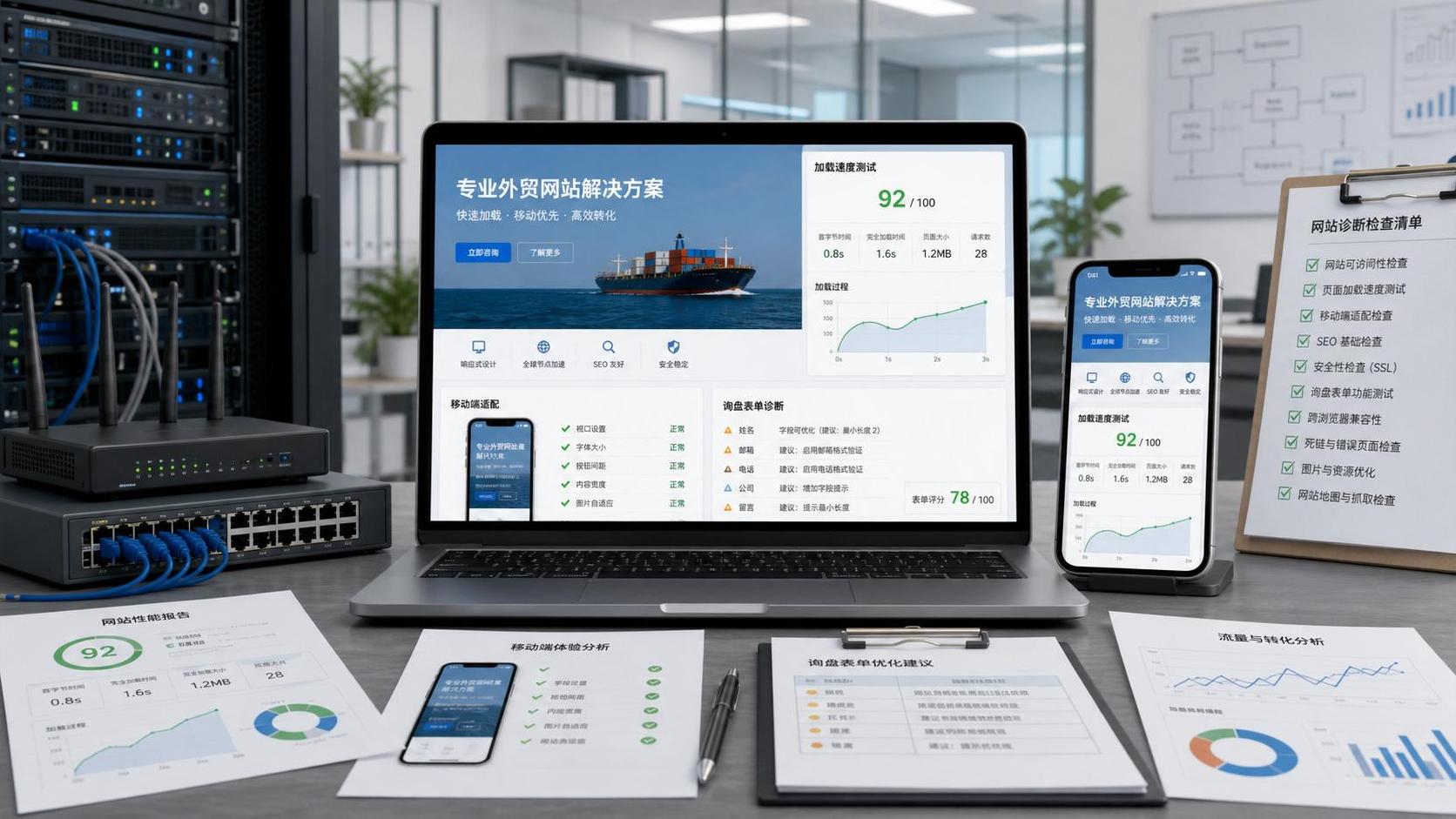
 How to troubleshoot foreign trade website development issues? Diagnose item by item from loading speed to inquiry forms

Related Products
 EasyCamp SaaS Smart Website Marketing SystemE-Yingbao SaaS Smart Website Marketing System: AI-powered, zero-code website building. Rapidly launch multilingual independent e-commerce sites in just 10 minutes. Global server acceleration and AI-driven SEO optimization empower businesses to efficiently connect with global markets. The seamless integration of technology and user-friendly operation makes building e-commerce sites incredibly simple.
 AI+SEM Intelligent Advertising Marketing SystemAI+SEM drives intelligent ad creation, empowering full-funnel precision advertising marketing. The system automatically generates weekly/monthly reports, AI recommends keywords and target countries, monitors core metrics in real-time with intelligent alerts, and enables one-click high-conversion ad solutions to help quickly acquire customers and improve ROI.
 AI+SEO Dual Engine Optimization ServiceEasyWin AI+SEO Dual Engine Optimization System leverages AI-powered keyword mining, content generation, and comprehensive technical optimization to help foreign trade enterprises acquire high-quality organic traffic, significantly improving search rankings and conversion rates.
 AI+SNS Social Media Marketing SystemYingbao AI+SNS Social Media Marketing System - Precision social capture for the social media era. Supports one-click content synchronization across major platforms like Facebook and LinkedIn. AI intelligently rewrites posts for enhanced relevance. 24/7 AI customer service and user profiling analysis empower businesses to efficiently expand into global markets.
 AI+SEO营销解决方案易营宝AI+SEO营销解决方案,通过AI批量写作、智能生成TDK、精准关键词扩词等功能,全面优化网站SEO效果,提升流量与转化率。助力企业构建高效智能网站新生态。
 AI+SEM Advertising Marketing SolutionsAI+SEM Advertising Marketing Solution leverages AI technology to deeply empower SEM ad campaigns. It automatically generates weekly/monthly reports using AI, presenting account data across multiple dimensions for comprehensive insights into campaign performance and trends. The system precisely recommends keywords and target countries, intelligently generates high-conversion ad copy, and enables one-click activation of efficient campaign plans to help businesses rapidly acquire customers. Simultaneously, it monitors core metrics in real time, intelligently identifies abnormal fluctuations, and issues timely alerts to ensure stable, high-return advertising results.
 Domain Name ServicesEasyWin provides professional domain name services, including intelligent queries, one-stop registration, brand protection, and full lifecycle management, helping businesses build a digital brand image.
 EasyOperate B2C Cross-Border E-Commerce Platform & Independent WebsiteEasyStore B2C Cross-border E-commerce Independent Store is an intelligent website building and cross-border e-commerce integrated solution independently developed by EasyStore Information Technology (Beijing) Co., Ltd. The system is specially designed for small and medium-sized as well as large export enterprises, integrating 'website building, operation, marketing, advertising, and conversion' into one, helping enterprises quickly establish cross-border e-commerce independent stores to achieve brand globalization and global sales growth.
The platform supports multiple languages, multiple currencies, and multi-channel marketing, with built-in AI intelligent translation and SEO optimization systems, suitable for mainstream markets such as Southeast Asia, Europe and America, Latin America, and the Middle East, assisting Chinese manufacturing enterprises in efficiently deploying international e-commerce strategies. SSL证书易营宝提供专业SSL安全证书服务,包括单域名和泛域名证书,确保网站数据传输加密、身份验证和完整性保护,助力企业建立安全可信的在线业务环境。









