









- How to assess foreign trade website development trends?Looking at 2026 changes from multilingual,AI content to conversion pathsJul 04, 2026View details
- What are the new trends in multilingual marketing data analytics tools in 2026? Focus on attribution、automation and complianceJul 04, 2026View details
- Is Brand Globalization Marketing Consulting Worth Buying? At What Stage Should Companies Bring It InJul 01, 2026View details
- Cross-Border Marketing Trend Research: Why More and More Companies Are Starting to Deploy AI Search and GEO OptimizationJun 30, 2026View details
- Cross-Border Marketing Trend Research: How Independent Sites, AI Content, and Short-Video Customer Acquisition Are ChangingJun 30, 2026View details
- How Can a Brand Updates Page Be Made More SEO-Friendly? Analysis of Update Frequency, Content Structure, and Internal Linking StrategyJun 28, 2026View details
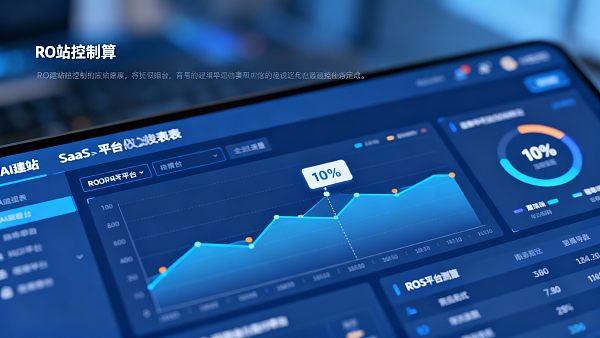
AI multilingual building system implementation cost and ROI measurement modeling
Introduction
The AI multilingual website system implementation cost and ROI calculation help decision-makers quantify investment returns and optimize global website SaaS platform deployment. This article targets users, operators, enterprise decision-makers, project managers, distributors, and end consumers, focusing on the input-output relationship and executable calculation models of multilingual foreign trade website systems in cross-border scenarios. Content will cover definitions and overviews, industry background, technical performance, procurement and selection, cost-alternative solutions, client cases, and decision-making recommendations. It assists enterprises in quickly obtaining quantifiable data and implementation guidance when choosing global website SaaS platforms and region-specific solutions, reducing trial-and-error costs and improving IDC SaaS platform user satisfaction.

Definition and Industry Background - Market Overview
An AI multilingual website system is defined as a closed-loop website operation platform driven by artificial intelligence and big data. It includes multilingual translation, content generation, SEO optimization, and traffic conversion functions. In the competitive landscape of global website SaaS platforms, multilingual foreign trade website systems and enterprise-grade multilingual CMS have become foundational infrastructure needs for cross-border foreign trade websites. Current research on China's intelligent website market shows that as overseas enterprises increase, demand for responsive self-service website systems and region-specific solutions has risen significantly. Easy Marketing Technology (Beijing) Co., Ltd., established in 2013, has adopted a dual strategy of "technological innovation and localized services," deeply cultivating intelligent website and AI marketing scenarios. Over a decade of accumulated experience has enabled its product line to achieve global coverage with clear advantages in performance stability and compliance capabilities. The company's AI-driven one-stop intelligent marketing platform is renowned for supporting independent website construction in Chinese, English, and more languages, integrating AI translation engines. Combined with global server clusters across seven continents, it enhances site loading speed and SEO ratings. On the market side, this type of system significantly reduces manual localization costs and accelerates traffic acquisition and conversion in target markets.
Technical Performance - Parameters and ROI Calculation Model
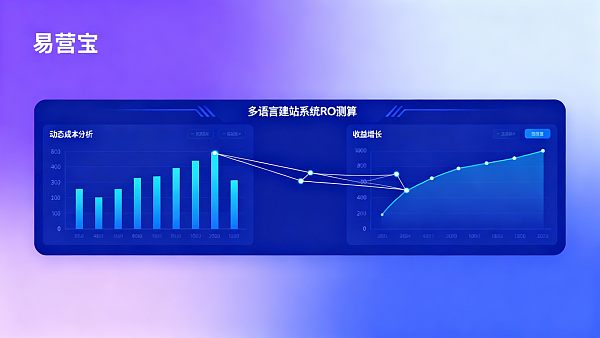
At the technical performance level, measurable core indicators include site loading time, server availability, SSL and DDoS protection, localized SEO ratings, keyword coverage, and ad placement return rates. The recommended ROI calculation logic is as follows: First, calculate initial implementation costs, including SaaS subscription fees, domain and hosting fees, multilingual translation and template customization, development and integration testing. Second, estimate ongoing operational costs, including content production, manual review, ad placement, and social media operations. Third, quantify benefits, including organic traffic growth, lead form conversion, e-commerce order growth, and direct returns from ad placements. After unifying these factors, use the standard ROI formula (net income divided by total investment) combined with sensitivity analysis to simulate variations across different markets and channels. For AI-driven platforms, efficiency improvements from AI can be included as parameters, such as AI keyword expansion and automatic TDK generation, which can improve content production efficiency by several times. AI image generation and creative factory models can reduce material costs and achieve over 50% staff reduction efficiency and ad conversion rate improvements, which should be factored into the model. This quantification directly validates the investment value of multilingual website systems for cross-border foreign trade and global SEO website deployment.
Procurement and Selection Guide - Cost-Alternative Solutions
Procurement and selection should be based on scenario needs. For example, cross-border e-commerce independent sites prioritize traffic conversion and payment-logistics integration, while B2B corporate websites focus on information retrieval and brand display. During selection, evaluate from these dimensions: 1. Functional maturity, including AI content generation, keyword recommendation, long-tail keyword mining, competition analysis, and real-time keyword ranking tracking. 2. Scalability, including enterprise-grade multilingual CMS support and region-specific solutions. 3. Compliance and security, including automatic SSL certificates and DDoS protection. 4. Service and localized support, including overseas operations and payment integration. 5. Cost and payment models, including performance-based or fixed subscriptions. In cost and alternative solution analysis, compare in-house teams, outsourcing, and SaaS solutions. In-house teams have high initial costs and complex maintenance; outsourcing is flexible but has uncertain long-term costs; mature global website SaaS platforms typically provide continuous AI capabilities within predictable costs. Easy Marketing's AI marketing engine and creative factory model, along with real-time diagnostic tools, can significantly reduce overall TCO and accelerate ROI, with payback periods typically ranging from 6 to 18 months, depending on industry and market scale.
Client Cases - Trends and Action Recommendations
In client practice, Easy Marketing has helped manufacturing and e-commerce clients establish multilingual independent sites. Subsequent AI keyword and TDK auto-generation strategies significantly improved organic traffic. For example, a cross-border e-commerce client using the system saw independent site global loading speed increase by 40%, SEO ratings improve by 35%, and ad conversion rates rise by 200% within three months. This case validates the commercial value of the technical backend, self-developed AI algorithm platform, and big-data-driven models. Current trends show multimodal AI generation and semantic expansion will become the next SEO growth point. Enterprises should prioritize these actions during deployment: 1. Set data-driven short- and long-term KPIs. 2. Combine AI content generation with manual review. 3. Establish continuous tracking and optimization mechanisms. 4. Conduct A/B tests in early stages to validate language market performance. For targeted calculation templates or industry benchmark data, we recommend starting with a free diagnostic, using platform tools to complete site technical and SEO gap analysis, and referencing our service products. For in-depth SEO execution, choose our SEO optimization service, which covers AI content generation, product descriptions, keyword recommendations, real-time keyword ranking tracking, and supports strategy customization and performance tracking.

FAQs - Why Choose Us - Contact Us
Common questions focus on payback period, multilingual quality, and SEO compliance. Answers are as follows: Payback periods are typically based on traffic acquisition efficiency and conversion improvements, with sensitivity analysis enabling precise predictions. Language quality is ensured through AI translation plus manual localization review. SEO compliance is achieved through dual technical and operational controls, including keyword strategies and localized content optimization. Easy Marketing has industry credentials, founded in 2013 with headquarters in Beijing. As a global digital marketing service provider driven by AI and big data, it has a decade of industry experience under the "technological innovation and localized services" strategy, offering full-chain solutions for intelligent websites, SEO optimization, social media marketing, and ad placement. It serves over 10,000 enterprises, ranked among China's top 100 SaaS companies in 2023 with over 30% annual growth and multiple technical patents. It has ecosystem support as a Google Premier Partner, Meta official agent, and Yandex partner. For region-specific website solutions or IDC SaaS platform user satisfaction improvements, contact us for customized ROI calculations and implementation roadmaps to start cost-reducing, efficiency-boosting global website deployment.
- Corporate website
- Foreign Trade Website Development
- SSL Certificate
- Social Media Marketing
- Multilingual Independent Website
- Social media management
- Independent website building
- SEO Optimization Services
- Yiyingbao
- SEO
- Independent Website
- SEO Optimization
- Smart Website Building
- AI Translation
- AI Marketing Engine
- AI Translation Engine
- Multilingual Foreign Trade Website System
- Global Website Building SaaS Platform
- Cross-border E-commerce Website
- Responsive self-service website system
- AI multilingual website system
- Global SEO Website System
- Geo-targeted Website Solution
- Enterprise-Grade Multilingual CMS
- Foreign Trade Website System
- Multilingual Website System
- 中国智能建站市场研究
- IDC SaaS Platform User Satisfaction
- Global Digital Marketing
- cross-border e-commerce
- Multilingual Website Building
Related Articles
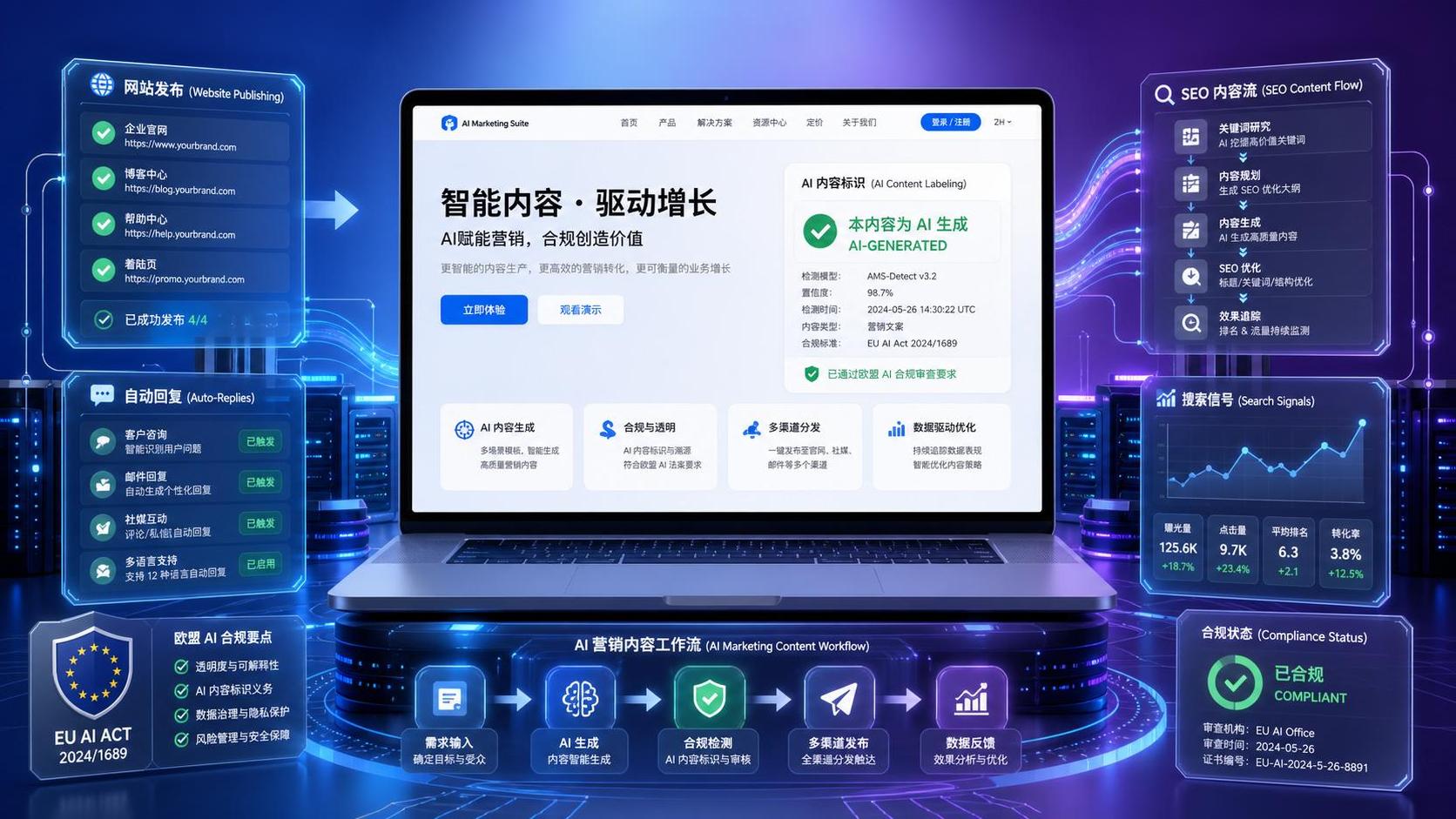
 EU New Rules on AI Content Labeling Take Effect in October, Tightening B2B Marketing Compliance Requirements
 What should you prepare for the rapid launch of an AI website building system?Content、domain name and template configuration checklist
 How Can Website Building Tools Reduce Advertising Costs?Optimization Ideas from Landing Page Speed to Conversion Tracking

Related Products
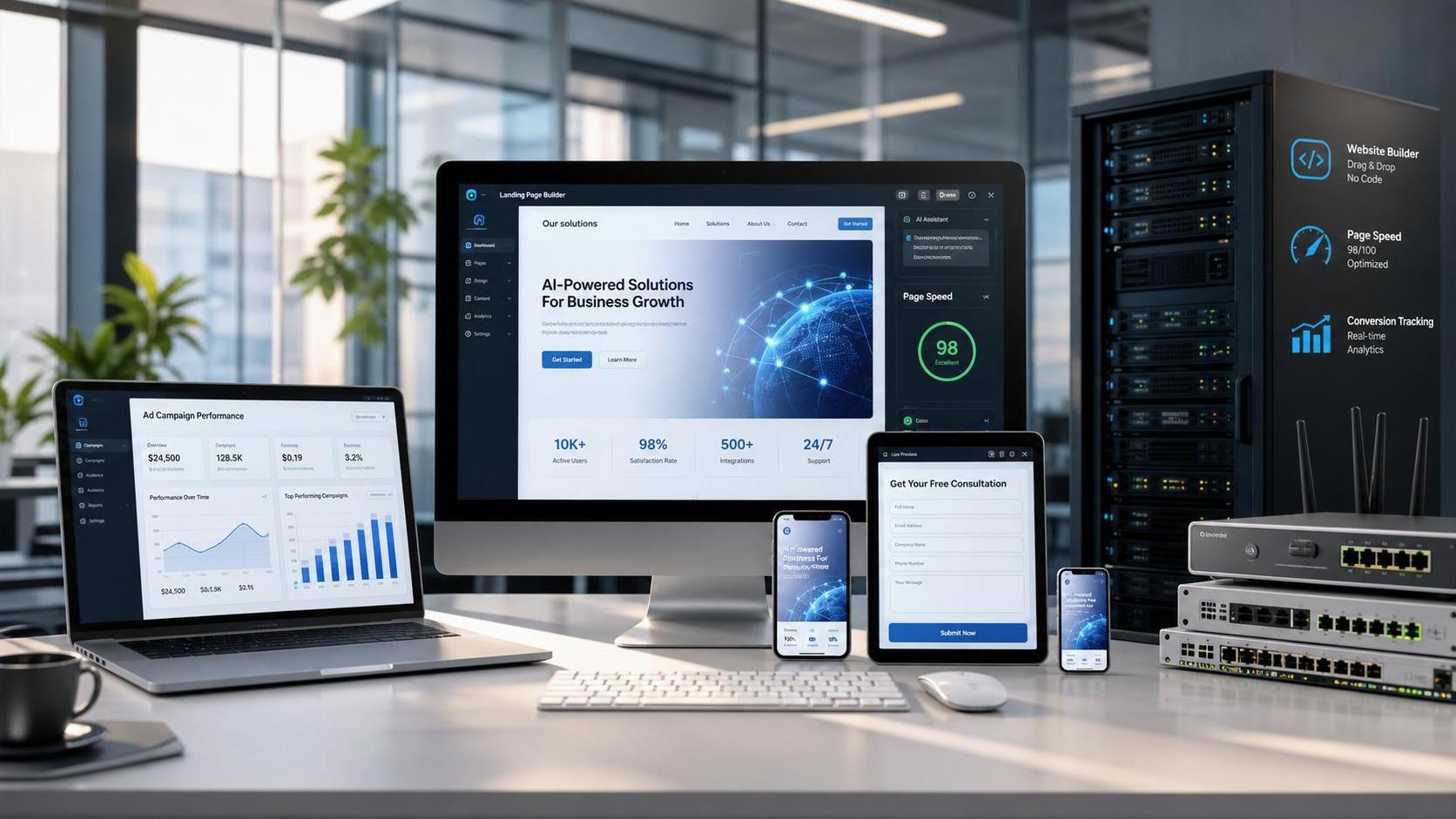
 EasyCamp SaaS Smart Website Marketing SystemE-Yingbao SaaS Smart Website Marketing System: AI-powered, zero-code website building. Rapidly launch multilingual independent e-commerce sites in just 10 minutes. Global server acceleration and AI-driven SEO optimization empower businesses to efficiently connect with global markets. The seamless integration of technology and user-friendly operation makes building e-commerce sites incredibly simple.
 AI+SEM Intelligent Advertising Marketing SystemAI+SEM drives intelligent ad creation, empowering full-funnel precision advertising marketing. The system automatically generates weekly/monthly reports, AI recommends keywords and target countries, monitors core metrics in real-time with intelligent alerts, and enables one-click high-conversion ad solutions to help quickly acquire customers and improve ROI.
 AI+SEO Dual Engine Optimization ServiceEasyWin AI+SEO Dual Engine Optimization System leverages AI-powered keyword mining, content generation, and comprehensive technical optimization to help foreign trade enterprises acquire high-quality organic traffic, significantly improving search rankings and conversion rates.
 AI+SNS Social Media Marketing SystemYingbao AI+SNS Social Media Marketing System - Precision social capture for the social media era. Supports one-click content synchronization across major platforms like Facebook and LinkedIn. AI intelligently rewrites posts for enhanced relevance. 24/7 AI customer service and user profiling analysis empower businesses to efficiently expand into global markets.
 AI+SEO营销解决方案易营宝AI+SEO营销解决方案,通过AI批量写作、智能生成TDK、精准关键词扩词等功能,全面优化网站SEO效果,提升流量与转化率。助力企业构建高效智能网站新生态。
 AI+SEM Advertising Marketing SolutionsAI+SEM Advertising Marketing Solution leverages AI technology to deeply empower SEM ad campaigns. It automatically generates weekly/monthly reports using AI, presenting account data across multiple dimensions for comprehensive insights into campaign performance and trends. The system precisely recommends keywords and target countries, intelligently generates high-conversion ad copy, and enables one-click activation of efficient campaign plans to help businesses rapidly acquire customers. Simultaneously, it monitors core metrics in real time, intelligently identifies abnormal fluctuations, and issues timely alerts to ensure stable, high-return advertising results.
 Domain Name ServicesEasyWin provides professional domain name services, including intelligent queries, one-stop registration, brand protection, and full lifecycle management, helping businesses build a digital brand image.
 EasyOperate B2C Cross-Border E-Commerce Platform & Independent WebsiteEasyStore B2C Cross-border E-commerce Independent Store is an intelligent website building and cross-border e-commerce integrated solution independently developed by EasyStore Information Technology (Beijing) Co., Ltd. The system is specially designed for small and medium-sized as well as large export enterprises, integrating 'website building, operation, marketing, advertising, and conversion' into one, helping enterprises quickly establish cross-border e-commerce independent stores to achieve brand globalization and global sales growth.
The platform supports multiple languages, multiple currencies, and multi-channel marketing, with built-in AI intelligent translation and SEO optimization systems, suitable for mainstream markets such as Southeast Asia, Europe and America, Latin America, and the Middle East, assisting Chinese manufacturing enterprises in efficiently deploying international e-commerce strategies. SSL证书易营宝提供专业SSL安全证书服务,包括单域名和泛域名证书,确保网站数据传输加密、身份验证和完整性保护,助力企业建立安全可信的在线业务环境。









