- Can Zhejiang foreign trade independent websites still be developed today? Look at changes in traffic and lead generationJul 28, 2026View details
- What New Signals Are Emerging in Enterprise Services SaaS Marketing ReportsJul 27, 2026View details
- What Does a Global Traffic Ecosystem Service Provider Do? What Are the Differences from a Single Advertising AgencyJul 16, 2026View details
- What should you focus on in the latest enterprise SaaS report? From renewal rates and delivery costs to overseas growth opportunitiesJul 12, 2026View details
- What signals are worth paying attention to in a cross-border marketing trend report? B2B companies should look at these 6 signalsJul 11, 2026View details
- How to Read a Cross-Border Marketing Trends Report? Five Key Dimensions for Evaluating Channel OpportunitiesJul 11, 2026View details
- Which channel has the highest ROI in the global traffic ecosystem? Comparative analysis of search, social media, and advertisingJul 10, 2026View details
- What multilingual website services are available in Sanya? Which model is more suitable for local businesses going global?Jul 08, 2026View details
How to Maintain a Chongqing Website After Construction? Updated Post-Sales Staff Operation Manual
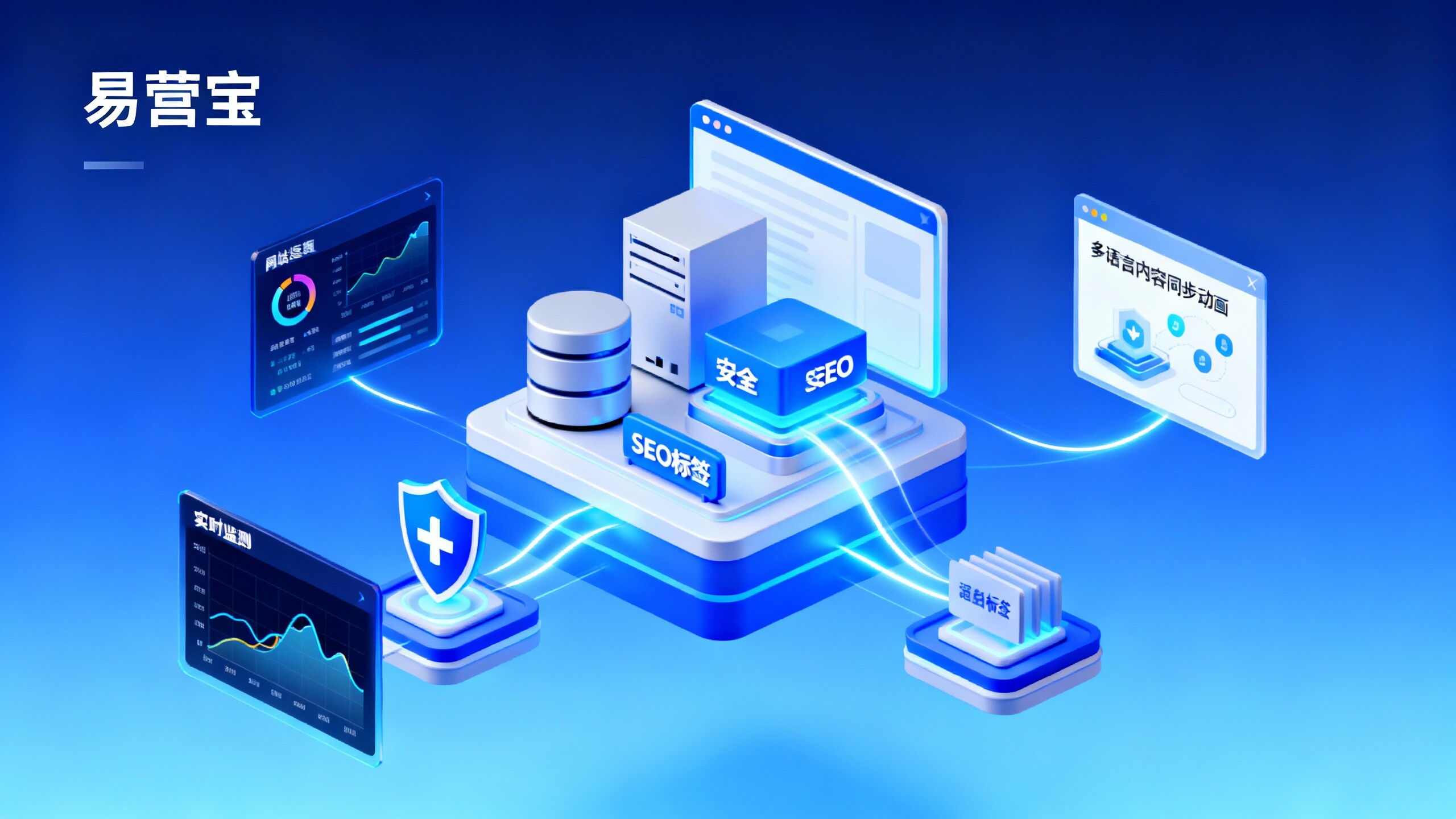
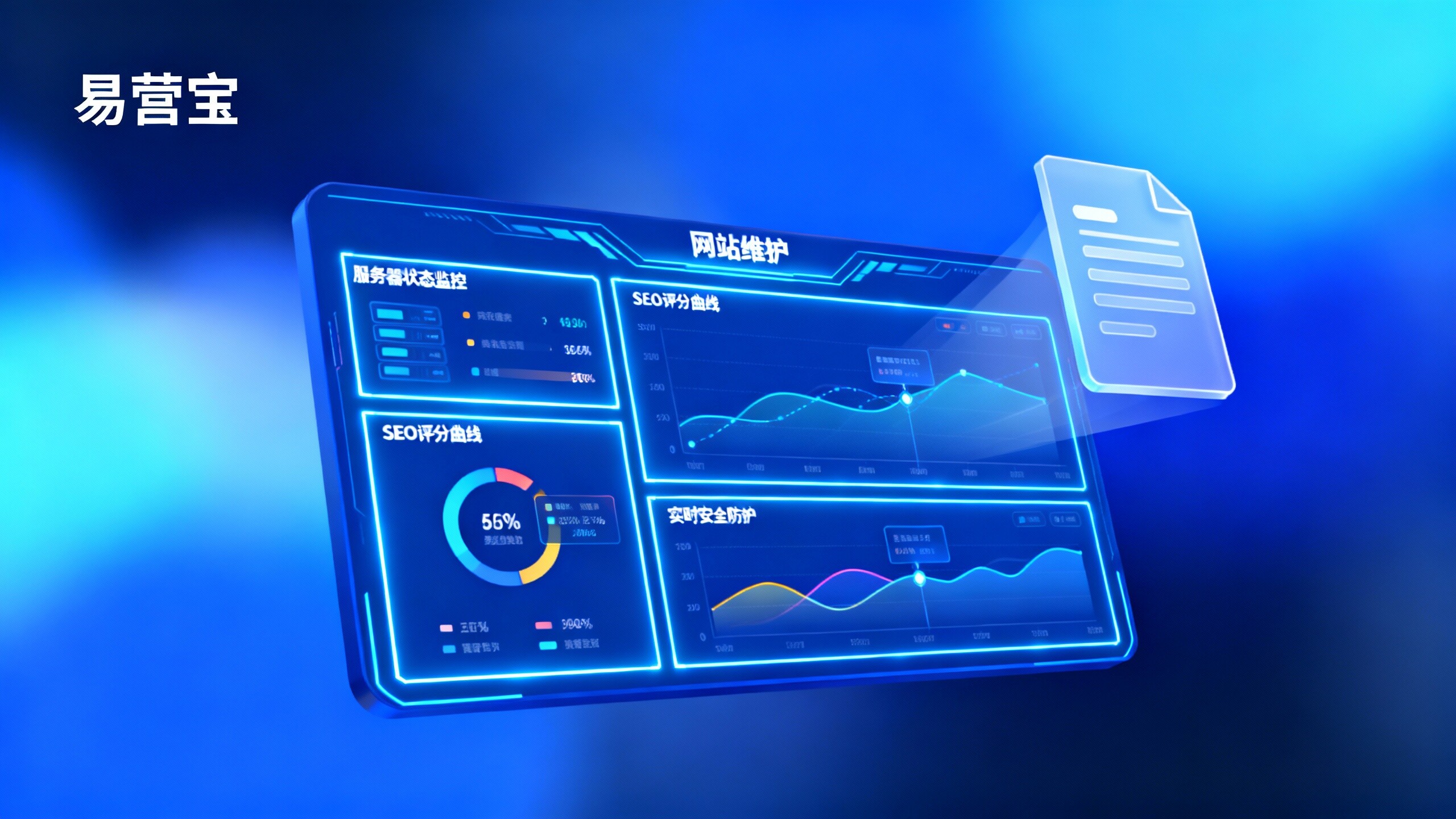

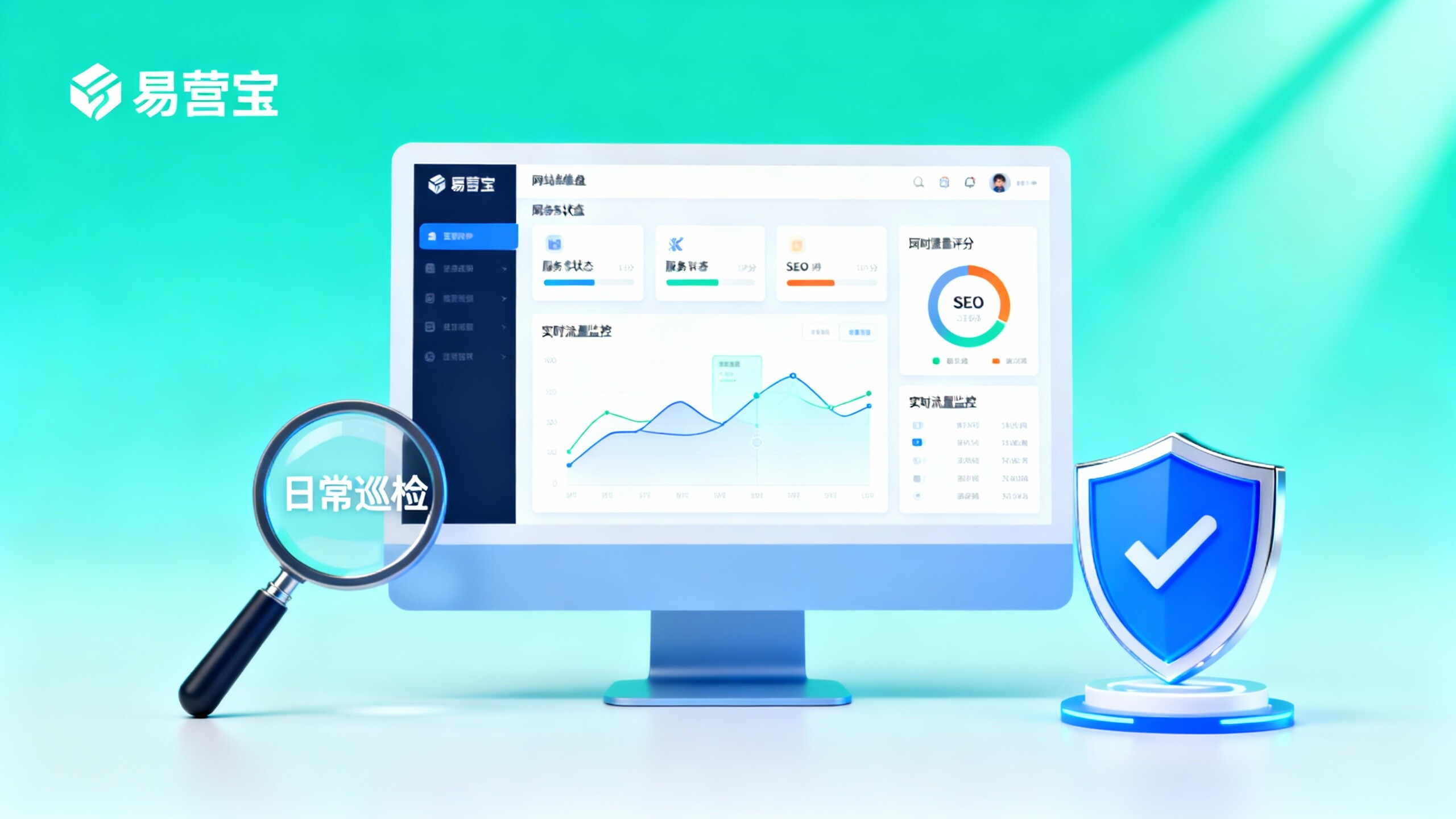
After a Chongqing website is built, how can it be maintained efficiently? This manual is tailored for after-sales personnel, covering key maintenance points for websites built in major cities across the country, such as Beijing, Shanghai, and Guangzhou, to help businesses maintain continuous and stable operations.
I. Routine Website Inspection and Performance Monitoring: The Foundation for Ensuring Stable System Operation
For any deployed website project, whether in Beijing, Shenzhen, or Chengdu, continuous system health monitoring is the first line of defense to ensure user experience and business continuity. After-sales maintenance personnel need to establish standardized inspection procedures, performing basic checks at least once daily, including server response status, database connection stability, SSL certificate validity, and CDN node cache updates. It is recommended to combine automation tools with real-time alert settings, such as automatically pushing notifications to the operations manager when page loading time exceeds 3 seconds or HTTP error codes occur frequently. Especially in multilingual site scenarios, it is crucial to pay attention to the synchronization consistency between language versions. For example, for companies using multilingual website solutions for foreign trade , modifications to product information can automatically trigger synchronized updates across all language versions, avoiding content misalignment due to manual oversights. Furthermore, performance reports should be generated regularly to compare access latency differences between different city nodes (e.g., Shanghai and Xi'an deployment points), identify regional network bottlenecks, and collaborate with the technical team to optimize routing strategies. Through long-term data accumulation, peak traffic periods can be predicted, allowing for proactive resource expansion and preventing downtime risks caused by sudden surges in access.
II. Content Updates and Continuous SEO Optimization: Key Actions to Improve Search Engine Visibility
Website construction is not a one-time event; subsequent content iteration and search engine optimization are the core elements determining customer acquisition capabilities. In highly competitive first-tier city markets like Guangzhou and Hangzhou, businesses must maintain a high frequency and high-quality content output. After-sales personnel should collaborate with the content team to develop a monthly update plan, focusing on maintaining high-conversion pages such as product pages, news updates, and case studies. Simultaneously, utilize the SEO diagnostic functions built into AI-driven intelligent website building platforms to regularly scan the entire site for TDK (title, description, keywords) integrity, H tag structure rationality, and internal linking logic. It is particularly noteworthy that in multilingual environments, traditional translation often fails to meet localized SEO needs. However, companies adopting multilingual website solutions for foreign trade can achieve accurate semantic conversion through AI intelligent translation engines and automatically generate localized meta tags that conform to the search habits of the target market, significantly improving overseas search engine rankings. Data shows that this solution can increase inquiries by 210%, conversion rates by 3.8 times, and average B2B customer order value reach $12,000, fully validating its practical value in global marketing. In addition, it is necessary to monitor the GA4 data performance of each language site, analyze indicators such as bounce rate and dwell time, and use this information to guide content optimization.
III. Security Protection and Compliance Management: Building a Trustworthy Digital Asset Barrier

As cybersecurity threats become increasingly complex, small and medium-sized enterprises (SMEs) in second-tier cities like Wuhan and Nanjing are frequently becoming targets. After-sales teams must integrate security protection into their routine work. The primary task is to ensure the website has a complete security baseline configuration: enabling HTTPS encrypted transmission, regularly rotating backend login credentials, closing unnecessary port services, and deploying professional DDoS protection and a Web Application Firewall (WAF). For clients with cross-border business, special attention must be paid to international compliance requirements. For example, sites targeting the European market must comply with GDPR data protection regulations, user consent records must be fully retained, and privacy policies must support multilingual versions. Mature solutions in this regard provide multilingual privacy policy templates and localized content review mechanisms to help businesses quickly meet these requirements. Furthermore, the AWS global node acceleration architecture not only guarantees access speeds of less than 2 seconds but also reduces the risk of a single node being compromised through distributed deployment. After-sales personnel should organize a security drill every quarter to simulate ransomware intrusion or database breach scenarios, verifying the effectiveness of the emergency response process and ensuring rapid service restoration in real-world events.
IV. Technical Support and Customer Collaboration: Creating a Highly Responsive Service Loop
As a bridge connecting technology and customers, after-sales maintenance personnel not only need technical expertise but also excellent communication and coordination skills. When facing feedback from website development clients in Chongqing or Xi'an, a tiered response mechanism should be established: general inquiries should be answered within 2 hours, functional malfunctions should be identified within 4 hours, and major incidents should be addressed with emergency plans and follow-up until resolution. It is recommended to use a work order system to record each service process, creating a traceable service file. Simultaneously, regular maintenance reports should be submitted to enterprise decision-makers, using visual charts to present key indicators such as website availability, SEO score changes, and social media traffic trends, enhancing service transparency. For agents and distributors, headquarters should provide standardized operation manuals and training courses to ensure consistent execution across service teams nationwide. Yiyingbao Information Technology, through its dual strategy of "technological innovation + localized service," has cultivated the digital marketing field for ten years, serving over 30 provinces and cities nationwide and helping over 100,000 enterprises achieve global growth. Its AI-driven one-stop intelligent marketing platform integrates the entire chain of capabilities from website building to customer acquisition, truly realizing a sustainable operation model of "building well, managing well, and growing fast".

Summary and Action Guidance: Making Professional Operations and Maintenance a New Engine for Enterprise Growth
From website development in Beijing to Chengdu, the successful launch of each project is just the beginning; the real challenge lies in long-term, stable operation and maintenance. By establishing a scientific inspection mechanism, continuously optimizing content and SEO, strengthening security and compliance systems, and improving customer service response efficiency, businesses can maximize their website's return on investment. Especially in a globalized context, choosing a professional solution with AI translation, multilingual SEO diagnostics, and automatic synchronization capabilities has become a key support for foreign trade enterprises going global. As a Google Premier Partner, official Meta agent, and Yandex core partner, YiYingBao not only possesses a global traffic ecosystem but also builds a solid technological barrier with its self-developed AI algorithm platform and 15 core technology patents. We are committed to making the world make way for Chinese brands, adhering to the value of "customer success > everything," and providing every client with trustworthy digital growth services.
Contact us now to learn more about our customized solutions for intelligent website building and global marketing, and start your efficient operations journey.
Related Articles
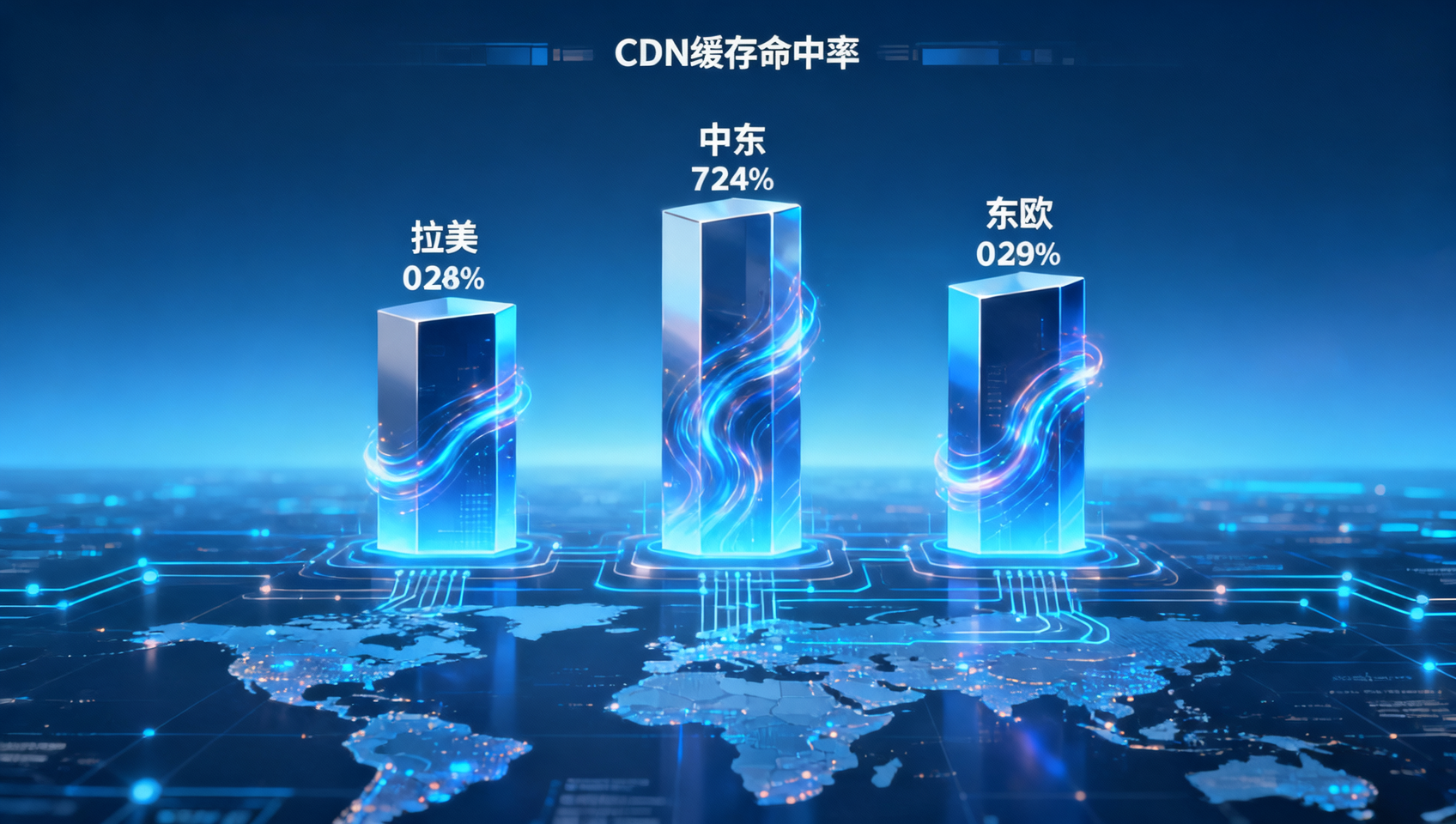
 In Yiyingbao's security and performance architecture, what are the cache hit rates for CDN edge nodes in Latin America, the Middle East, and Eastern Europe?
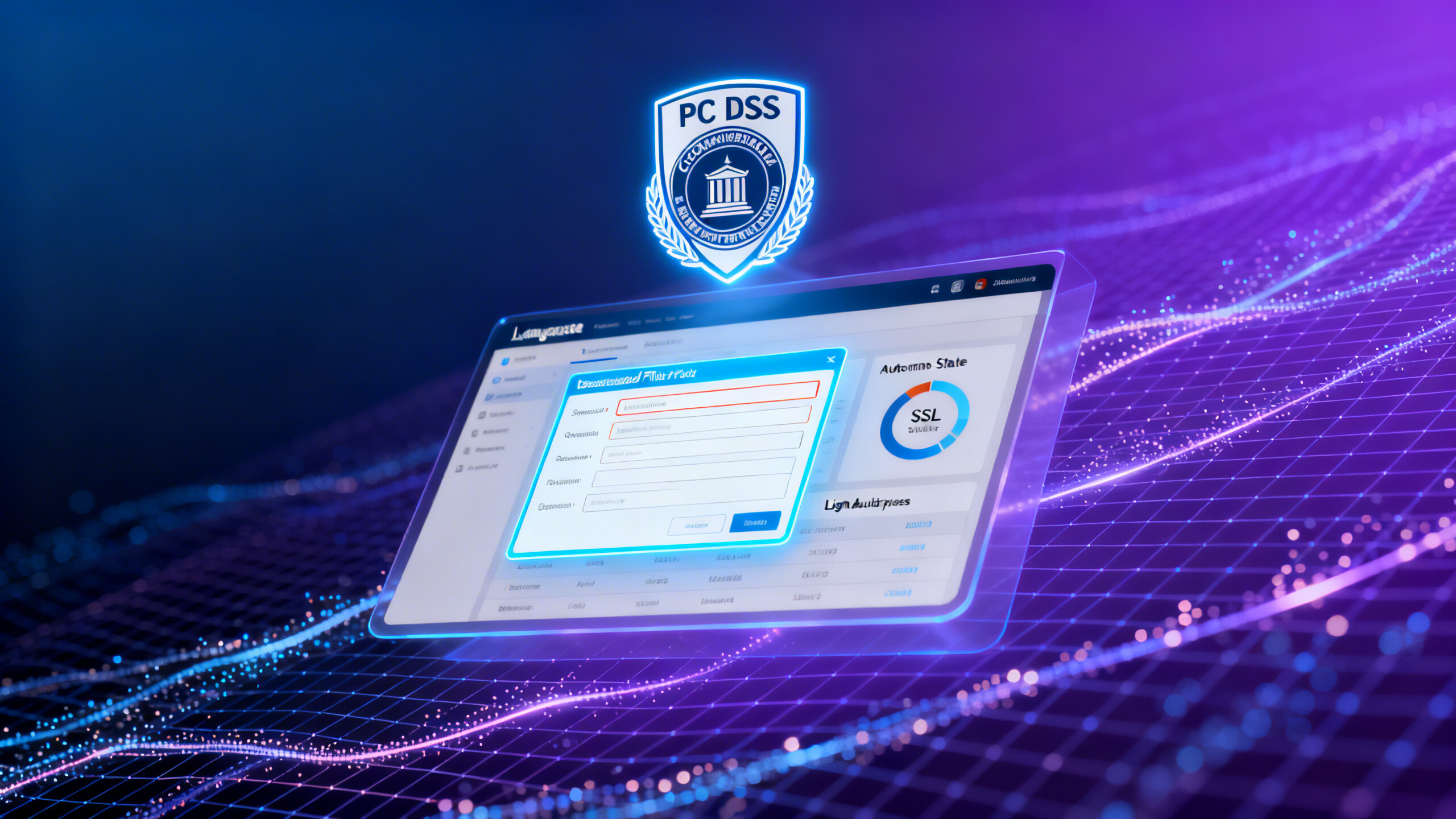
 How many working days were shortened in the PCI DSS compliance audit cycle for enterprises using Yiyingbao's technology platform for multilingual websites?
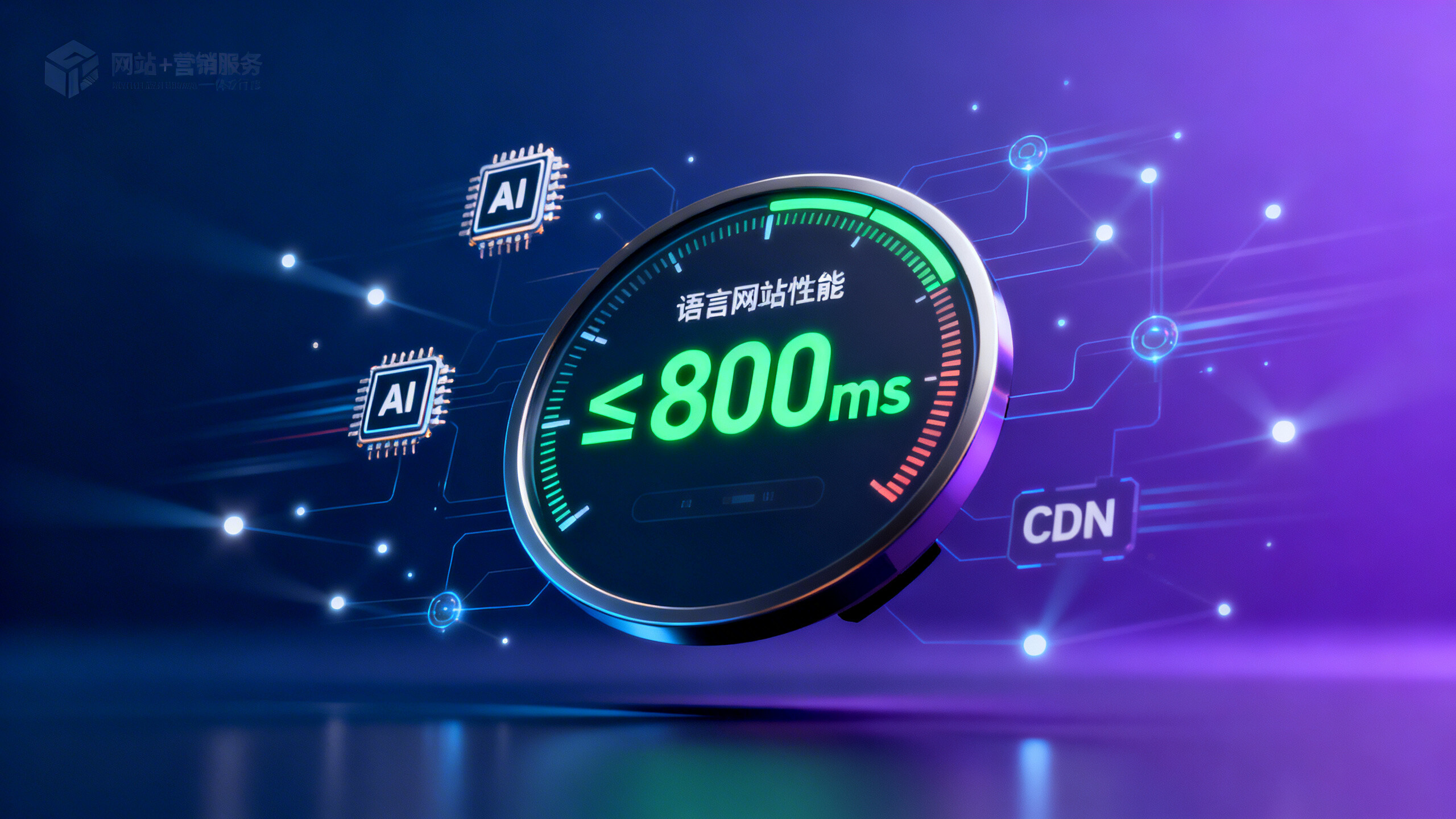
 Yiyingbao Security and Performance White Paper Reveals: How Many Milliseconds Does the Average Multilingual Website Homepage Load Time Stay Within?