









- Which channel has the highest ROI in the global traffic ecosystem? Comparative analysis of search, social media, and advertisingJul 10, 2026View details
- What multilingual website services are available in Sanya? Which model is more suitable for local businesses going global?Jul 08, 2026View details
- How to view the complete list of China SaaS companies in the top 100? Practical methods for screening website-building and marketing service providersJul 08, 2026View details
- How to view pricing in the global traffic ecosystem? Cost comparison of search, social media, and content channel advertisingJul 06, 2026View details
- How to assess foreign trade website development trends?Looking at 2026 changes from multilingual,AI content to conversion pathsJul 04, 2026View details
- What are the new trends in multilingual marketing data analytics tools in 2026? Focus on attribution、automation and complianceJul 04, 2026View details
Eyingbao SaaS Platform FAQs Summary: Deployment, Domain, Payment & Multilingual Deployment Solutions

This article focuses on common issues related to the deployment of Eyingbao SaaS platform, domain names, payment integration, and multilingual website systems, providing actionable solutions and quick troubleshooting guides for researchers and operational staff.

When selecting or operating the Eyingbao SaaS platform, the primary concerns for researchers and operational teams often revolve around deployment stability, domain name and ICP filing compliance, payment integration legality, and multilingual website localization details. For enterprise clients, beyond platform functionalities (such as AI-driven content generation and site performance optimization frequently discussed in the smart website industry), clear deployment workflows, reproducible troubleshooting steps, and compliance strategies are essential. This article explores five dimensions: deployment architecture, domain name and ICP filing, payment integration, multilingual deployment, and common troubleshooting, combining practical experience from foreign trade website systems and cross-border website platforms to offer directly applicable checklists and optimization recommendations, enabling operations teams to quickly pinpoint issues, minimize downtime, and enhance the SEO and conversion performance of responsive website systems.
I. Deployment & Architecture Best Practices: From Environment Setup to Automated Launch
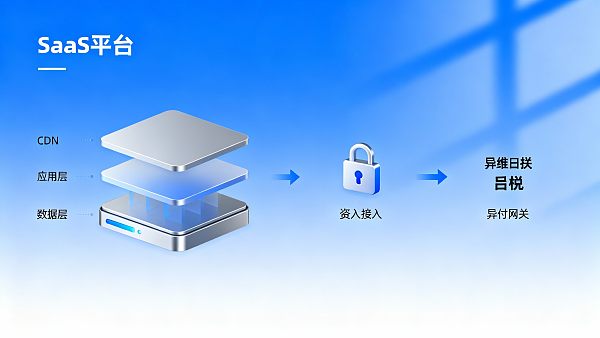
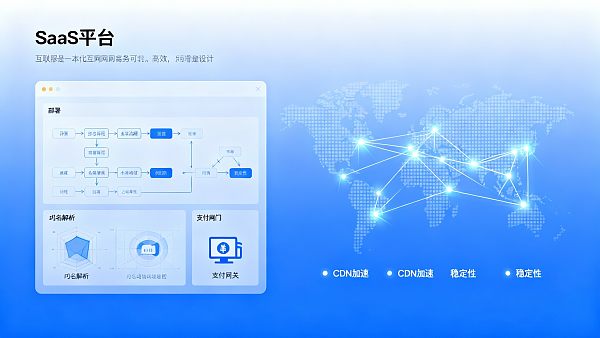
For enterprise-level SaaS platform deployment, stability and scalability are top priorities. Teams using Eyingbao SaaS are advised to adopt a layered architecture: edge CDN for global distribution and acceleration, an application layer for business logic and AI services, and a backend data layer for big data and log analysis. Pre-deployment requires three preparations: defining service level requirements (RPO/RTO), assessing traffic hotspots to plan bandwidth and caching strategies, and establishing automated deployment pipelines (CI/CD) with rollback protocols. Specific measures include containerization (container orchestration), blue-green/rolling deployments to reduce release risks, centralized logging and monitoring for real-time alerts, and implementing circuit breakers and fallback strategies for AI translation/content modules to prevent third-party model fluctuations from affecting site availability. For cross-border scenarios, regional deployment strategies with edge caching nodes should be planned in advance, leveraging Eyingbao’s global CDN to significantly reduce Time to First Byte (TTFB), improving SEO scores and page load speeds. Operations teams should standardize deployment checklists (covering certificates, DNS resolution, database migration, cache invalidation strategies, and external API credential management) and conduct smoke tests and stress tests pre-launch to ensure system stability under high concurrency.
II. Domain Management & ICP Compliance: DNS Resolution, Certificates, and Domestic Filing Essentials
Domain and ICP filing issues are common hurdles for foreign trade website systems and domestic access compliance. DNS resolution should employ layered strategies: global users access via nearby CDN nodes, while domestic traffic resolves to local acceleration nodes. SSL certificates should prioritize automated issuance/renewal (e.g., ACME protocol) to prevent expiration-related outages. For stable access in mainland China, non-commercial or commercial ICP filing is mandatory. Professional filing services can expedite approval cycles and reduce failure rates—for instance, leveraging official channels and multi-jurisdiction green通道 services to shorten processing time. Expedited processes include material pre-review, information submission, verification对接, and regulatory approval until filing issuance. For efficiency, consider services like domestic ICP filing service providers, which typically offer material pre-review, annual audit support, and post-filing change/closure safeguards, reducing total processing time to a few workdays. Post-filing, embed the filing number visibly and maintain consistent entity information, aligning with annual audits and change protocols to avoid future compliance risks.
III. Payment Integration & Cross-Border Compliance: Gateway Selection, Risk Control, and Reconciliation Strategies
Foreign trade website platforms must balance user experience and compliance when integrating payments. Common cross-border solutions include direct bank收单, third-party gateways (e.g., PayPal, Stripe), and localized channels (local bank cards, Alipay Global). Selection criteria should evaluate settlement currencies, fees, chargeback/dispute handling, currency conversion, and refund workflows. Technically, adopt asynchronous callbacks + idempotent design to ensure order state consistency during network fluctuations or duplicate callbacks. Security measures include PCI-DSS/equivalent encryption, tokenized card storage, and risk engines (device fingerprinting, IP信誉, transaction frequency). Reconciliation is core to operations, requiring daily/monthly automated matching of gateway and system orders with anomaly alerts. Compliance-wise, data minimization strategies, user privacy declarations, and localized legal文档 are essential per jurisdiction. For B2B外贸营销网站 clients, offer multi-channel payment options with clear tax/funding cycles to reduce declines and improve conversion.
IV. Multilingual Deployment & SEO Optimization: Content Strategy, Translation Quality, and Technical Implementation
Multilingual systems require more than language switching—they demand market-specific SEO and content localization. Eyingbao supports independent Chinese/English/other language sites with integrated AI translation, but three operational focus areas are critical: translation quality assurance, URL/hreflang implementation, and differentiated multi-market content运营. For quality, adopt “AI draft + human proofing”—AI ensures scale/speed while specialists verify industry术语 and marketing tone, enhancing Eyingbao’s usability and conversion. Technically, prioritize subdomains/subdirectories with standardized hreflang, sitemaps, and localized metadata (TDK). AI-powered keyword expansion and automated TDK tools can systematically覆盖 long-tail keywords while maintaining semantic relevance for better SERP rankings. Operationally, continuously refine landing pages and本地化 ad creatives based on market feedback,联动 social矩阵 to form a content-traffic-conversion闭环, boosting cross-border platform ROI.
V. Common Troubleshooting & Rapid Recovery: From DNS Issues to Content Generation Anomalies
Daily operations常见故障 include DNS errors, certificate anomalies, third-party API failures (e.g., payments/AI translation), page SEO rendering issues, and content quality drops. Effective troubleshooting follows a “confirm-locate-mitigate-root cause”四步法: first, assess impact scope (single/batch/site-wide); then isolate network, application, or third-party layers; implement mitigations (failover nodes, version rollbacks,冗余 services); and finally, document改进项. For AI-generated images/TDK anomalies, check model call logs/rate limits—if model-related, activate fallback templates or manual审批 workflows to ensure uninterrupted output. Standardized checklists improve efficiency: DNS resolution tests, SSL chain validation, API credential checks, CDN caching strategies, SEO rendering logs, and payment callback audits. For备案-related changes, align timelines with regulators and maintain filing consistency to avoid审核 delays. Institutionalized SOPs and visual monitoring enable teams to restore services swiftly, minimizing business impact.
Summary: This article provides actionable recommendations and standardized workflows for deploying, managing domains/ICP filings, integrating payments, implementing multilingual systems, and troubleshooting Eyingbao SaaS platforms. With its AI-driven all-in-one marketing capabilities, global CDN, and compliance support, Eyingbao helps enterprises rapidly launch and stabilize foreign trade websites, cross-border platforms, and responsive systems. For accelerated filings or complex regulatory对接, consider experienced备案 services to reduce failures and shorten cycles. Next steps: 1) Download or create a deployment/launch checklist; 2) Validate CI/CD and rollback strategies in staging; 3) Integrate at least two payment gateways for redundancy; 4) Plan AI+human multilingual content审批 workflows. Contact us for customized technical support, implementation plans, or Eyingbao use cases.
- Website Development
- Website Builder Platform
- Foreign Trade Website Development
- SSL Certificate
- Independent website building
- B2B Foreign Trade
- Yiyingbao
- SEO
- Independent Website
- SEO Optimization
- Smart Website Building
- AI Translation
- AI Translation Engine
- Eyingbao
- EasyBusiness SaaS Platform
- Foreign Trade Website System
- Multilingual Website System
- Cross-border website platform
- Responsive Website System
- Responsive Website Building
- Smart Website Platform
- Intelligent Website Platform Industry Discussion
- Easy Treasure User Experience
Related Articles
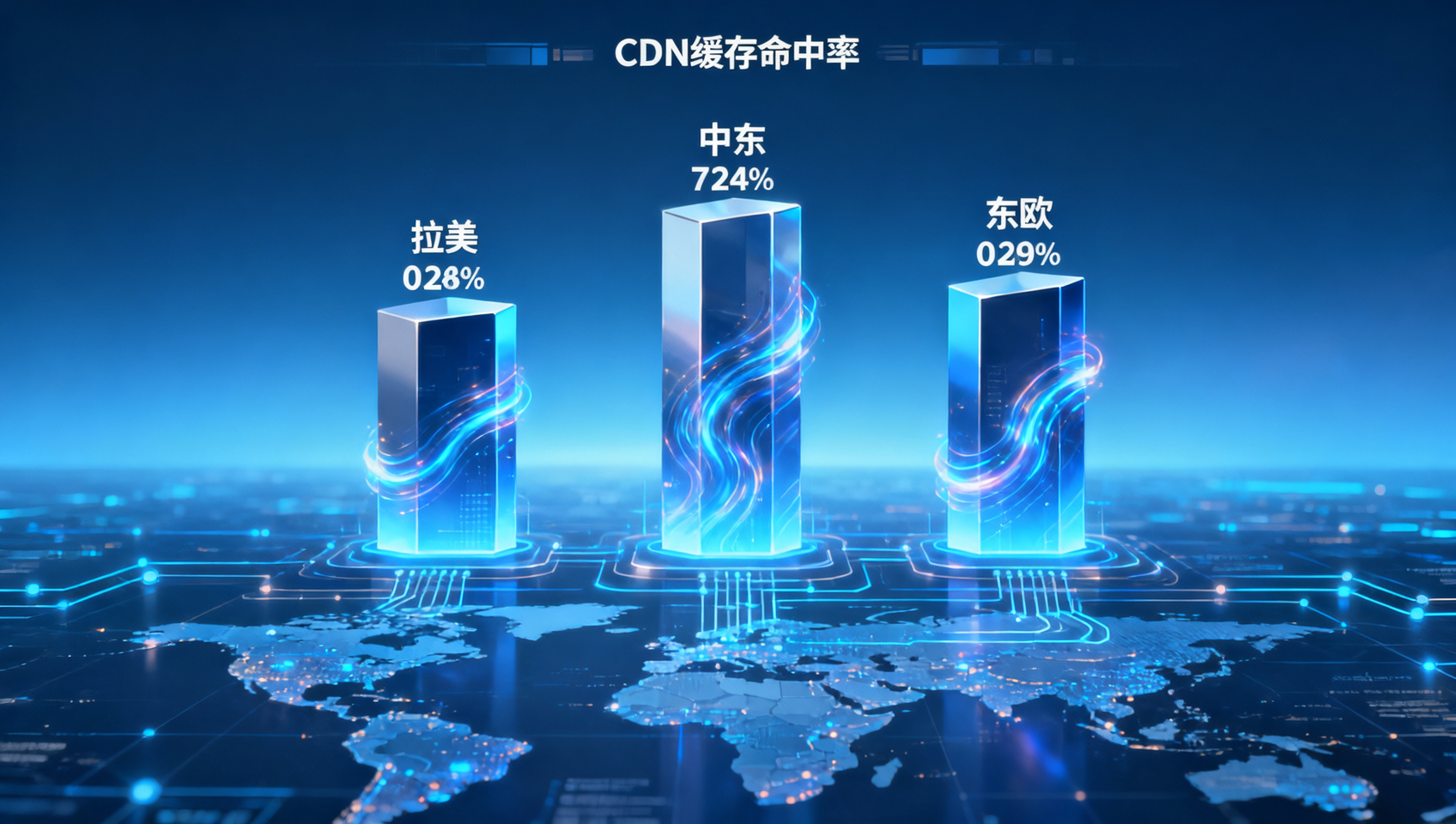
 In Yiyingbao's security and performance architecture, what are the cache hit rates for CDN edge nodes in Latin America, the Middle East, and Eastern Europe?
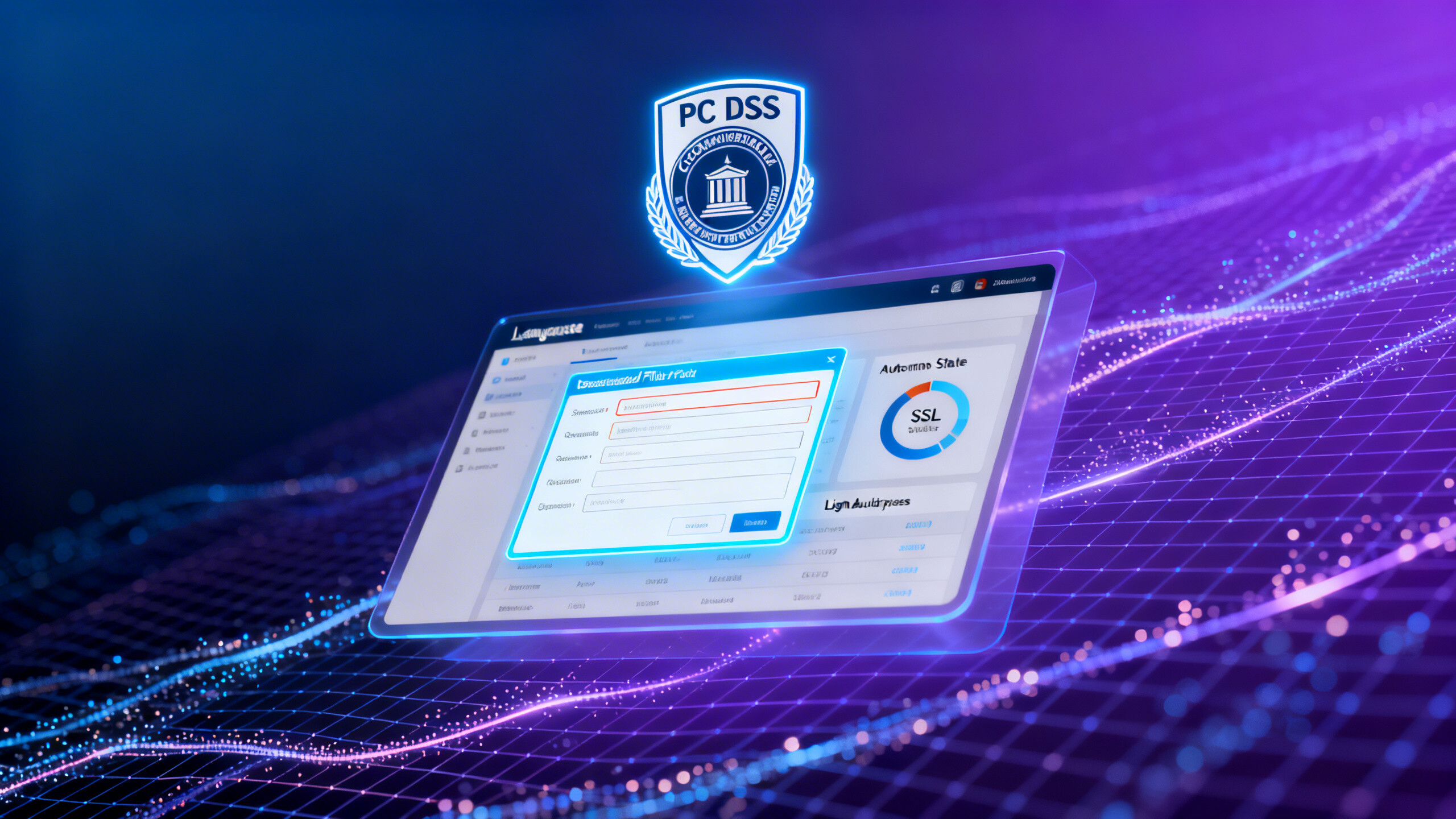
 How many working days were shortened in the PCI DSS compliance audit cycle for enterprises using Yiyingbao's technology platform for multilingual websites?
 Yiyingbao Security and Performance White Paper Reveals: How Many Milliseconds Does the Average Multilingual Website Homepage Load Time Stay Within?

Related Products
 EasyCamp SaaS Smart Website Marketing SystemE-Yingbao SaaS Smart Website Marketing System: AI-powered, zero-code website building. Rapidly launch multilingual independent e-commerce sites in just 10 minutes. Global server acceleration and AI-driven SEO optimization empower businesses to efficiently connect with global markets. The seamless integration of technology and user-friendly operation makes building e-commerce sites incredibly simple.
 AI+SEM Intelligent Advertising Marketing SystemAI+SEM drives intelligent ad creation, empowering full-funnel precision advertising marketing. The system automatically generates weekly/monthly reports, AI recommends keywords and target countries, monitors core metrics in real-time with intelligent alerts, and enables one-click high-conversion ad solutions to help quickly acquire customers and improve ROI.
 AI+SEO Dual Engine Optimization ServiceEasyWin AI+SEO Dual Engine Optimization System leverages AI-powered keyword mining, content generation, and comprehensive technical optimization to help foreign trade enterprises acquire high-quality organic traffic, significantly improving search rankings and conversion rates.
 AI+SNS Social Media Marketing SystemYingbao AI+SNS Social Media Marketing System - Precision social capture for the social media era. Supports one-click content synchronization across major platforms like Facebook and LinkedIn. AI intelligently rewrites posts for enhanced relevance. 24/7 AI customer service and user profiling analysis empower businesses to efficiently expand into global markets.
 AI+SEO营销解决方案易营宝AI+SEO营销解决方案,通过AI批量写作、智能生成TDK、精准关键词扩词等功能,全面优化网站SEO效果,提升流量与转化率。助力企业构建高效智能网站新生态。
 AI+SEM Advertising Marketing SolutionsAI+SEM Advertising Marketing Solution leverages AI technology to deeply empower SEM ad campaigns. It automatically generates weekly/monthly reports using AI, presenting account data across multiple dimensions for comprehensive insights into campaign performance and trends. The system precisely recommends keywords and target countries, intelligently generates high-conversion ad copy, and enables one-click activation of efficient campaign plans to help businesses rapidly acquire customers. Simultaneously, it monitors core metrics in real time, intelligently identifies abnormal fluctuations, and issues timely alerts to ensure stable, high-return advertising results.
 Domain Name ServicesEasyWin provides professional domain name services, including intelligent queries, one-stop registration, brand protection, and full lifecycle management, helping businesses build a digital brand image.
 EasyOperate B2C Cross-Border E-Commerce Platform & Independent WebsiteEasyStore B2C Cross-border E-commerce Independent Store is an intelligent website building and cross-border e-commerce integrated solution independently developed by EasyStore Information Technology (Beijing) Co., Ltd. The system is specially designed for small and medium-sized as well as large export enterprises, integrating 'website building, operation, marketing, advertising, and conversion' into one, helping enterprises quickly establish cross-border e-commerce independent stores to achieve brand globalization and global sales growth.
The platform supports multiple languages, multiple currencies, and multi-channel marketing, with built-in AI intelligent translation and SEO optimization systems, suitable for mainstream markets such as Southeast Asia, Europe and America, Latin America, and the Middle East, assisting Chinese manufacturing enterprises in efficiently deploying international e-commerce strategies. SSL证书易营宝提供专业SSL安全证书服务,包括单域名和泛域名证书,确保网站数据传输加密、身份验证和完整性保护,助力企业建立安全可信的在线业务环境。









