- What is the role of HTTPS for websites? Why is the decision-making level increasingly emphasizing digital trust systems2026-01-15View details
- EasyYunbao Usage Evaluation: The Real Performance of Intelligent Website Building Platforms in B2B Official Website Applications2026-01-15View details
- The Era of GEO Has Arrived: Rankings No Longer Matter, Appearing in AI Responses is the Key to Foreign Trade Lead Generation2026-01-14View details
- EasyOperate GEO Layout: How to Become the 'Priority Recommendation' of AI Engines Through Structured Brand Semantics?2026-01-15View details
- How to Choose the Right Global Website SaaS Platform for Your Business? The Latest 2023 Selection Guide2026-01-13View details
- City Partner Program Explained: How to Achieve Business Growth Through Global Website Building SaaS Platform2026-01-13View details
- How does EasySales B2B platform help companies reduce customer acquisition costs? 2024 latest data analysis2026-01-12View details
- From 0 to 1: EasyYunbao Multilingual Website Helps Businesses Succeed in Overseas Markets with Case Studies2026-01-12View details
Famous Multilingual Website Production: The Practical Workflow and Common Pitfalls for Startups to Go Live in 3 Weeks
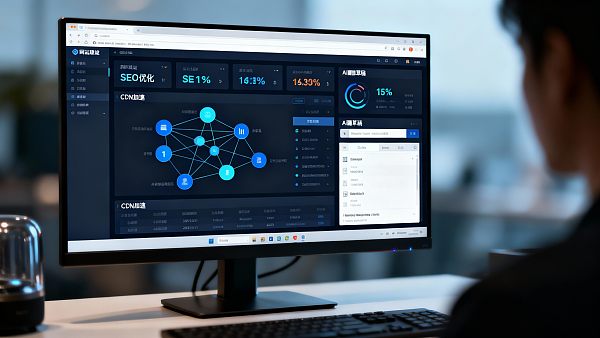
Launch a multilingual website in just three weeks with practical guidance, avoiding common pitfalls to help startups expand globally quickly.
Three-Week Launch Framework and Preparations
After defining the target market and audience, the first week focuses on planning and preparation. First, secure the domain and server deployment location: For Southeast Asian or European/American markets, use global CDN acceleration nodes with mirroring in the target region to reduce latency and improve initial load speed. Next, handle compliance prerequisites: For overseas or ICP-filing websites, prepare entity and material documentation in advance. Leverage specialized channels like China ICP filing services to expedite material pre-review and submission, cutting approval time by 5-7 workdays. Third, select technology: Prioritize CMS systems supporting multilingual routing, hreflang tags, and automated sitemaps. Combine with AI keyword expansion and automated TDK generation to pre-create multilingual title/description templates, ensuring SEO-ready launch. Finally, establish a three-week timeline: Week 1 for domain, filing, server, and template setup; Week 2 for content translation and SEO optimization; Week 3 for functionality testing, performance tuning, and pre-launch QA—delivering high-quality multilingual websites on schedule.

Multilingual Content Workflow: AI-Powered Execution
Content preparation is the core challenge and bottleneck for multilingual projects. To complete generation and proofing within three weeks, adopt a "Machine Translation + Context Proofing + Localized Terminology" three-step workflow. Step 1: Use AI translation engines to rapidly generate multilingual drafts for homepage, product, and service pages, supplemented by AI-generated culturally appropriate visuals. Step 2: Have industry-specialized linguists perform terminology proofing, localization, and legal compliance checks to resolve literal translation issues. Step 3: Use AI keyword mapping tools for multilingual keyword alignment, naturally embedding localized terms (e.g., "multilingual website Shantou development," "multilingual website Chaozhou design") into titles, H-tags, and opening paragraphs while generating meta descriptions and structured data. To avoid duplicate content and indexing conflicts, implement independent subdomains/directories with proper hreflang tags for search engine language prioritization. AI accelerates the process but requires human review to ensure precision, industry relevance, and user trust.
Technical Implementation: Architecture, Performance & SEO Essentials

Technical execution emphasizes scalability and search engine friendliness. Recommended architecture: Hybrid static/dynamic rendering with CDN caching for key pages, plus asynchronous form/backend loading to reduce render-blocking. Multilingual specifics include: 1) URL strategy (subdomains, subdirectories, or parameters)—prefer subdirectories/subdomains for weight distribution; 2) Concurrent hreflang and canonical tags to prevent duplicate content issues; 3) Separate sitemaps per language with explicit crawl directives in robots.txt; 4) WebP/adaptive media formats with lazy loading to conserve bandwidth. For SEO, ensure unique, natural TDK (Title, Description, Keywords) per language, combining AI-generated drafts with manual optimization. Localize service keywords (e.g., "multilingual website Jieyang development") across contact and case study pages to enhance regional relevance and conversion tracking. Deploy global monitoring with automated alerts covering Lighthouse scores, core web vitals, and uptime to ensure post-launch stability.
Common Pitfalls & Risk Mitigation: Compliance, Deployment & Maintenance
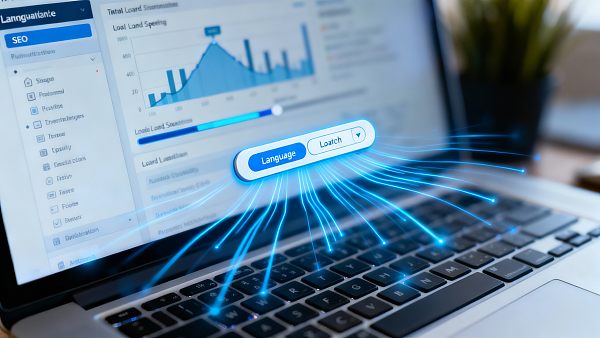
Startups launching multilingual sites often face compliance risks, content duplication, and operational gaps. Filing risks include domain/entity mismatches, unreachable contacts, or missing documentation—all causing approval delays. Choose providers with fast-track filing and annual renewal support to reduce failures. For content, unlocalized translations hurt trust and conversions—strategically place localized terms (e.g., "multilingual website Chaozhou services") while avoiding keyword stuffing. Post-launch, implement routine monitoring: log audits, SEO tracking, conversion funnel analysis, and A/B testing. Incorporate quarterly optimization plans post-handover, combining ad campaigns and social media (Facebook, LinkedIn) to validate localization efficacy. Institutionalized maintenance minimizes early-stage legal/operational risks, ensuring steady growth for multilingual projects.
Conclusion: Three-week launches are achievable with strict timelines, AI-human content workflows, and synchronized compliance/technical execution. Our intelligent CMS and AI marketing engine provide end-to-end multilingual website development and post-launch support—covering domains, filing, translation, SEO, and ads—helping startups expand globally while reducing trial costs. If planning a multilingual project in Maoming or nearby regions, or needing multilingual SEO/localization support (e.g., "multilingual website Huizhou development"), contact us for a free assessment and rapid quote. To explore solutions and accelerate your launch, reach out for expert consultation and implementation planning.
- Campbell (name)
- Website Construction
- Multilingual SEO
- Multi-language website
- SEO optimization
- Intelligent website building
- AI translation
- AI translation engine
- Website Design
- Multilingual website construction
- SEO Optimization Services
- Multilingual SEO Optimization
- SEO
- AI Marketing Engine
- Multilingual SEO Optimization Services
- Global CDN Acceleration
- Multilingual Website Chaozhou Company
- Shanwei Multilingual Website Construction
- Shaoguan Multilingual Website Company
- Qingyuan Multilingual Website Design
- Famous Multilingual Website Production
- Multilingual Website Cloud Hosting Provider
- Multilingual Website Development
- Multilingual Website Development in Shanwei
Related Articles
 How to achieve global traffic ecosystem collaboration for website building tools
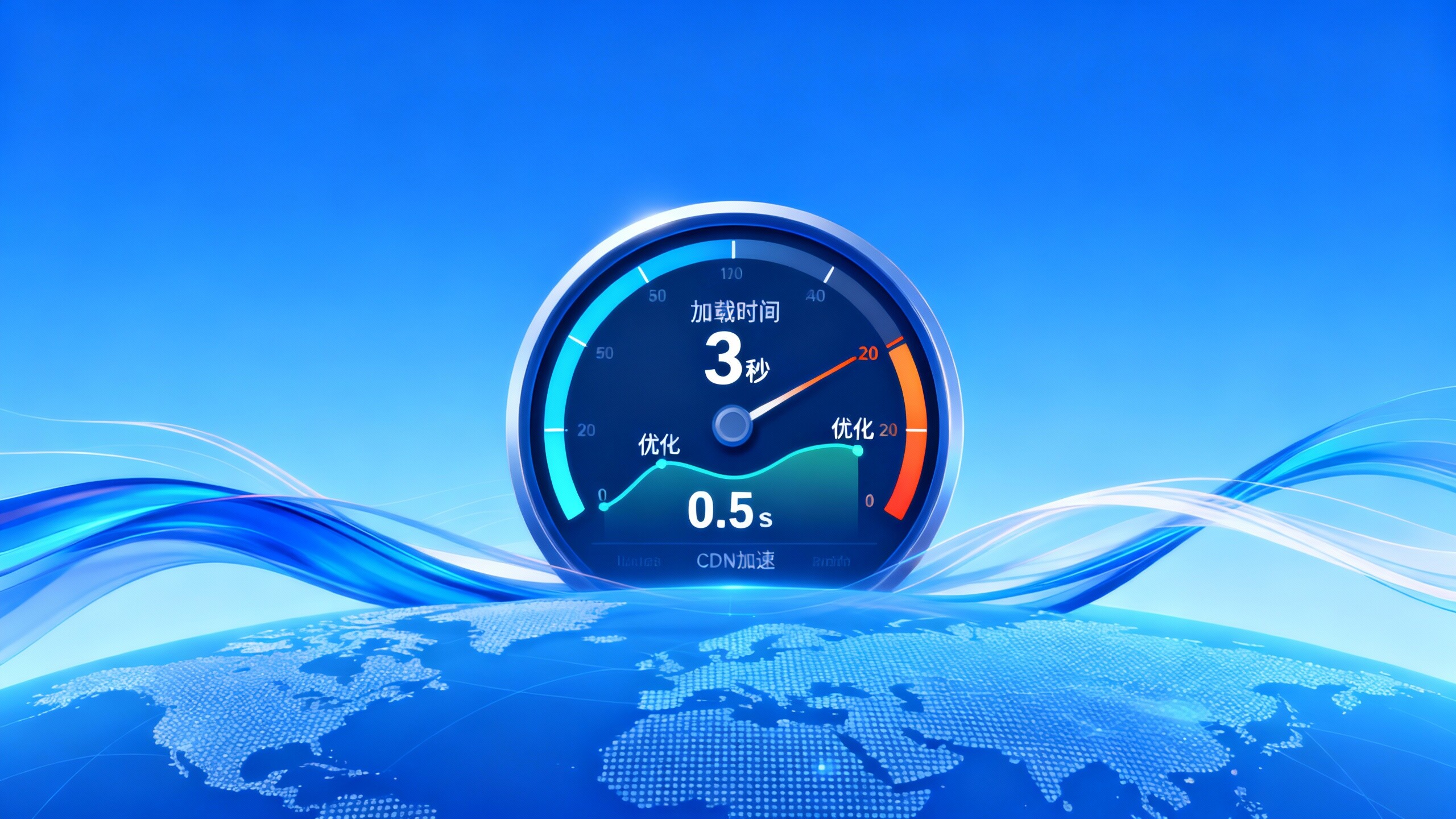
 Why is website loading speed so important? How does it impact brand perception and business opportunities for enterprises?
 What is adaptive website building? Analysis of key trends in corporate website design and promotion for 2024

Related Products
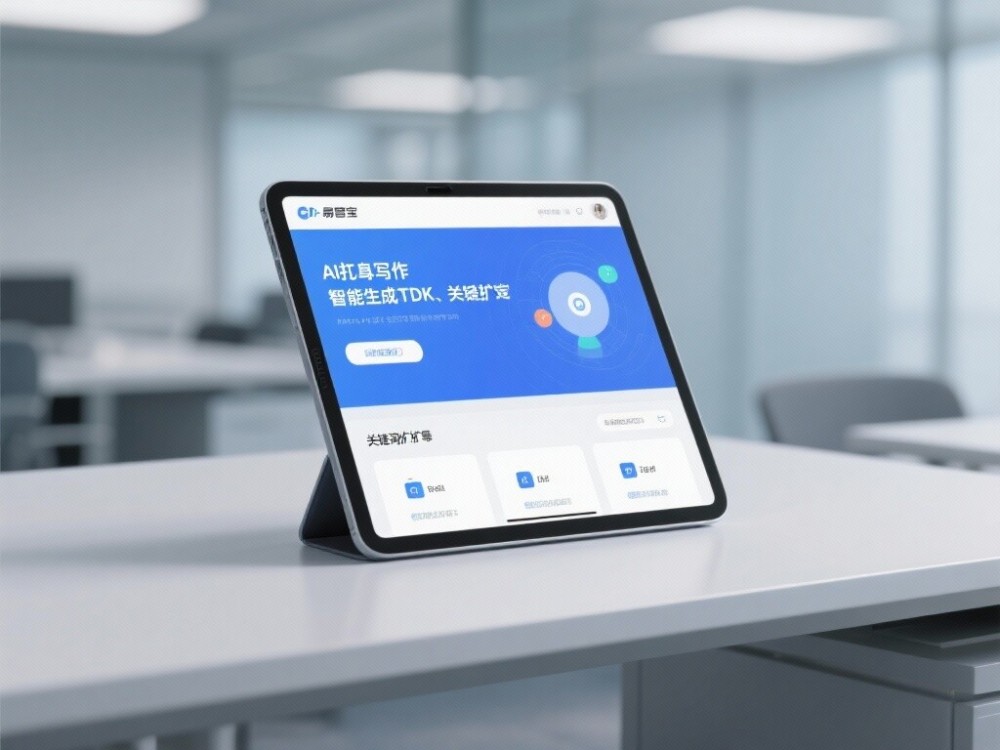
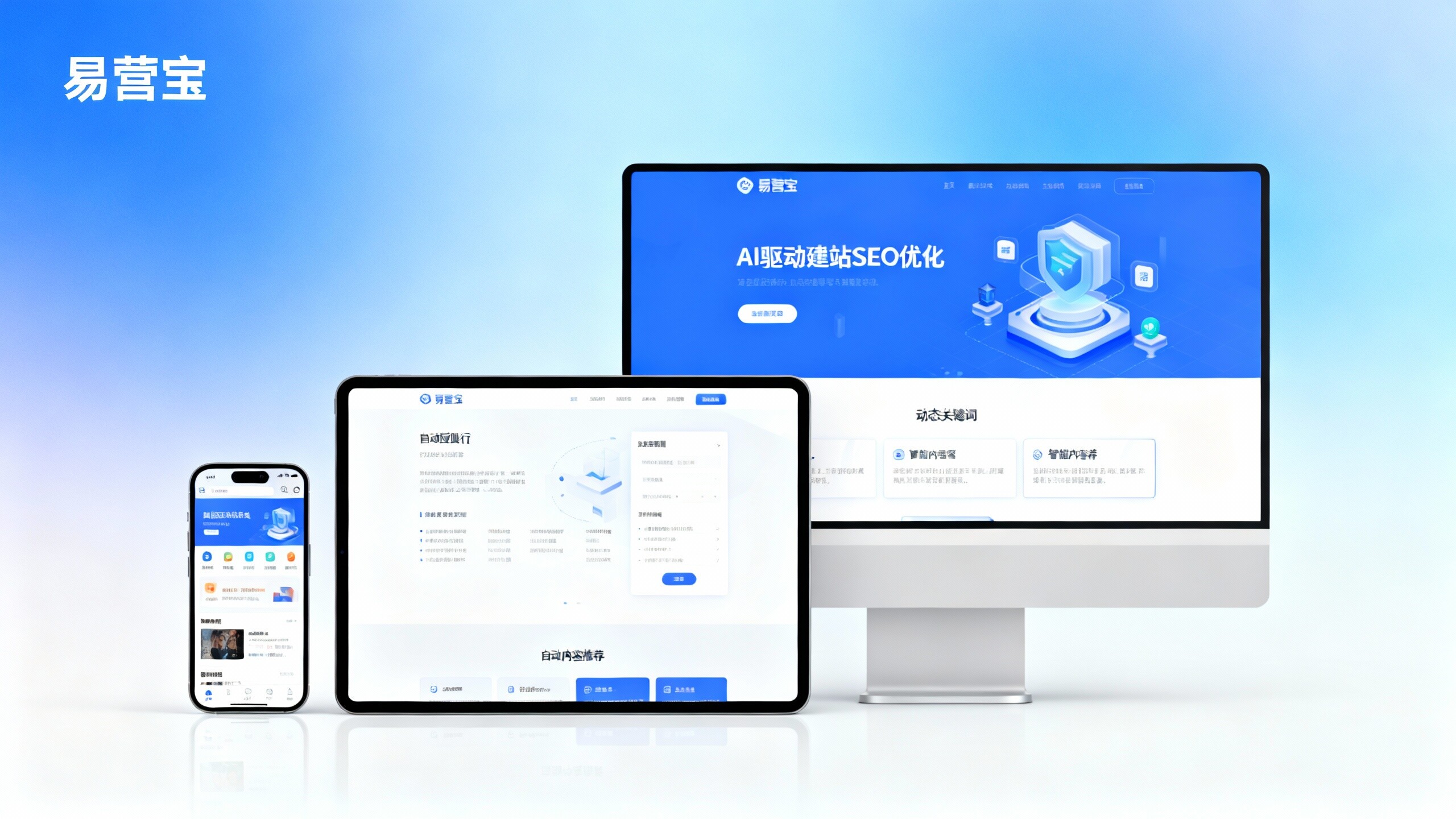
 EYB SaaS Intelligent Station Building and Marketing SystemYiyingbao SaaS intelligent station building and marketing system, AI-driven zero-code station building, 10-minute rapid construction of multi-language foreign trade independent station, global server acceleration, AI intelligent SEO optimization, help enterprises efficiently connect to the global market. The perfect fusion of technology and operation, so that foreign trade station building simple to the extreme!
 AI+SEM Advertising Intelligent Investment Marketing SystemAI+SEM drives intelligent VC and empowers accurate advertising and marketing in the whole chain. The system automatically generates weekly/monthly reports, AI recommends keywords and placement countries, real-time monitoring of core indicators and intelligent early warning, and one-click start of high-conversion placement programs, helping to quickly acquire customers and improve ROI.
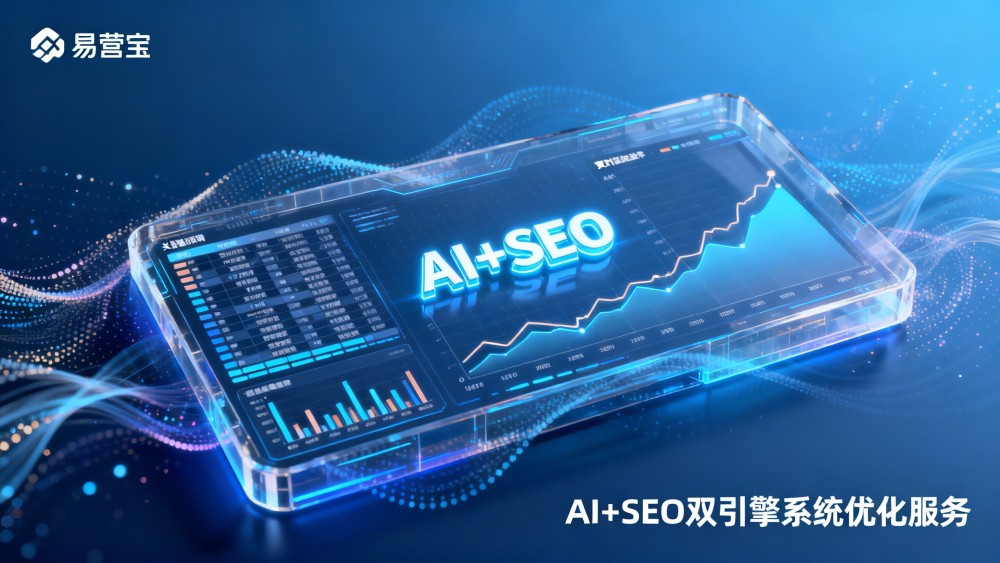
 AI+SEO Dual-Engine System Optimization ServiceE-Yingbao AI+SEO Dual-Engine Optimization System leverages AI-powered keyword mining, content generation, and comprehensive technical optimization to help export-oriented enterprises capture high-quality organic traffic, significantly boosting search rankings and conversion rates.
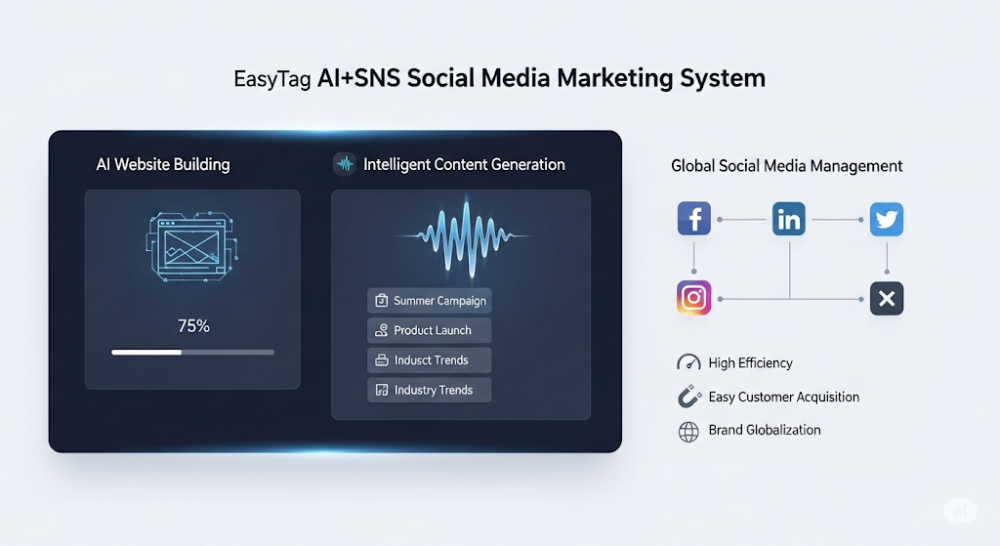
 AI+SNS Social Media Full Intelligence Marketing SystemEYBao AI+SNS Social Media All Intelligent Marketing System - Precise social capture in the era of social media, supporting one-click synchronization of content on mainstream platforms such as Facebook, LinkedIn, etc., AI intelligent rewriting of postings to enhance the degree of adaptability, 24/7 intelligent customer service and user profile analysis, helping enterprises to efficiently expand the global market.
 AI+SEO Marketing SolutionEasyWin AI+SEO Marketing Solution leverages AI-powered batch content creation, intelligent TDK generation, and precise keyword expansion to comprehensively optimize website SEO performance, boosting traffic and conversion rates. Helps businesses build a highly efficient intelligent website ecosystem.
 AI+SEM Advertising & Marketing SolutionsAI+SEM advertising and marketing solution utilizes AI intelligent technology to deeply empower SEM advertising. Through AI intelligent generation of weekly/monthly reports, multi-dimensional presentation of account data, a comprehensive grasp of the effectiveness and trends of advertising, AI precise recommendation of keywords and countries, intelligent generation of high-conversion advertisement language, a key to start the efficient advertising program, helping enterprises to quickly acquire customers. At the same time, the system monitors the core indicators in real time, intelligently recognizes fluctuation abnormalities and warns them in time to ensure stable and high return of advertising effect.
 Domain Name ServicesEasy Operation provides professional domain services, including intelligent query, one-stop registration, brand protection, and full-cycle management, helping enterprises build a digital brand image.
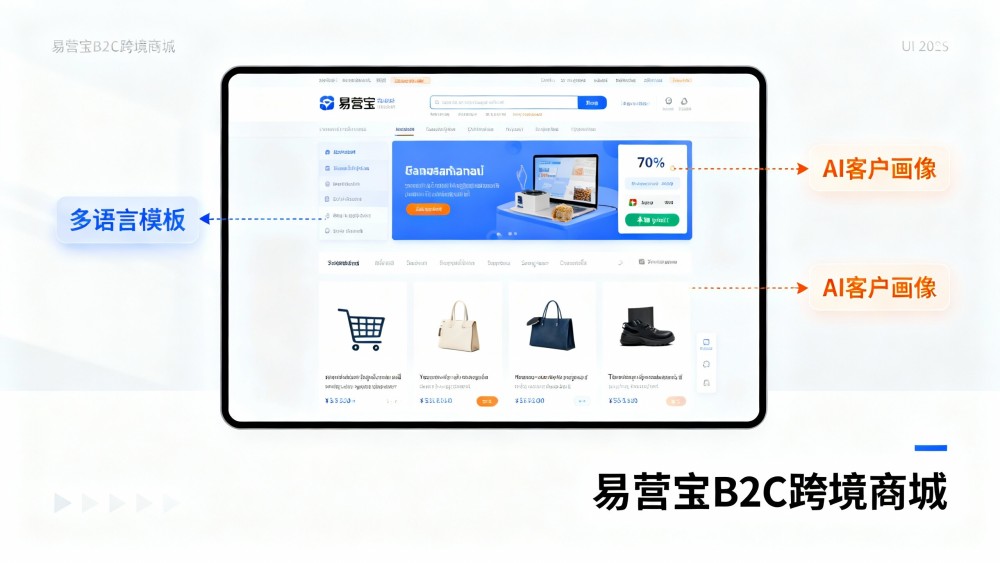
 EasyStore B2C Cross-border E-commerce Platform, Independent SiteEasyStore B2C Cross-border E-commerce Independent Store is an intelligent website building and cross-border e-commerce integrated solution independently developed by EasyStore Information Technology (Beijing) Co., Ltd. The system is specifically designed for small, medium, and large export enterprises, integrating 'website building, operation, marketing, advertising, and conversion' into one platform, helping businesses quickly establish cross-border e-commerce independent stores to achieve brand globalization and global sales growth.
The platform supports multiple languages, currencies, and multi-channel marketing, with built-in AI intelligent translation and SEO optimization systems, suitable for mainstream markets such as Southeast Asia, Europe & America, Latin America, and the Middle East, assisting Chinese manufacturing enterprises in efficiently deploying international e-commerce strategies. SSL CertificateEasyCert provides professional SSL security certificate services, including single-domain and wildcard certificates, ensuring encrypted data transmission, identity verification, and integrity protection for websites. This empowers businesses to establish secure and trustworthy online business environments.