I. Definition of Multilingual Website Construction in Shanwei
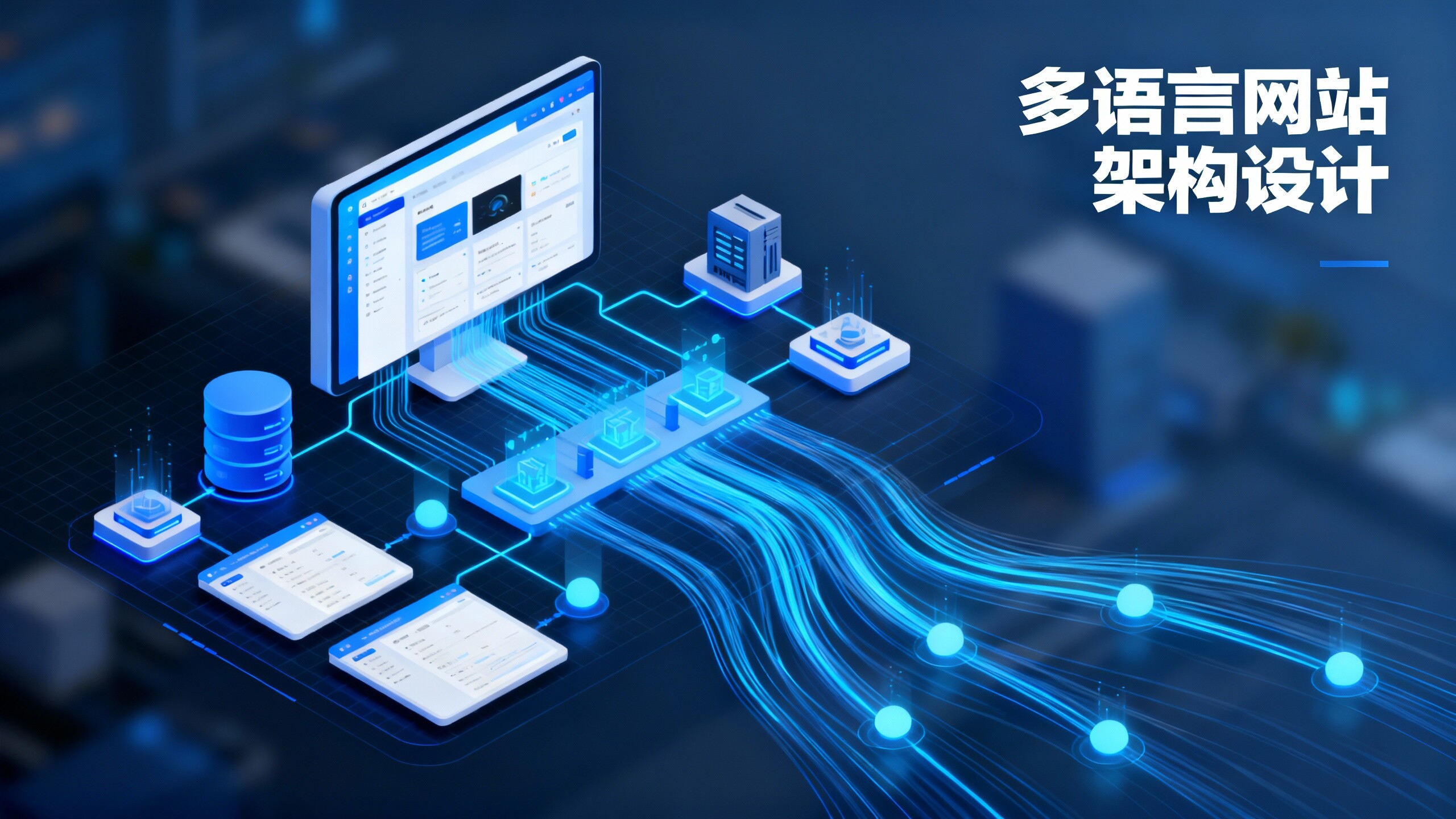
Multilingual website development in Shanwei refers to building a responsive website system that supports multiple languages (such as Chinese, English, Japanese, Spanish, French, Russian, etc.) to meet the internationalization needs of businesses in the Shanwei area. This website can automatically switch and accurately present multilingual content based on visitor language preferences, IP address, or manual selection, thereby enabling barrier-free access and information exchange for global users.
This website system typically integrates modules such as intelligent translation, content localization, SEO optimization, multilingual URL structure, international domain deployment, and cross-cultural design, providing enterprises with a complete international solution covering brand display, marketing conversion, customer communication, and after-sales service.
II. Development History
1. Early stage (around 2005): Corporate websites were mainly in Chinese, and foreign trade companies mostly relied on English static pages for external display, lacking SEO structure and content management system.
2. The rise of CMS systems (around 2010): With the popularity of open-source content management systems such as WordPress and Joomla, multilingual plugins (such as WPML and Polylang) began to be widely used, enabling enterprises to create multilingual content more easily.
3. The Era of Responsive Design and SEO (Post-2015): Enterprises began to value user experience and search engine optimization. Website multilingualism entered a professional stage, supporting automatic language recognition, intelligent switching, and international SEO strategies.
4. The Era of Intelligent Website Building and AI Translation (2020 to Present): With the development of AI technology, the model of machine translation combined with human editing has been widely adopted. Websites can be launched in more than ten languages within hours, significantly reducing the threshold for internationalization.
III. Technical Principles
The multilingual website development in Shanwei is based on the following key technological principles:
- 1. Multilingual Content Management System (CMS): Enables unified management and flexible switching of multilingual content through a CMS platform that supports multiple language structures (such as WordPress, Drupal, or standalone SaaS systems).
- 2. Language detection and automatic switching: The system can automatically identify the user's browser language or IP address location and automatically switch to the corresponding language version.
- 3. URL internationalization structure: Using subdirectories or independent domain names such as "/en/" or "/fr/" is beneficial for search engine indexing and ranking.
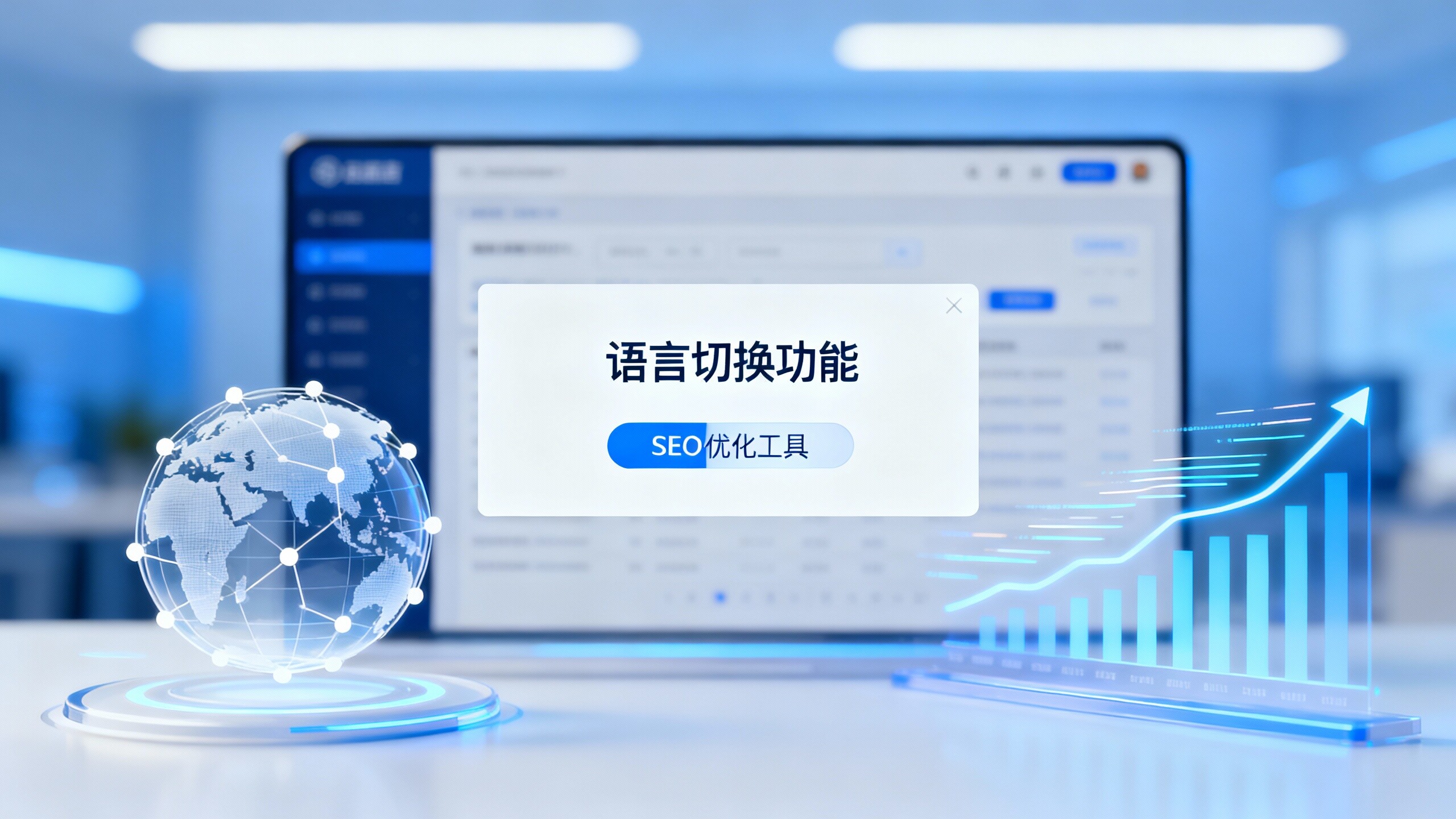
- 4. Multilingual SEO Optimization: Combining hreflang tags, multilingual sitemaps, and localized keyword optimization to ensure that each language version receives priority exposure in search results for the corresponding country.
- 5. Content localization and cultural adaptation: Not only translating the language, but also adjusting the design and expression according to the target market's culture, reading habits and color preferences.
IV. Technical Features
- 1. Responsive layout: The website can automatically adapt to different screen sizes and devices (PC, tablet, mobile phone).
- 2. Intelligent translation integration: Supports collaborative translation between humans and AI, such as DeepL, Google Translate API, ChatGPT localization interface, etc.
- 3. Independent and centralized data management: Multiple language versions share a unified backend management system, and data updates are synchronized.
- 4. International CDN Acceleration: Improve access speed and stability through global CDN nodes, and optimize the user experience for overseas users.
- 5. SEO-friendly structure: Compliant with the multilingual recognition standards of major search engines such as Google, Bing, and Yandex.
V. Applications and Application Scenarios
The application scenarios for building multilingual websites in Shanwei are extremely wide, covering multiple fields such as manufacturing, foreign trade, education, tourism, e-commerce and service industries.
- 1. Foreign trade manufacturing enterprises: Display product information through bilingual (Chinese and English) or multilingual websites to enhance international customer trust and increase inquiries.
- 2. Cross-border e-commerce platform: Supports multi-currency settlement and multilingual customer service systems to expand sales markets.
- 3. Education and training institutions: Provide multilingual courses and registration channels for overseas students.
- 4. Cultural and Tourism Industry: Create multilingual tourism portals to attract international tourists and promote local culture.
- 5. Government and Investment Projects: Showcase the investment environment and policy advantages through a multilingual portal to promote international cooperation.
VI. Comparative Analysis: Multilingual Websites vs. Monolingual Websites
VII. Industry Scenarios and Cases

1. Shanwei Machinery Manufacturing Industry: Showcase product specifications to European and American customers through a multilingual website, integrate an online inquiry system, and achieve automatic quotation.
2. Shanwei aquatic product exporters: Use a website in Chinese, English, and Japanese to promote seafood brands and access traffic from international B2B platforms.
3. Shanwei Cultural Tourism Project: Construct a multilingual portal in Chinese, English, and Korean, and combine multimedia content to enhance the city's image and attract tourists.
VIII. Standards and Certification
- 1. Internationalized encoding standard: Follows UTF-8 encoding to ensure correct display of multilingual characters.
- 2. SEO Structure Standards: Follow W3C and Google Multilingual Page Specifications (including hreflang tags).
- 3. Data security standards: Compliant with GDPR and ISO 27001 international data protection requirements.
- 4. WCAG Accessibility Standards: Ensure that multilingual websites are user-friendly and barrier-free for users worldwide.
IX. Summary of the Advantages of Building a Multilingual Website in Shanwei
- Enhance the company's international exposure and brand trust.
- Enhance overseas SEO performance and increase organic traffic.
- Break down language barriers to improve conversion and repurchase rates.
- Supports multi-region access and localized interaction.
- Build a long-term sustainable international communication capability for enterprises.
Conclusion
Building a multilingual website in Shanwei is not merely a technological upgrade for corporate website construction, but also a strategic move for brand internationalization. Through the deep integration of technology, content, and culture, it helps Shanwei businesses overcome geographical limitations and establish global competitiveness and brand influence. In future cross-border competition, those who achieve multilingual deployment earlier will gain a competitive edge on the international stage.
Special Topic Description
This special feature provides an in-depth analysis of the strategic significance and technical system of "Shanwei Multilingual Website Construction," offering a comprehensive guide to international website building for businesses, from definition, development, principles, and characteristics to industry applications and standard certifications. Multilingual websites are not merely information display tools, but also key vehicles for cross-cultural marketing and global brand building. Through systematic planning and SEO optimization, Shanwei enterprises can leverage multilingual websites to gain substantial traffic and high conversion rates in the global market, achieving a leap from local manufacturing to international branding.
FAQ
1. How long does it take to build a multilingual website?
A typical bilingual (Chinese and English) website can be completed in 2 to 3 weeks, while multilingual versions depend on the content and the amount of translation required.
2. How to optimize SEO for multilingual websites?
You need to set separate keywords, description tags, and hreflang directives for each language version to ensure that search engines in different regions index it correctly.
3. Does it support automatic translation?
It supports AI-powered automatic translation and can be combined with human editing to ensure natural semantics and professional expression.
4. Can the website automatically switch languages based on the visitor's region?
Intelligent language switching can be achieved through IP recognition or browser language detection.

Customer Reviews
Mr. Chen, head of a machinery manufacturing company in Shanwei
"After our export website went live, visits from European and American customers tripled, and inquiries increased significantly, truly enhancing our international brand image."
Ms. Wang, Cross-border E-commerce Operations Manager, Shanwei
"The system's multilingual architecture and SEO optimization have led to a rapid rise in our website's ranking in Google English search results, and have also greatly improved the customer experience."
 Multilingual website Shantou development case: Optimization techniques from 0 traffic to 50% monthly conversion growthMultilingual website Shantou development practice: Yiyunbao uses AI for website building, global CDN, and multilingual SEO optimization services, helping independent websites achieve 50% monthly conversion growth within 4 months from 0 traffic. We provide Shantou multilingual website construction, Shantou multilingual website development, and multilingual SEO optimization services, and support localized solutions in Chaozhou, Jieyang, Maoming, Qingyuan, Yunfu, Heyuan, and other Guangdong areas: domain name strategy, automatic hreflang, automated TDK, localized copywriting, and A/B landing page optimization. Click now for a free diagnosis and reusable implementation checklist to help your multilingual website get indexed quickly, build trust, and convert overseas buyers.
 How to choose between building and outsourcing a multilingual website in Shanwei? Cost, speed, and maintenance comparison tableHow to choose between building and outsourcing a multilingual website in Shanwei? This article compares the cost, launch speed, and maintenance differences between an in-house team and outsourcing to a multilingual website development company in Shanwei, Chaozhou, or Shaoguan. It also provides actionable multilingual SEO optimization service strategies. Whether it's a templated quick launch (suitable for market validation in places like Jieyang and Maoming) or deep customization with global CDN deployment (ideal for long-term overseas expansion in Qingyuan, Yunfu, and Heyuan), EasyStore uses AI and big data for one-stop website building and ad placement, helping you reduce bounce rates and improve conversions. Click now for a free needs diagnosis and budget evaluation to quickly lock in the best solution.
 How much does multilingual website development cost in Jieyang? A detailed cost breakdown from requirements to launchWant to know the cost of multilingual website development in Jieyang? This guide covers multilingual website development, Shantou multilingual website setup, Maoming multilingual website production, Qingyuan multilingual website design, multilingual website cloud hosting providers, Heyuan multilingual website construction, multilingual website Shaoguan companies, and multilingual website Chaozhou companies. It breaks down costs for requirements, AI translation, CMS, CDN, security, and multilingual SEO optimization services. Includes case studies, common pitfalls, and cost-saving strategies to help you budget and launch confidently. Click now for a customized quote and ROI analysis.
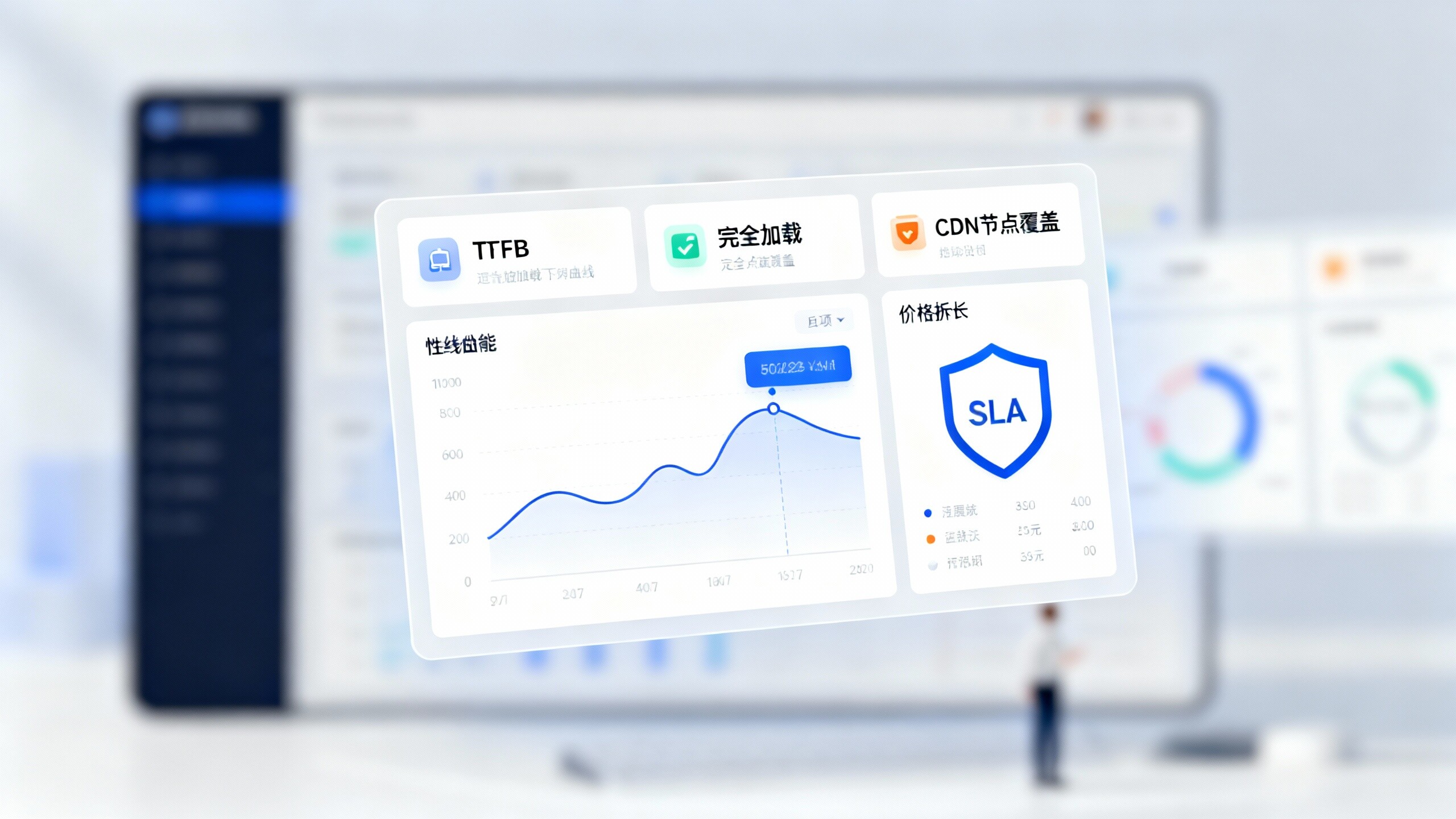
 Multilingual website cloud hosting provider comparison: Performance, pricing, and after-sales in 3 minutes quick evaluationQuickly select a multilingual website cloud hosting provider in 3 minutes: This article provides a practical evaluation table and quantitative reference based on performance (TTFB, full load, global nodes), pricing (five-item breakdown and three-year TCO), and after-sales (SLA, localization compliance) to help researchers and users quickly screen candidates. The content covers multilingual website portal companies, multilingual website Yangzhou development, famous multilingual website production, Qingyuan multilingual website design, Heyuan multilingual website construction, multilingual website Shanwei development, multilingual SEO optimization services, Shanwei multilingual website setup, and multilingual website Chaozhou company procurement and technical evaluation points. Download the comparison table template and initiate POC to immediately generate executable decisions and cost-reduction solutions. Click for details to obtain customized evaluation tools.
 Is multilingual SEO optimization service really effective? 10 quantifiable indicators to test your SMEThis article uses ten quantifiable indicators to examine the actual ROI of multilingual SEO optimization services, covering cases like multilingual website portal companies, multilingual website design and development, renowned multilingual website production, Qingyuan multilingual website design, multilingual website cloud hosting providers, Heyuan multilingual website construction, Shanwei multilingual website development, Shanwei multilingual website setup, and Chaozhou multilingual website companies. Through data comparisons like organic traffic, keyword rankings, indexed pages, loading speed, and conversion rates (e.g., 40% increase in Shanwei project inquiries over 6 months, 20% drop in mobile bounce rate), it helps SMEs decide if multilingual SEO is worth investing in; the conclusion offers actionable advice and a free diagnostic invitation—click to get a data-driven roadmap.
 Key Points in Heyuan Multilingual Website Construction: How to Implement SEO, Language Switching, and Localized Content?Heyuan Multilingual Website Construction focuses on localization and SEO实战, providing end-to-end solutions for multilingual websites of Shaoguan companies, multilingual website development in Jieyang, renowned multilingual website production and Qingyuan multilingual website design. We are also a trusted partner for multilingual website cloud hosting services and multilingual website services in Chaozhou. Whether it's multilingual website development in Shanwei, Shanwei multilingual website搭建, or multilingual SEO optimization services, we enhance search visibility and conversion through hreflang, structured data, and automated operations. Get a free diagnosis and customized implementation plan now to quickly capture local traffic.
 How to Choose a Multilingual Website Hosting Company? 5 Decision Indicators and Real Case ComparisonsPlanning to select a multilingual website hosting company? This article evaluates based on five key decision indicators: technical performance, localization, SEO, operational compliance, and delivery. It compares real-world cases from multilingual website development companies like Maoyang, Morning Multilingual Website Design, Qingyuan Multilingual Website Design, multilingual website cloud hosting providers, and Heyuan Multilingual Website Construction, as well as Shanwei Multilingual Website Setup and Chaozhou-based companies, helping you quickly identify reliable service providers. Dive deep into multilingual SEO optimization services, CDN strategies for high-traffic scenarios, and get free technical evaluations with localized solutions. Click to request customized proposals and quotes.
 Multilingual Website Chaozhou Company Selection Guide: 3 Industry Case Studies Teach You How to Avoid Localization FailureHow to Choose a Multilingual Website Chaozhou Company for Businesses Preparing to Go Global? This Guide Reveals Key Selection Points Through Three Industry Case Studies, Helping You Avoid Risks Such as Mechanical Translation, Search Traffic Loss, and Compliance Delays. The Content Covers Multilingual Website Shantou Companies, Multilingual Website Jieyang Development, Renowned Multilingual Website Production, Qingyuan Multilingual Website Design, Cloud Service Providers, Heyuan Multilingual Website Construction, Shanwei Multilingual Website Development and Setup, Along With Practical Experience in Multilingual SEO Optimization Services and Filing Agency. Want to Shorten the Launch Cycle and Improve Overseas Visibility and Conversion? Inquire Now for a Free Evaluation and Customized Selection Execution Plan.