I. Definition of Maoming Multilingual Website Development
Multilingual website development in Maoming refers to creating web platforms that support multiple language versions for user groups in different linguistic regions through technical means and content translation. The goal is to present corporate brands, products, and services in users' native languages, breaking language barriers to achieve international communication and market expansion.
This process encompasses not only multilingual interface design and content translation but also search engine optimization (SEO), cultural localization, user experience (UX) enhancement, and cross-regional server deployment among other full-cycle technical implementations.
II. Development History
The origin of multilingual websites can be traced back to the early stages of the internet boom in the late 20th century. Initially, corporate websites were predominantly monolingual. With the growth of cross-border e-commerce and international trade, businesses began recognizing the importance of multilingual content. Around 2005, content management systems (CMS) like Joomla, WordPress, and Drupal introduced multilingual plugins, making website construction more convenient.
In the era of mobile internet and global marketing, multilingual website development has gradually integrated AI-powered automatic translation, intelligent content synchronization, and cross-border CDN distribution technologies to achieve global access acceleration and smart language recognition. Currently in Maoming, numerous manufacturing, agricultural export, and cross-border e-commerce businesses have adopted multilingual websites as core gateways for brand internationalization.
III. Technical Principles
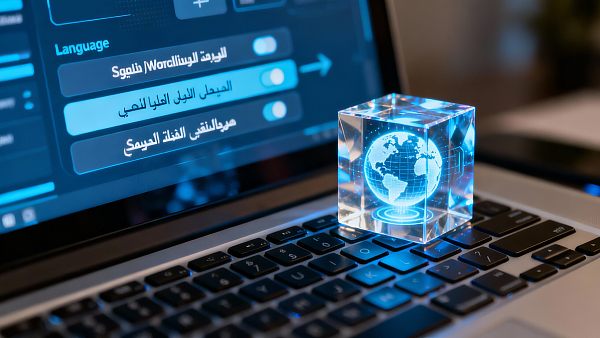
Maoming multilingual website development relies on multiple core technologies:
1. Multilingual Content Management System (CMS): Enables backend management for multilingual content entry, synchronization, and version updates.
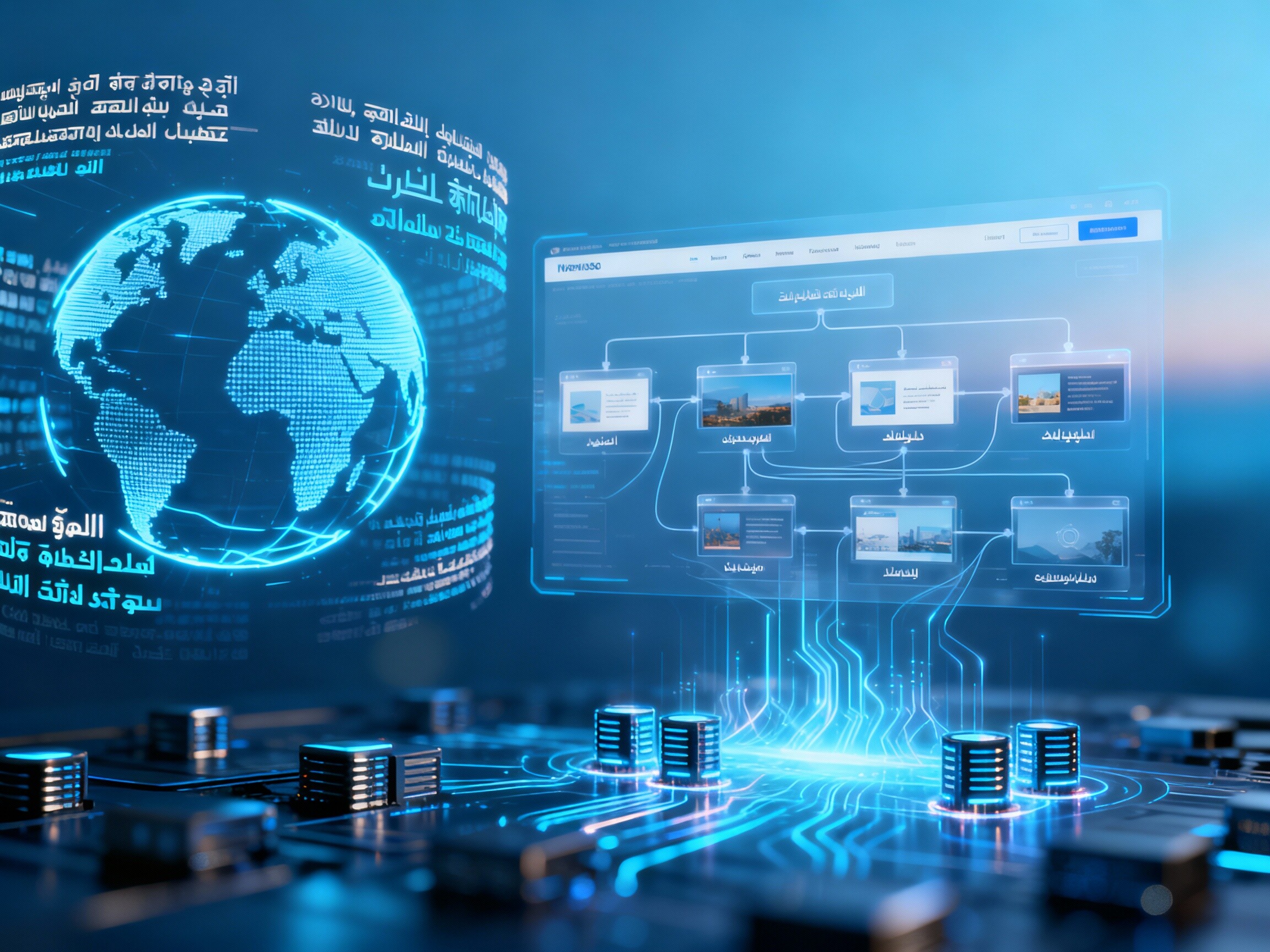
2. International Encoding Standards (UTF-8): Ensures compatibility with Chinese, English, Arabic, French, Spanish, and other multilingual characters.
3. URL and Directory Structure Optimization: Independent paths for different language versions (e.g., /en, /fr) facilitate search engine indexing.
4. Browser Language Recognition and Auto-Redirect: Systems automatically display content in the user's preferred language based on IP or browser settings.
5. Global CDN and Multi-Point Distribution: Ensures consistent access speeds for users across different countries, improving user experience.
6. AI Translation Combined with Human Proofreading: Machine translation rapidly generates text, while human review ensures linguistic and cultural appropriateness.
IV. Technical Features
1. High Compatibility: Supports coexistence of multilingual characters and cultural elements, ensuring proper display worldwide.
2. Responsive Design: Adapts to computers, mobile devices, and tablets, enhancing cross-device experience.
3. Intelligent SEO Structure: Optimizes keywords, tags, and meta information for different language versions.
4. Modular Architecture: Facilitates later addition of new languages or content updates.
5. Data Security and Backup: Ensures stable and reliable multilingual database structures.
6. Unified Content Management: Backend allows centralized maintenance of different language versions, reducing operational costs.
V. Applications and Scenarios
Maoming multilingual website development applies to multiple industries, particularly for businesses targeting international trade and global promotion:
1. Export Manufacturing: Displays product specifications, certifications, and pricing information, improving inquiry rates through multilingual support.
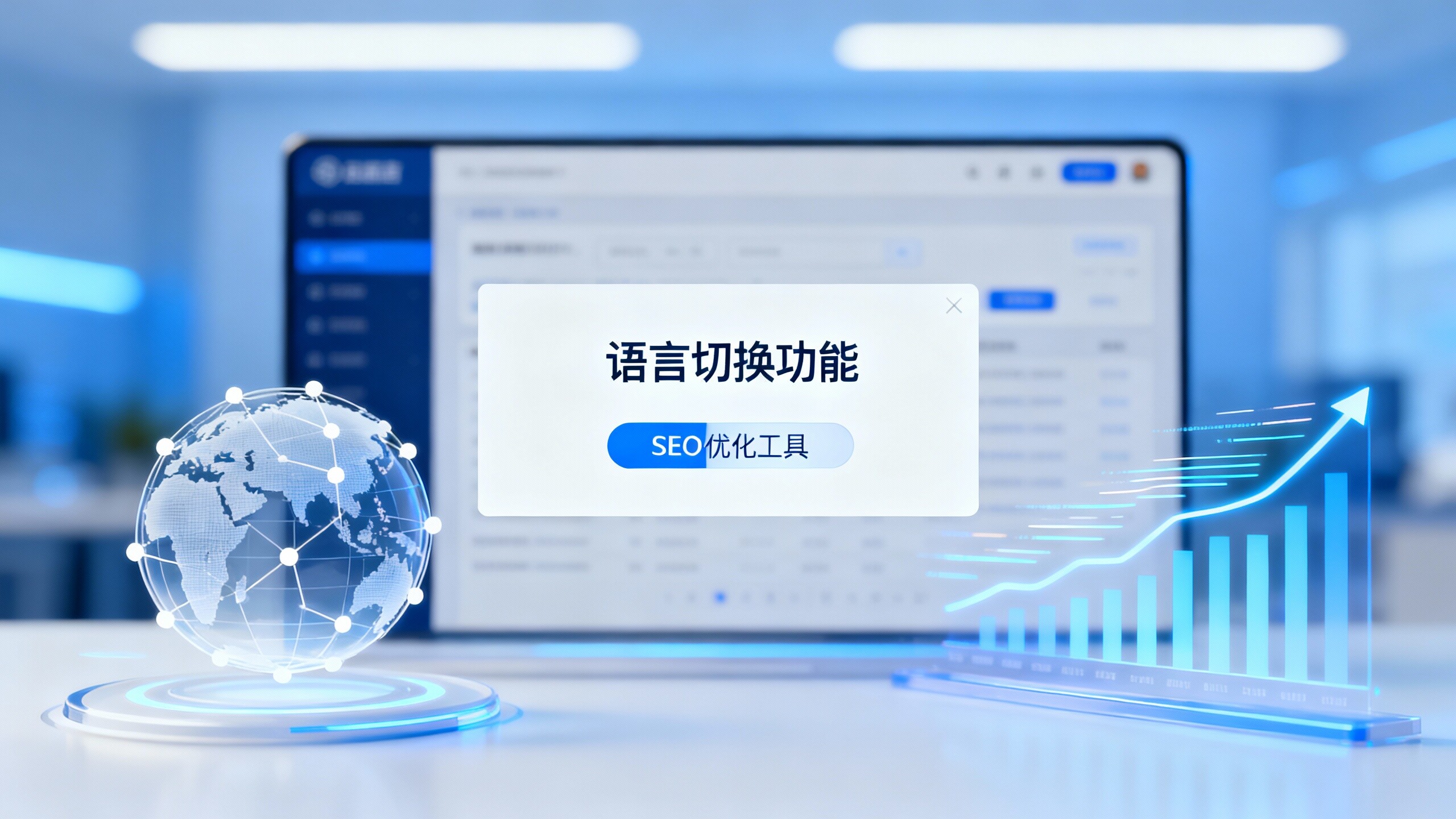
2. Cross-Border E-Commerce: Provides language switching and local payment experiences for buyers in different regions.
3. Education and Training Institutions: Offers multilingual enrollment and course introductions for international students.
4. Government and City Image Promotion: Showcases local industries, investment environments, and cultural identity through multilingual websites.
5. Tourism and Hospitality: Multilingual content facilitates browsing and booking services for overseas tourists.
VI. Comparative Analysis
Monolingual Website VS Multilingual Website:
1. Market Coverage: Multilingual websites reach global users, while monolingual sites are limited to specific regions.
2. User Experience: Native language presentation enhances trust and interaction rates.
3. Search Engine Performance: Multilingual versions can achieve independent rankings in local search engines.
4. Brand Image: Multilingual websites demonstrate a company's international capabilities.
5. Cost and ROI: While development costs are slightly higher, long-term returns are significant.
VII. Industry Scenario Analysis

In Maoming, the local industrial structure primarily focuses on manufacturing, agricultural processing, chemical, and aquatic product exports. With the advancement of the "Belt and Road" initiative, more businesses are establishing international brands through multilingual websites. Multilingual content showcases corporate qualifications, product details, and certification information, strengthening overseas client trust. For example, Maoming aquatic exporters can attract East Asian buyers through English, Japanese, and Korean versions, while chemical companies can expand into Middle Eastern and Central Asian markets with Russian and Arabic versions.
VIII. Certification and Compliance Requirements
1. International Encoding Standards: Complies with W3C-recommended UTF-8 and HTML5 standards.
2. Privacy Compliance: Meets EU GDPR and ISO27001 data security standards.
3. Translation Service Quality: Follows ISO 17100 international translation service standards to ensure linguistic quality.
4. Website Accessibility Standards: Complies with WCAG 2.1 specifications, ensuring inclusive access for all user groups.
5. Search Engine Standards: Supports hreflang tags and multilingual Sitemaps.
IX. Future Trends
Future Maoming multilingual website development will advance toward intelligence, localization, and interactivity. AI-driven real-time translation, multilingual speech recognition, smart customer service, and multilingual video display technologies will further optimize cross-language communication experiences. Simultaneously, businesses will increasingly focus on "content cultural adaptation," customizing materials based on target countries' cultures, consumption habits, and visual aesthetics to achieve truly meaningful international communication.
Conclusion
Maoming multilingual website development is a crucial component of corporate internationalization. It's not merely a technical project but a vital part of global brand strategy. Through scientific SEO layouts, professional language localization, and secure, efficient system architectures, businesses can establish credible, professional, and authoritative brand images in international markets, gaining more orders and collaboration opportunities. For Maoming enterprises looking to expand overseas, multilingual websites are no longer an "option" but a "necessity."
FAQ
1. How long does multilingual website development take?
Typically, SME website development takes 15 to 30 days, depending on the number of languages and content complexity.
2. Is human translation necessary?
While AI translation is efficient, professional and cultural accuracy requires human proofreading.
3. How many languages can a website support?
Commonly supported languages include Chinese, English, French, Spanish, Japanese, Korean, Russian, Arabic, and over a hundred others.
4. How to optimize multilingual website SEO?
Independent URL structures, hreflang tags, localized keywords, and server node optimization can effectively improve search engine rankings.
Customer Reviews
Maoming Haiyong Aquatic Products Co., Ltd.
"We're a Maoming aquatic export company. After implementing a multilingual website, visits from Japanese and Southeast Asian clients doubled, significantly boosting brand influence."
Client Review Two:
"The multilingual website designed by the team combines aesthetics with functionality, supporting language switching and overseas SEO optimization, perfectly suited for our foreign trade business." — Maoming Tianhong Machinery Equipment Factory
"The multilingual website designed by the team combines aesthetics with functionality, supporting language switching and overseas SEO optimization, perfectly suited for our foreign trade business."
 Famous Multilingual Website Production: The Practical Workflow and Common Pitfalls for Startups to Go Live in 3 WeeksFamous Multilingual Website Production Goes Live in 3 Weeks: We provide an all-in-one practical solution from domain name filing, global CDN deployment to AI + human translation and multilingual SEO optimization services, helping startups avoid common pitfalls and go global quickly. Whether you need famous multilingual website production, Shantou multilingual website setup, multilingual website development in Shantou, or seek a multilingual website service company in Shaoguan, multilingual website development in Jieyang, Qingyuan multilingual website design, multilingual website cloud service provider in Heyuan, or multilingual website construction and support from a Chaozhou company, we can deliver the first version within 3 weeks and provide follow-up maintenance and conversion optimization. Ready to accelerate your launch? Contact us now for a one-on-one evaluation and quick quote.
 How to choose between building and outsourcing a multilingual website in Shanwei? Cost, speed, and maintenance comparison tableHow to choose between building and outsourcing a multilingual website in Shanwei? This article compares the cost, launch speed, and maintenance differences between an in-house team and outsourcing to a multilingual website development company in Shanwei, Chaozhou, or Shaoguan. It also provides actionable multilingual SEO optimization service strategies. Whether it's a templated quick launch (suitable for market validation in places like Jieyang and Maoming) or deep customization with global CDN deployment (ideal for long-term overseas expansion in Qingyuan, Yunfu, and Heyuan), EasyStore uses AI and big data for one-stop website building and ad placement, helping you reduce bounce rates and improve conversions. Click now for a free needs diagnosis and budget evaluation to quickly lock in the best solution.
 How much does multilingual website development cost in Jieyang? A detailed cost breakdown from requirements to launchWant to know the cost of multilingual website development in Jieyang? This guide covers multilingual website development, Shantou multilingual website setup, Maoming multilingual website production, Qingyuan multilingual website design, multilingual website cloud hosting providers, Heyuan multilingual website construction, multilingual website Shaoguan companies, and multilingual website Chaozhou companies. It breaks down costs for requirements, AI translation, CMS, CDN, security, and multilingual SEO optimization services. Includes case studies, common pitfalls, and cost-saving strategies to help you budget and launch confidently. Click now for a customized quote and ROI analysis.
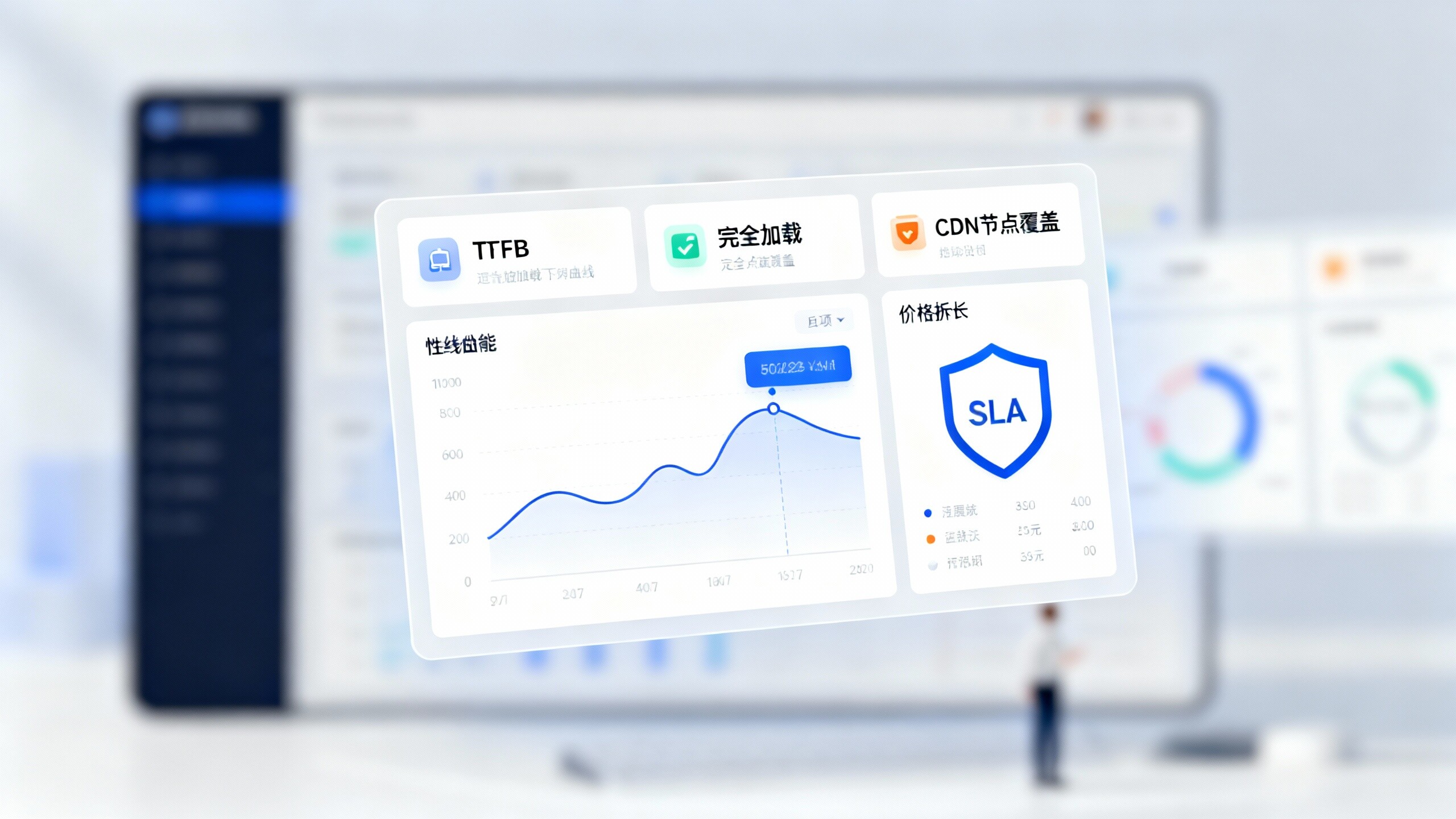
 Multilingual website cloud hosting provider comparison: Performance, pricing, and after-sales in 3 minutes quick evaluationQuickly select a multilingual website cloud hosting provider in 3 minutes: This article provides a practical evaluation table and quantitative reference based on performance (TTFB, full load, global nodes), pricing (five-item breakdown and three-year TCO), and after-sales (SLA, localization compliance) to help researchers and users quickly screen candidates. The content covers multilingual website portal companies, multilingual website Yangzhou development, famous multilingual website production, Qingyuan multilingual website design, Heyuan multilingual website construction, multilingual website Shanwei development, multilingual SEO optimization services, Shanwei multilingual website setup, and multilingual website Chaozhou company procurement and technical evaluation points. Download the comparison table template and initiate POC to immediately generate executable decisions and cost-reduction solutions. Click for details to obtain customized evaluation tools.
 Is multilingual SEO optimization service really effective? 10 quantifiable indicators to test your SMEThis article uses ten quantifiable indicators to examine the actual ROI of multilingual SEO optimization services, covering cases like multilingual website portal companies, multilingual website design and development, renowned multilingual website production, Qingyuan multilingual website design, multilingual website cloud hosting providers, Heyuan multilingual website construction, Shanwei multilingual website development, Shanwei multilingual website setup, and Chaozhou multilingual website companies. Through data comparisons like organic traffic, keyword rankings, indexed pages, loading speed, and conversion rates (e.g., 40% increase in Shanwei project inquiries over 6 months, 20% drop in mobile bounce rate), it helps SMEs decide if multilingual SEO is worth investing in; the conclusion offers actionable advice and a free diagnostic invitation—click to get a data-driven roadmap.
 Key Points in Heyuan Multilingual Website Construction: How to Implement SEO, Language Switching, and Localized Content?Heyuan Multilingual Website Construction focuses on localization and SEO实战, providing end-to-end solutions for multilingual websites of Shaoguan companies, multilingual website development in Jieyang, renowned multilingual website production and Qingyuan multilingual website design. We are also a trusted partner for multilingual website cloud hosting services and multilingual website services in Chaozhou. Whether it's multilingual website development in Shanwei, Shanwei multilingual website搭建, or multilingual SEO optimization services, we enhance search visibility and conversion through hreflang, structured data, and automated operations. Get a free diagnosis and customized implementation plan now to quickly capture local traffic.
 How to Choose a Multilingual Website Hosting Company? 5 Decision Indicators and Real Case ComparisonsPlanning to select a multilingual website hosting company? This article evaluates based on five key decision indicators: technical performance, localization, SEO, operational compliance, and delivery. It compares real-world cases from multilingual website development companies like Maoyang, Morning Multilingual Website Design, Qingyuan Multilingual Website Design, multilingual website cloud hosting providers, and Heyuan Multilingual Website Construction, as well as Shanwei Multilingual Website Setup and Chaozhou-based companies, helping you quickly identify reliable service providers. Dive deep into multilingual SEO optimization services, CDN strategies for high-traffic scenarios, and get free technical evaluations with localized solutions. Click to request customized proposals and quotes.
 Multilingual Website Chaozhou Company Selection Guide: 3 Industry Case Studies Teach You How to Avoid Localization FailureHow to Choose a Multilingual Website Chaozhou Company for Businesses Preparing to Go Global? This Guide Reveals Key Selection Points Through Three Industry Case Studies, Helping You Avoid Risks Such as Mechanical Translation, Search Traffic Loss, and Compliance Delays. The Content Covers Multilingual Website Shantou Companies, Multilingual Website Jieyang Development, Renowned Multilingual Website Production, Qingyuan Multilingual Website Design, Cloud Service Providers, Heyuan Multilingual Website Construction, Shanwei Multilingual Website Development and Setup, Along With Practical Experience in Multilingual SEO Optimization Services and Filing Agency. Want to Shorten the Launch Cycle and Improve Overseas Visibility and Conversion? Inquire Now for a Free Evaluation and Customized Selection Execution Plan.