I. Definition of Multilingual Website Hub Company
A multilingual website hub company specializes in providing international website construction, language localization translation, cross-border marketing optimization, and global deployment services for enterprises. This type of company integrates foreign trade industry needs with SEO optimization strategies to create website systems compatible with multiple language versions such as Chinese, English, French, German, Spanish, Japanese, etc., meeting the browsing and communication habits of users from different countries and regions.
Compared to traditional website development, multilingual website development not only involves technical construction but also includes language and cultural adaptation, international SEO, server distribution, content management system (CMS) configuration, cross-border payment integration, and other complex aspects. Therefore, multilingual website hub companies hold strong professional advantages in the field of foreign trade marketing.
II. Development History
1. Initial Stage (2005-2010): Foreign trade enterprises began promoting products through English websites, but multilingual versions were relatively limited, primarily relying on manual translation and static pages.
2. CMS Popularization Stage (2011-2016): With the maturity of multilingual support systems like WordPress, Drupal, and Joomla, enterprises started building dynamic multilingual websites with unified backend management.
3. International SEO and Responsive Era (2017-2020): Multilingual website hub companies introduced international SEO and adaptive design technologies to meet mobile and search engine optimization requirements.
4. Smart Website and AI Translation Era (2021-Present): The rise of AI intelligent translation, automatic language recognition, and dynamic content localization technologies enables enterprises to complete multilingual website deployment and promotion in shorter timeframes.
III. Technical Principles
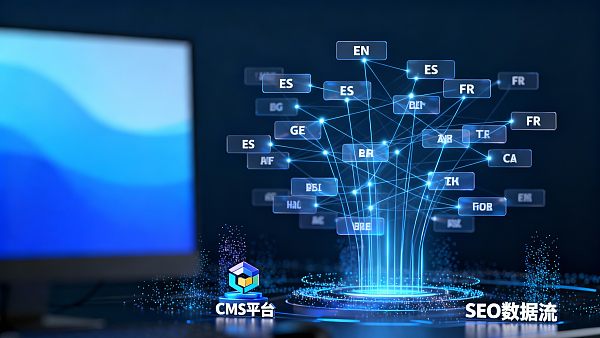
The core technology of multilingual websites is based on internationalization (i18n) and localization (l10n) frameworks. i18n separates language text from code logic, allowing the system to flexibly load different language resources, while l10n ensures a consistent user experience across different language environments through translation and content adaptation.
Additionally, multilingual website hub companies typically adopt the following technical systems:
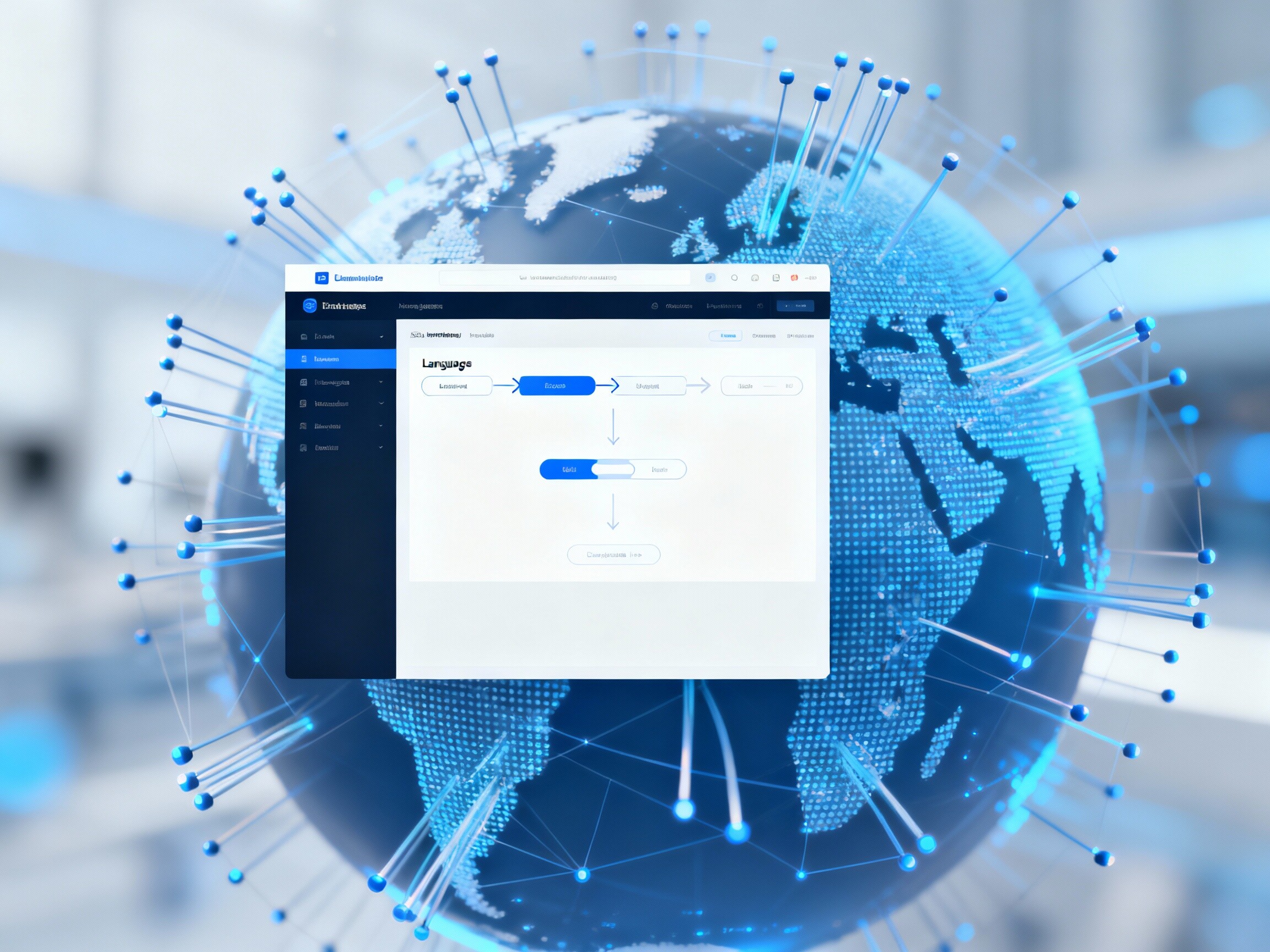
- Multilingual content management system (CMS), supporting language switching and content synchronization.
- Combination of AI translation and manual proofreading to improve language accuracy and naturalness.
- Server distribution deployment (CDN global acceleration) to enhance international access speed.
- Multilingual SEO optimization, such as hreflang tags and international domain partitioning strategies.
- Cloud data synchronization and security encryption to ensure data transmission security.
IV. Technical Features
- 1. Multilingual Intelligent Recognition: The system automatically switches website language based on visitor IP or browser language.
- 2. Unified Backend Management: Centralized management and synchronized updates for multilingual content.
- 3. International SEO Optimization: Tailored optimization strategies for different countries' search engines (e.g., Google, Yandex, Baidu).
- 4. High-Speed Loading and CDN Distribution: Global node acceleration improves user access experience.
- 5. Modular Design: Adaptable to B2B, B2C, and brand showcase websites.
- 6. Security Compliance: Complies with GDPR and other international data protection standards.
V. Applications and Scenarios
Multilingual websites are widely used in foreign trade export, manufacturing, technological innovation, cultural dissemination, and other industries. Hub enterprises achieve international brand exposure and business expansion through multilingual website construction.
- Foreign Trade Manufacturing Enterprises: Display product catalogs and quotation systems to attract overseas clients.
- Technology and Software Companies: Showcase technological advantages through English and multilingual pages.
- Education and Training Institutions: Multilingual recruitment websites for international students.
- Cross-Border E-Commerce Platforms: Support multilingual and multi-currency settlement systems.
- Culture and Tourism Industry: Multilingual content showcasing city culture and tourism resources.
VI. Comparative Analysis: Multilingual Website Hub Company vs. Traditional Website Construction
VII. Industry Scenario Analysis

1. Hub Export Manufacturing Industry: Display product specifications and certifications through multilingual websites to increase overseas orders.
2.Cross-Border B2C Sellers: Achieve global sales through independent multilingual websites.
3.Education and Training Industry: Enhance international recruitment and brand awareness.
4.Cultural Tourism and Government Agencies: Multilingual official websites showcasing city image and investment projects.
VIII. Certifications
- Compliance with W3C international webpage standards
- Support for GDPR European data protection regulations
- SSL encryption and cloud firewall security verification
- ISO27001 information security system standards
IX. Competitive Advantages of Multilingual Website Hub Companies
- Extensive experience in foreign trade website construction, familiar with international buyer search behavior.
- Support for AI intelligent translation combined with manual language refinement.
- One-stop services including international domain registration, CDN deployment, and email systems.
- Precise SEO strategy layout to improve Google and Baidu rankings.
- Flexible modular systems adaptable to various industry scenarios.
Conclusion
Multilingual website hub companies have become key partners for foreign trade enterprises in global expansion. Through smart website systems, AI language technologies, and international SEO strategies, they help enterprises transition from local brands to global brands. Choosing professional multilingual website development services is the first step for hub enterprises to enter the world market.
Topic Description (Within 300 Words)
This topic focuses on "multilingual website hub companies," systematically analyzing their technical frameworks, international SEO strategies, and foreign trade application value. Multilingual website hub companies leverage AI intelligent translation, cloud deployment, and multilingual content management systems to help enterprises quickly achieve international website construction, enhancing brand exposure and global competitiveness. Suitable for foreign trade manufacturing, cross-border e-commerce, education, and training industries, they assist enterprises in efficiently expanding overseas markets and achieving global brand operations and business growth.
FAQ
1. Which languages do multilingual websites support?
Generally, they support mainstream languages such as Chinese, English, French, German, Russian, Spanish, Arabic, Japanese, etc., and can expand based on client needs.
2. Can website content be automatically translated?
The system supports AI intelligent translation and can be proofread by professional translators to ensure natural and accurate language expression.
3. Do you support cross-border SEO optimization?
Yes, we optimize for international search engines like Google, Bing, and Yandex to help overseas clients reach their target audience precisely.
4. Is website maintenance complex?
Backend operations are simple, supporting synchronized content updates. Enterprises can manage it themselves or delegate operations.
Customer Reviews
Mr. Li, General Manager of Hub Machinery Manufacturing Enterprise
"The multilingual website hub company built a bilingual Chinese-English official website for us, with fast access speed, easy-to-use backend, and significant SEO effects, increasing foreign trade inquiries threefold."
Ms. Chen, Foreign Trade Factory Manager
"The service team is professional, translations are accurate, and the website's Google ranking has improved significantly, helping our brand enter the international market." Famous Multilingual Website Production: The Practical Workflow and Common Pitfalls for Startups to Go Live in 3 WeeksFamous Multilingual Website Production Goes Live in 3 Weeks: We provide an all-in-one practical solution from domain name filing, global CDN deployment to AI + human translation and multilingual SEO optimization services, helping startups avoid common pitfalls and go global quickly. Whether you need famous multilingual website production, Shantou multilingual website setup, multilingual website development in Shantou, or seek a multilingual website service company in Shaoguan, multilingual website development in Jieyang, Qingyuan multilingual website design, multilingual website cloud service provider in Heyuan, or multilingual website construction and support from a Chaozhou company, we can deliver the first version within 3 weeks and provide follow-up maintenance and conversion optimization. Ready to accelerate your launch? Contact us now for a one-on-one evaluation and quick quote.
 How to choose between building and outsourcing a multilingual website in Shanwei? Cost, speed, and maintenance comparison tableHow to choose between building and outsourcing a multilingual website in Shanwei? This article compares the cost, launch speed, and maintenance differences between an in-house team and outsourcing to a multilingual website development company in Shanwei, Chaozhou, or Shaoguan. It also provides actionable multilingual SEO optimization service strategies. Whether it's a templated quick launch (suitable for market validation in places like Jieyang and Maoming) or deep customization with global CDN deployment (ideal for long-term overseas expansion in Qingyuan, Yunfu, and Heyuan), EasyStore uses AI and big data for one-stop website building and ad placement, helping you reduce bounce rates and improve conversions. Click now for a free needs diagnosis and budget evaluation to quickly lock in the best solution.
 How much does multilingual website development cost in Jieyang? A detailed cost breakdown from requirements to launchWant to know the cost of multilingual website development in Jieyang? This guide covers multilingual website development, Shantou multilingual website setup, Maoming multilingual website production, Qingyuan multilingual website design, multilingual website cloud hosting providers, Heyuan multilingual website construction, multilingual website Shaoguan companies, and multilingual website Chaozhou companies. It breaks down costs for requirements, AI translation, CMS, CDN, security, and multilingual SEO optimization services. Includes case studies, common pitfalls, and cost-saving strategies to help you budget and launch confidently. Click now for a customized quote and ROI analysis.
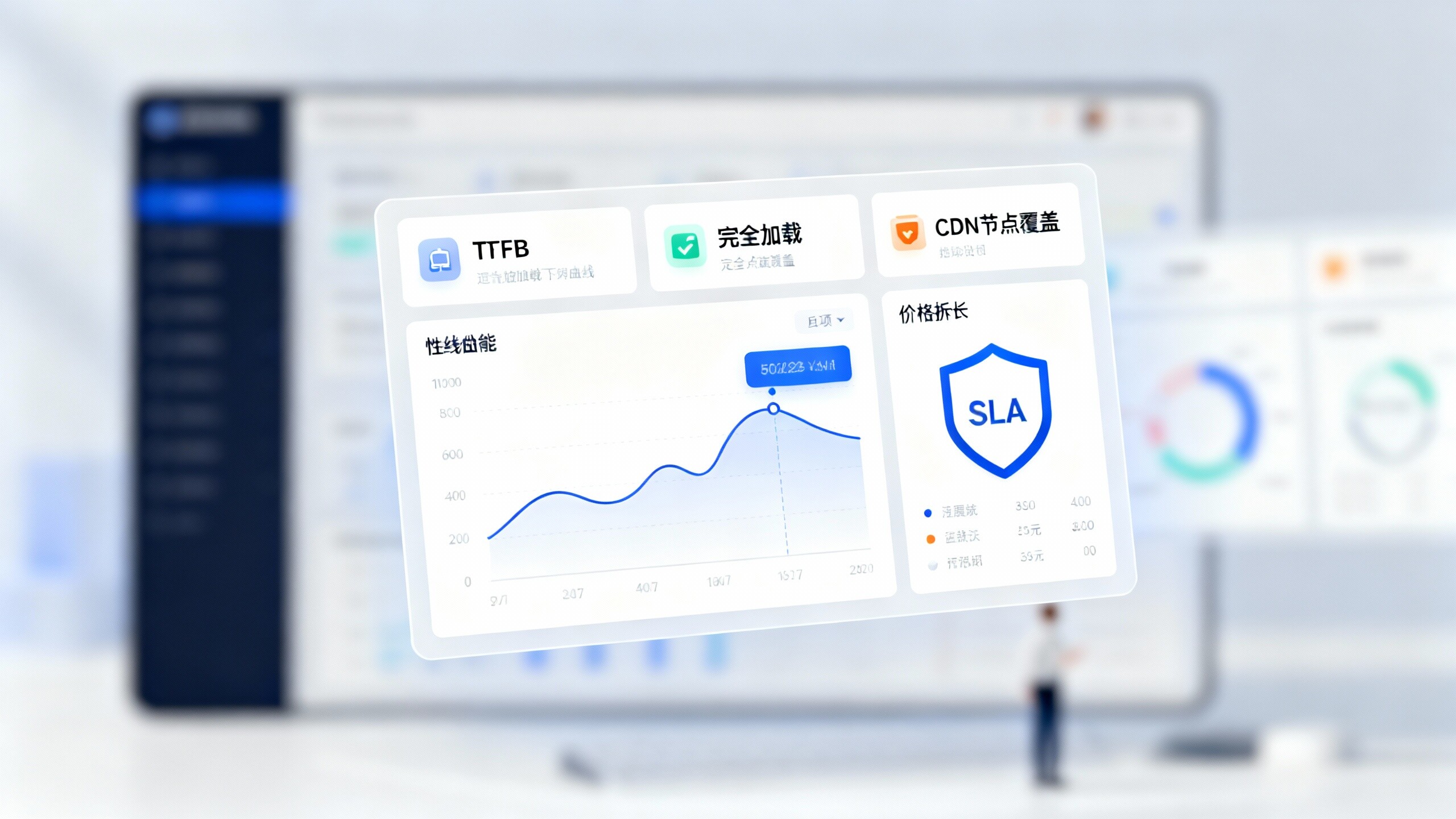
 Multilingual website cloud hosting provider comparison: Performance, pricing, and after-sales in 3 minutes quick evaluationQuickly select a multilingual website cloud hosting provider in 3 minutes: This article provides a practical evaluation table and quantitative reference based on performance (TTFB, full load, global nodes), pricing (five-item breakdown and three-year TCO), and after-sales (SLA, localization compliance) to help researchers and users quickly screen candidates. The content covers multilingual website portal companies, multilingual website Yangzhou development, famous multilingual website production, Qingyuan multilingual website design, Heyuan multilingual website construction, multilingual website Shanwei development, multilingual SEO optimization services, Shanwei multilingual website setup, and multilingual website Chaozhou company procurement and technical evaluation points. Download the comparison table template and initiate POC to immediately generate executable decisions and cost-reduction solutions. Click for details to obtain customized evaluation tools.
 Is multilingual SEO optimization service really effective? 10 quantifiable indicators to test your SMEThis article uses ten quantifiable indicators to examine the actual ROI of multilingual SEO optimization services, covering cases like multilingual website portal companies, multilingual website design and development, renowned multilingual website production, Qingyuan multilingual website design, multilingual website cloud hosting providers, Heyuan multilingual website construction, Shanwei multilingual website development, Shanwei multilingual website setup, and Chaozhou multilingual website companies. Through data comparisons like organic traffic, keyword rankings, indexed pages, loading speed, and conversion rates (e.g., 40% increase in Shanwei project inquiries over 6 months, 20% drop in mobile bounce rate), it helps SMEs decide if multilingual SEO is worth investing in; the conclusion offers actionable advice and a free diagnostic invitation—click to get a data-driven roadmap.
 Key Points in Heyuan Multilingual Website Construction: How to Implement SEO, Language Switching, and Localized Content?Heyuan Multilingual Website Construction focuses on localization and SEO实战, providing end-to-end solutions for multilingual websites of Shaoguan companies, multilingual website development in Jieyang, renowned multilingual website production and Qingyuan multilingual website design. We are also a trusted partner for multilingual website cloud hosting services and multilingual website services in Chaozhou. Whether it's multilingual website development in Shanwei, Shanwei multilingual website搭建, or multilingual SEO optimization services, we enhance search visibility and conversion through hreflang, structured data, and automated operations. Get a free diagnosis and customized implementation plan now to quickly capture local traffic.
 How to Choose a Multilingual Website Hosting Company? 5 Decision Indicators and Real Case ComparisonsPlanning to select a multilingual website hosting company? This article evaluates based on five key decision indicators: technical performance, localization, SEO, operational compliance, and delivery. It compares real-world cases from multilingual website development companies like Maoyang, Morning Multilingual Website Design, Qingyuan Multilingual Website Design, multilingual website cloud hosting providers, and Heyuan Multilingual Website Construction, as well as Shanwei Multilingual Website Setup and Chaozhou-based companies, helping you quickly identify reliable service providers. Dive deep into multilingual SEO optimization services, CDN strategies for high-traffic scenarios, and get free technical evaluations with localized solutions. Click to request customized proposals and quotes.
 Multilingual Website Chaozhou Company Selection Guide: 3 Industry Case Studies Teach You How to Avoid Localization FailureHow to Choose a Multilingual Website Chaozhou Company for Businesses Preparing to Go Global? This Guide Reveals Key Selection Points Through Three Industry Case Studies, Helping You Avoid Risks Such as Mechanical Translation, Search Traffic Loss, and Compliance Delays. The Content Covers Multilingual Website Shantou Companies, Multilingual Website Jieyang Development, Renowned Multilingual Website Production, Qingyuan Multilingual Website Design, Cloud Service Providers, Heyuan Multilingual Website Construction, Shanwei Multilingual Website Development and Setup, Along With Practical Experience in Multilingual SEO Optimization Services and Filing Agency. Want to Shorten the Launch Cycle and Improve Overseas Visibility and Conversion? Inquire Now for a Free Evaluation and Customized Selection Execution Plan.