I. Definition of Multilingual Website Cloud Floating Service Provider
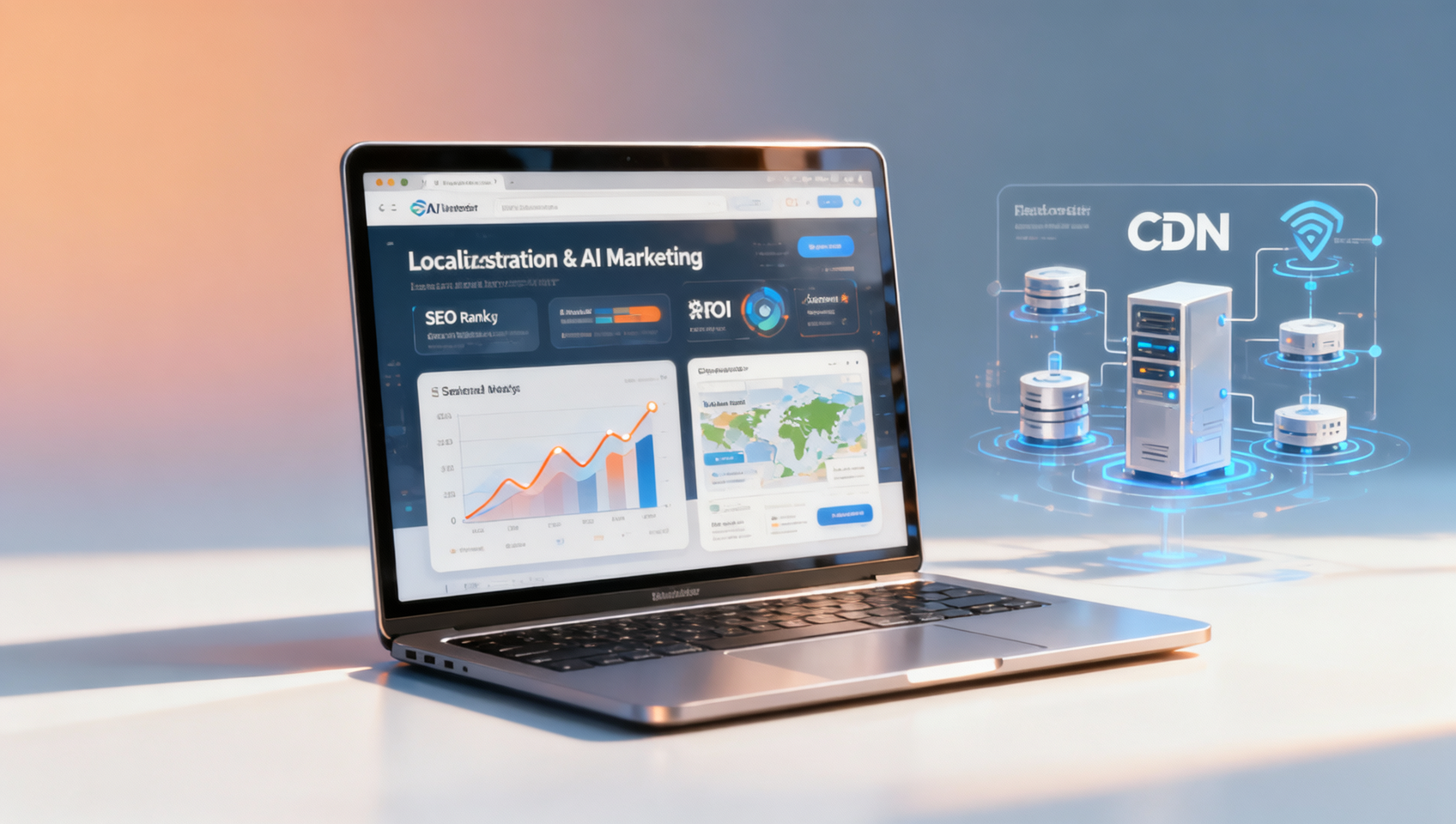
"Multilingual Website Cloud Floating Service Provider" refers to a professional organization or platform that specializes in providing multilingual website construction and international marketing support for cloud floating and surrounding enterprises. This type of service provider focuses on website construction, language translation, localization optimization, SEO promotion, and social media integration, offering enterprises a one-stop solution from website setup to traffic conversion.
Compared to traditional website companies, multilingual website cloud floating service providers not only focus on website design and functionality but also emphasize the international adaptation and search engine optimization of content, enabling enterprise websites to be easily accessed and understood by users from different countries.
II. Development History
Cloud floating's multilingual website services began around 2010, initially only involving foreign trade enterprises commissioning web design companies to develop English websites. With the rise of the "Belt and Road" initiative and cross-border e-commerce, cloud floating manufacturing enterprises gradually expanded into Southeast Asian and European markets, leading to a significant increase in demand for multilingual website construction.
Starting in 2018, cloud floating local multilingual website service providers began integrating AI translation, overseas hosting, Google SEO, Meta ads, and other technologies to achieve fully digitalized services. By 2020, SaaS website systems and AI intelligent language management technologies had improved the efficiency of multilingual website construction several times over, enabling small and medium-sized enterprises to easily expand into global markets.
III. Technical Principles

The construction principles of multilingual website cloud floating service providers are based on the following key technologies:
1.Multilingual Content Management System (CMS): Through built-in language version control functions, independent management and synchronized updates of pages in different languages are achieved.
2.AI Intelligent Translation Combined with Manual Proofreading: Utilizing artificial intelligence for automatic content translation, followed by optimization by language experts to ensure semantic accuracy and cultural adaptation.
3.International SEO Structure: Through hreflang tags, multi-domain strategies, and Meta data optimization, search engines can recognize multilingual versions.
4.CDN Global Acceleration: Utilizing distributed servers to improve overseas access speeds, ensuring fast loading of websites worldwide.
5.Responsive and Mobile-End Adaptive Design: Ensuring perfect display of different language versions on various terminal devices.
6.Cloud Deployment and Security Protection: Adopting cloud computing architecture for high availability and ensuring data security through SSL and anti-attack systems.
IV. Technical Features
1.Rapid Deployment: Through templates and modular construction technology, multilingual websites can be quickly launched.
2.Flexible Language Versions: Supports multiple language versions including Chinese, English, Japanese, Korean, German, French, and Spanish.
3.Built-in SEO Optimization: Includes optimization mechanisms for both Baidu and Google search engines.
4.Global Accessibility: Achieves global node acceleration through CDN networks.
5.Strong Scalability: Can integrate e-commerce systems, CRM systems, online customer service, and payment functions.
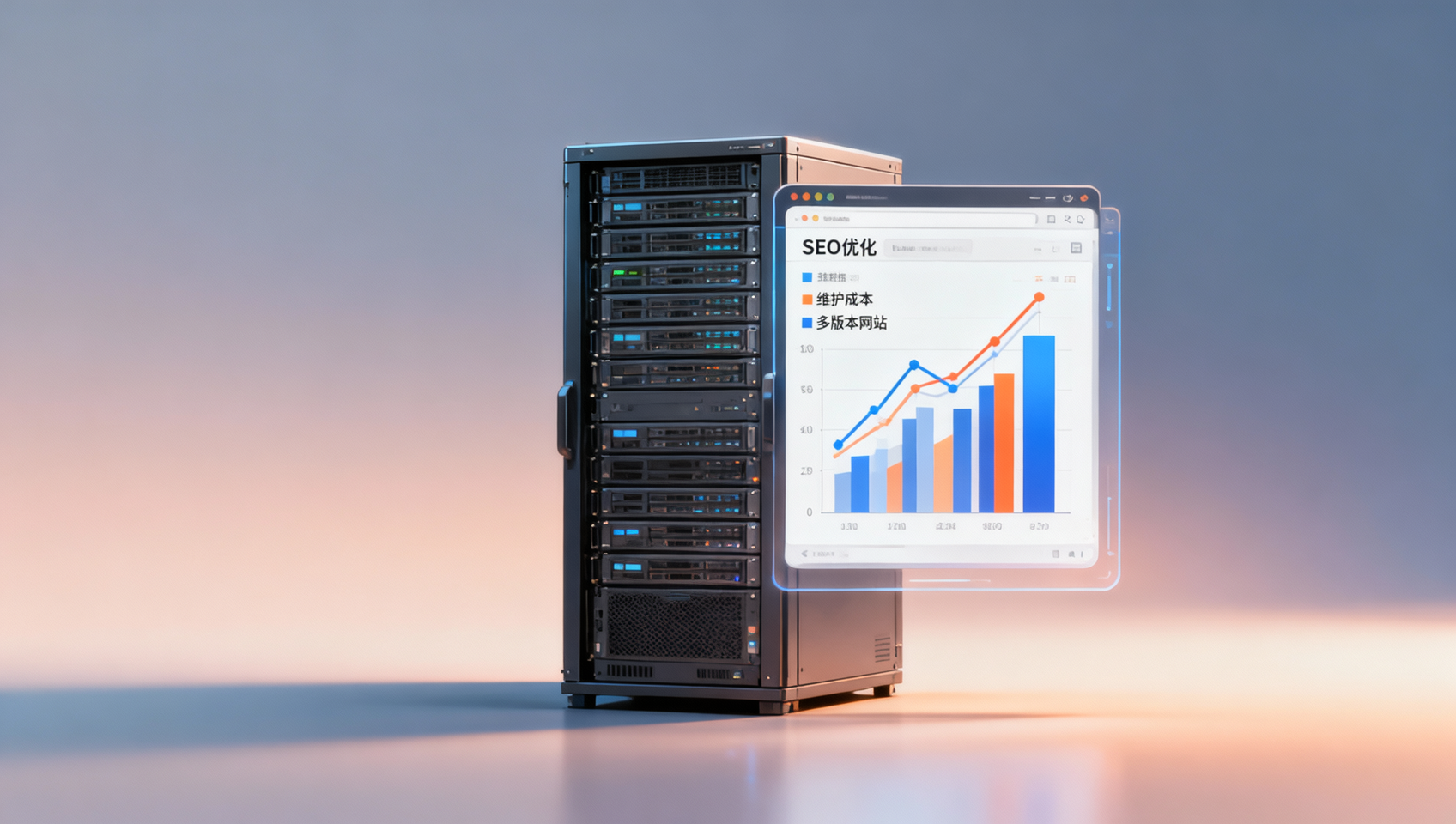
6.Synchronized Content Updates: Automatic synchronization of modifications between multilingual versions reduces maintenance costs.
7.Integrated Data Analysis: Real-time monitoring of access and conversion rates in different language regions.
V. Applications and Scenarios
The applications of multilingual websites in cloud floating mainly focus on the following areas:
1.Foreign Trade Manufacturing Enterprises: Displaying products through English, Russian, and Spanish websites to reach overseas clients.
2.Stone and Building Materials Industry: Cloud floating stone enterprises use multilingual websites to showcase product parameters, cases, and craftsmanship to Middle Eastern and European clients.
3.Mechanical Equipment Manufacturing Industry: Achieving cross-border sales through technical documentation and video displays.
4.Foreign Trade Service Industry: Companies providing international logistics, export agency, and consulting services expand overseas cooperation through websites.
5.Cultural Tourism Enterprises: Attracting international tourists by showcasing cloud floating's natural landscapes and tourism resources in multiple languages.
6.Education and Training Institutions: Setting up international courses and enrollment pages for overseas students.
VI. Comparative Analysis
1. Traditional Website vs. Multilingual Website
Traditional websites only target local or domestic clients, while multilingual websites break language barriers through multiple language versions, giving brands global exposure.
2. Local Construction vs. Cloud Intelligent Construction
Traditional construction requires local deployment and complex updates; cloud intelligent construction supports global content synchronization and one-click upgrades.
3. Generic Translation vs. Professional Localization
Generic translations can lead to cultural errors, while professional service providers offer localized translations that ensure semantic accuracy and brand expression.
VII. Industry Scenarios
Cloud floating's industrial structure is dominated by manufacturing, stone processing, and export trade, making multilingual website construction particularly important in the following industries:
1. Stone and Building Materials Industry: Requires multilingual displays of product parameters, cases, and craftsmanship.
2. Manufacturing Exports: Machinery and electronic equipment achieve overseas marketing through websites.
3. Cross-Border E-commerce: Cloud floating SMEs use multilingual platforms to expand into Southeast Asian markets.
4. Trade Services: Used to showcase foreign trade agency, customs clearance, and freight services.
5. Education and Training Institutions: Promoting international study programs and cooperative projects.
VIII. Standard Certifications and Compliance Requirements
1.W3C International Standards: Ensuring code structure complies with international web page specifications.
2.GDPR Privacy Compliance: Protecting user privacy data to enhance international trust.
3.SSL Encryption Certification: Ensuring data security for multilingual websites during global access.
4.SEO Structure Standards: Properly setting URLs, Titles, Meta tags, and H tags.
5.International Testing Standards: Ensuring correct display of various languages with compatible character sets and no errors.
IX. Core Advantages of Cloud Floating Multilingual Website Service Providers

1. Localization Support: Familiar with cloud floating's industrial structure and enterprise needs, providing customized website solutions.
2.Clear Cost Advantages: Local service providers offer affordable prices with high cost-performance ratios.
3.Strong Technical Expertise: Mastering AI website construction, SEO optimization, and overseas promotion technologies.
4.One-Stop Service: Covering the entire process from website construction to multilingual SEO and ad placement.
5.Long-Term Maintenance and Training: Providing continuous optimization and content updates for enterprises.
X. Future Development Trends
1.Popularization of AI Intelligent Translation: Artificial intelligence will further improve the efficiency of content localization.
2.Internationalization of Audio and Video Content: Websites will support multilingual broadcasts and subtitled videos.
3.Cross-Platform Integration: Deep integration of websites with Meta, LinkedIn, and Google ad systems.
4.Data-Driven Optimization: Continuous improvement of content performance and conversion rates through big data analysis.
Conclusion
"Multilingual Website Cloud Floating Service Providers" not only offer website construction for enterprises but also open doors to international markets for brands. Through multilingual content, intelligent construction technologies, and international SEO strategies, cloud floating enterprises can achieve global brand dissemination and business growth. In the future, with the integration of AI construction and cross-border marketing technologies, cloud floating's multilingual website construction will become more intelligent, efficient, and internationalized, helping local enterprises gain a competitive edge in global competition.
FAQ
1. How many languages can a multilingual website support?
Supports multiple language versions including Chinese, English, French, German, Japanese, Korean, and Spanish.
2. Do cloud floating service providers offer SEO optimization?
Yes, professional service providers conduct independent SEO optimization for each language version.
3. How long does it generally take to build a website?
Basic display websites can go live in about 3 to 7 days, while e-commerce websites take about 10 to 15 days.
4. Can I manage the content myself?
Yes, the backend supports visual editing and synchronized management of multilingual content.
5. What is the overseas access speed?
Through CDN global acceleration nodes, access speeds in different countries are ensured.

Customer Reviews
Yunfu Huachang Stone Industry Co., Ltd.
"We are a cloud floating stone export enterprise. The service provider built a bilingual Chinese-English website for us, which is not only aesthetically pleasing but also significantly increased overseas client inquiries."
Yunfu Shengda Machinery Technology Co., Ltd.
"The multilingual website helped us enter the Southeast Asian market. The translations and SEO optimization provided by the service provider were very professional, significantly improving our brand exposure."
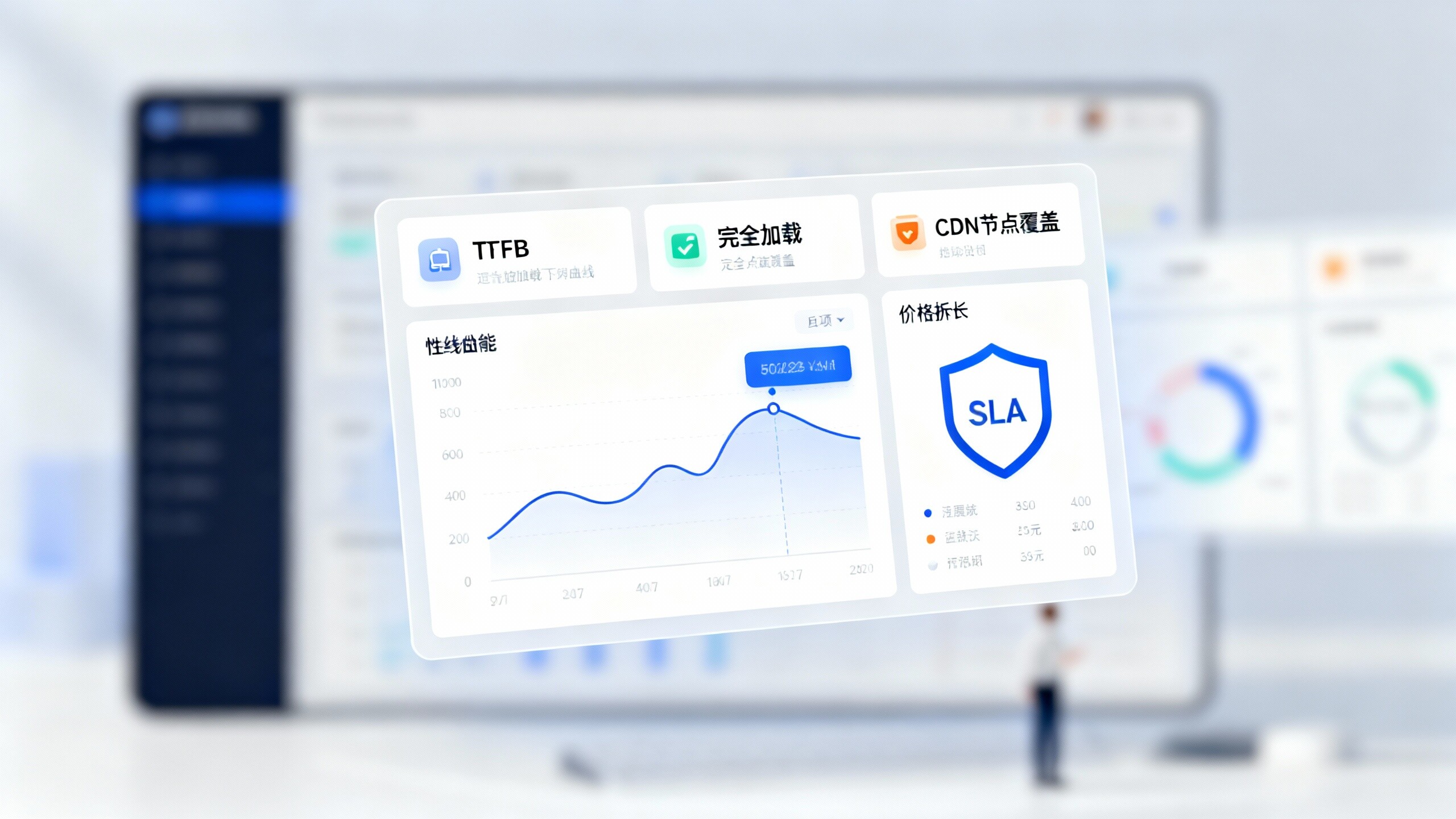
 Multilingual website cloud hosting provider comparison: Performance, pricing, and after-sales in 3 minutes quick evaluationQuickly select a multilingual website cloud hosting provider in 3 minutes: This article provides a practical evaluation table and quantitative reference based on performance (TTFB, full load, global nodes), pricing (five-item breakdown and three-year TCO), and after-sales (SLA, localization compliance) to help researchers and users quickly screen candidates. The content covers multilingual website portal companies, multilingual website Yangzhou development, famous multilingual website production, Qingyuan multilingual website design, Heyuan multilingual website construction, multilingual website Shanwei development, multilingual SEO optimization services, Shanwei multilingual website setup, and multilingual website Chaozhou company procurement and technical evaluation points. Download the comparison table template and initiate POC to immediately generate executable decisions and cost-reduction solutions. Click for details to obtain customized evaluation tools.
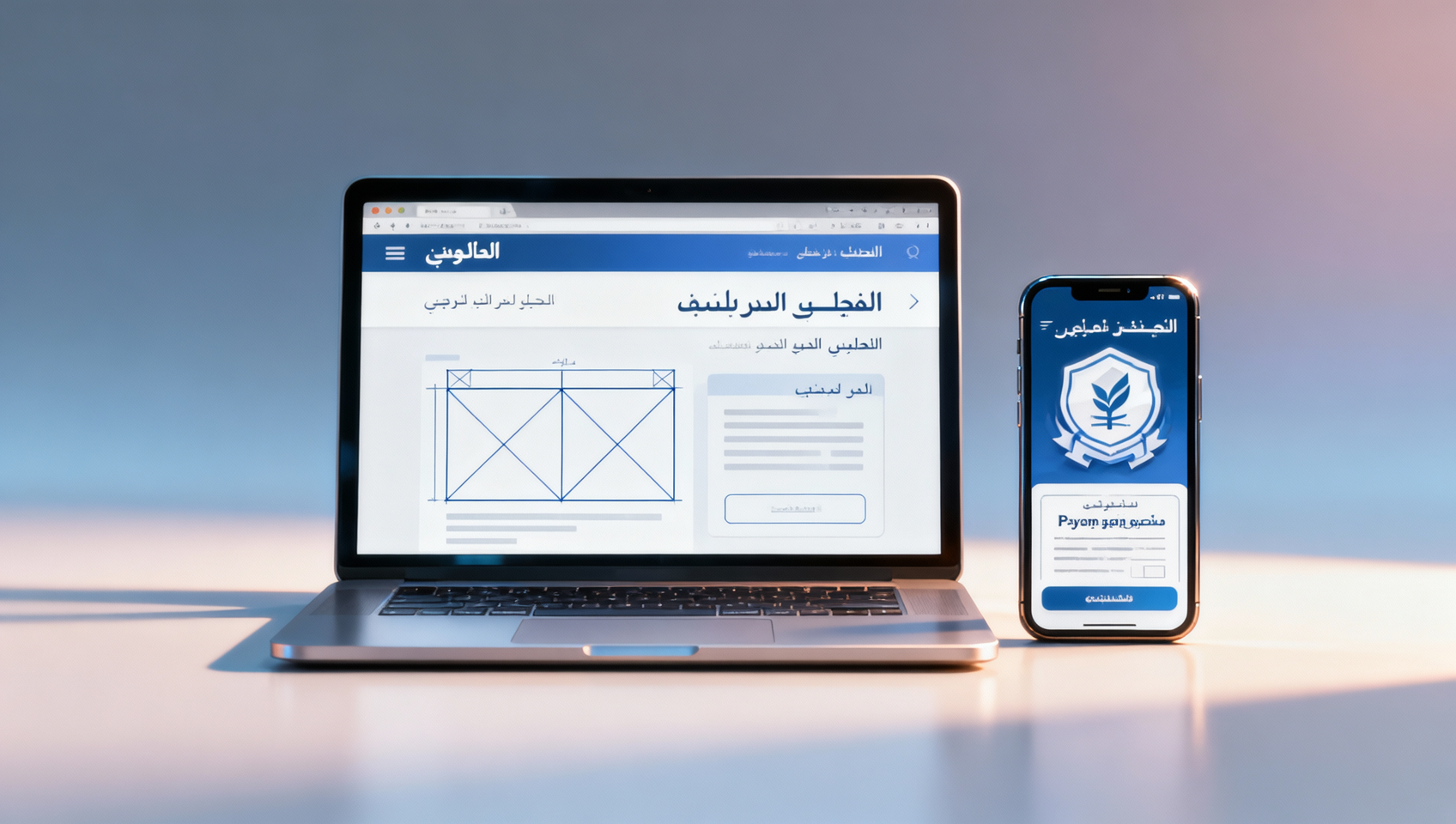
 Arabic Website Development Guide for Export Companies: 3 Key Cultural Adaptations and Compliance PointsArabic Website Development for Export Companies: Master 3 Key Cultural Adaptations and Compliance Aspects, Optimize RTL Layout, Local Payment Methods, Localized Visuals, and SEO Strategies to Reduce Bounce Rates and Boost Conversion Rates for Independent Export Sites. Learn EasyOperation Workflows, Costs, and Case Studies to Get Customized Landing Solutions—Consult Now. Mobile-First + Global CDN Acceleration Enables Performance Verification and Ad ROI Tracking Within 30 Days.
 Comparison of Latin American and Southeast Asian Markets for Foreign Trade Independent Websites: 5 Key Customer Behavior DifferencesComparison of Latin American and Vietnamese Markets for Foreign Trade Independent Websites, including precise advertising strategies, Eyingbao ad conversion rate improvement solutions, multilingual website cloud hosting services/multilingual website construction/Heyang development/Taiyuan case studies, and providing Portuguese independent website construction companies and Arabic website development solutions for foreign trade enterprises. Get immediate consultation for customized diagnosis and free evaluation.
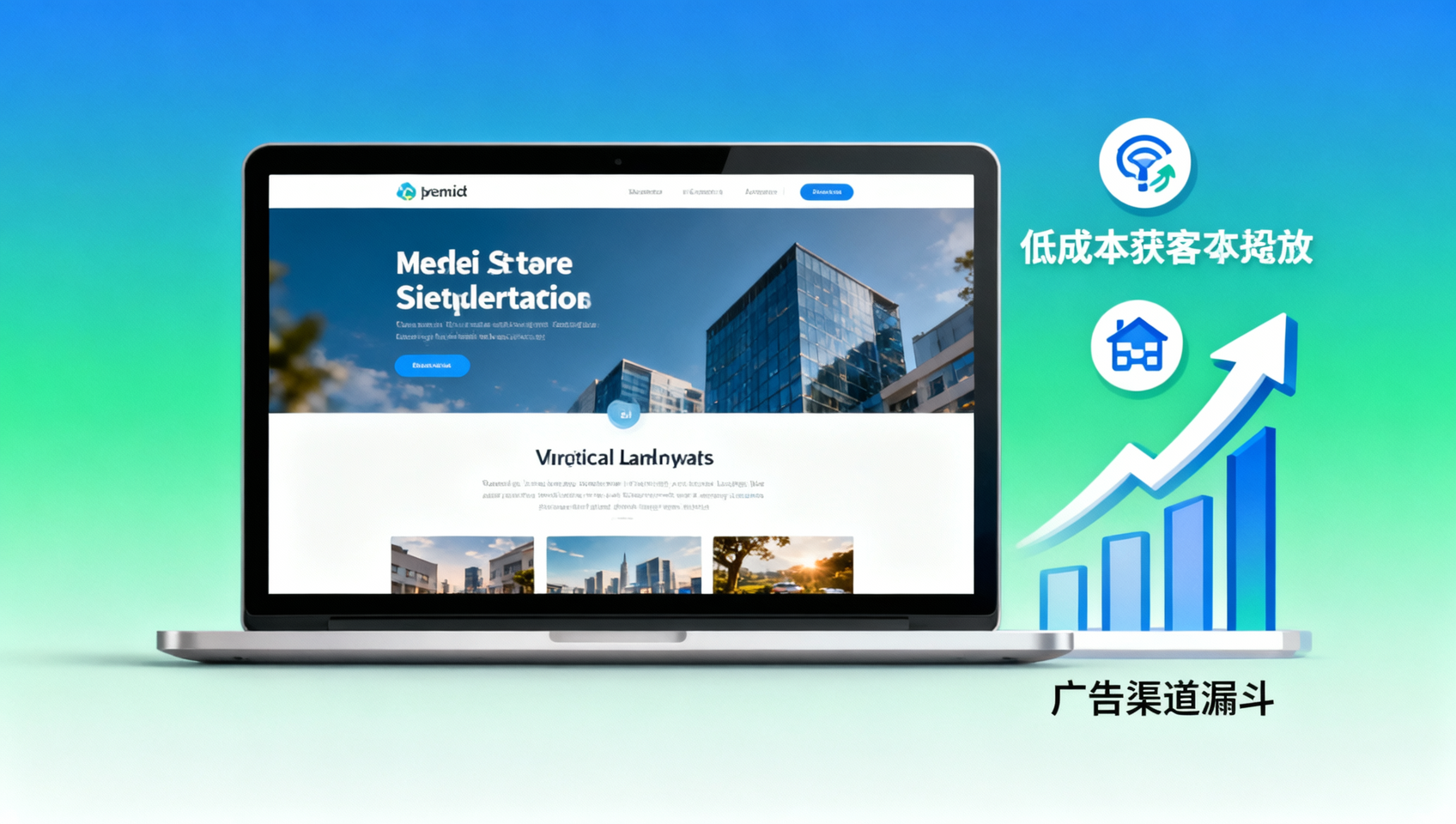
 Comparison of Foreign Trade Independent Website Advertising Channels: Analysis of 3 Low-Cost Customer Acquisition ModelsForeign Trade Independent Website Vietnam Market, Foreign Trade Independent Website Latin America Market Advertising Cost Comparison: Analysis of Search Engine Precision Targeting, Social Media Traffic, and Hybrid Channel Models, Including Multilingual Website Localization and Eyingbao Conversion Rate Optimization Solutions, Suitable for Portuguese Independent Website Construction Companies and Arabic Website Development for Foreign Trade Enterprises' Local Payment, Logistics, and Content Optimization, Supporting Multilingual Website Cloud/Heyuan/Jieyang/Taiyuan Deployment, Book a Free Diagnosis Now, Quickly Validate Budget and ROI.
 Multilingual Website Cloud Hosting Provider Comparison: 7 Technical and Operational Cost Evaluation MetricsMultilingual website cloud hosting provider comparison, covering Vietnam market for independent foreign trade sites, Latin America market and ad placements, evaluating technology and operational costs, including case studies for multilingual website development in Heyuan/Jieyang/Taiyuan and Eyingbao ad conversion rate improvement solutions, assisting Portuguese independent site construction companies and Arabic website development for foreign trade enterprises in rapid decision-making and cost reduction with efficiency enhancement, immediately obtain selection reports and pilot solutions.
 Comparison of Multilingual Website Construction Services in Taiyuan: Price, Delivery, and Localization CapabilitiesTaiyuan Multilingual Website Construction, covering the Vietnamese market for foreign trade independent sites and the Latin American market for foreign trade independent sites, providing multilingual website cloud floating services with AI localization and foreign trade independent site advertising strategies supported by merchants. Eyingbao's advertising conversion rate improvement solution helps Portuguese independent site construction companies and Arabic website development foreign trade enterprises quickly acquire customers, with free diagnosis and quotation available immediately.
 Comparison of Heyuan Multilingual Website Construction and Traditional Website Construction: SEO Performance and Maintenance Cost EvaluationHeyuan Multilingual Website Construction, directly addressing the pain points of foreign trade independent websites in the Vietnam market and the Latin America market: achieving localized SEO and low-cost maintenance through multi-node CDN, hreflang, and AI translation; combined with Eyingbao's ad conversion rate improvement solution, quickly increasing organic traffic and ad ROI, click to get a free diagnosis and customized landing solution.
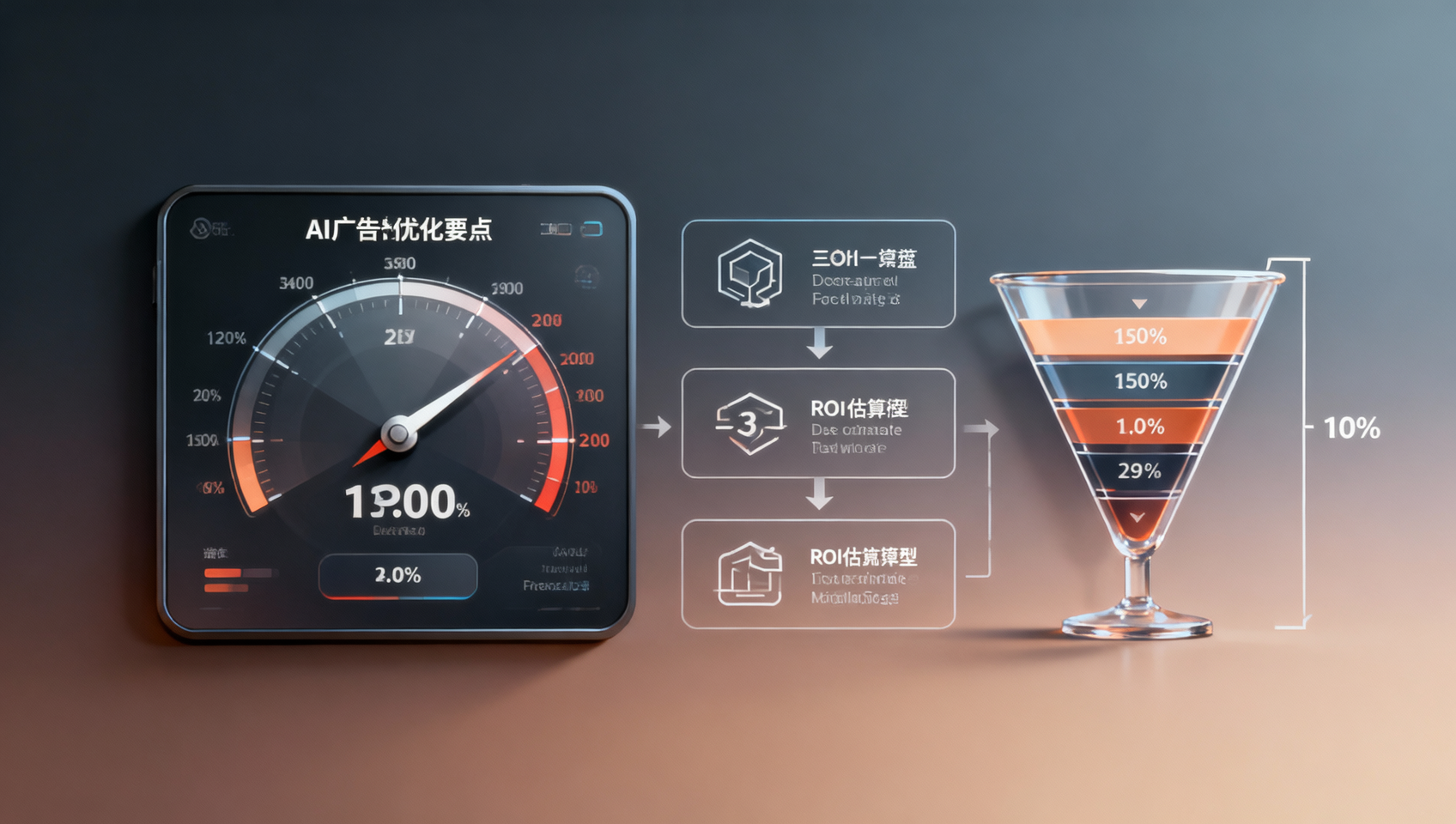
 Practical Guide: How to Calculate Budget for Foreign Trade Independent Website Advertising? 3-Step ROI Estimation Model and Sample TableHow to Measure Advertising Budget for Foreign Trade Independent Websites Targeting Vietnam and Latin America Markets? Practical Guide Teaches You 3-Step ROI Estimation Model + Vietnam/Latin America Samples, Including Eyingbao Conversion Rate Improvement Solutions and Multilingual Website Cloud Floating, Landing Page Optimization to Help Control CAC and Quickly Improve Efficiency, Free Trial Calculation and Consultation Available.