









Comparison Between Responsive Self-Service Website Systems and AI Multilingual Website Systems: A Selection Guide for SMEs

Guide: Rapid Selection and Target Positioning
This comparison between responsive self-service website systems and AI multilingual website systems aims to help SMEs quickly choose between global SEO website systems and multilingual foreign trade website systems. The content targets users, operators, decision-makers, project managers, and distributors, focusing on key pain points: launch speed, international language coverage, SEO performance, operational costs, and local compliance. We will provide actionable recommendations from five dimensions—definition, market background, comparative analysis, technical performance, and procurement guidance—to facilitate high-return decisions under limited budgets and team capabilities. The analysis naturally highlights the advantages of responsive self-service systems in rapid deployment and low-maintenance barriers, as well as the differentiation of AI multilingual systems in global traffic acquisition and cross-border conversion, helping you find solutions that meet both technical requirements and business goals.
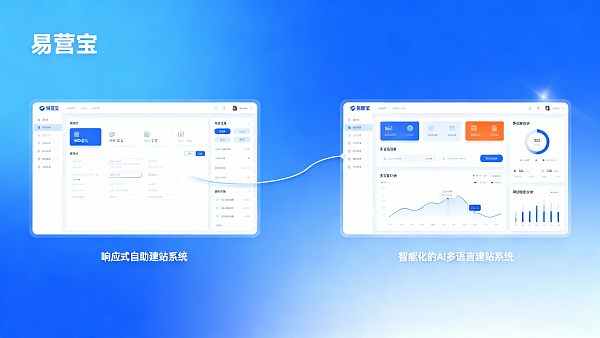
Definition & Market Overview
Responsive self-service website systems focus on templates and visual editing, emphasizing front-end adaptability and quick deployment, suitable for SMEs seeking low-cost, short-cycle launches. AI multilingual website systems leverage AI translation, multilingual SEO, and content generation, targeting cross-border trade and global brand expansion. Current research on China's smart website market shows rapidly growing demand for global SaaS platforms and enterprise-grade multilingual CMS, particularly in cross-border scenarios requiring multilingual solutions, region-specific builds, and global SEO systems. For distributors and agents, selection should balance IDC SaaS platform user satisfaction and scalability. For B2B clients sensitive to behavioral data, prioritize page loading, form stability, and local trust mechanisms.
Comparison Analysis
The table above shows that responsive systems require minimal resources for single or few landing pages, while AI multilingual systems excel in long-term ROI for boosting cross-border inquiries, multilingual keyword targeting, and reducing bounce rates. Project leaders should evaluate traffic channels, target countries, and compliance before deciding between responsive systems for short-term needs or AI multilingual platforms for long-term investment.
Technical Performance & Product Integration
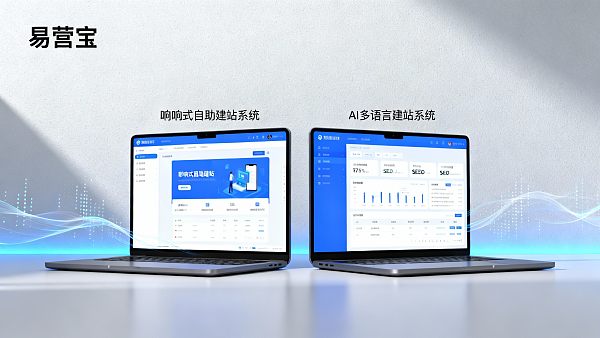
Technically, global website performance hinges on first-screen latency, static resource hit rates, dynamic origin stability, and edge security. For cross-border sites, adopt global CDN, intelligent scheduling, and dynamic origin optimization to reduce handshake costs and timeout risks. For example, edge caching with smart scheduling improves loading and reduces bounce rates. Consider dedicated acceleration services like our showcased Global CDN for B2B Foreign Trade Websites, which excels in static acceleration, dynamic optimization, and node health detection—delivering faster, more reliable experiences to enhance overseas inquiry conversion and brand trust.
Procurement Guide, Case Studies & CTA
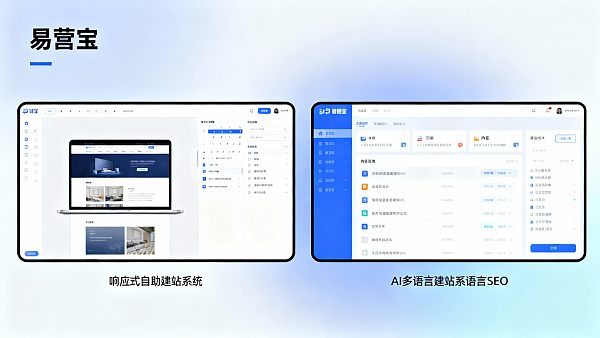
Procurement should align with "target-budget-operations": define target countries/keywords, set budget limits, and assess team capabilities. Selection criteria include multilingual SEO/TDK automation, global CDN/health detection, ad platform integration with AI diagnostics, and security (SSL/DDoS protection). EasyInfo Tech (Beijing), founded in 2013, drives AI-powered all-in-one marketing platforms. Covering smart websites, SEO, and ads, it serves 100K+ enterprises, ranked among "China's Top 100 SaaS Firms" in 2023 with 30% YoY growth. Case studies demonstrate how AI keyword expansion + auto-TDK + AI visuals reduce manual input while boosting conversions. Why choose us? We combine innovation with localized support to hand you the "build-acquire-convert" loop. Contact us for 1-on-1 diagnostics, feasibility assessments, or rapid deployment in target markets.
- Foreign Trade Website Development
- Yiyingbao
- SEO
- SEO Optimization
- Smart Website Building
- AI Translation
- Multilingual SEO
- Global CDN Acceleration
- B2B Foreign Trade Website Development
- Multilingual Foreign Trade Website System
- Global Website Building SaaS Platform
- Cross-border E-commerce Website
- Responsive self-service website system
- AI multilingual website system
- Global SEO Website System
- Geo-targeted Website Solution
- Enterprise-Grade Multilingual CMS
- Foreign Trade Website System
- Multilingual Website System
- 中国智能建站市场研究
- IDC SaaS Platform User Satisfaction
- Multilingual Website Building
Related Articles
 How can website data analysis improve conversion rates? First identify high-bounce pages and key loss points
 How much does it cost to build a foreign trade multilingual website?Analysis of the modules and hidden costs that affect quotations
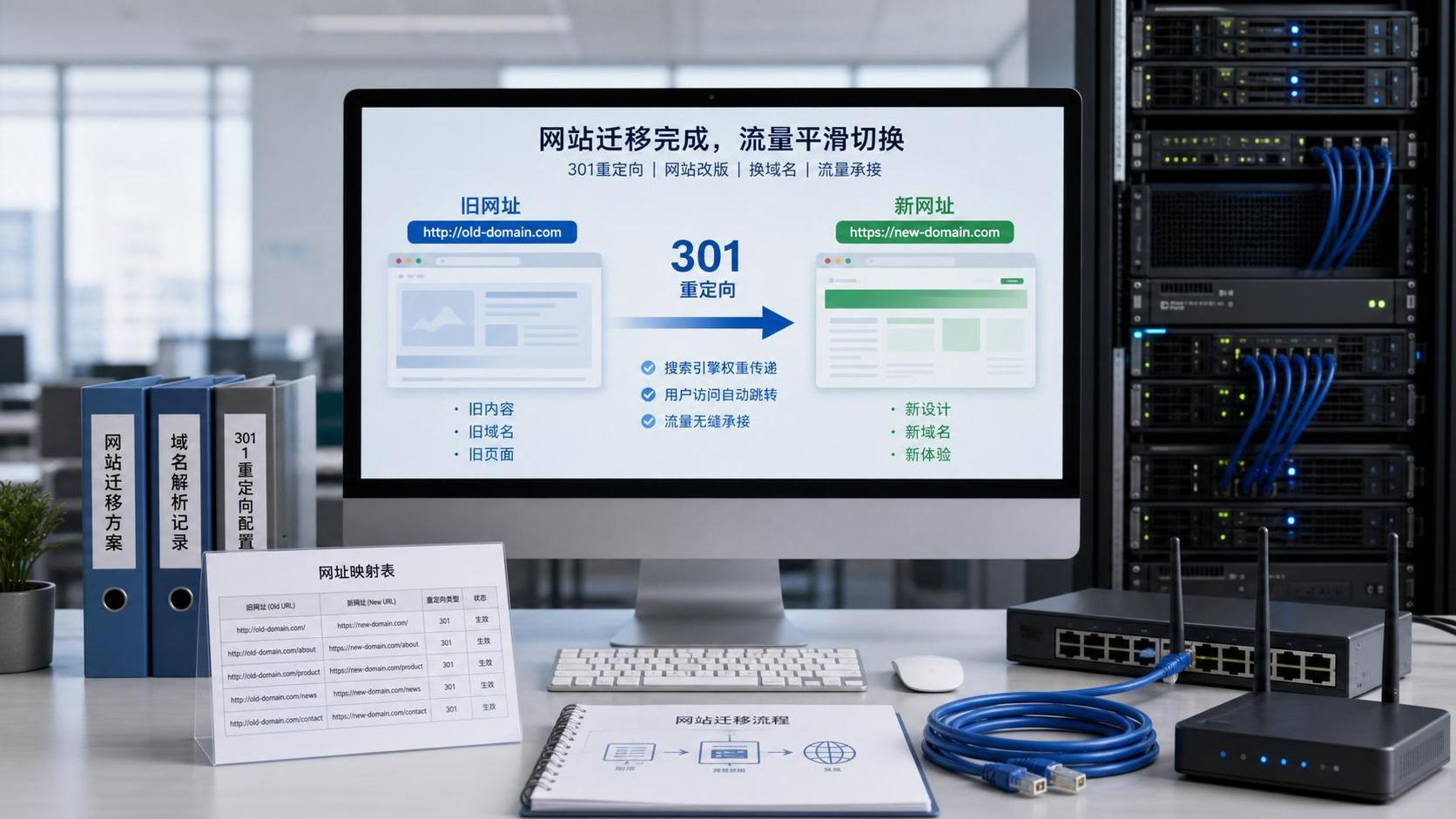
 Detailed explanation of 301 redirect setup methods:which pages must be redirected during a website redesign or domain change


Related Products
