









- What Does a Global Traffic Ecosystem Service Provider Do? What Are the Differences from a Single Advertising AgencyJul 16, 2026View details
- What should you focus on in the latest enterprise SaaS report? From renewal rates and delivery costs to overseas growth opportunitiesJul 12, 2026View details
- What signals are worth paying attention to in a cross-border marketing trend report? B2B companies should look at these 6 signalsJul 11, 2026View details
- How to Read a Cross-Border Marketing Trends Report? Five Key Dimensions for Evaluating Channel OpportunitiesJul 11, 2026View details
- Which channel has the highest ROI in the global traffic ecosystem? Comparative analysis of search, social media, and advertisingJul 10, 2026View details
- What multilingual website services are available in Sanya? Which model is more suitable for local businesses going global?Jul 08, 2026View details
How to achieve responsive website SEO optimization with the help of YiYingBao AI intelligent website building system? 7-step operation process
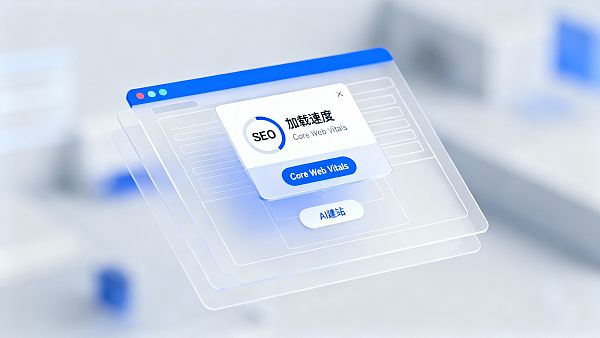
Leverage Eyingbao AI-powered website building system to optimize responsive website SEO in seven practical steps, enhancing site loading speed and conversion rates.
Why Use Eyingbao for Responsive Website SEO Optimization?
In the context of general internet services and B2B scenarios, corporate websites are no longer just digital business cards but critical touchpoints for acquiring traffic, building trust, and converting customers. Responsive website SEO optimization requires fast loading speeds on both mobile and desktop, semantic structuring, and multilingual coverage. Eyingbao's AI-powered website building system, driven by AI and supported by global CDN, significantly improves site loading speed, automatically generates high-quality TDK and content, helping businesses reduce labor costs while enhancing user satisfaction on IDC SaaS platforms. For researchers and operators, the system provides not only a visual interface but also built-in SEO detection and optimization recommendations for easy execution and review.

Seven-Step Implementation Guide: From Basics to Advanced Execution
This section details how to perform responsive website SEO optimization within Eyingbao's AI-powered website building system. Each step integrates built-in features (e.g., AI keyword expansion, automated TDK generation, smart detection) with technical implementation points, enabling researchers and operators to replicate the process.
Step 1: Site Planning and Keyword Strategy. Use the system's AI keyword expansion tool to create semantically relevant keyword clusters, covering short-tail and long-tail terms while incorporating industry and regional terms (e.g., "China service provider for foreign trade independent sites"). Map the keyword list to site sections, product pages, and blog articles, ensuring each page focuses on 1-3 core terms for semantic coherence.
Step 2: Responsive Templates and Structured Markup. Select performance-optimized responsive templates from the system and enable structured data (Product, Organization, Breadcrumb, etc.) to improve search engine comprehension. Eyingbao's auto-generated Schema tags reduce manual coding errors and boost indexing rates.
Step 3: TDK and Content Generation. Enable automated TDK generation and review titles/descriptions, combining AI-generated images and rich media to enhance page experience. The system supports Eyingbao Website Builder workflows, generating high-quality content drafts daily to improve consistency between external review pages (e.g., Trustpilot) and on-site content.
Step 4: Performance Optimization and Image/Resource Management. Leverage global CDN, automated image compression, and lazy loading to reduce time-to-first-byte and improve loading speed. The system integrates with AWS and Alibaba Cloud acceleration nodes, allowing performance diagnostics and recommendations via the control panel to achieve industry-best Core Web Vitals.
Step 5: Multilingual and Localization. Enable multilingual support with AI translation engines, optimizing language versions and hreflang tags for target markets to avoid duplicate content penalties. Ideal for China-based foreign trade service providers expanding overseas.
Step 6: Crawling and Indexing Diagnostics. Use built-in crawler simulators and sitemap generators to submit to Google Search Console and Yandex/Webmaster, fixing crawl blocks and 404 errors while monitoring index coverage and key page ranking fluctuations.
Step 7: Continuous Optimization and A/B Testing. Combine AI advertising insights with social media automation metrics to conduct landing page A/B tests, optimizing CTAs, forms, and conversion paths for a "build-acquire-convert"闭环. Periodic reviews improve IDC SaaS platform user satisfaction while ensuring ongoing ROI from marketing investments.
Technical and Performance Optimization Highlights (For Users/Operators)
In responsive site optimization, technical details directly impact search performance and user experience. Below are actionable checklists and metrics for Ops teams and content editors to execute quickly within Eyingbao's platform.
- Servers and CDN: Enable nearest-node distribution, monitor TTFB and packet loss. Eyingbao's global node collaboration improves page load speeds by ~40%.
- Images and Multimedia: Use WebP format, auto-generate responsive image sets, enable lazy loading and priority loading for critical resources.
- Frontend Optimization: Remove render-blocking third-party scripts, merge and defer non-critical CSS/JS, apply asynchronous loading strategies.
- Structured Markup and Accessibility: Ensure clear navigation semantics, complete ARIA attributes, and high readability for breadcrumbs/sitemaps to aid search engine crawling and user conversions.
- Monitoring and Alerts: Configure page-level SLA thresholds, leveraging Eyingbao's smart site diagnostics for real-time SEO gap analysis and optimization task generation.
Additionally, linking monitoring results with business metrics (e.g., conversion rates, CAC, ad ROI) helps evaluate the real impact of site improvements at the operational level. Combined with the system's AI ad diagnostics and creative factory model, rapid iteration on creatives and keywords further amplifies optimization outcomes.
Multilingual and Middle East Localization Practices (Including Arabic Solutions)

For Middle East market expansion strategies, Arabic localization and right-to-left (RTL) layouts are priorities. Eyingbao supports standalone Chinese/English/multilingual site builds with integrated AI translation and flexible domain configurations for rapid localized deployments that maintain loading speeds and UX compliance.
For Middle East scenarios, follow these localization steps: 1) Enable RTL templates and test all interactive components; 2) Combine localized copy with AI validation for natural, culturally aligned phrasing; 3) Configure local payment, logistics, and social accounts (e.g., regional platforms), using Google Ads Arabic keyword strategies for high-intent traffic. Eyingbao offers specialized solutions like Arabic Industry Website Development and Marketing Solutions, covering Arabic site construction, AI localization, SSL certificate selection, and Middle East social media consulting—ideal for businesses targeting the region.
This approach enables China-based foreign trade service providers to achieve rapid Middle East market entry while leveraging the system's AI marketing engine for localized ad creatives and keyword optimization—delivering cost-efficient growth.
Monitoring, Iteration, and Trust Signals: From Data to Business Growth
Optimization is continuous. Establish a monitoring matrix covering traffic, technical metrics, and conversions: Core Web Vitals at page level, keyword rankings/traffic sources, and social/ad conversion funnels. Eyingbao seamlessly integrates Google Analytics, Search Console, and ad account data with AI diagnostic tools for rapid issue identification and optimization.
For trust-building, showcase third-party reviews (e.g., Trustpilot ratings) and case studies alongside the platform's security features (auto-SSL, DDoS protection) to demonstrate service stability. Data-driven reporting not only improves IDC SaaS user satisfaction but also delivers actionable growth insights for sales and operations.
Conclusion and Call-to-Action
Responsive website SEO optimization requires both technical execution (e.g., page acceleration, structured data) and content/localization strategies (e.g., AI drafts, multilingual support). Eyingbao's AI-powered system combines keyword expansion, automated TDK generation, global acceleration, and social automation to create a "build-acquire-convert"闭环—helping businesses improve loading speeds, boost conversions, and achieve measurable growth. Whether evaluating Eyingbao Website Builder's usability or its SaaS integration capabilities, the system delivers tangible results within short cycles.
Contact us to explore corporate website development and responsive SEO optimization solutions, or apply for a trial to experience real-world performance. For service inquiries, reach out to Eyingbao's sales team to begin your global growth journey.
- Website Development
- Corporate website
- SSL Certificate
- Website detection
- Multilingual Independent Website
- Independent website building
- AI Smart Website Building
- Google Ads
- Keyword Optimization
- Website loading speed
- Corporate Website Development
- Yiyingbao
- SEO
- Independent Website
- Smart website builder system
- SEO Optimization
- Smart Website Building
- AI Translation
- AI Marketing Engine
- Social Media Automation
- AI Translation Engine
- Website SEO Optimization
- Independent foreign trade website
- EasyStore AI Intelligent Website System
- Responsive website
- Responsive Website SEO Optimization
- Eyingbao
- Eyingbao Website Builder
- EasyBusiness SaaS Platform
- IDC SaaS Platform User Satisfaction
- Trustpilot 易营宝
- China Service Providers
Related Articles

Related Products
 EasyCamp SaaS Smart Website Marketing SystemE-Yingbao SaaS Smart Website Marketing System: AI-powered, zero-code website building. Rapidly launch multilingual independent e-commerce sites in just 10 minutes. Global server acceleration and AI-driven SEO optimization empower businesses to efficiently connect with global markets. The seamless integration of technology and user-friendly operation makes building e-commerce sites incredibly simple.
 AI+SEM Intelligent Advertising Marketing SystemAI+SEM drives intelligent ad creation, empowering full-funnel precision advertising marketing. The system automatically generates weekly/monthly reports, AI recommends keywords and target countries, monitors core metrics in real-time with intelligent alerts, and enables one-click high-conversion ad solutions to help quickly acquire customers and improve ROI.
 AI+SEO Dual Engine Optimization ServiceEasyWin AI+SEO Dual Engine Optimization System leverages AI-powered keyword mining, content generation, and comprehensive technical optimization to help foreign trade enterprises acquire high-quality organic traffic, significantly improving search rankings and conversion rates.
 AI+SNS Social Media Marketing SystemYingbao AI+SNS Social Media Marketing System - Precision social capture for the social media era. Supports one-click content synchronization across major platforms like Facebook and LinkedIn. AI intelligently rewrites posts for enhanced relevance. 24/7 AI customer service and user profiling analysis empower businesses to efficiently expand into global markets.
 AI+SEO营销解决方案易营宝AI+SEO营销解决方案,通过AI批量写作、智能生成TDK、精准关键词扩词等功能,全面优化网站SEO效果,提升流量与转化率。助力企业构建高效智能网站新生态。
 AI+SEM Advertising Marketing SolutionsAI+SEM Advertising Marketing Solution leverages AI technology to deeply empower SEM ad campaigns. It automatically generates weekly/monthly reports using AI, presenting account data across multiple dimensions for comprehensive insights into campaign performance and trends. The system precisely recommends keywords and target countries, intelligently generates high-conversion ad copy, and enables one-click activation of efficient campaign plans to help businesses rapidly acquire customers. Simultaneously, it monitors core metrics in real time, intelligently identifies abnormal fluctuations, and issues timely alerts to ensure stable, high-return advertising results.
 Domain Name ServicesEasyWin provides professional domain name services, including intelligent queries, one-stop registration, brand protection, and full lifecycle management, helping businesses build a digital brand image.
 EasyOperate B2C Cross-Border E-Commerce Platform & Independent WebsiteEasyStore B2C Cross-border E-commerce Independent Store is an intelligent website building and cross-border e-commerce integrated solution independently developed by EasyStore Information Technology (Beijing) Co., Ltd. The system is specially designed for small and medium-sized as well as large export enterprises, integrating 'website building, operation, marketing, advertising, and conversion' into one, helping enterprises quickly establish cross-border e-commerce independent stores to achieve brand globalization and global sales growth.
The platform supports multiple languages, multiple currencies, and multi-channel marketing, with built-in AI intelligent translation and SEO optimization systems, suitable for mainstream markets such as Southeast Asia, Europe and America, Latin America, and the Middle East, assisting Chinese manufacturing enterprises in efficiently deploying international e-commerce strategies. SSL证书易营宝提供专业SSL安全证书服务,包括单域名和泛域名证书,确保网站数据传输加密、身份验证和完整性保护,助力企业建立安全可信的在线业务环境。









