









- The China-US tariff arrangement has reached a preliminary consensus, and the trade association will be establishedJun 15, 2026View details
- What determines B2C cross-border e-commerce website development costs? A breakdown of features, interfaces, and deployment methodsJun 17, 2026View details
- China-Morocco zero-tariff access, a breakthrough in the cost of Moroccan goods exports to ChinaJun 11, 2026View details
- What signal should be released for the suspension of exports to JapanJun 10, 2026View details
- China's May LNG imports rebounded, with increased volumes from Russia and Canada filling the Middle East supply gapJun 10, 2026View details
- Will GEO change its SEO strategy?Jun 04, 2026View details
Website Development Cost Comparison: In-house vs. Outsourcing - Which is More Suitable for Project Procurement?
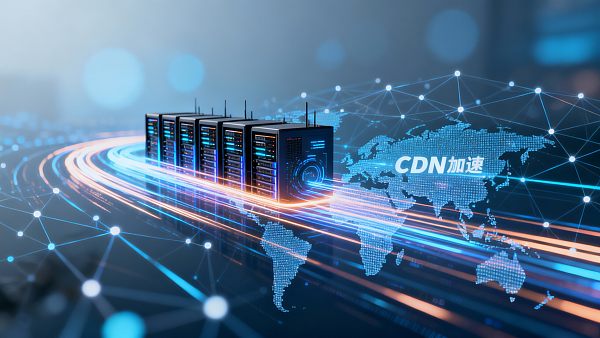
How to Optimize Corporate Website Development Costs? In-House vs Outsourcing: Which to Choose? Combining Multilingual Website Platforms with Global CDN Acceleration, Everbright Helps B2B Export Websites Reduce Costs and Increase Efficiency.
In the wave of digital transformation, corporate websites have become a core battleground for brand globalization, customer conversion, and business growth. Especially for B2B enterprises engaged in international trade, an efficient, stable, and globally accessible independent website is the first 'digital business card' to open overseas markets. However, when building a corporate website, decision-makers often face a critical dilemma: assemble an in-house tech team for development or outsource the project to professional service providers? This choice not only impacts initial investments but also directly affects website performance, maintenance costs, and long-term operational efficiency. Particularly when constructing multilingual websites, implementing responsive SEO optimization, and deploying global CDN acceleration, the cost and efficiency differences between the two models become increasingly evident. This article will conduct an in-depth comparison of in-house development versus outsourcing from multiple dimensions including development cycles, technical barriers, operational complexity, and scalability, while incorporating Everbright's practical experience as a China-based service provider for foreign trade independent websites, offering scientific decision-making references for corporate procurement and project managers.
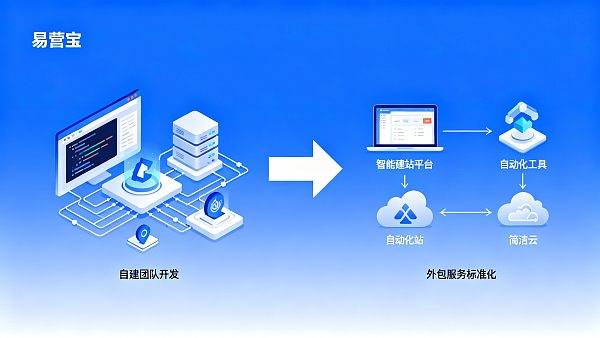
In-House Website Development: The Hidden Costs Behind High Control That Cannot Be Ignored
Many enterprises lean toward in-house website development due to considerations around data security or customized functionalities. Theoretically, the in-house model grants companies greater autonomy, allowing development to align perfectly with internal workflows and technical architectures. However, in practice, this approach often comes with substantial hidden costs. Firstly, assembling a complete team covering front-end development, back-end architecture, UI design, SEO optimization, and server maintenance requires enormous human resource investments. For example, in tier-1 cities, the average annual salary for a mid-level full-stack engineer exceeds ¥250,000, and when adding project management and testing personnel, annual HR costs can easily surpass ¥1 million. Secondly, in-house systems require independent procurement of server resources, SSL certificate configuration, DDoS protection deployment, and addressing latency issues across different regions—posing significant challenges for companies lacking global IT experience. Even after launch, continuous investments are needed for security updates, content maintenance, and search engine optimization, which are prone to disruption due to staff turnover. More critically, traditional in-house solutions struggle to respond quickly to market changes—such as adding Spanish versions or integrating Yandex advertising channels—often requiring weeks or months of development cycles, missing business opportunities. In contrast, adopting mature services like Everbright's global server deployment enables new sites to go live within 2 hours, supports one-click multilingual environment switching, and automatically adapts to local access needs, dramatically shortening time-to-market.
Outsourced Website Development: Efficiency Gains and Cost Compression from Professional Services
Outsourcing corporate website projects to professional service providers is increasingly becoming the preferred strategy for enterprises. Particularly for providers like Everbright—with a decade of digital marketing expertise and AI-driven capabilities—they offer end-to-end solutions spanning smart website building, multilingual design, and global traffic ecosystem integration. Through standardized workflows and automation tools, the outsourcing model significantly lowers technical barriers and time costs. For instance, in responsive website SEO optimization, Everbright's AI engine automatically generates TDK tags, optimizes page structures, and diagnoses SEO shortcomings in real-time, tripling Google crawler capture frequency and accelerating core keyword ranking by 50%. As a Google Premier Partner and Yandex core collaborator, it ensures compliance and ad efficiency across platforms for foreign trade independent sites. More importantly, outsourced services typically adopt SaaS subscriptions, eliminating large upfront investments while offering financial-grade PCI-DSS encryption, daily automated backups, and intelligent load balancing. Data shows that using Everbright's global server deployment reduces server maintenance labor costs by 90% and overall website costs by 60% compared to in-house development, truly achieving cost reduction and efficiency gains.
Performance & Conversion: How Global CDN Acceleration Impacts Business Outcomes
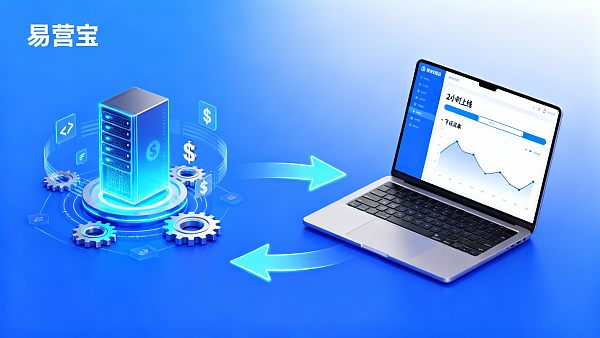
Regardless of the development approach, the ultimate benchmark remains actual website performance—loading speed, user retention, and conversion rates. Research shows that every 100ms improvement in page load time increases order conversion by 1.2%; in Brazil, one client saw PDF catalog download speeds drop from 8 seconds to 1.2 seconds, triggering a 220% inquiry surge. This is powered by global CDN acceleration capabilities. Leveraging servers across seven continents, enterprise-grade LiteSpeed web servers, and HTTP/3 protocols, Everbright achieves global average Time to First Byte (TTFB) ≤300ms, DDoS attack resilience up to 1.2Tbps, and 99.99% SLA uptime. This ensures stable operation even during peak traffic from Russian users or sudden Middle Eastern demand spikes. Additionally, edge computing acceleration and smart routing cut South American CPC costs by 40% and deliver 1:7.3 ROAS in the Middle East, directly boosting ad ROI. These metrics demonstrate that superior infrastructure is not just technical assurance but a competitive advantage.
Conclusion & Call to Action: Let Professionals Handle Professional Matters
While in-house development appears to offer control, its high composite costs and operational pressures make it ill-suited for rapidly changing international markets. Choosing a China-based service provider like Everbright for foreign trade independent websites leverages its AI-driven smart building system, global server deployment, and full-funnel marketing capabilities to achieve efficient deployment, precise lead generation, and sustainable growth. Particularly for procurement officers, project managers, and corporate decision-makers, outsourcing non-core IT functions not only frees internal resources to focus on core competencies but also elevates overall digitalization through external expertise. Today, over 100,000 enterprises have expanded globally via Everbright's platform, with organic traffic growing 300% YoY in 2023, making it an industry-recognized innovation engine. If you're evaluating corporate website solutions, explore our offerings now to embark on an efficient global journey.
For more information on multilingual website platforms and global traffic ecosystem integration, contact us immediately to receive exclusive consultation and free performance diagnostic reports.
- Website Development
- Corporate website
- SSL Certificate
- Website Design
- Search Engine Optimization
- Multilingual Website Design
- Yandex Promotion
- Multilingual website development
- Corporate Website Development
- Corporate Website Development
- Yiyingbao
- SEO
- Independent Website
- Smart website builder system
- SEO Optimization
- Smart Website Building
- Website SEO Optimization
- Independent foreign trade website
- Global CDN Acceleration
- Multilingual website
- Responsive website
- B2B Foreign Trade Website Development
- Responsive Website SEO Optimization
- Global multilingual website provider
- Global Traffic Ecosystem
- Multilingual Website Construction Platform
- China Service Providers
Related Articles
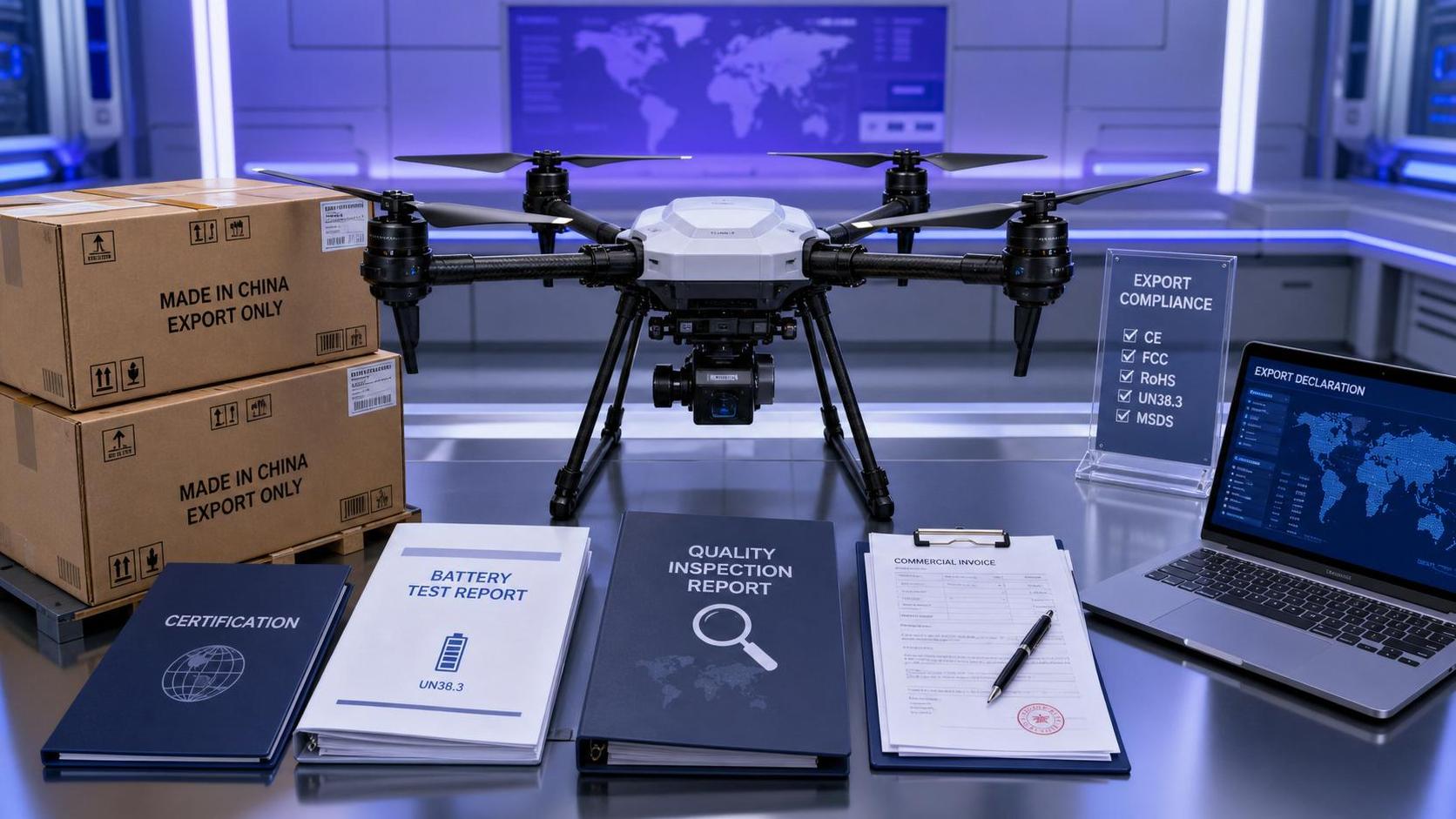
 Drone export declaration tightening: 5 new required items effective June 30
 What Should You Pay Attention to in SaaS Website Security? A Complete Guide to Permissions, Backups, WAF, and Plugin Risks
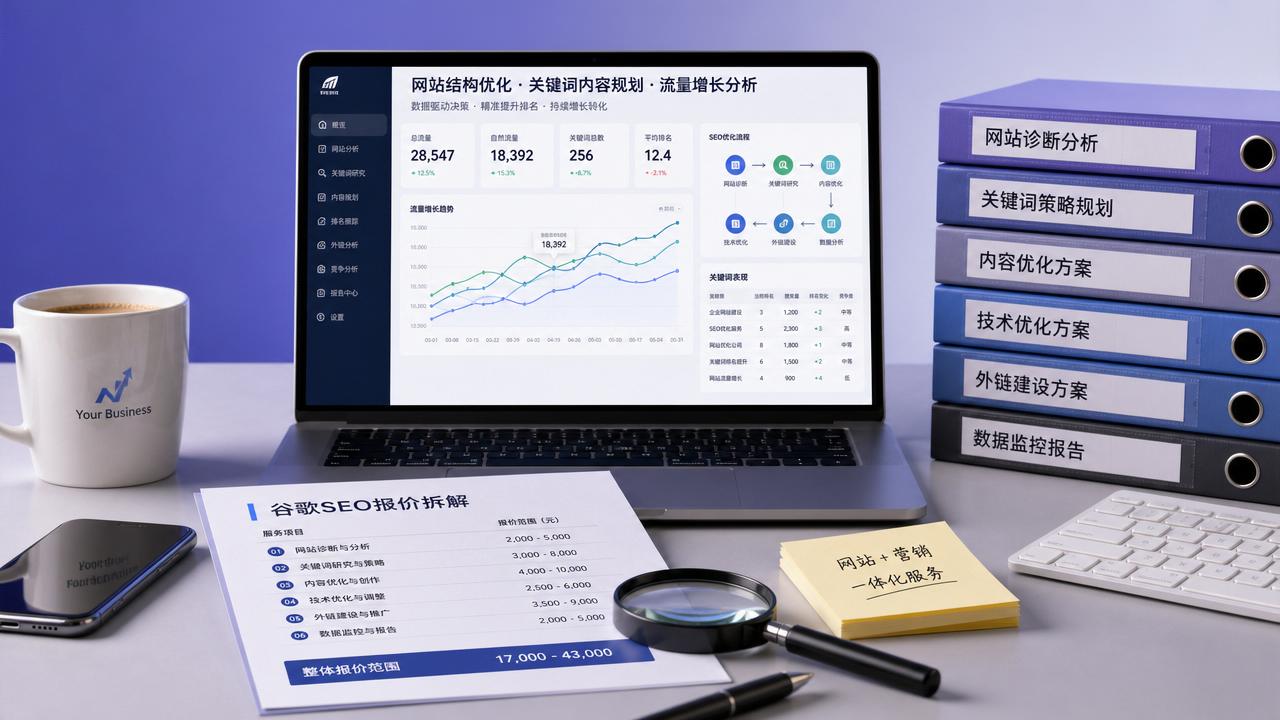
 Why is there such a big difference in Google SEO optimization quotes? Service content and cost breakdown

Related Products
 EasyCamp SaaS Smart Website Marketing SystemE-Yingbao SaaS Smart Website Marketing System: AI-powered, zero-code website building. Rapidly launch multilingual independent e-commerce sites in just 10 minutes. Global server acceleration and AI-driven SEO optimization empower businesses to efficiently connect with global markets. The seamless integration of technology and user-friendly operation makes building e-commerce sites incredibly simple.
 AI+SEM Intelligent Advertising Marketing SystemAI+SEM drives intelligent ad creation, empowering full-funnel precision advertising marketing. The system automatically generates weekly/monthly reports, AI recommends keywords and target countries, monitors core metrics in real-time with intelligent alerts, and enables one-click high-conversion ad solutions to help quickly acquire customers and improve ROI.
 AI+SEO Dual Engine Optimization ServiceEasyWin AI+SEO Dual Engine Optimization System leverages AI-powered keyword mining, content generation, and comprehensive technical optimization to help foreign trade enterprises acquire high-quality organic traffic, significantly improving search rankings and conversion rates.
 AI+SNS Social Media Marketing SystemYingbao AI+SNS Social Media Marketing System - Precision social capture for the social media era. Supports one-click content synchronization across major platforms like Facebook and LinkedIn. AI intelligently rewrites posts for enhanced relevance. 24/7 AI customer service and user profiling analysis empower businesses to efficiently expand into global markets.
 AI+SEO营销解决方案易营宝AI+SEO营销解决方案,通过AI批量写作、智能生成TDK、精准关键词扩词等功能,全面优化网站SEO效果,提升流量与转化率。助力企业构建高效智能网站新生态。
 AI+SEM Advertising Marketing SolutionsAI+SEM Advertising Marketing Solution leverages AI technology to deeply empower SEM ad campaigns. It automatically generates weekly/monthly reports using AI, presenting account data across multiple dimensions for comprehensive insights into campaign performance and trends. The system precisely recommends keywords and target countries, intelligently generates high-conversion ad copy, and enables one-click activation of efficient campaign plans to help businesses rapidly acquire customers. Simultaneously, it monitors core metrics in real time, intelligently identifies abnormal fluctuations, and issues timely alerts to ensure stable, high-return advertising results.
 Domain Name ServicesEasyWin provides professional domain name services, including intelligent queries, one-stop registration, brand protection, and full lifecycle management, helping businesses build a digital brand image.
 EasyOperate B2C Cross-Border E-Commerce Platform & Independent WebsiteEasyStore B2C Cross-border E-commerce Independent Store is an intelligent website building and cross-border e-commerce integrated solution independently developed by EasyStore Information Technology (Beijing) Co., Ltd. The system is specially designed for small and medium-sized as well as large export enterprises, integrating 'website building, operation, marketing, advertising, and conversion' into one, helping enterprises quickly establish cross-border e-commerce independent stores to achieve brand globalization and global sales growth.
The platform supports multiple languages, multiple currencies, and multi-channel marketing, with built-in AI intelligent translation and SEO optimization systems, suitable for mainstream markets such as Southeast Asia, Europe and America, Latin America, and the Middle East, assisting Chinese manufacturing enterprises in efficiently deploying international e-commerce strategies. SSL证书易营宝提供专业SSL安全证书服务,包括单域名和泛域名证书,确保网站数据传输加密、身份验证和完整性保护,助力企业建立安全可信的在线业务环境。









