I. The authoritative definition, core strategy, and development history of global multilingual website providers
1. Authoritative definition and professional elements of a global multilingual website provider
A **Global Multilingual Website Provider** is a professional service provider offering **comprehensive, highly complex multilingual solutions**. Their services go far beyond simple translation and page duplication, encompassing **international SEO architecture design, multilingual content marketing, global performance hosting, and data compliance**. Key professional elements include: **an automated Hreflang generation and management system, a target market localization content creation team, global CDN network support, and multilingual UX/UI differentiation design**.
2. Three irreplaceable strategic values provided by top-tier suppliers
Empowering businesses to achieve seamless global expansion:
- **Completely Eliminate Hreflang Errors and SEO Penalties:** Hreflang deployment is extremely complex, and errors can lead to a dilution of website authority. Professional vendors provide **automated, monitorable Hreflang solutions**, ensuring search engines push the correct language version to the appropriate users.
- **Achieve precise localization of content in the target market:** A true multilingual website offers **"marketing translation"**, not just literal translation. Suppliers have **native-speaker SEO experts** in the target market to ensure content aligns with local cultural habits, search intent, and popular expressions, significantly improving conversion rates.
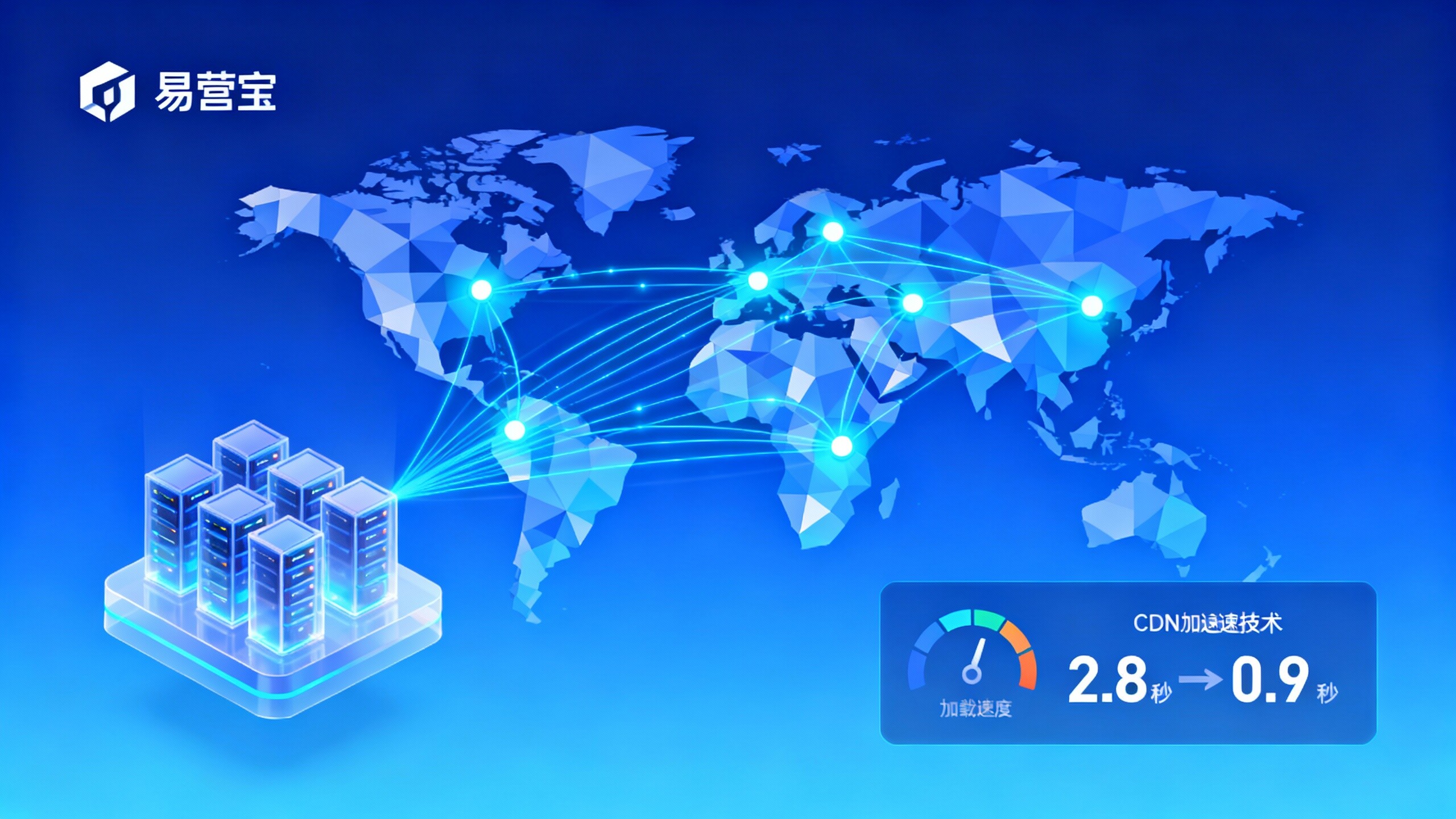
- **Ensuring High-Performance Global Access and User Experience:** Website speed directly impacts rankings and conversions. Our provider ensures millisecond-level response times in any region of the world through **global multi-node CDN, intelligent DNS resolution, and Core Web Vitals (CWV) optimization**.
3. The Development History and Evolution of Multilingual Website Technology
Early stage (2000s): Primarily focused on browser translation plugins and simple static pages, with virtually no SEO. Mid-stage (2010s): Emerged as simple multilingual website building using subdomains or subdirectories, with manual deployment of Hreflang, but this resulted in high error rates. Modern stage (2020s to present): Evolved into a comprehensive solution encompassing intelligent content management, Hreflang automation, AI-assisted localization, and high-performance global hosting. The core of vendor competition lies in the compliance of the technical architecture, the quality of localized content, and conversion efficiency.
II. Five Core Technical Principles of Global Multilingual Websites: Hreflang, Localization, and Global Performance

The underlying technical logic for achieving precise SEO coverage across multiple regions:
1. Professional Deployment Principles of Hreflang Website Cluster Architecture
Principle: Utilizing the **Hreflang tag** precisely informs Google of the **language and region** of a page, preventing different language versions from being considered duplicate content. Practice: Vendors should provide **Hreflang deployment at the XML Sitemap or HTTP Header level**, and support the **x-default tag** to handle traffic that doesn't match the language. Incorrect Hreflang deployment is the biggest pitfall for multilingual SEO.
2. The principle of matching localized content with keyword intent
Principle: When users in different countries search for the same product, their **search intent and keywords may be completely different**. Practice: Suppliers should conduct **target market keyword intent research**, with content created by **native-speaker marketing experts** to ensure the copy is both culturally relevant and maximizes search traffic capture.
3. Global CDN/CWV Performance and Multi-Regional Hosting Principles
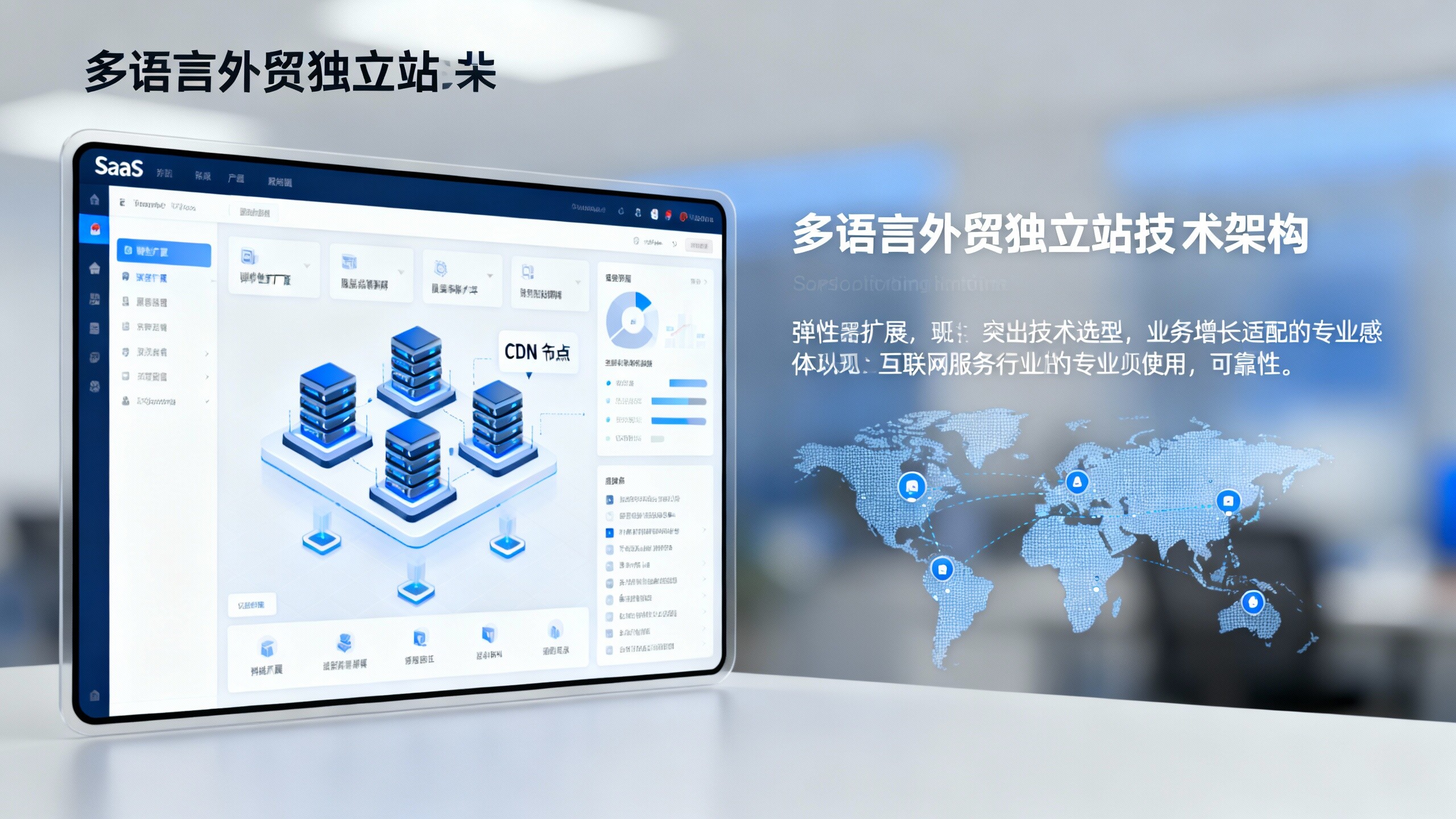
Principle: Websites must provide the fastest content loading speed **based on visitor location**. Practice: Employ a **smart routing CDN** to direct users to the nearest server edge node based on their IP address. Simultaneously, **CWV (especially LCP and INP) optimization is performed on all language versions of the website.**
4. Content Management and Synchronization Principles of Multilingual CMS
Principle: To solve the problem of **multi-language version synchronization and version control** during content updates. Implementation: The vendor should use a **headless CMS or professional multi-language plugin that supports multi-language content**. The system must support **one-click content copying, batch modification of meta tags, and translation status tracking**.
5. The principle of differentiated design for multilingual CRO conversion paths
Principle: Users from different cultural backgrounds have different preferences for **trust signals and CTAs (calls to action)**. Practice: Websites should adjust inquiry form length, trust badge types (e.g., highlighting TUV certification for Germany, and BBB certification for the US) and payment method integration based on the target market to achieve localized optimization of the conversion path.
III. Four Core Technological Features and Applications of Global Multilingual Websites
1. Technical Features: SEO-friendly URL structure and multilingual sitemap
Features: Supports **customized URL structures** (such as /fr/product-a and /de/produkt-a), rather than simple parameters. Applications: The vendor provides **automatically generated and updated multilingual XML Sitemaps**, ensuring search engines can **efficiently crawl and understand** page hierarchies in all languages.
2. Application Practice: Specific UX/UI Design for the Asian Market (Japan and South Korea)
Application: In response to the Asian market's (such as Japan and South Korea) preference for **high information density and strong visual impact**, multilingual websites need to provide **differentiated layouts and navigation structures** in their design to cater to local user habits, rather than simply copying the designs of European and American versions.
3. Application Practice: Integration of Multilingual Comments and UGC (User-Generated Content)
Application: Integration with a **multilingual review system** allows customers to write reviews in their native language, which are then clearly displayed on the corresponding language version of the page. This leverages the power of **localized social proof**, significantly enhancing brand trust in the market.
4. Application Practice: International Data Compliance and Multilingual Disclosure of Privacy Policies
Application: Websites must provide compliant cookie pop-ups and a clear privacy policy in **all language versions**. The supplier is responsible for ensuring the **professional translation and local legal applicability of these policy texts** to comply with regulations in different regions, such as GDPR and CCPA.
IV. Comparative Analysis and Industry Scenarios of Global Multilingual Website Providers vs. Traditional Translation Tools
1. Comparative Analysis of Professional Multilingual Providers vs. Traditional Translation Tools
2. Typical industry scenarios for multilingual website providers
Professional multilingual website services are the cornerstone for companies seeking deep internationalization:
- **Large-scale multinational manufacturing/high-tech export:** Requires showcasing different product models or industry solutions in different countries.
- **Global DTC Brands/E-commerce:** Require B2C sales in multiple language markets simultaneously, with highly localized payment/logistics needs.
- **International Services/Consulting:** Website content must be written in the client's native language to demonstrate the highest level of professionalism and trustworthiness.
3. Standard Certification and Professional Standards for Multilingual Website Providers
Criteria for evaluating high-quality global multilingual website providers:
- **International SEO Expert Certification:** Team members must possess advanced certifications in Google Analytics and Google Search Console, and have a large number of successful Hreflang case studies.
- **Translation/Localization Industry Certifications:** Experience with CAT Tools and certifications related to translation quality management systems, such as ISO 17100.
- **Technical Compatibility Commitment:** We promise that our multilingual website code is compatible with the crawling requirements of all major search engines and provide multi-region CWV performance reports.
V. Book now to upgrade your website into a 100% localized, high-conversion global digital portal!
Are you still struggling with Hreflang errors and inefficient machine translation? In the global competitive landscape, **language is the cornerstone of trust**! Choose a professional **global multilingual website provider** to offer **automated Hreflang deployment, native-language marketing content creation, and global performance guarantees**. Sign up today for a **free "Multilingual Website International Competitiveness Diagnosis"** and get a localization strategy plan tailored to your target market!
Click to get a free localization strategy solutionFAQ
1. What are the serious SEO consequences of incorrect Hreflang tag deployment?
Answer: Hreflang errors are the most common SEO problem for multilingual websites. They can cause Google to treat different language versions as duplicate content, leading to a dilution of SEO authority, a drop in rankings, and may even cause Google to stop showing your content to users in the target language.
2. What is "marketing translation," and how does it differ from regular translation?
Answer: **Marketing translation (Transcreation)** is more than just language conversion; it's about **reshaping your marketing message and brand identity within the target culture**. It emphasizes **keyword intent matching, cultural sensitivity, and the convertibility of the copy**, whereas traditional translation only strives for literal accuracy.
3. How to ensure performance and speed on high-traffic, multilingual websites?
Answer: The key is **global CDN and CWV optimization**. Professional providers employ a **multi-cloud CDN strategy**, combined with **WebP image format optimization, code minimization, and geo-based intelligent DNS resolution**, ensuring optimal LCP and INP performance regardless of where the user accesses the service from.
4. What is the biggest challenge for multilingual websites in terms of conversion rate optimization (CRO)?
Answer: The biggest challenge is the **differences in trust signals and user habits**. For example, German users have high requirements for privacy and compliance and prefer bank transfers; American users are accustomed to credit cards and PayPal. A professional CRO needs to **customize different inquiry/checkout processes and trust badges for each market's culture and payment habits**.
Customer Reviews
Mr. Li, Head of European Operations, Multinational Equipment Manufacturing Group
"Our previous multilingual website's Hreflang errors caused persistently low traffic in Europe. After choosing this **global multilingual website provider**, their professional **Hreflang automation deployment and German-localized content reshaping** helped our **Google search traffic in the German market triple within 6 months**, with significant improvement in inquiry quality."
General Manager Chen, Global DTC Fashion Brand Marketing Director
"As a DTC brand, speed and localization are crucial. The supplier's **Headless multilingual CMS** not only ensured **extremely fast global website access speeds**, but also provided **native-language marketing translation services**. Our **B2C conversion rates for Japanese and French sites increased by 25%**, truly achieving culturally barrier-free content."
 Top 5 Chinese B2B Website Builders for Foreign Trade with High ROI in 2024Yingbao, the preferred multilingual website building platform for foreign trade B2B, supports global CDN acceleration and Yandex promotion, helping businesses create responsive SEO-optimized official websites and efficiently reach global traffic ecosystems.
 Foreign Trade Standalone Website Construction Pitfall Guide: 5 Key Points for Market Researchers to ReadHow to Avoid Pitfalls in Foreign Trade Standalone Website Construction? EasyE-Commerce, as a global multilingual website supplier, reveals 5 key points for market researchers to read: from technology selection, localization adaptation to SEO strategies, marketing integration and continuous maintenance, systematically avoiding common pitfalls. Assisting enterprises in Dongguan, Foshan, Zhongshan, Chaozhou, Qingyuan, Shantou, Zhaoqing and other regions to efficiently build high-converting multilingual foreign trade standalone websites. AI-driven + local services, making brand出海 more stable, get exclusive solutions now!
 Website Development Cost Comparison: In-house vs. Outsourcing - Which is More Suitable for Project Procurement?Yingbao is the Preferred Platform for Multilingual Website Development, Supporting B2B Foreign Trade Websites, Global CDN Acceleration, and Yandex Promotion. It Helps Enterprises Reduce Costs Efficiently and Deploy Multilingual Websites with One Click to Seize the Global Traffic Ecosystem First.
 How to Configure Global CDN Acceleration for Foreign Trade Independent Websites? Updated Operation Guide for Technical StaffGlobal CDN Acceleration Configuration Guide for Foreign Trade Independent Websites, covering multilingual website construction platforms and global traffic ecosystems, enhancing responsive website SEO optimization effects, helping enterprises achieve efficient and stable official website construction.
 From Website Building to Yandex Promotion: A Complete Online Growth Path for Foreign Trade EnterprisesMultilingual Website Construction Platform Assists B2B Foreign Trade Websites, Combining Responsive SEO Optimization with Global CDN Acceleration, Enabling Yandex Promotion and Global Traffic Ecosystem Access for Efficient Customer Acquisition Growth.
 Is the SEO optimization effect of responsive websites poor? It may be due to these 3 technical parameters not meeting the standards.Is the SEO optimization effect of responsive websites poor? First choice: a foreign trade independent website China service provider supporting multilingual website construction platforms with global CDN acceleration, achieving Yandex promotion and global traffic ecosystem integration to enhance natural rankings and conversions.
 Why are more and more distributors choosing global multilingual website suppliers? Actual delivery cycle shortened by 40%Global multilingual website suppliers assist B2B foreign trade website construction, AI-driven multilingual website platform achieves responsive SEO optimization, delivery cycle shortened by 40%, accelerating enterprise website globalization deployment.
 Poor Yandex promotion results? Your foreign trade independent website may lack Russian SEO structureMultilingual website construction platform helps optimize Russian SEO structure for foreign trade independent websites, improving Yandex promotion conversion. Combined with global CDN acceleration and responsive website SEO optimization, it creates efficient enterprise official website solutions to achieve global traffic ecosystem coverage.