









- What stages does the cross-border services ecosystem include? How do website building, promotion, payment, and compliance work togetherJun 22, 2026View details
- How will email marketing costs change in 2026Jun 22, 2026View details
- The China-US tariff arrangement has reached a preliminary consensus, and the trade association will be establishedJun 15, 2026View details
- Should overseas brand marketing start with ads or contentJun 21, 2026View details
- What determines B2C cross-border e-commerce website development costs? A breakdown of features, interfaces, and deployment methodsJun 17, 2026View details
- China-Morocco zero-tariff access, a breakthrough in the cost of Moroccan goods exports to ChinaJun 11, 2026View details
How many languages does a multilingual website generally require? Language selection and cost assessment based on target markets
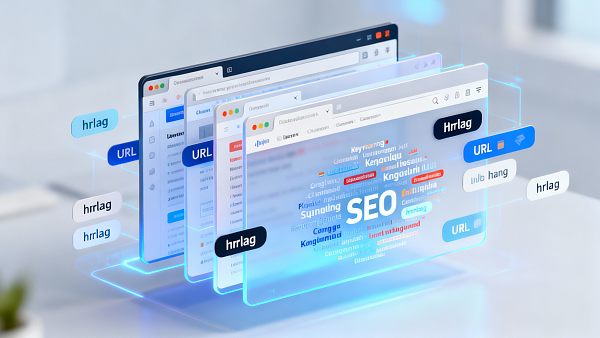
How many languages should a multilingual website typically support? This article provides practical selection recommendations based on target markets, costs, and SEO benefits. It targets users/operators, procurement personnel, corporate decision-makers, quality control and safety managers, project managers, after-sales support staff, distributors, and end consumers, focusing on the selection logic, cost structure, implementation steps, and operational key points of multilingual websites to help teams maximize overseas coverage and search visibility within limited budgets. The article also combines general internet service scenarios with actual corporate pain points, proposing actionable metrics and priority recommendations for rapid decision-making and project initiation.

Definition and Overview: Core Elements of Multilingual Websites
A multilingual website refers to a site system under the same domain or subdomain/subdirectory that provides localized content and navigation for different languages or regions. Compared to single-language websites, multilingual websites involve language detection, URL strategies (such as separate domains, subdomains, or directories), translation and localization workflows, hreflang tags, and site architecture design. Evaluations should distinguish between literal translation and cultural adaptation, clarifying the target audience and business objectives for each language to determine the priority of initial language launches. Common pitfalls include covering too many languages at once, leading to diluted content, and neglecting technical SEO aspects like language tags and sitemap strategies, which impact search indexing efficiency.
Industry Background and Market Analysis: How to Select Languages Based on Target Markets
The primary principle for language selection is to base decisions on actual traffic and conversion potential in target markets. The evaluation process should include: 1) market size and purchasing power; 2) keyword search volume and competition; 3) coverage by local competitors; and 4) logistics and payment availability. For B2B export companies, English and local languages (e.g., German, Spanish, or Portuguese) are often prioritized; for consumer goods exports, focus should be on major languages in Western Europe, North America, and Latin America. Since its founding in 2013, YY Technology (Beijing) has leveraged AI and big data-driven intelligent website building and global services to help over 100,000 enterprises establish highly visible standalone sites in multiple markets. The platform technology improves standalone site loading speeds by 40% and SEO scores by 35%, significantly reducing language selection and validation cycles.
Procurement and Selection Guide: Functional Requirements and Cost Drivers
During procurement, budget allocation should be driven by functional priorities. Key features include: multilingual CMS, automated/hybrid translation workflows, URL and hreflang management, language detection, image and multimedia localization, settlement and tax configurations, and compliance and data protection. Cost items include one-time development and template fees, translation and localization costs, server and CDN expenses, and ongoing content maintenance and ad investments. For common questions like "Is building a standalone export site expensive?" and "What features are needed for an export standalone site?", an MVP approach is recommended: launch core languages and pages first to validate search traffic and conversions, then expand gradually. For companies aiming to optimize content and TDK efficiency with AI, platform-based services like AI+SEO marketing solutions can reduce labor costs and accelerate keyword coverage.
Technical Performance and SEO Best Practices: How Multilingual Sites Enhance Overseas Traffic

Whether a multilingual website benefits SEO depends on implementation methods and content quality. Proper URL strategies, clear hreflang tags, language-specific sitemaps, server response and CDN coverage, page speed, and structured data are critical factors. Can AI help quickly build standalone sites? The answer is yes: combining AI keyword expansion, automated TDK generation, and batch content creation can quickly produce page drafts aligned with local search intent, but manual review and localization rewriting are essential to ensure semantic accuracy and cultural fit. For multilingual site content management, a versioned workflow is recommended: original text → machine translation → human polishing → SEO optimization → online monitoring, forming a closed loop. Monitoring dimensions include organic traffic, keyword rankings, bounce rates, and target conversion rates, using data to drive subsequent language expansion decisions.
Case Studies, Trends, and FAQs: Implementation Strategies and Future Outlook
Real-world cases show that launching three to five languages in phases is most efficient for mid-sized companies: Stage 1 covers English and one or two core market languages for validation; Stage 2 expands into high-potential long-tail markets combined with paid campaigns. FAQs include: Are standalone sites suitable for B2B exports? Yes, but deeper content and trust-building are crucial. How to build an export standalone site? Choose platforms supporting multilingual and SEO automation, combined with local operational teams. Trends include AI-driven multilingual content production, automated TDK generation, and multi-channel social media integration becoming standard. Why choose us? YY Technology adopts a "tech innovation + localized service" dual strategy, with proprietary AI algorithms and global CDN deployment, offering end-to-end solutions from smart site building to social media marketing and ad campaigns. For specific implementation details and quotes, contact us for customized solutions and demos, or visit product pages for more information.
- Social Media Marketing
- Foreign Trade Independent Website Development
- B2B Foreign Trade
- Standalone website development
- Yiyingbao
- SEO
- Independent Website
- SEO Optimization
- Smart Website Building
- Independent foreign trade website
- Multilingual website
- How many languages does a multilingual website generally require?
- How to build a foreign trade independent station?
- What features are needed for a foreign trade independent website?
- Is the cost of building an independent foreign trade website high?
- Is a standalone website suitable for B2B foreign trade?
Related Articles
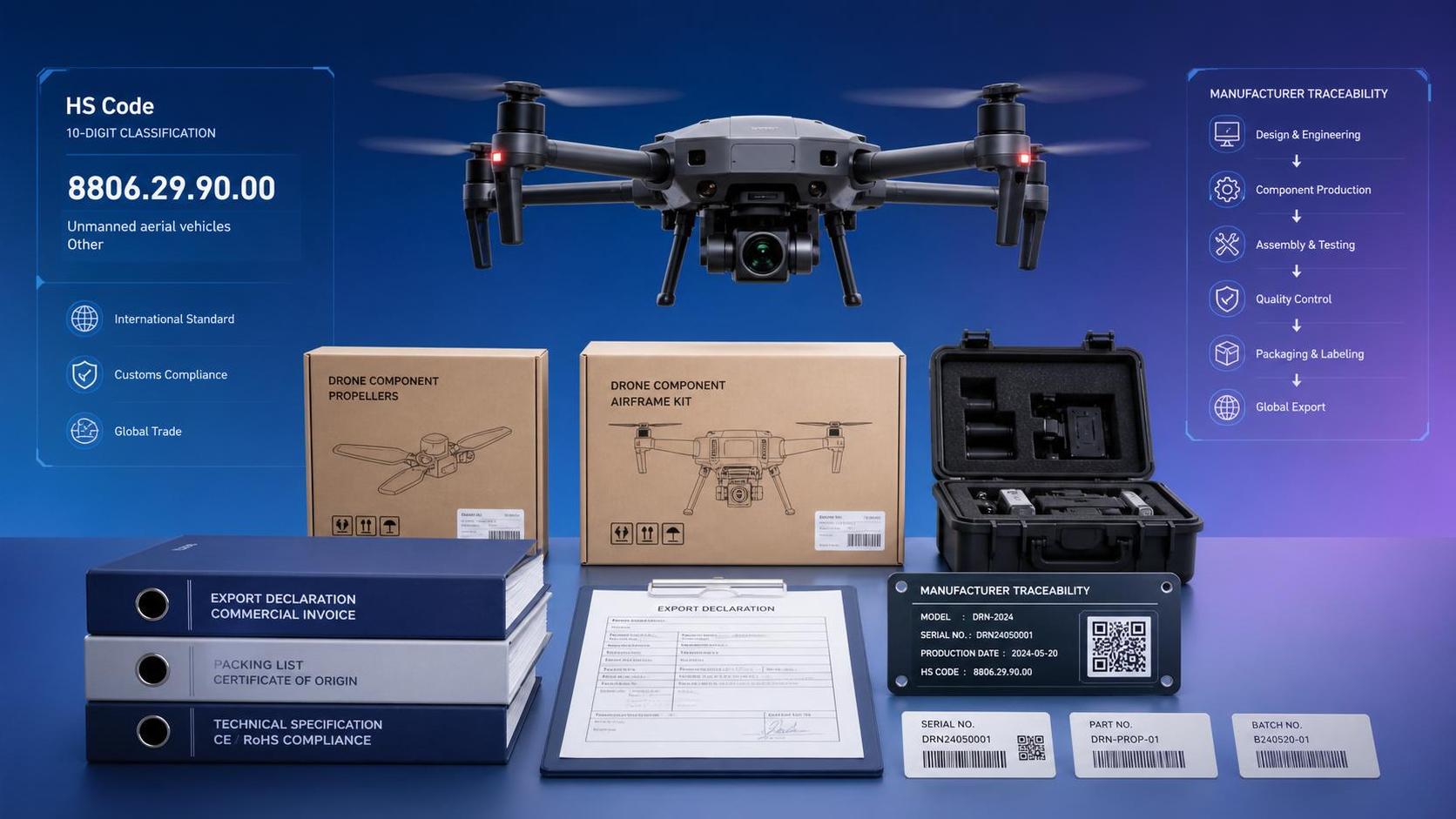
 Urgent customs declaration for drone exports starting June 30: 10-digit HS code and domestic manufacturer information required
 Drone export declaration tightening: 5 new required items effective June 30
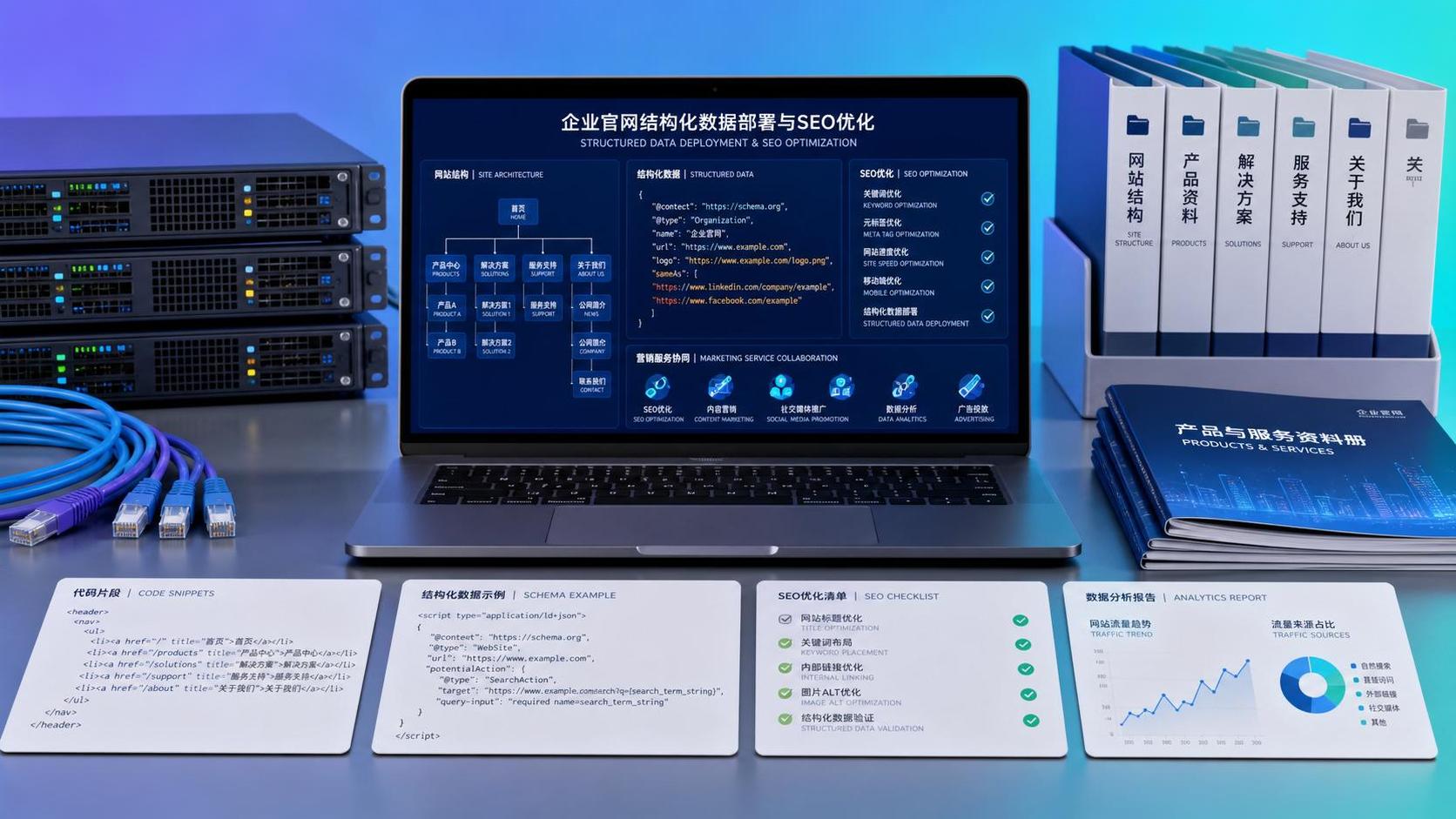
 What types of structured data are there? Which Schema markup should a corporate website prioritize?

Related Products
 EasyCamp SaaS Smart Website Marketing SystemE-Yingbao SaaS Smart Website Marketing System: AI-powered, zero-code website building. Rapidly launch multilingual independent e-commerce sites in just 10 minutes. Global server acceleration and AI-driven SEO optimization empower businesses to efficiently connect with global markets. The seamless integration of technology and user-friendly operation makes building e-commerce sites incredibly simple.
 AI+SEM Intelligent Advertising Marketing SystemAI+SEM drives intelligent ad creation, empowering full-funnel precision advertising marketing. The system automatically generates weekly/monthly reports, AI recommends keywords and target countries, monitors core metrics in real-time with intelligent alerts, and enables one-click high-conversion ad solutions to help quickly acquire customers and improve ROI.
 AI+SEO Dual Engine Optimization ServiceEasyWin AI+SEO Dual Engine Optimization System leverages AI-powered keyword mining, content generation, and comprehensive technical optimization to help foreign trade enterprises acquire high-quality organic traffic, significantly improving search rankings and conversion rates.
 AI+SNS Social Media Marketing SystemYingbao AI+SNS Social Media Marketing System - Precision social capture for the social media era. Supports one-click content synchronization across major platforms like Facebook and LinkedIn. AI intelligently rewrites posts for enhanced relevance. 24/7 AI customer service and user profiling analysis empower businesses to efficiently expand into global markets.
 AI+SEO营销解决方案易营宝AI+SEO营销解决方案,通过AI批量写作、智能生成TDK、精准关键词扩词等功能,全面优化网站SEO效果,提升流量与转化率。助力企业构建高效智能网站新生态。
 AI+SEM Advertising Marketing SolutionsAI+SEM Advertising Marketing Solution leverages AI technology to deeply empower SEM ad campaigns. It automatically generates weekly/monthly reports using AI, presenting account data across multiple dimensions for comprehensive insights into campaign performance and trends. The system precisely recommends keywords and target countries, intelligently generates high-conversion ad copy, and enables one-click activation of efficient campaign plans to help businesses rapidly acquire customers. Simultaneously, it monitors core metrics in real time, intelligently identifies abnormal fluctuations, and issues timely alerts to ensure stable, high-return advertising results.
 Domain Name ServicesEasyWin provides professional domain name services, including intelligent queries, one-stop registration, brand protection, and full lifecycle management, helping businesses build a digital brand image.
 EasyOperate B2C Cross-Border E-Commerce Platform & Independent WebsiteEasyStore B2C Cross-border E-commerce Independent Store is an intelligent website building and cross-border e-commerce integrated solution independently developed by EasyStore Information Technology (Beijing) Co., Ltd. The system is specially designed for small and medium-sized as well as large export enterprises, integrating 'website building, operation, marketing, advertising, and conversion' into one, helping enterprises quickly establish cross-border e-commerce independent stores to achieve brand globalization and global sales growth.
The platform supports multiple languages, multiple currencies, and multi-channel marketing, with built-in AI intelligent translation and SEO optimization systems, suitable for mainstream markets such as Southeast Asia, Europe and America, Latin America, and the Middle East, assisting Chinese manufacturing enterprises in efficiently deploying international e-commerce strategies. SSL证书易营宝提供专业SSL安全证书服务,包括单域名和泛域名证书,确保网站数据传输加密、身份验证和完整性保护,助力企业建立安全可信的在线业务环境。









