









- As more and more advertising platforms emerge, what are the core differences?May 24, 2026View details
- How much difference does it make to implement a brand visibility enhancement strategy early vs. lateMay 24, 2026View details
- Why Brand Awareness Enhancement Services Shouldn’t Focus Only on ExposureMay 24, 2026View details
- How to Determine Whether Global Digital Marketing Services in Shenzhen Are ReliableMay 24, 2026View details
- Why Social Media Marketing Strategies Are Paying More and More Attention to Content CadenceMay 24, 2026View details
- What follow-up gaps can marketing automation software solveMay 21, 2026View details
Eyingbao Responsive Enterprise Website System: Deployment Cost vs Maintenance Labor Comparison Report
Definition
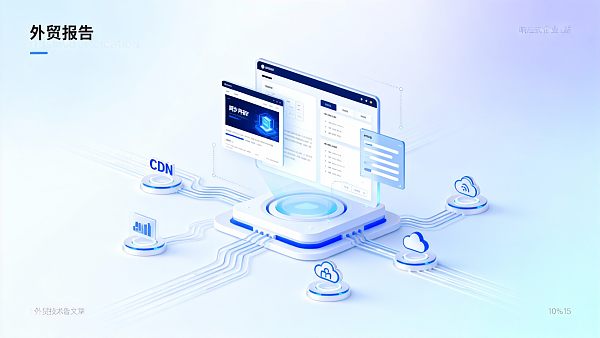
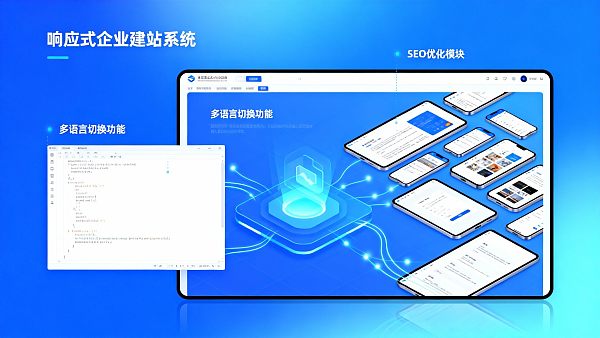
This report defines and analyzes the concepts of responsive enterprise website systems and multilingual foreign trade standalone sites. A responsive enterprise website system refers to website software and services that can adapt page layouts based on access terminals and support multilingual content management.
Multilingual website systems essentially combine content management, translation workflows, and regional adaptation to provide linguistically consistent and localized user experiences across different countries and regions.
Working Principles or Core Mechanisms
- Content abstraction and template separation: The system separates page structures from content, with content rendered through a unified interface for multilingual versions.
- Automated translation with human review: Machine translation provides drafts, followed by semantic verification and localization adaptation through manual or editorial workflows.
- CDN and edge caching: Global CDN and edge nodes cache static resources to reduce latency and improve loading speeds.
- SEO and structured data: The system generates multilingual metadata (TDK) and structured data for search engine indexing.
- Monitoring and automated optimization: Integrated performance and SEO detection tools enable data-driven adjustments to pages and content.
Key Features and Highlights
- Responsive layouts support multi-terminal access with consistent page presentation.
- Multilingual content synchronization reduces manual maintenance while ensuring version consistency.
- Integrated translation engines enable one-click generation of multilingual versions for pages and dynamic content.
- Built-in SEO modules automatically generate TDK and support structured markup.
- Global server nodes and CDN deployment improve page loading speeds and availability.
Application Scenarios
In cross-border e-commerce scenarios, multilingual website systems display localized product descriptions and handle multi-currency and logistics information.
B2B export enterprises use standalone sites as long-term display channels for company and product information, supporting international buyers' searches and evaluations through structured content.
In service export scenarios, companies publish localized service terms, measurement units, and contact methods through multilingual websites to meet compliance and user experience requirements.
For marketing and social media integration, website systems synchronize content with social platforms and support scheduled publishing with performance monitoring.
Comparison with Other Solutions
- Compared to pure template-based websites, responsive enterprise website systems offer more granular multilingual content management, suitable for long-term cross-border operations.
- Compared to fully manual translation workflows, machine translation with human collaboration provides significant advantages in efficiency and consistency.
- Compared to relying solely on third-party hosting services, self-built standalone sites offer greater data control and brand presentation operability.
- Compared to single-page marketing pages, multilingual standalone sites are more conducive to search engine indexing and long-term traffic accumulation.
Relationship with Our Products/Services
EasyStore's intelligent website construction platform integrates smart website building, AI translation, and marketing tools to provide technical and operational support for foreign trade standalone sites and responsive enterprise website systems.
The platform incorporates automated translation, dynamic content synchronization, and regional adaptation features for multilingual website systems, supporting B2B export marketing website construction and multilingual website publishing.
EasyStore Information Technology (Beijing) Co., Ltd. leverages AI and big data to provide integration capabilities with website tools, Yiyingbao, Eyingbao, and other systems, deploying globally across multiple nodes to enhance loading and access performance.
For translation capabilities, the platform optionally integrates EasyStore AI Translation Center for one-click generation and human-collaborative editing functions, supporting cross-border e-commerce, B2B export, and service export scenarios.

Frequently Asked Questions (FAQ)
Q: How do multilingual website systems typically ensure translation quality and consistency? A: They combine machine translation drafts with human collaborative review, supplemented by terminology databases and regional language rules.
Q: What are the maintenance time differences between responsive website systems and traditional template websites? A: Responsive systems reduce post-maintenance hours through template-content separation, dynamic synchronization, and automated detection.
Q: What compliance and performance factors should be considered for global deployment of foreign trade standalone sites? A: Focus on data privacy compliance (e.g., GDPR), localized content and payment regulations, and ensuring performance/availability through CDN and edge nodes.
Q: How to evaluate a website tool's SEO support capabilities? A: Assess whether it supports multilingual URL standardization, automatic TDK generation, structured data, and page loading performance detection with repair recommendations.
Conclusion
This report provides definitions, principles, highlights, and comparative information about responsive multilingual website systems and foreign trade standalone site solutions, assisting researchers and users in making rational decisions during solution selection and operational planning.
Evaluation should comprehensively consider translation efficiency, SEO support, deployment costs, and maintenance time to align with enterprises' international growth objectives.
- Website construction
- Multilingual standalone site
- Independent Foreign Trade Website Construction
- Global server nodes
- Independent website construction
- Campbell (name)
- SEO
- Independent site
- Smart Website Building
- AI Translation
- Foreign trade independent website
- Multilingual website
- Responsive Enterprise Website System
- B2B Foreign Trade Marketing Website Construction
- Foreign Trade Independent Website Construction Solution
- Eyingbao
- Multilingual Website System
- Responsive Website System
- Responsive Web Design
- Easy Insurance
- Smart Website Construction
- Website Builder
Related Articles


Related Products
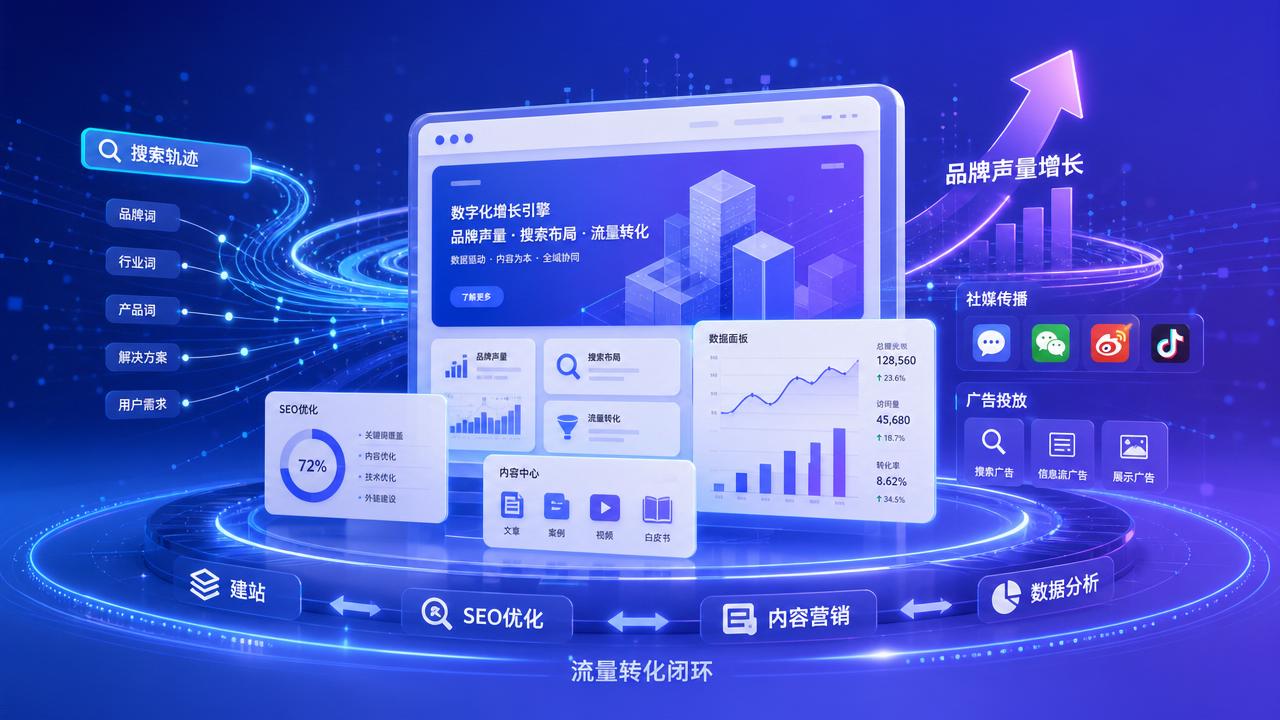
 EasyCamp SaaS Smart Website Marketing SystemE-Yingbao SaaS Smart Website Marketing System: AI-powered, zero-code website building. Rapidly launch multilingual independent e-commerce sites in just 10 minutes. Global server acceleration and AI-driven SEO optimization empower businesses to efficiently connect with global markets. The seamless integration of technology and user-friendly operation makes building e-commerce sites incredibly simple.
 AI+SEM Intelligent Advertising Marketing SystemAI+SEM drives intelligent ad creation, empowering full-funnel precision advertising marketing. The system automatically generates weekly/monthly reports, AI recommends keywords and target countries, monitors core metrics in real-time with intelligent alerts, and enables one-click high-conversion ad solutions to help quickly acquire customers and improve ROI.
 AI+SEO Dual Engine Optimization ServiceEasyWin AI+SEO Dual Engine Optimization System leverages AI-powered keyword mining, content generation, and comprehensive technical optimization to help foreign trade enterprises acquire high-quality organic traffic, significantly improving search rankings and conversion rates.
 AI+SNS Social Media Marketing SystemYingbao AI+SNS Social Media Marketing System - Precision social capture for the social media era. Supports one-click content synchronization across major platforms like Facebook and LinkedIn. AI intelligently rewrites posts for enhanced relevance. 24/7 AI customer service and user profiling analysis empower businesses to efficiently expand into global markets.
 AI+SEO营销解决方案易营宝AI+SEO营销解决方案,通过AI批量写作、智能生成TDK、精准关键词扩词等功能,全面优化网站SEO效果,提升流量与转化率。助力企业构建高效智能网站新生态。
 AI+SEM Advertising Marketing SolutionsAI+SEM Advertising Marketing Solution leverages AI technology to deeply empower SEM ad campaigns. It automatically generates weekly/monthly reports using AI, presenting account data across multiple dimensions for comprehensive insights into campaign performance and trends. The system precisely recommends keywords and target countries, intelligently generates high-conversion ad copy, and enables one-click activation of efficient campaign plans to help businesses rapidly acquire customers. Simultaneously, it monitors core metrics in real time, intelligently identifies abnormal fluctuations, and issues timely alerts to ensure stable, high-return advertising results.
 Domain Name ServicesEasyWin provides professional domain name services, including intelligent queries, one-stop registration, brand protection, and full lifecycle management, helping businesses build a digital brand image.
 EasyOperate B2C Cross-Border E-Commerce Platform & Independent WebsiteEasyStore B2C Cross-border E-commerce Independent Store is an intelligent website building and cross-border e-commerce integrated solution independently developed by EasyStore Information Technology (Beijing) Co., Ltd. The system is specially designed for small and medium-sized as well as large export enterprises, integrating 'website building, operation, marketing, advertising, and conversion' into one, helping enterprises quickly establish cross-border e-commerce independent stores to achieve brand globalization and global sales growth.
The platform supports multiple languages, multiple currencies, and multi-channel marketing, with built-in AI intelligent translation and SEO optimization systems, suitable for mainstream markets such as Southeast Asia, Europe and America, Latin America, and the Middle East, assisting Chinese manufacturing enterprises in efficiently deploying international e-commerce strategies. SSL证书易营宝提供专业SSL安全证书服务,包括单域名和泛域名证书,确保网站数据传输加密、身份验证和完整性保护,助力企业建立安全可信的在线业务环境。









