- Fujian Announces the First Batch of Provincial-Level Cross-Border E-Commerce Industrial Parks and Key Brands for CultivationNov 14, 2026View details
- Amazon Global Store Announces the Launch of the 2026 Black Friday Global Shopping SeasonNov 14, 2026View details
- CCTV.com Examines APEC’s Role in China’s Foreign TradeNov 12, 2026View details
- China’s Tariff Commission of the State Council Adjusts Additional Tariffs on U.S. Goods: 24% Tariff Suspended for Two MonthsNov 10, 2026View details
- APEC Shenzhen Spotlight: Cross-Border E-Commerce Orders Promote Asia-Pacific Trade and Economic CooperationNov 08, 2026View details
- China-Europe Railway Express and CIIE Hold Business Matchmaking Event, Focusing on Cross-Border E-commerce B2B ExportsNov 07, 2026View details
How to Use SEO Structured Data: Common Markup Types and Implementation Methods
The purpose of SEO structured data is to describe the entities on a webpage and the relationships between them in a machine-readable format—for example, whether a page is about an article, a product, or a breadcrumb trail. Search engines can use this information to help understand the content. Pages that meet specific requirements may also be eligible for rich results, but adding markup does not guarantee special presentation or directly guarantee improved rankings.
The most important consideration during implementation is not “how many fields can be marked up,” but what the page actually displays, what you want search engines to understand, and whether the target search engine supports the corresponding search presentation. In a Spanish-language context, datos estructurados SEO refers to this same approach to applying structured data.
First, distinguish markup types from eligibility for search features
Schema.org provides a vocabulary for describing webpage content, such as Article, Product, and Organization. JSON-LD and Microdata are formats for encoding that vocabulary. Google recommends JSON-LD because it can usually be placed separately in the page code, making it easier to maintain without having to rewrite individual content tags on the page.
The fact that a type exists in Schema.org does not mean Google will necessarily provide a rich result for it. Before implementation, consult both the Schema.org type definitions and the documentation for the corresponding feature in Google Search Central to confirm required properties, recommended properties, and content policies. Even if a testing tool reports that the markup is valid, the search engine ultimately decides whether to display it based on factors such as page quality and the query.
Where to use common markup types
Article: Article and news pages. It can identify information such as the headline, author, publication date, modification date, and images. The article page must display the corresponding content, and dates should match what is shown on the page and the actual modification history. Do not change only the date in the markup to make an old article appear fresh.
For example, if a page contains a feature titled Research on Measures to Improve the Execution Rate of Fiscal Budgets in Public Institutions, choose a type based on the content the page actually contains. If it is a complete article, Article may be appropriate; the link title alone is not enough to determine whether the destination page is suitable for a particular type of markup.
Product: Pages for specific products. This type is suitable for pages that display information about a clearly identified product and can describe details such as its name, image, and brand. If a genuine price is available, Offer can also describe the price, currency, and availability. An inquiry-based website with no publicly listed prices should not provide fictitious prices or turn “contact us for pricing” into a specific amount. Product search features have different property requirements; if information such as price is missing, do not assume the page is eligible for the corresponding rich results.
Organization: Business identity information. This type is suitable for the homepage or a representative page about the business. It can describe the business name, website, logo, and publicly available contact details. It helps search engines understand the organization behind a website, but does not mean the business information will necessarily appear in a knowledge panel. For multilingual websites, ensure the business name, website, and contact details are consistent.
BreadcrumbList: Breadcrumb navigation. This type expresses a page’s position in the website hierarchy, such as “Home—Product Category—Product Details.” The markup order should match the navigation visible to users, and each node’s link should point to the corresponding page. Do not create nonexistent hierarchy levels just to add keywords.
FAQPage: Question-and-answer content. Use this type only when the page actually contains the corresponding questions and answers. Google has strict limits on the availability of FAQ rich results, so even if an ordinary commercial website adds valid markup, it should not be treated as a reliable way to obtain expandable question-and-answer results. Check Google’s latest eligibility guidelines before implementation.
Implementing JSON-LD: mapping page content to code
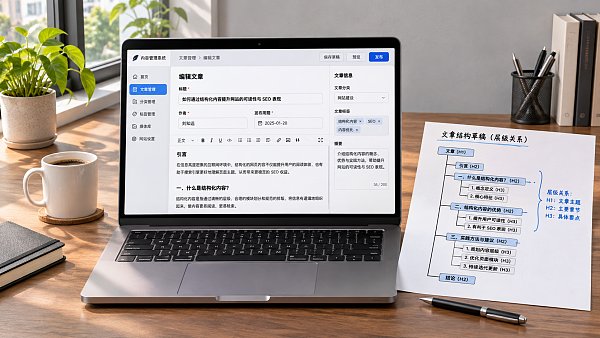
For an article page, first verify the headline, author, date, and image already displayed on the page, then map them to the corresponding properties. The example below is simplified; the URL, dates, and name are illustrative and must be replaced with real page information before publication:
<script type="application/ld+json">
{
  "@context": "https://schema.org",
  "@type": "Article",
  "headline": "Industrial Equipment Maintenance Guide",
  "author": {
    "@type": "Organization",
    "name": "Example Company"
  },
  "datePublished": "2025-01-10",
  "dateModified": "2025-02-15",
  "image": "https://example.com/images/guide.jpg"
}
</script>
This code can be placed in the page’s HTML head or body. When using a website-building system, first check whether it already has a structured data feature. If the system generates Article markup automatically, inserting another Article with conflicting content may make the page information difficult to interpret. Templates used in bulk should retrieve real fields from the content management system rather than assigning every article the same headline, author, or date.
JSON-LD allows multiple markup types to describe the same page. For example, Article can describe the article content, while BreadcrumbList describes the navigation. Each markup type should serve its own purpose. When the same entity appears more than once, properties such as its name and URL should be consistent. Do not put the prices of every product on the website into the homepage, or mislabel a category listing page as a single product detail page.
How to check and maintain markup after launch
When checking markup, first inspect the final page code and confirm that the markup loads with the page and that search engines can access the page and its related resources. For markup injected through JavaScript, also check that it is present after rendering and that its content is complete. A successful local preview does not mean the live version is working.
Then use Google’s Rich Results Test to check supported rich result types. You can also use the Schema Markup Validator to check the structure of Schema.org markup. The tools serve different purposes: the former focuses on search features supported by Google, while the latter checks vocabulary and structure and does not prove that a page meets Google’s display requirements. During testing, address errors and assess whether any missing recommended fields can be added based on the actual page content.
After publishing the page and allowing it to be crawled, use the URL Inspection tool in Google Search Console to check whether Google can access it. If reports for the relevant features are available, review the detected items and errors. The absence of a report or changes in search results does not necessarily mean the code is invalid: reports and display are both affected by supported types, crawl status, and the search engine’s assessment.
The key maintenance task is to keep the data in sync with changes to the page. When a product is discontinued, promptly update the page display and availability markup. When prices change, ensure the currency and amount match. For multilingual pages, use the name and content actually displayed in that language version, along with its corresponding URL. Removing reviews, offers, or questions and answers that are no longer on the page is more important than keeping syntactically correct markup that no longer reflects the content.
Related Articles
 How Long Does It Take to See an Increase in Inquiries from SEO for Your Website?
 How Should You Strategically Place Inquiry-Generating Keywords on Your Export Website to Attract Potential Customers?
 Does a Poor Mobile Experience Affect Google Rankings?



Related Products
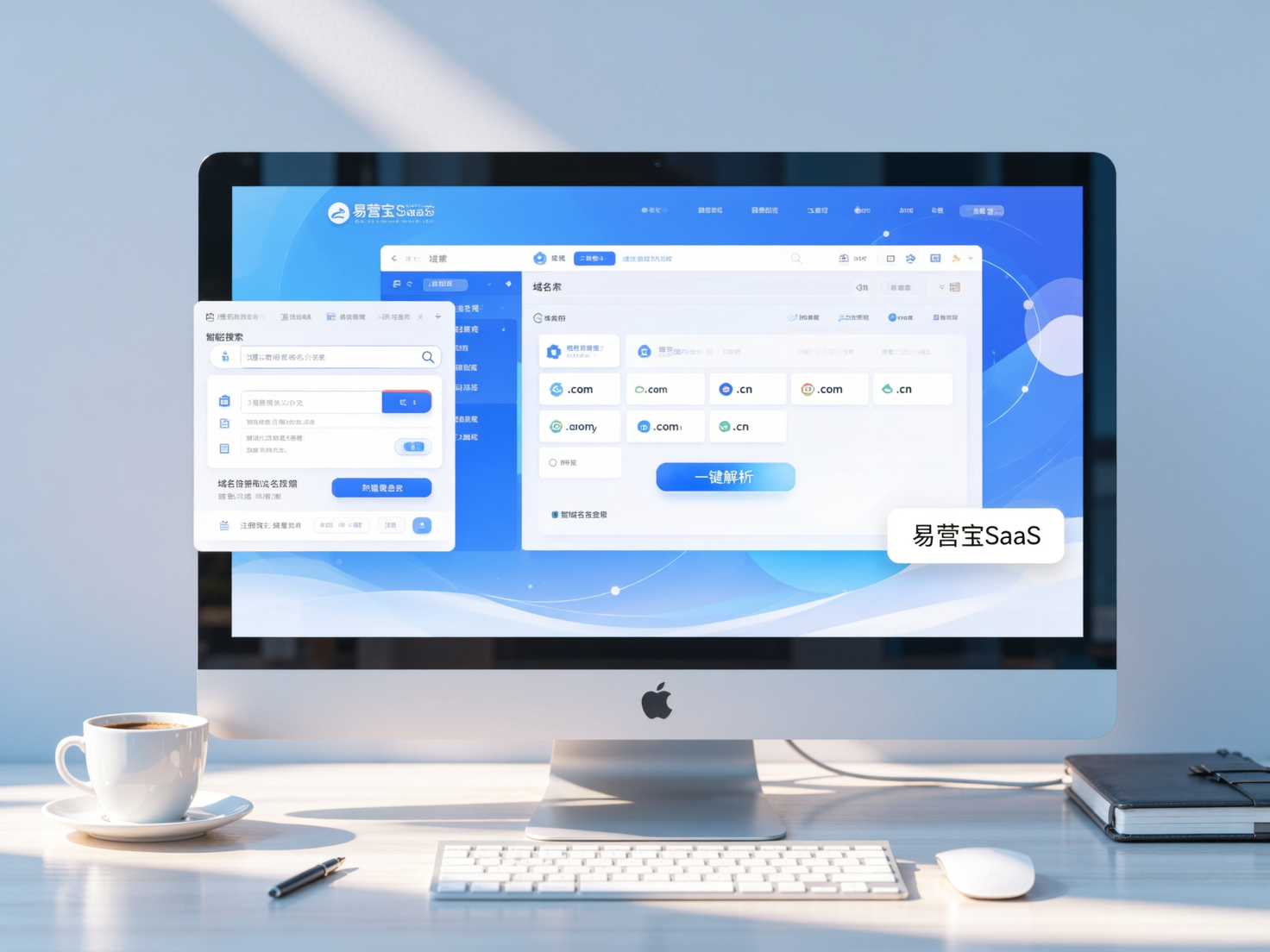
 Yiyingbao SaaS Intelligent Website Building and Marketing SystemYiyingbao SaaS Intelligent Website Building and Marketing System, AI-powered no-code website building, rapid creation of multilingual B2B international websites in 10 minutes, global server acceleration, AI-powered SEO optimization, helping businesses connect efficiently with global markets. The perfect integration of technology and operation makes building an international trade website remarkably simple
 AI+SEM Intelligent Advertising Marketing SystemAI+SEM drives intelligent ad creation, empowering full-funnel precision advertising marketing. The system automatically generates weekly/monthly reports, AI recommends keywords and target countries, monitors core metrics in real-time with intelligent alerts, and enables one-click high-conversion ad solutions to help quickly acquire customers and improve ROI.
 AI+SEO Dual-Engine System Optimization ServicesYiyingbao’s AI+SEO dual-engine optimization system helps foreign trade enterprises acquire high-quality organic traffic through AI-powered keyword research, content generation, and comprehensive technical optimization, significantly improving search rankings and conversion rates.
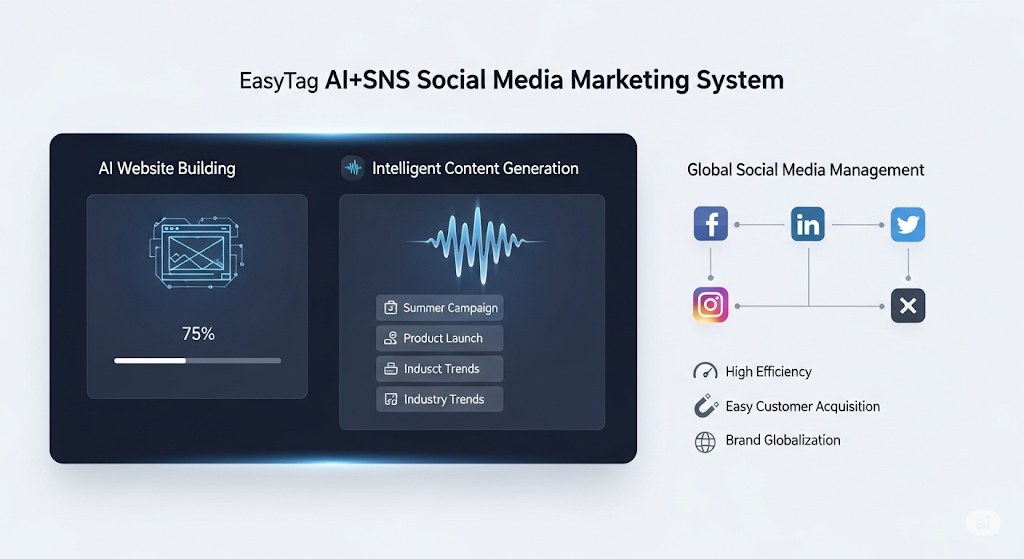
 AI+SNS Social Media Marketing SystemYingbao AI+SNS Social Media Marketing System - Precision social capture for the social media era. Supports one-click content synchronization across major platforms like Facebook and LinkedIn. AI intelligently rewrites posts for enhanced relevance. 24/7 AI customer service and user profiling analysis empower businesses to efficiently expand into global markets.
 AI+SEO营销解决方案易营宝AI+SEO营销解决方案,通过AI批量写作、智能生成TDK、精准关键词扩词等功能,全面优化网站SEO效果,提升流量与转化率。助力企业构建高效智能网站新生态。
 AI+SEM Advertising Marketing SolutionsAI+SEM Advertising Marketing Solution leverages AI technology to deeply empower SEM ad campaigns. It automatically generates weekly/monthly reports using AI, presenting account data across multiple dimensions for comprehensive insights into campaign performance and trends. The system precisely recommends keywords and target countries, intelligently generates high-conversion ad copy, and enables one-click activation of efficient campaign plans to help businesses rapidly acquire customers. Simultaneously, it monitors core metrics in real time, intelligently identifies abnormal fluctuations, and issues timely alerts to ensure stable, high-return advertising results.
 Domain Name ServicesEasyWin provides professional domain name services, including intelligent queries, one-stop registration, brand protection, and full lifecycle management, helping businesses build a digital brand image.
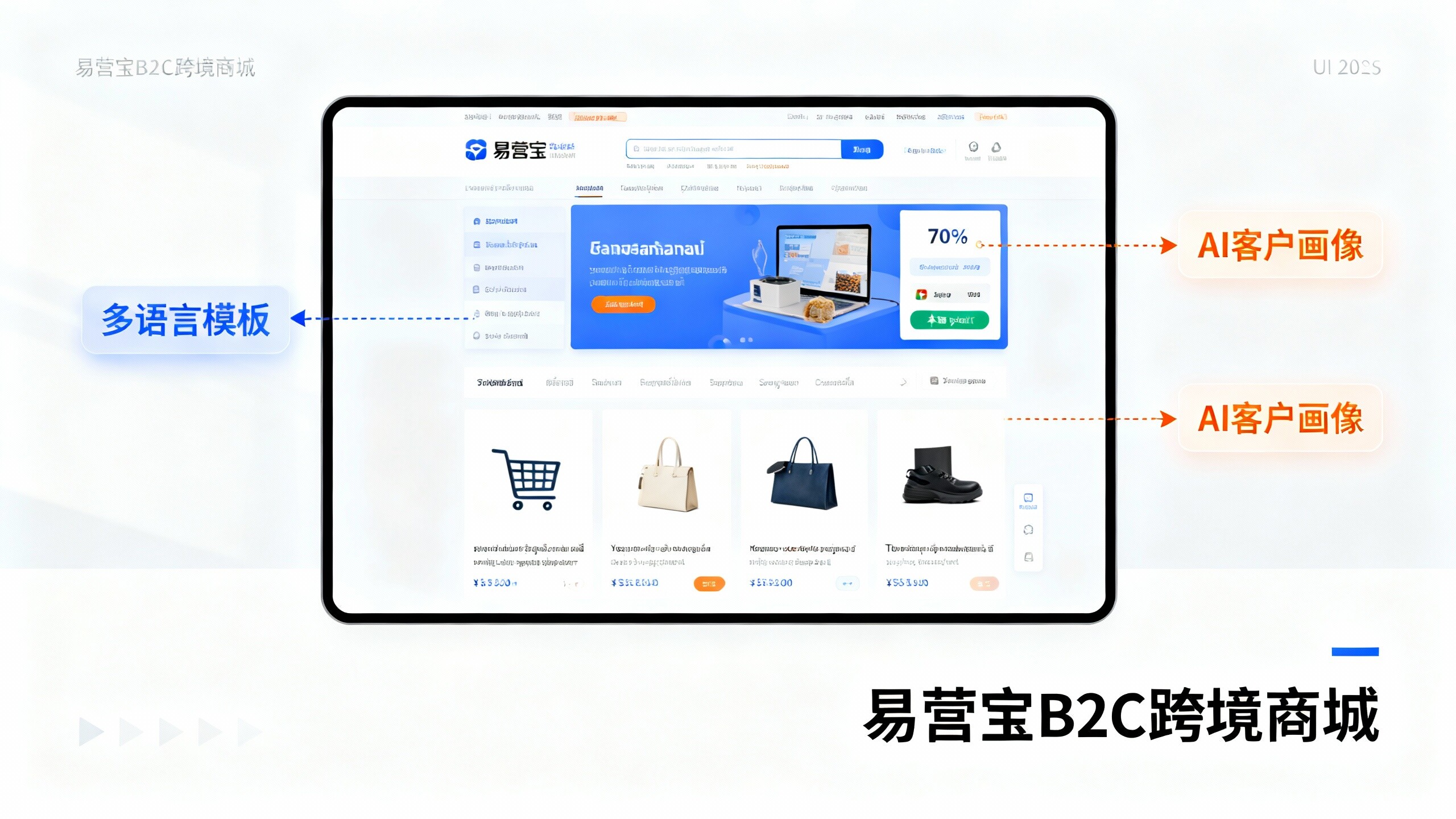
 EasyOperate B2C Cross-Border E-Commerce Platform & Independent WebsiteEasyStore B2C Cross-border E-commerce Independent Store is an intelligent website building and cross-border e-commerce integrated solution independently developed by EasyStore Information Technology (Beijing) Co., Ltd. The system is specially designed for small and medium-sized as well as large export enterprises, integrating 'website building, operation, marketing, advertising, and conversion' into one, helping enterprises quickly establish cross-border e-commerce independent stores to achieve brand globalization and global sales growth.
The platform supports multiple languages, multiple currencies, and multi-channel marketing, with built-in AI intelligent translation and SEO optimization systems, suitable for mainstream markets such as Southeast Asia, Europe and America, Latin America, and the Middle East, assisting Chinese manufacturing enterprises in efficiently deploying international e-commerce strategies. SSL证书易营宝提供专业SSL安全证书服务,包括单域名和泛域名证书,确保网站数据传输加密、身份验证和完整性保护,助力企业建立安全可信的在线业务环境。