- What are the differences in promotion between B2B and B2C websites? A comparative analysis of channel placement solutions for the general internet services industry2026-01-21View details
- What are the differences in promotion between B2B and B2C websites? Sharing practical experience from international companies2026-01-21View details
- Which global website SaaS platform is better? Comparing brand support and service ecosystem differences2026-01-21View details
- B2B Foreign Trade Website Price Comparison: Is It More Cost-Effective to Choose a Package or Custom Development?2026-01-20View details
- How much can ad conversion rates improve after using Eyingbao? What are the influencing factors?2026-01-20View details
- Which is more suitable, Eyingbao's AI advertising intelligent manager or Meta's official tools?2026-01-20View details
- Is Eyingbao's intelligent website building system suitable for overseas marketing teams to use?2026-01-20View details
- How Much Value Does TikTok Operations Bring to Foreign Trade Brands? Case Analysis of New Trends in Short Video Customer Acquisition for 20242026-01-21View details
Is the EasyStore SaaS website system suitable for cross-border e-commerce enterprises?
Analysis of ROI Decline Factors in the European Market
Evaluation logic should focus on whether language localization is automated, whether ad creatives and landing pages share the same semantic indexing system, and whether site cluster data is centrally managed. Systems that synchronize website and ad keyword data typically stabilize CTR and conversion fluctuations, reducing ROI risks.
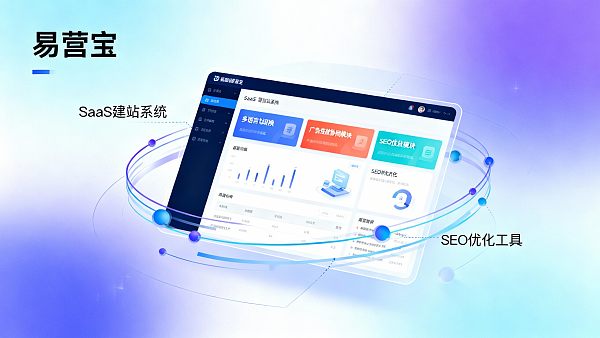
Feasible Pathways for Multilingual Content Production and Synchronization
Typical Risks and Fixes for Ad-Search Coordination Failures
Integration Bottlenecks of Multilingual Website Systems in Practice
From Industry Practice to System Implementation: Cross-Border Enterprise Options
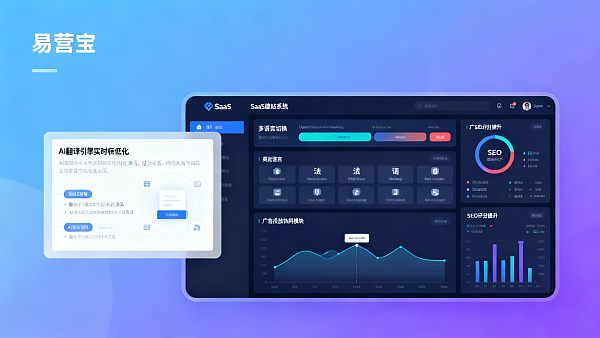
For European expansion, cross-border e-commerce typically adopts three approaches:
① Self-developed standalone sites with third-party translation plugins;
② Overseas mature website platforms with external ad management;
③ AI-driven intelligent SaaS all-in-one solutions. The former differ mainly in language expansion efficiency, ad coordination ratios, and SEO consistency, while the latter, despite higher initial costs, builds long-term advantages in multi-market coordination.
Conclusion and Actionable Recommendations
- When assessing SaaS website suitability, prioritize systems with multilingual semantic consistency and AI-driven localization mechanisms.
- Ad-website coordination capability is key for ROI improvement; verify cross-platform keyword mapping and auto-expansion features.
- Full-chain compliance and infrastructure (load speed <3s, auto-SSL, DDoS protection) are baseline requirements for European entry.
- Persistent subpar ROI warrants prioritizing SaaS solutions with AI ad managers and global traffic integration.
- Use A/B testing combined with Search Console validation to assess system adaptability with real market data.
Related Articles
 Where does the value of platform-based management manifest when handling multiple clients and parallel projects?
 Do foreign trade enterprises need to consider both SEO and advertising during the website building phase?
 How to Choose the Right SEO Optimization Company for Foreign Trade Enterprises? Practical Evaluation Criteria to Avoid Budget Waste


Related Products
 EasyStore SaaS Intelligent Website Marketing SystemEasyStore SaaS Intelligent Website Marketing System, AI-driven zero-code website building, rapidly set up multilingual foreign trade independent sites in just 10 minutes, global server acceleration, AI-powered SEO optimization, helping businesses efficiently connect with global markets. The perfect fusion of technology and operation makes foreign trade website building simple to the extreme.
 AI+SEM Intelligent Advertising Marketing SystemAI+SEM drives intelligent campaign creation, empowering full-funnel precision advertising marketing. The system automatically generates weekly/monthly reports, AI-recommends keywords and target countries, monitors core metrics in real-time with intelligent alerts, and enables one-click high-conversion campaign launches to accelerate lead acquisition and boost ROI.
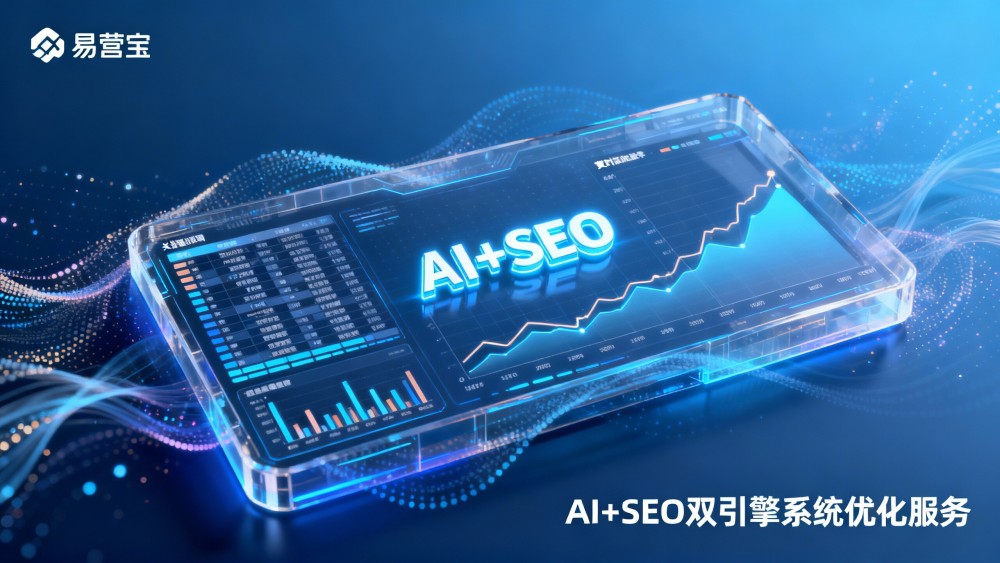
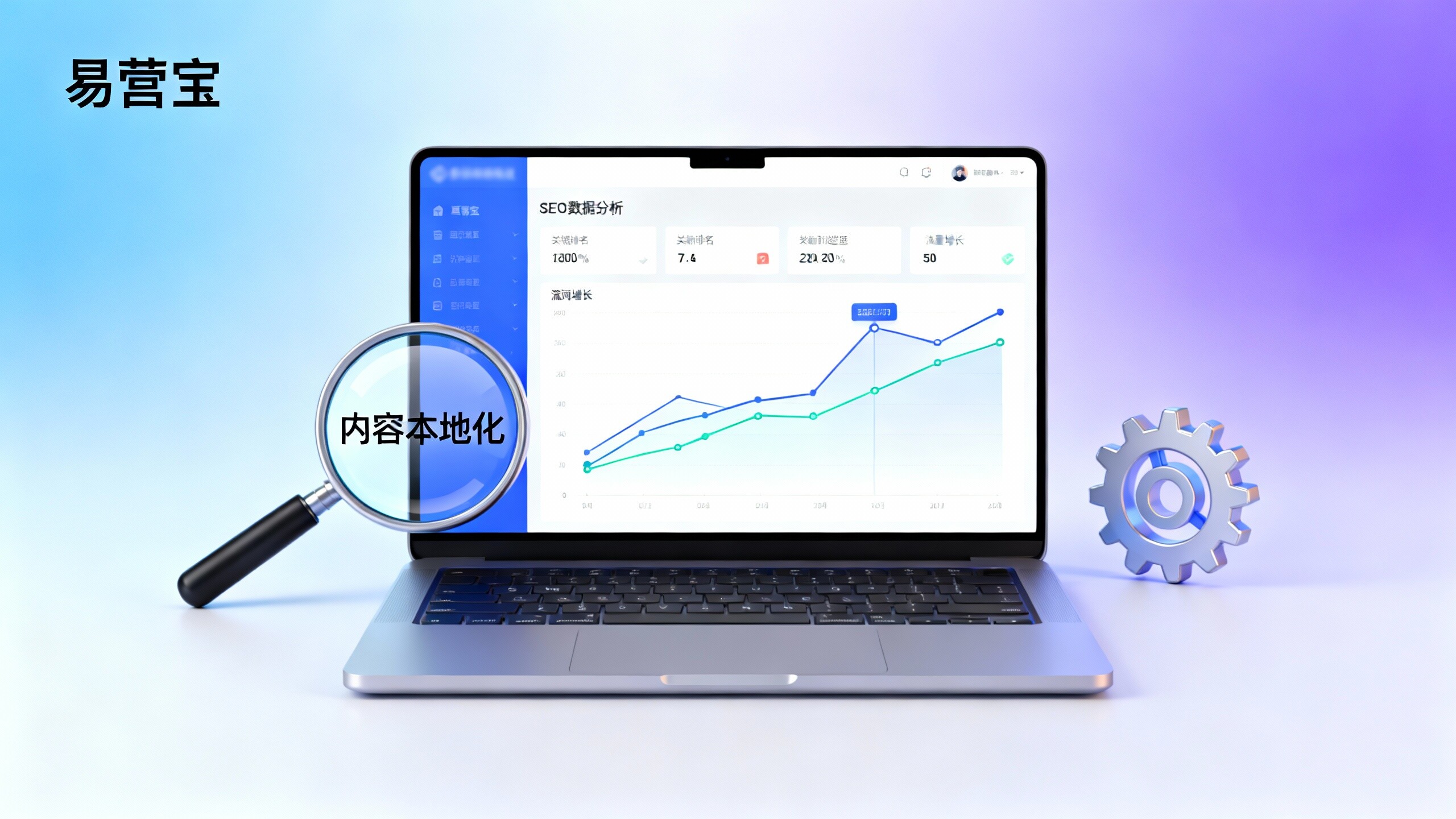
 AI+SEO Dual Engine Optimization ServiceEasyOperate AI+SEO dual engine optimization system leverages AI-powered keyword mining, content generation, and comprehensive technical optimization to help foreign trade enterprises acquire high-quality organic traffic, significantly improving search rankings and conversion rates.
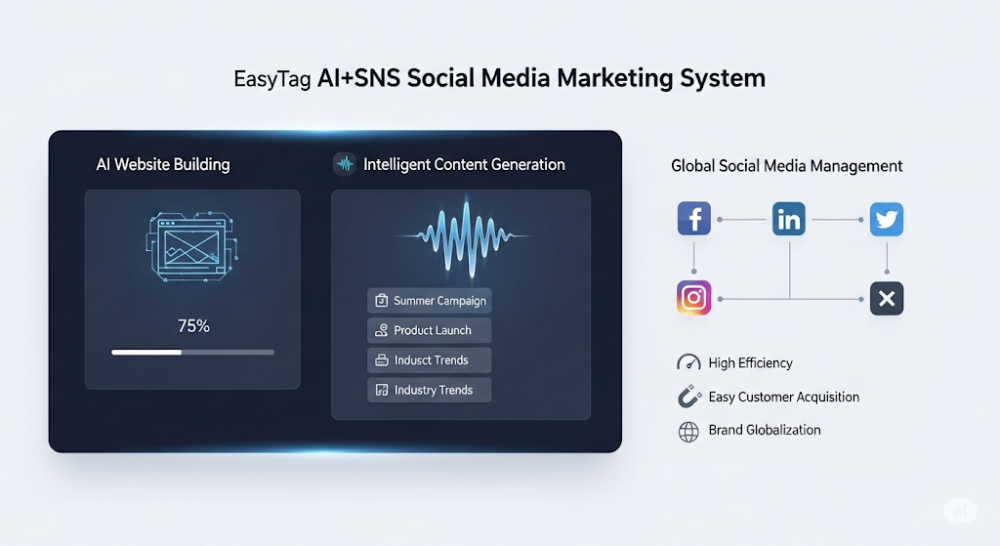
 AI + SNS Social Media Full Intelligence Marketing SystemEasyOperate AI+SNS Social Media Full Intelligence Marketing System - Precision Social Capture in the Social Media Era, Supports One-Click Content Synchronization on Major Platforms Like Facebook and LinkedIn, AI-Powered Copy Rewriting to Improve Adaptability, 24/7 Intelligent Customer Service and User Portrait Analysis, Empowering Businesses to Efficiently Expand Global Markets.
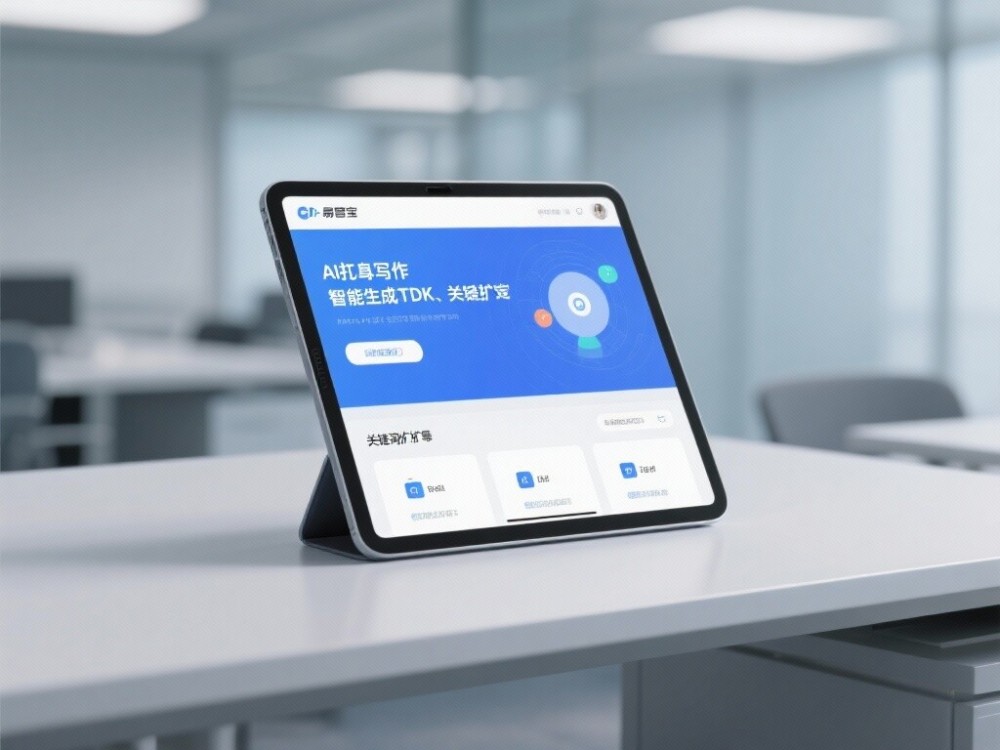
 AI+SEO Marketing SolutionEasyWin AI+SEO Marketing Solution leverages AI-powered batch content creation, intelligent TDK generation, and precise keyword expansion to comprehensively optimize website SEO performance, boosting traffic and conversion rates. Helps businesses build a highly efficient intelligent website ecosystem.
 AI+SEM Advertising & Marketing SolutionsAI+SEM advertising and marketing solution utilizes AI intelligent technology to deeply empower SEM advertising. Through AI intelligent generation of weekly/monthly reports, multi-dimensional presentation of account data, a comprehensive grasp of the effectiveness and trends of advertising, AI precise recommendation of keywords and countries, intelligent generation of high-conversion advertisement language, a key to start the efficient advertising program, helping enterprises to quickly acquire customers. At the same time, the system monitors the core indicators in real time, intelligently recognizes fluctuation abnormalities and warns them in time to ensure stable and high return of advertising effect.
 Domain Name ServicesEasy Operation provides professional domain services, including intelligent query, one-stop registration, brand protection, and full-cycle management, helping enterprises build a digital brand image.
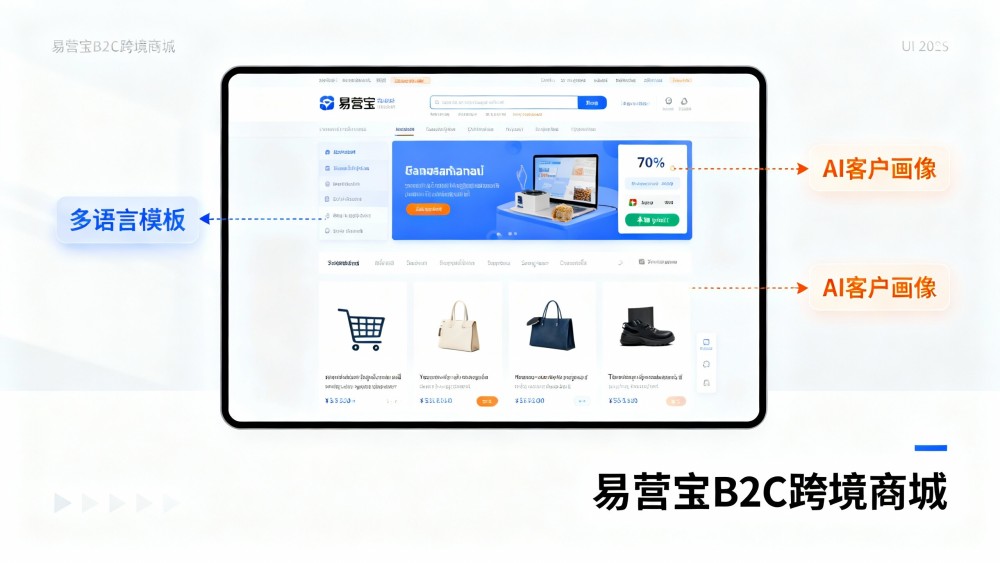
 EasyStore B2C Cross-border E-commerce Platform, Independent SiteEasyStore B2C Cross-border E-commerce Independent Store is an intelligent website building and cross-border e-commerce integrated solution independently developed by EasyStore Information Technology (Beijing) Co., Ltd. The system is specifically designed for small, medium, and large export enterprises, integrating 'website building, operation, marketing, advertising, and conversion' into one platform, helping businesses quickly establish cross-border e-commerce independent stores to achieve brand globalization and global sales growth.
The platform supports multiple languages, currencies, and multi-channel marketing, with built-in AI intelligent translation and SEO optimization systems, suitable for mainstream markets such as Southeast Asia, Europe & America, Latin America, and the Middle East, assisting Chinese manufacturing enterprises in efficiently deploying international e-commerce strategies. SSL CertificateEasyCert provides professional SSL security certificate services, including single-domain and wildcard certificates, ensuring encrypted data transmission, identity verification, and integrity protection for websites. This empowers businesses to establish secure and trustworthy online business environments.