









- What Does a Global Traffic Ecosystem Service Provider Do? What Are the Differences from a Single Advertising AgencyJul 16, 2026View details
- What should you focus on in the latest enterprise SaaS report? From renewal rates and delivery costs to overseas growth opportunitiesJul 12, 2026View details
- What signals are worth paying attention to in a cross-border marketing trend report? B2B companies should look at these 6 signalsJul 11, 2026View details
- How to Read a Cross-Border Marketing Trends Report? Five Key Dimensions for Evaluating Channel OpportunitiesJul 11, 2026View details
- Which channel has the highest ROI in the global traffic ecosystem? Comparative analysis of search, social media, and advertisingJul 10, 2026View details
- What multilingual website services are available in Sanya? Which model is more suitable for local businesses going global?Jul 08, 2026View details
- How to view the complete list of China SaaS companies in the top 100? Practical methods for screening website-building and marketing service providersJul 08, 2026View details
- How to view pricing in the global traffic ecosystem? Cost comparison of search, social media, and content channel advertisingJul 06, 2026View details
How to Choose Arabic Website Design Without Hurting Conversions
How should you choose Arabic website design so it does not drag down inquiries and conversions? The core judgment is actually very clear: don’t first look at whether the page “looks good,” but first see whether it truly matches Arabic users’ reading habits, device usage scenarios, search behavior, and conversion paths. If language direction, form logic, mobile experience, SEO structure, and localized content are not handled well, then even if you run ads and get traffic, you may still end up stuck with a high bounce rate, short visit duration, few inquiries, and weak conversions. For companies evaluating how to use a Middle East website building system and how to choose a platform for multilingual website development, the most important thing is not piling up features, but finding a solution that can balance both local user experience and marketing conversion.
Start with the conclusion: when choosing Arabic website design, prioritize “conversion fit” rather than “visual style”
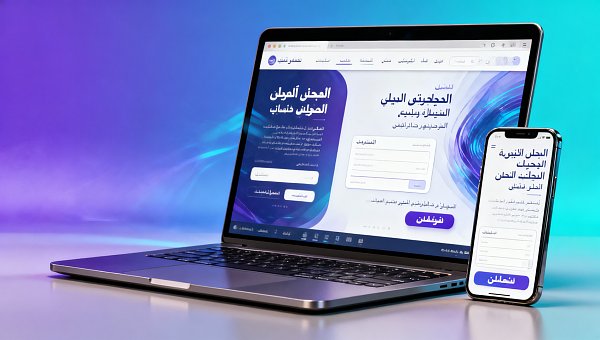
When many companies build an Arabic website for the first time, they tend to focus on color schemes, layouts, or whether the translation is complete, but what truly affects conversion is often the deeper design and system logic.
If Arabic website design is chosen incorrectly, common problems include:
- The page may be translated into Arabic, but it still uses a left-to-right structure, making reading feel unnatural;
- Buttons, menus, and form order are not adapted for RTL (right-to-left), resulting in higher user operation costs;
- The mobile version loads slowly, which is especially noticeable under network conditions in the Middle East;
- The content looks like “a translated document,” lacking localized expression and reducing trust;
- The site structure is not favorable for search engine indexing, making SEO traffic difficult to accumulate;
- The layout of conversion entry points such as inquiry forms, WhatsApp, phone, and email is not合理.
Therefore, when companies choose an Arabic website design solution, the most important question is not “can it build an Arabic website,” but “can this solution help Arabic users understand more smoothly, build trust, and leave an inquiry.” That is the real key to avoiding negative impact on conversions.
What is most easily overlooked in an Arabic website is not translation, but language direction and user experience
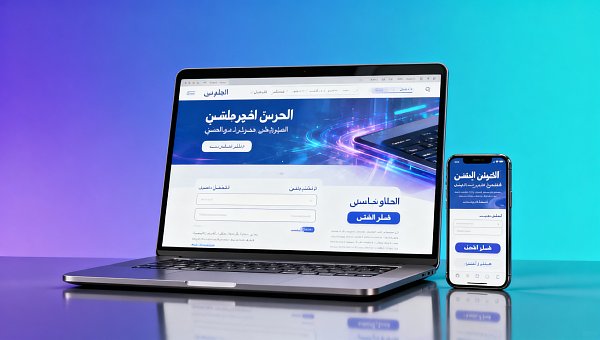
One of the biggest differences between an Arabic website and a regular foreign trade website is the language direction. Arabic is read from right to left, which means page layout, navigation logic, image-text relationships, button positions, carousel direction, and even icon usage habits all need to be adjusted together.
If you simply translate a Chinese or English website directly into Arabic without adapting it for RTL, users will clearly feel that it is “awkward to use.” This awkwardness will not only affect the experience, but also directly affect the conversion rate.
When evaluating a design solution, companies are advised to focus on checking the following points:
- Whether navigation prioritizes the right side: Whether the main menu, breadcrumbs, and sidebar match Arabic reading paths;
- Whether form completion is smooth: Whether fields such as name, phone, country, and requirement description match local filling habits;
- Whether button placement is reasonable: Whether CTAs such as “Consult Now,” “Get a Quote,” and “Contact via WhatsApp” appear where users can easily click;
- Whether the font and line spacing are clear: The display quality of Arabic fonts directly affects professionalism and readability;
- Whether images and visual elements are localized: Whether character images, scenes, colors, and cultural expressions avoid creating a sense of conflict.
For technical evaluators and after-sales maintenance staff, this also involves whether the template natively supports RTL, whether later modifications will break the layout, and whether display remains stable across different browsers and mobile phone models. In many projects, frequent issues after launch are not caused by wrong content, but by the underlying framework not being truly adapted for the Arabic environment.
How to use a Middle East website building system: the key is not “whether it can build a site,” but “whether it can support ongoing marketing”
When many decision-makers choose a Middle East website building system, they initially only look at site-building speed and demo results, but what really creates the gap is whether the system supports continuous follow-up marketing.
A website building system suitable for the Middle East market should at least meet the following dimensions at the same time:
- Support multilingual management: Arabic, English, and even French pages can be managed in a unified way, facilitating regional marketing;
- Support basic SEO settings: Titles, descriptions, URLs, H tags, image Alt text, and structured content can all be set independently;
- Support marketing components: Forms, online consultation, WhatsApp floating windows, quote request modules, landing page management, etc.;
- Support performance optimization: CDN, caching, image compression, and mobile loading optimization;
- Support data tracking: It can integrate tools such as GA, GTM, and Meta Pixel to measure advertising and conversion performance;
- Support later maintenance: Even non-technical staff can update content without relying on developers every time copy needs to be changed.
This is also why companies cannot only look at “whether the page looks beautiful,” but must see whether the platform can truly support SEO optimization services, advertising campaigns, and social media traffic generation. Because in essence, an Arabic website is not a static display page, but the core conversion page in the overseas customer acquisition chain.
From a business management perspective, this way of thinking about “system fit for conversion” is consistent with the integration logic companies use in other operating scenarios. For example, in organizational upgrades, resource integration, or process optimization, it is often not a single function that matters most, but overall collaborative efficiency. Similar to integration and operational optimization strategies in mergers and acquisitions of property management companies, this kind of content also emphasizes how to improve overall operational quality after integration. The same applies to website selection: it is not about looking at a single page, but about whether the entire marketing and conversion system runs smoothly.
How to choose a platform for multilingual website development: focus on these 5 judgment criteria
If a company is not only targeting the Arabic-speaking market, but also hopes to cover English or other languages, then when choosing a platform for multilingual website development, it is not enough to look only at “whether languages can be switched,” but whether the platform supports true multi-regional operations.
The following 5 criteria are the most worth focusing on:
- Whether language versions can be optimized independently
Pages in different languages should be able to set SEO titles, keyword layouts, and content structures separately, rather than mechanically sharing one set of data. - Whether the URL structure is clear
It is recommended to support independent language directories or subsite structures, which helps search engines identify them and also facilitates later data analysis. - Whether translation and localization are separated
A truly high-quality multilingual site is not just about text translation, but also includes localized expression of cases, selling points, FAQ, contact methods, and call-to-action buttons. - Whether backend permissions and collaboration are convenient
Whether marketing, technical, customer service, and operations teams can collaboratively update content determines later operational efficiency. - Whether future expansion is flexible
If new country sites, landing pages, product category pages, or campaign pages are added later, whether the platform can support them quickly.
For distributors, agents, and end consumers, whether they can quickly find the information they need is an important factor in deciding whether to continue learning more; for business managers, whether the platform is convenient for scaled operations is directly related to long-term return on investment.
Which design details are most likely to directly affect inquiries and conversions
If the goal is to improve conversion, then the following design details are more important than “whether the page looks cool”:
- Whether the above-the-fold information is clear: Within 3 seconds after entering, can users tell who you are, what you sell, and what problems you solve;
- Whether contact methods have a low barrier: Middle Eastern users often use instant communication tools, and the WhatsApp entry point is especially important;
- Whether there are enough trust elements: Whether customer cases, qualification certificates, service countries, partner brands, and review feedback are easy to see;
- Whether the form is short enough: Too many fields will reduce submission rates, especially on mobile;
- Whether the content answers real questions: Delivery time, payment methods, after-sales support, logistics coverage, customization capabilities, etc. are often more important than vague brand introductions;
- Whether the page has a clear next action: Paths such as consultation, booking a demo, getting a quote, and downloading materials should be clear.
In actual projects, many corporate websites do not have low traffic, but conversions do not improve because the information is organized from the company’s own perspective rather than from the user’s decision-making perspective. Especially in the Arabic-speaking market, trust building and communication convenience are often more important than complex functions.
When choosing a service provider, which questions should companies focus on asking
If you are screening Arabic website design or search engine optimization service providers, it is recommended not to just listen to “we can do it” or “we have done many cases,” but to directly ask the questions that determine results:
- Do they have native Arabic RTL design and development experience?
- Can they take into account website building, SEO, advertising landing pages, and follow-up operations at the same time?
- Can they provide localized content suggestions rather than just page production?
- How is mobile speed optimization handled? Do they consider the access experience in the Middle East?
- Can they connect data monitoring to show inquiry sources and page conversion performance?
- How responsive is later maintenance? Is content updating convenient?
The value of a mature integrated website + marketing service team is not just building the site, but connecting “customer acquisition entry point—content conversion support—consultation conversion—follow-up optimization” into a closed loop. For business decision-makers, this is more practically meaningful than purchasing a template site alone.
Of course, during the selection process, you should also avoid being misled by “all-around promises.” A service provider truly worth working with will usually first understand your product complexity, target market, customer acquisition methods, decision cycle, and internal collaboration process, and then provide a suitable solution, rather than directly quoting a template package. This logic is similar to the systematic integration thinking emphasized in integration and operational optimization strategies in mergers and acquisitions of property management companies: a good solution is not about piling up resources, but about making key links truly work together.
Summary: an Arabic website that does not affect conversion must simultaneously achieve “easy to read, easy to find, and worth leaving information for”
Back to the original question: how should you choose Arabic website design so it does not affect conversion? The answer can be summarized in one sentence: choose a solution that truly understands Middle Eastern user experience, localized expression, SEO structure, and marketing conversion logic, rather than one that only knows how to do page translation or visual packaging.
For information researchers, the focus is whether it truly supports Arabic-language scenarios; for technical evaluators, the focus is RTL adaptation, system scalability, and maintenance convenience; for business decision-makers, the focus is inquiry growth, return on investment, and long-term operational capability; for after-sales and operations teams, the focus is whether subsequent updates and collaboration are efficient.
If an Arabic website can achieve correct language direction, a smooth mobile experience, proper content localization, a clear SEO structure, and a clear conversion path, then it is not only a display window, but also a stable customer acquisition asset for a company entering the Middle East market. What is truly worth choosing is not a service that “can build an Arabic site,” but the capability to “make an Arabic site deliver results.”
Related Articles
 Attention! Builders' must-see: Yibingbao AI components updated, design efficiency directly doubled!
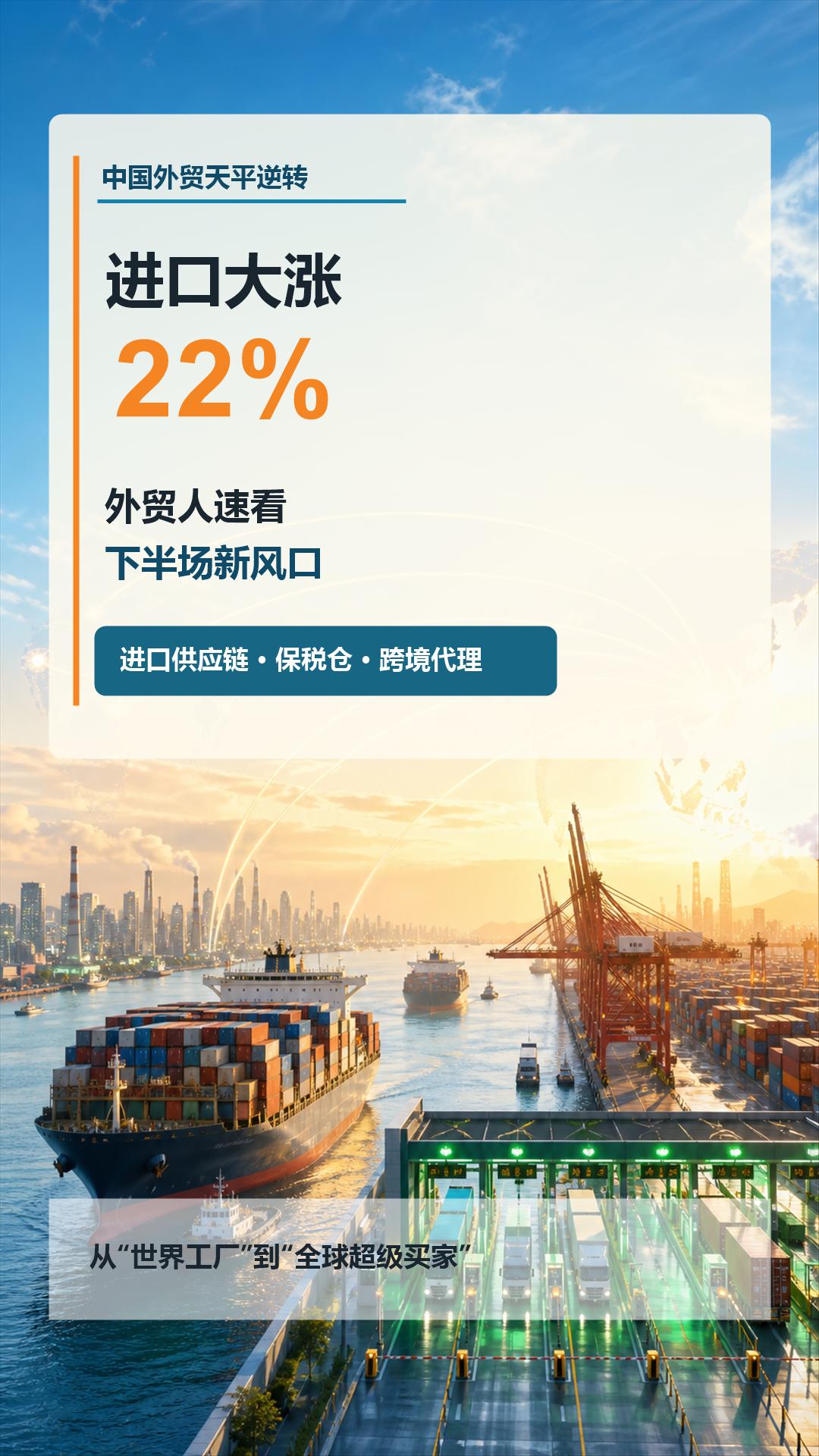
 China's foreign trade sees a turnaround: imports surge by 22%! Foreign trade professionals should quickly take note of the new trends in the second half of the year
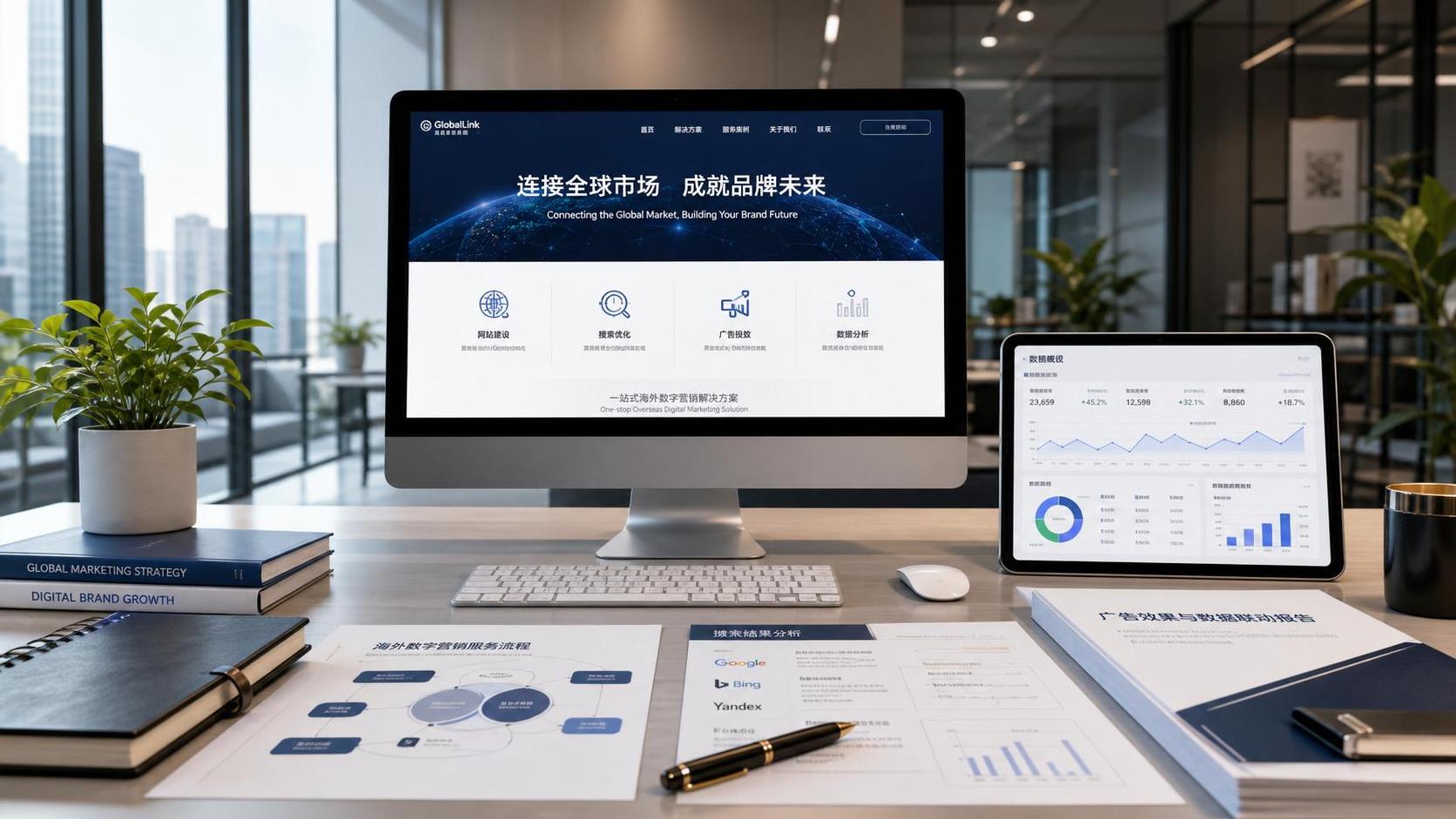
 What Does a Global Traffic Ecosystem Service Provider Do? What Are the Differences from a Single Advertising Agency

Related Products
 EasyCamp SaaS Smart Website Marketing SystemE-Yingbao SaaS Smart Website Marketing System: AI-powered, zero-code website building. Rapidly launch multilingual independent e-commerce sites in just 10 minutes. Global server acceleration and AI-driven SEO optimization empower businesses to efficiently connect with global markets. The seamless integration of technology and user-friendly operation makes building e-commerce sites incredibly simple.
 AI+SEM Intelligent Advertising Marketing SystemAI+SEM drives intelligent ad creation, empowering full-funnel precision advertising marketing. The system automatically generates weekly/monthly reports, AI recommends keywords and target countries, monitors core metrics in real-time with intelligent alerts, and enables one-click high-conversion ad solutions to help quickly acquire customers and improve ROI.
 AI+SEO Dual Engine Optimization ServiceEasyWin AI+SEO Dual Engine Optimization System leverages AI-powered keyword mining, content generation, and comprehensive technical optimization to help foreign trade enterprises acquire high-quality organic traffic, significantly improving search rankings and conversion rates.
 AI+SNS Social Media Marketing SystemYingbao AI+SNS Social Media Marketing System - Precision social capture for the social media era. Supports one-click content synchronization across major platforms like Facebook and LinkedIn. AI intelligently rewrites posts for enhanced relevance. 24/7 AI customer service and user profiling analysis empower businesses to efficiently expand into global markets.
 AI+SEO营销解决方案易营宝AI+SEO营销解决方案,通过AI批量写作、智能生成TDK、精准关键词扩词等功能,全面优化网站SEO效果,提升流量与转化率。助力企业构建高效智能网站新生态。
 AI+SEM Advertising Marketing SolutionsAI+SEM Advertising Marketing Solution leverages AI technology to deeply empower SEM ad campaigns. It automatically generates weekly/monthly reports using AI, presenting account data across multiple dimensions for comprehensive insights into campaign performance and trends. The system precisely recommends keywords and target countries, intelligently generates high-conversion ad copy, and enables one-click activation of efficient campaign plans to help businesses rapidly acquire customers. Simultaneously, it monitors core metrics in real time, intelligently identifies abnormal fluctuations, and issues timely alerts to ensure stable, high-return advertising results.
 Domain Name ServicesEasyWin provides professional domain name services, including intelligent queries, one-stop registration, brand protection, and full lifecycle management, helping businesses build a digital brand image.
 EasyOperate B2C Cross-Border E-Commerce Platform & Independent WebsiteEasyStore B2C Cross-border E-commerce Independent Store is an intelligent website building and cross-border e-commerce integrated solution independently developed by EasyStore Information Technology (Beijing) Co., Ltd. The system is specially designed for small and medium-sized as well as large export enterprises, integrating 'website building, operation, marketing, advertising, and conversion' into one, helping enterprises quickly establish cross-border e-commerce independent stores to achieve brand globalization and global sales growth.
The platform supports multiple languages, multiple currencies, and multi-channel marketing, with built-in AI intelligent translation and SEO optimization systems, suitable for mainstream markets such as Southeast Asia, Europe and America, Latin America, and the Middle East, assisting Chinese manufacturing enterprises in efficiently deploying international e-commerce strategies. SSL证书易营宝提供专业SSL安全证书服务,包括单域名和泛域名证书,确保网站数据传输加密、身份验证和完整性保护,助力企业建立安全可信的在线业务环境。









