









- What Does a Global Traffic Ecosystem Service Provider Do? What Are the Differences from a Single Advertising AgencyJul 16, 2026View details
- What should you focus on in the latest enterprise SaaS report? From renewal rates and delivery costs to overseas growth opportunitiesJul 12, 2026View details
- What signals are worth paying attention to in a cross-border marketing trend report? B2B companies should look at these 6 signalsJul 11, 2026View details
- How to Read a Cross-Border Marketing Trends Report? Five Key Dimensions for Evaluating Channel OpportunitiesJul 11, 2026View details
- Which channel has the highest ROI in the global traffic ecosystem? Comparative analysis of search, social media, and advertisingJul 10, 2026View details
- What multilingual website services are available in Sanya? Which model is more suitable for local businesses going global?Jul 08, 2026View details
- How to view the complete list of China SaaS companies in the top 100? Practical methods for screening website-building and marketing service providersJul 08, 2026View details
- How to view pricing in the global traffic ecosystem? Cost comparison of search, social media, and content channel advertisingJul 06, 2026View details
Is an Arabic website building tutorial suitable for companies to build their own website
Is an Arabic website building tutorial suitable for companies to build their own websites? Let’s start with the conclusion: it is suitable for some companies, but not for all. If a company already has the capabilities for website development, Arabic content management, server maintenance, and SEO execution, building it in-house can reduce long-term outsourcing costs; but if the goal is to launch quickly, acquire customers steadily, and also deliver a localized experience for the Middle East market, then relying solely on tutorials to build it yourself often leads to higher hidden costs in language quality, right-to-left layout, search optimization, and later maintenance. For most companies, the key is not “whether it can be built,” but “whether, after being built, it can truly bring inquiries, brand trust, and sustainable operational efficiency.”
Especially for foreign trade companies, brand globalization teams, and technical evaluators, Arabic website development is not as simple as translating a Chinese website into Arabic. It also involves how to choose a platform for multilingual website development, whether the Middle East website system supports RTL layout, whether content updates are convenient, whether the steps for building a marketing-oriented website are complete, and whether follow-up search engine optimization services can continuously support traffic growth goals. These factors are what determine whether building in-house is truly worthwhile.
What companies care about most is not “whether they can build it,” but “whether it can actually run successfully after being built in-house”
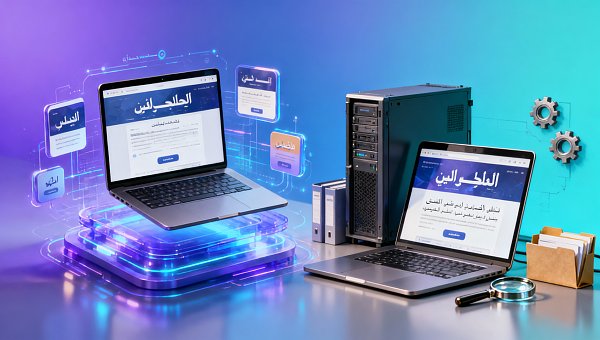
When many companies search for “Is an Arabic website building tutorial suitable for companies to build their own websites?”, on the surface they seem to be looking for tutorials, but in reality they are making a feasibility judgment: can building in-house really save money, can it control quality, and can it support later marketing? For business decision-makers, what they truly care about is return on investment; for technical evaluators, the focus is on system compatibility, scalability, and maintenance complexity; for after-sales maintenance personnel, the biggest concern is troublesome revisions after launch, difficult content updates, and slow troubleshooting.
The special nature of Arabic websites is mainly reflected in three aspects:
- Special language and layout requirements: Arabic is read from right to left, so front-end pages, menus, buttons, forms, and mixed text-image layouts all need to be adapted.
- High localization requirements: Middle Eastern users have clear preferences for page style, how contact methods are displayed, payment methods, and trust elements.
- Higher difficulty in SEO and content operations: It is not enough to have translation alone; there must also be keyword placement and content structure that match Arabic search habits.
Therefore, companies should not only look at whether a tutorial is detailed, but also whether they have the ability to sustain operations after building the site themselves. A website that can go online but attracts no visitors, or gets visitors but does not convert, may be technically completed, but it is not commercially successful.
What kinds of companies are suitable for building in-house, and what kinds are not
Whether in-house development is suitable depends mainly on four conditions: team capability, project timeline, budget structure, and growth goals.
Companies more suitable for in-house development usually have the following characteristics:
- They have internal technical staff familiar with WordPress, Shopify, or custom CMS;
- They have a stable Arabic translation or localized content team;
- They are not in a hurry for short-term customer acquisition and place greater importance on long-term control;
- They can accept the time cost of early-stage trial and error, debugging, and repeated revisions.
Companies less suitable for in-house development usually include:
- Those entering the Middle East market for the first time and unfamiliar with user habits and platform rules;
- Those without dedicated internal technical and SEO personnel;
- Those that need to launch as quickly as possible for advertising, channel recruitment, or brand promotion;
- Those hoping the website will continuously bring organic traffic and inquiries after launch, rather than simply serving as a showcase page.
Simply put, if a company only wants to “save website building costs,” building in-house may not actually be cheaper; if the company has a mature team and seeks control, then in-house development becomes more meaningful. This is because website development costs are only explicit expenses, while the truly major costs are often later maintenance, content production, speed optimization, and traffic acquisition.
The 5 types of costs companies most easily underestimate when building an Arabic website in-house
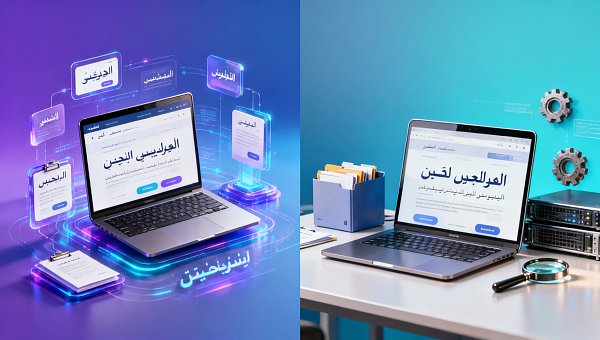
When many companies evaluate costs, they only calculate domain names, servers, and template fees, but in actual projects, the following types of costs are more likely to be overlooked:
1. Arabic localization costs
Literal translation alone is not enough. Company introductions, product selling points, CTA buttons, FAQ, and form prompts all need to align with local expression habits; otherwise, users may feel the site is “unprofessional” or even “untrustworthy.”
2. Front-end adaptation costs
Right-to-left layout affects navigation structure, icon direction, button positions, and content alignment. Many ready-made templates appear to support Arabic on the surface, but the actual details are not properly handled and require secondary development.
3. SEO foundation setup costs
Page titles, descriptions, URL rules, internal linking logic, image ALT, structured data, and mobile speed optimization all directly affect indexing and rankings. If this work is missing, the website will have difficulty gaining organic traffic.
4. Ongoing content update costs
Search demand in the Middle East market cannot be covered by a one-time website build. Ongoing work is still needed on industry keywords, product keywords, and question keywords. If the content team cannot keep up, the website will quickly lose growth momentum.
5. Maintenance and security costs
Plugin conflicts, server stability, access speed, form spam, and anti-attack capabilities all require continuous investment. The more a site is aimed at overseas markets, the more important it is to consider global access quality and security.
If a company hopes to promote organic traffic acquisition and scalable content operations at the same time after launching the website, it will usually rely on some more systematic tools and services. For example, the AI+SEO dual-engine system optimization service for foreign trade companies integrates keyword mining, content generation, technical optimization, and website structure diagnosis into one workflow, which is closer to real growth needs than simply “learning from tutorials and building the site yourself.”
How to choose a platform for multilingual website development that fits Arabic-language scenarios
When companies choose a Middle East website system, they should not only look at “whether Arabic can be added,” but more importantly at “whether Arabic is actually easy to use.” To determine whether a platform is suitable, the following dimensions can be evaluated:
- Whether it natively supports RTL: including whether navigation, pagination, breadcrumbs, forms, and product detail pages adapt naturally.
- Whether it supports independent SEO settings for multiple languages: whether each language can independently configure titles, descriptions, URL, and page content.
- Whether content updates are convenient: whether operations staff can maintain news, case studies, product pages, and landing pages with a low barrier to entry.
- Whether it supports marketing functions: such as inquiry forms, WhatsApp buttons, online customer service, and conversion tracking.
- Whether it balances speed and security: whether access for Middle Eastern users is stable and whether mobile loading is fast enough.
From common options:
- WordPress: flexible and rich in plugins, suitable for companies with technical teams, but with relatively high requirements for maintenance and compatibility.
- Shopify: more suitable for cross-border e-commerce projects, convenient for operations, but somewhat limited for complex content-based SEO scenarios.
- Custom website systems: suitable for companies with special processes and high brand requirements, but with larger upfront investment.
- SaaS website-building platforms: quick to launch and light to maintain, suitable for companies that want to start quickly, but it is necessary to confirm whether the multilingual SEO capabilities are sufficient.
Therefore, the answer to how to choose a platform for multilingual website development is not “which one is the cheapest,” but “which one better fits the company’s current team capabilities and future marketing goals.”
The steps of building a marketing-oriented website determine whether the site is just a “translated business card”
Many companies fail when building Arabic websites in-house, not because they do not know how to build them, but because their website-building approach is wrong. The truly effective steps for building a marketing-oriented website should start from customer acquisition and conversion, rather than from the number of pages.
A more reasonable path is usually:
- First clarify the goal: is it for brand display, inquiry generation, channel recruitment, or receiving advertising traffic?
- Organize keywords and page structure: first determine core product keywords, industry keywords, and regional keywords, then design categories and landing pages.
- Complete localized content planning: not translating page by page, but rewriting content around the questions users care about.
- Build a solid technical SEO foundation: including URL, TDK, internal links, image ALT, speed, and mobile experience.
- Configure conversion components: inquiry forms, instant messaging, phone buttons, trust endorsements, and case displays.
- Continue iterating after launch: continuously optimize pages and content based on traffic, bounce rate, and inquiry quality.
Without keyword planning and underlying SEO design, an Arabic website can easily become a site that “has content but no traffic”; without conversion design, even if there are visitors, it is still difficult to generate business opportunities.
How companies should judge: following tutorials, building internally, or hiring a professional team
A simple evaluation framework can be used:
- Look at the target timeline: if the site must go live and enter the market within 1 month, self-building carries relatively high risk.
- Look at team configuration: if there are not at least two of the following capabilities—front-end, SEO, content, and operations/maintenance—the difficulty of self-building will increase significantly.
- Look at business goals: if the website is responsible for customer acquisition, it cannot be accepted merely by the standard of “being online.”
- Look at follow-up plans: if Google SEO, advertising, and social media traffic generation will be done later, compatibility needs to be considered from the beginning of website development.
For most companies, the most reliable approach is usually neither to rely entirely on tutorials nor to completely give up autonomous management, but to adopt a combination of “professional development + internal operations”: let a professional team handle system architecture, technical adaptation, SEO foundations, and performance optimization, while the company internally takes responsibility for product materials, market feedback, and content review. This preserves management control while also reducing the cost of trial and error.
If a company already has a basic website but is troubled by scattered keyword distribution, slow content output, and unsystematic technical optimization, it can also consider introducing capabilities such as the AI+SEO dual-engine system optimization service, which is more growth-oriented, connecting multilingual content generation, technical audits, structural optimization, and performance monitoring to help the website move from “built” to “capable of growth.”
Conclusion: Arabic websites can be built in-house, but companies should judge more carefully whether it is worth taking on the whole process themselves
Returning to the original question, is an Arabic website building tutorial suitable for companies to build their own websites? The answer is: for companies with a technical, content, and operational foundation, tutorials can serve as a reference for in-house development; but for most companies that hope to enter the Middle East market and quickly establish brand presence and inquiry conversion, tutorials can only solve “how to build it,” but cannot solve “how to do it well and how to continuously acquire customers.”
The truly valuable criterion is not the act of building the website itself, but whether the company has the ability to simultaneously handle Arabic localization, RTL adaptation, multilingual SEO, ongoing content updates, and later maintenance. Without these conditions, complete in-house development is often not cost-effective. Companies should focus on platform selection, process design, alignment with marketing goals, and follow-up optimization capabilities, so that the Arabic website can not only go live successfully, but also truly serve business growth.
Related Articles
 Attention! Builders' must-see: Yibingbao AI components updated, design efficiency directly doubled!
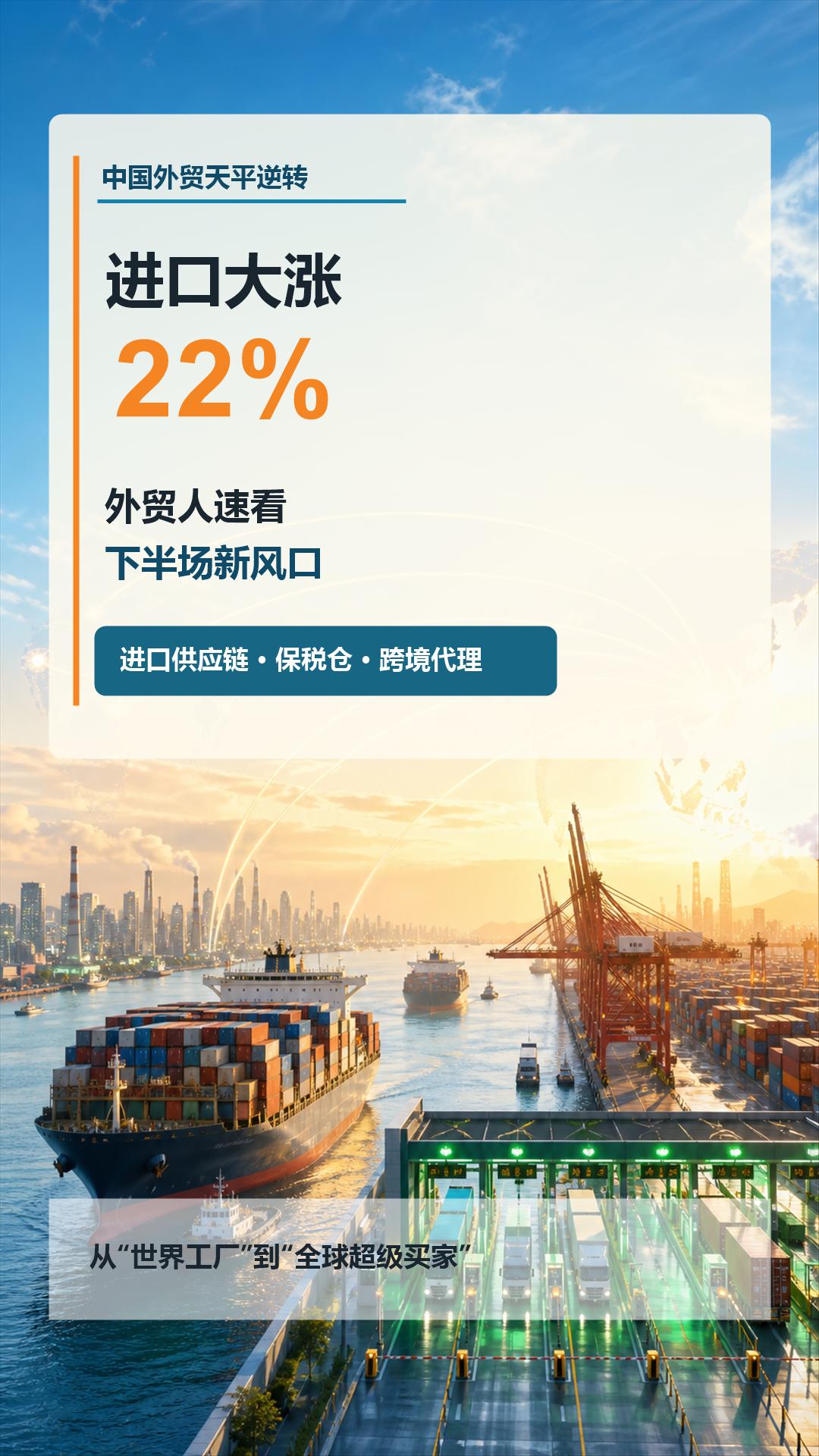
 China's foreign trade sees a turnaround: imports surge by 22%! Foreign trade professionals should quickly take note of the new trends in the second half of the year
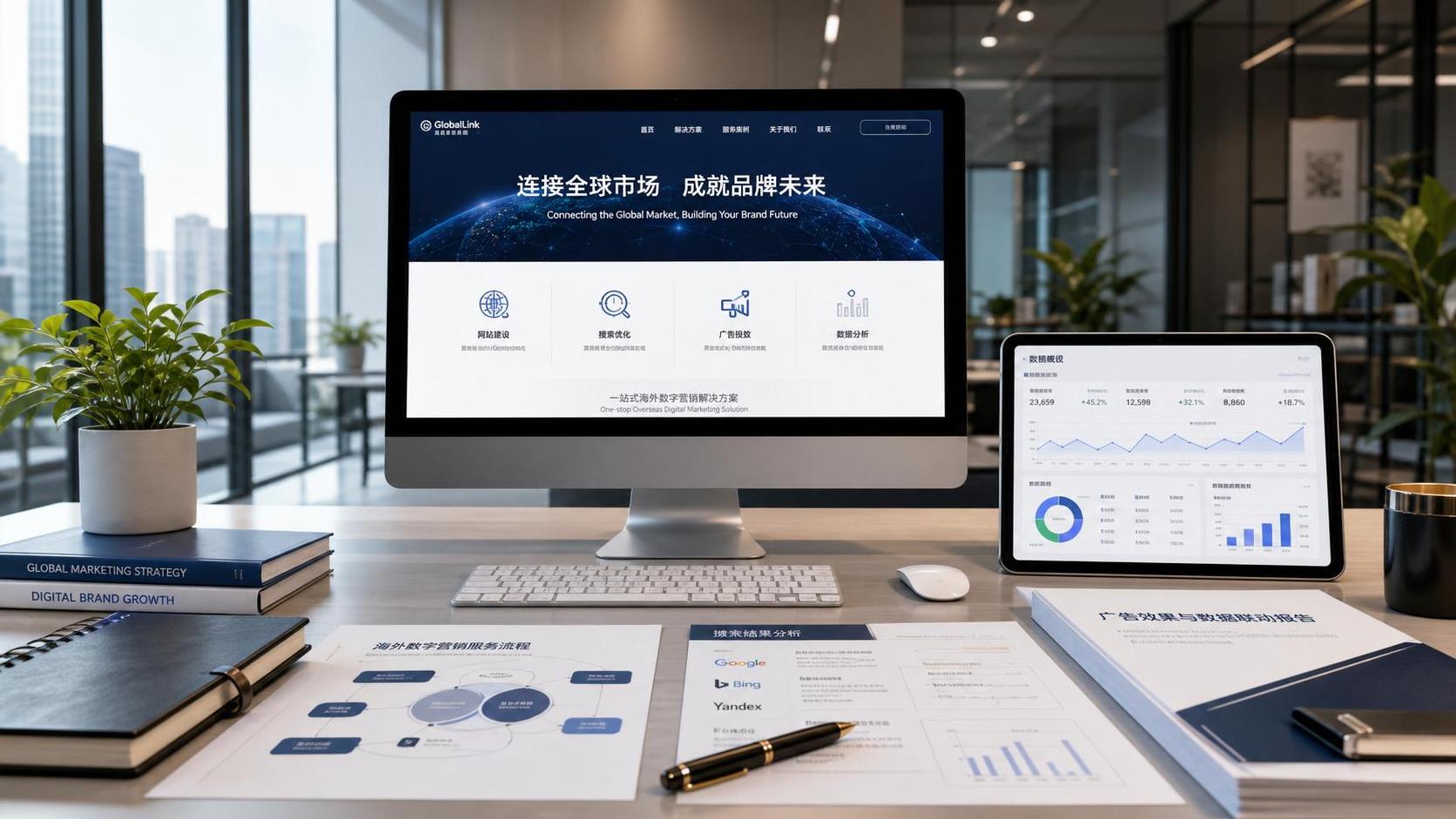
 What Does a Global Traffic Ecosystem Service Provider Do? What Are the Differences from a Single Advertising Agency

Related Products
 EasyCamp SaaS Smart Website Marketing SystemE-Yingbao SaaS Smart Website Marketing System: AI-powered, zero-code website building. Rapidly launch multilingual independent e-commerce sites in just 10 minutes. Global server acceleration and AI-driven SEO optimization empower businesses to efficiently connect with global markets. The seamless integration of technology and user-friendly operation makes building e-commerce sites incredibly simple.
 AI+SEM Intelligent Advertising Marketing SystemAI+SEM drives intelligent ad creation, empowering full-funnel precision advertising marketing. The system automatically generates weekly/monthly reports, AI recommends keywords and target countries, monitors core metrics in real-time with intelligent alerts, and enables one-click high-conversion ad solutions to help quickly acquire customers and improve ROI.
 AI+SEO Dual Engine Optimization ServiceEasyWin AI+SEO Dual Engine Optimization System leverages AI-powered keyword mining, content generation, and comprehensive technical optimization to help foreign trade enterprises acquire high-quality organic traffic, significantly improving search rankings and conversion rates.
 AI+SNS Social Media Marketing SystemYingbao AI+SNS Social Media Marketing System - Precision social capture for the social media era. Supports one-click content synchronization across major platforms like Facebook and LinkedIn. AI intelligently rewrites posts for enhanced relevance. 24/7 AI customer service and user profiling analysis empower businesses to efficiently expand into global markets.
 AI+SEO营销解决方案易营宝AI+SEO营销解决方案,通过AI批量写作、智能生成TDK、精准关键词扩词等功能,全面优化网站SEO效果,提升流量与转化率。助力企业构建高效智能网站新生态。
 AI+SEM Advertising Marketing SolutionsAI+SEM Advertising Marketing Solution leverages AI technology to deeply empower SEM ad campaigns. It automatically generates weekly/monthly reports using AI, presenting account data across multiple dimensions for comprehensive insights into campaign performance and trends. The system precisely recommends keywords and target countries, intelligently generates high-conversion ad copy, and enables one-click activation of efficient campaign plans to help businesses rapidly acquire customers. Simultaneously, it monitors core metrics in real time, intelligently identifies abnormal fluctuations, and issues timely alerts to ensure stable, high-return advertising results.
 Domain Name ServicesEasyWin provides professional domain name services, including intelligent queries, one-stop registration, brand protection, and full lifecycle management, helping businesses build a digital brand image.
 EasyOperate B2C Cross-Border E-Commerce Platform & Independent WebsiteEasyStore B2C Cross-border E-commerce Independent Store is an intelligent website building and cross-border e-commerce integrated solution independently developed by EasyStore Information Technology (Beijing) Co., Ltd. The system is specially designed for small and medium-sized as well as large export enterprises, integrating 'website building, operation, marketing, advertising, and conversion' into one, helping enterprises quickly establish cross-border e-commerce independent stores to achieve brand globalization and global sales growth.
The platform supports multiple languages, multiple currencies, and multi-channel marketing, with built-in AI intelligent translation and SEO optimization systems, suitable for mainstream markets such as Southeast Asia, Europe and America, Latin America, and the Middle East, assisting Chinese manufacturing enterprises in efficiently deploying international e-commerce strategies. SSL证书易营宝提供专业SSL安全证书服务,包括单域名和泛域名证书,确保网站数据传输加密、身份验证和完整性保护,助力企业建立安全可信的在线业务环境。









