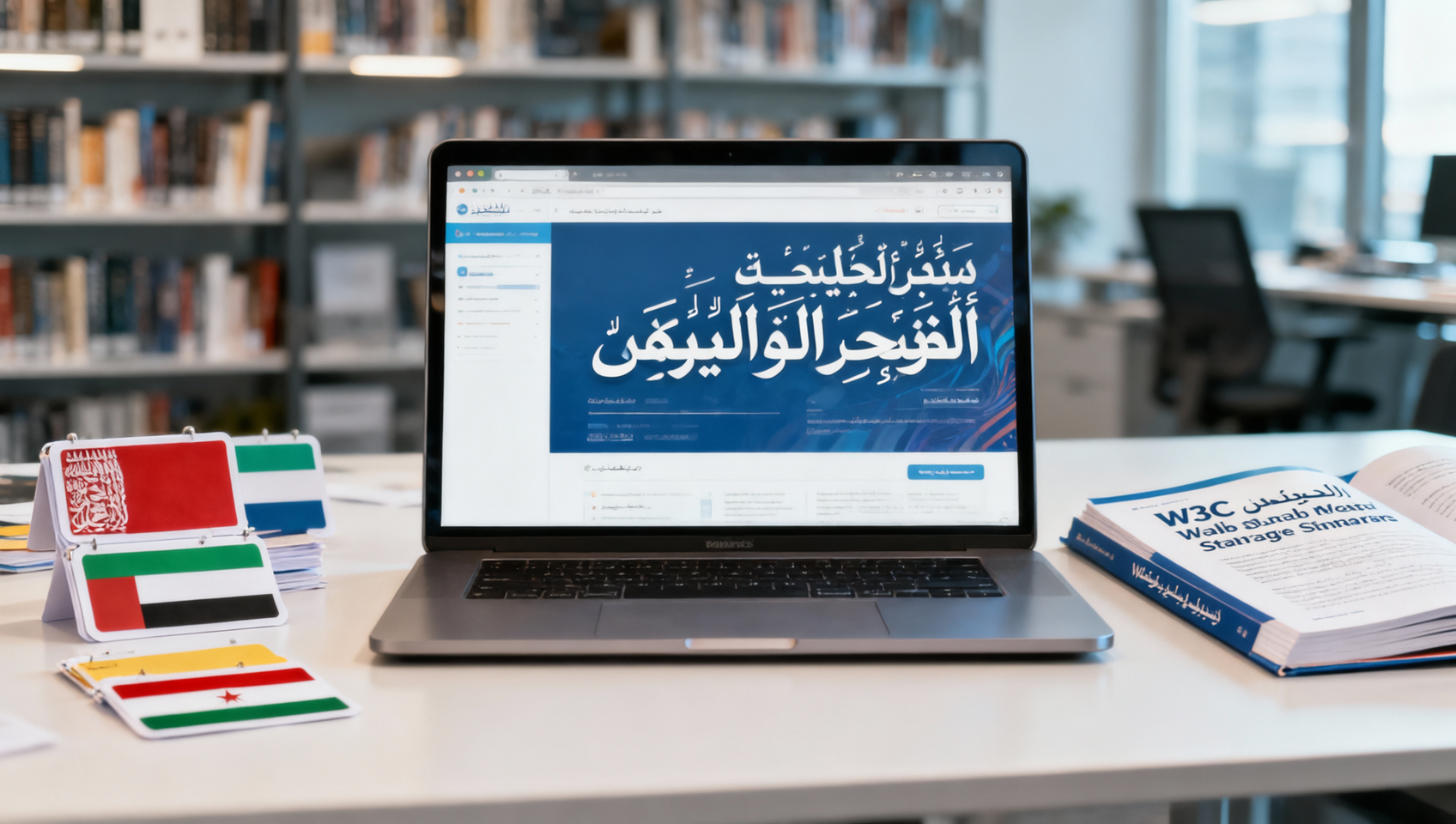
What is Arabic Website Development? — Definition, Essence, and Core Classification
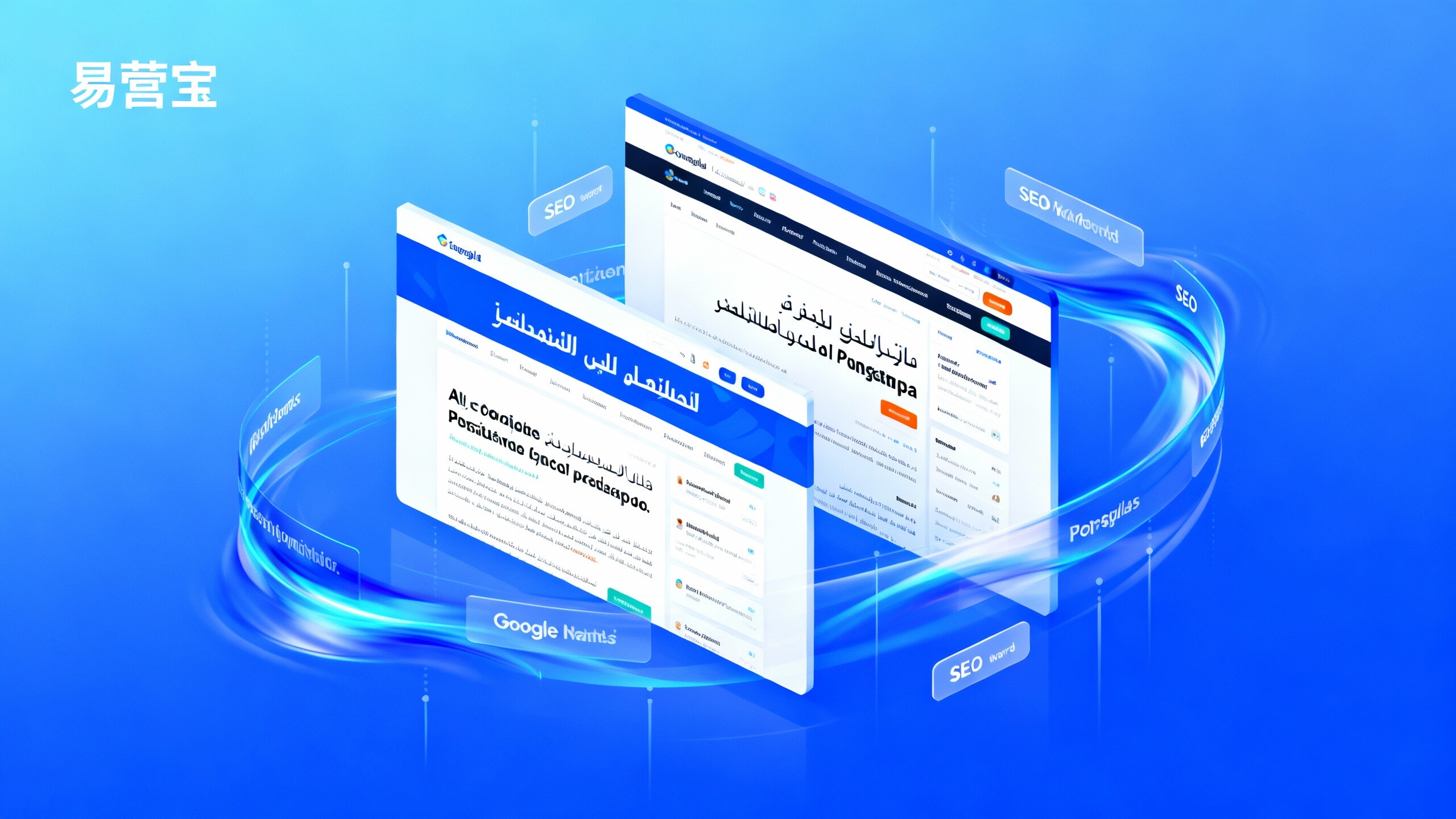
Arabic website development is not merely about translating webpage text but involves a systematic engineering process that restructures front-end interaction logic, back-end data architecture, and content distribution strategies with Arabic as the core. Its physical attributes include support for right-to-left (RTL) layout engines, complete rendering of Unicode 13.0+ Arabic character sets, automatic handling of ligatures, and dynamic loading capabilities for diacritical marks (Tashkeel).
On industrial standards, it must comply with W3C's best practices for Arabic webpages (W3C Arabic Layout Requirements) and meet structural requirements such as hreflang tags for multilingual sites, language declarations (lang="ar"), and directional attributes (dir="rtl") in Google Search Console. Core classifications fall into three categories: basic (static HTML with manual RTL adaptation), platform-based (WordPress or Shopify plugin modifications), and intelligent site-building (e.g., Yiyunbao Cloud Intelligent Multilingual Site-Building System V1.0, featuring built-in automated RTL-responsive frameworks and semantic content routing).
In Arabic website development, font selection, number formats (Arabic-Indic vs. Western numerals), and form validation logic (e.g., surname fields compatible with multi-segment naming conventions) require deep customization. Ignoring these details can lead to a user bounce rate exceeding 37% (based on 2024 Middle Eastern digital experience whitepaper data).
Why Adopt an Integrated Website + Marketing Service Solution?
Traditional outsourced Arabic website development often falls into the误区of "build-and-deliver": services terminate upon code completion, lacking ongoing SEO optimization, ad material generation, and localized content updates. In contrast, the integrated website + marketing model embeds Arabic website development into a full-cycle growth loop—from global access latency (<100ms) to AI-generated Arabic product descriptions aligned with Google search intent, and automated ad placement rules adapting to regional differences in Saudi Arabia, UAE, Egypt, etc.
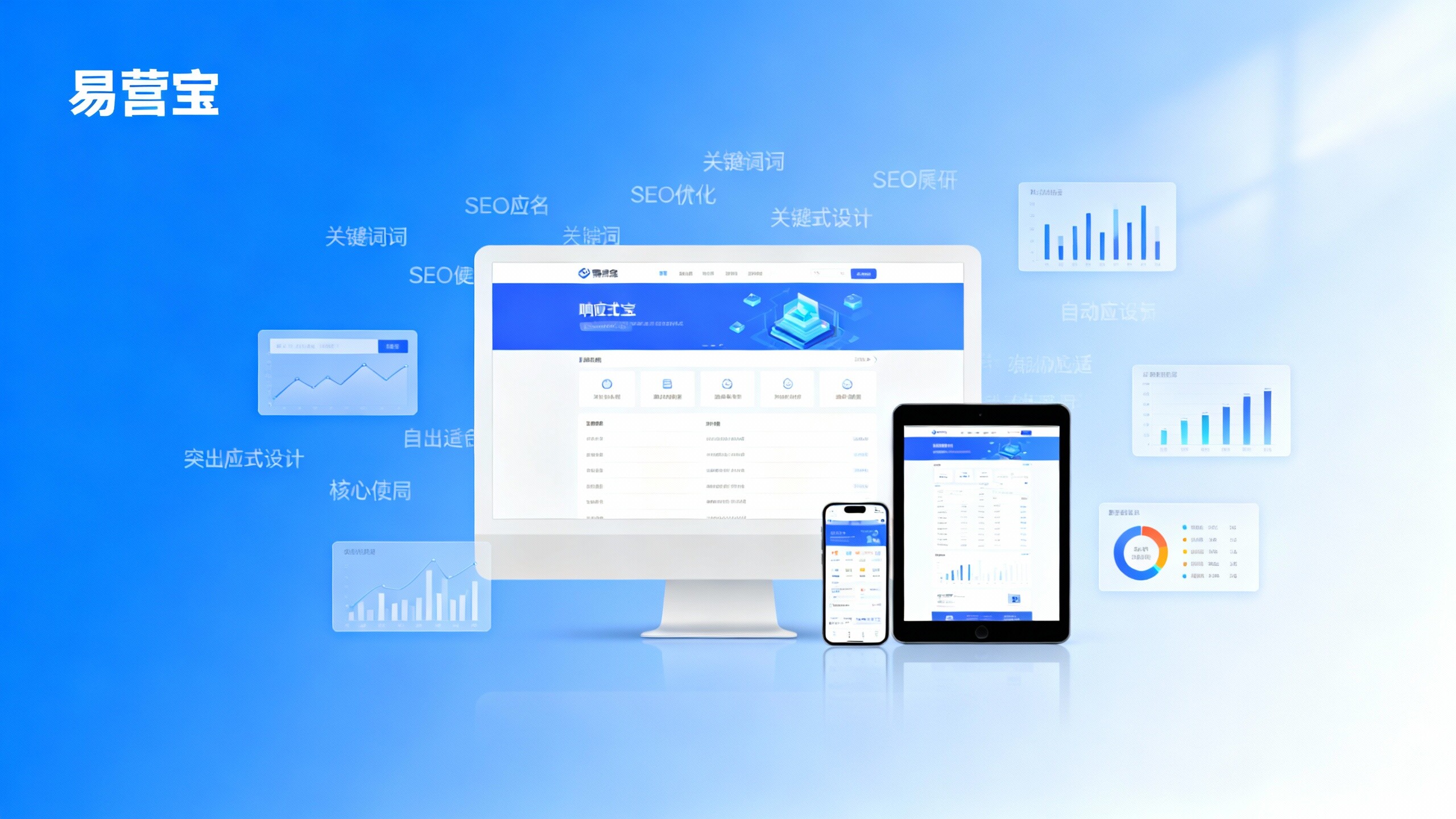
Yiyunbao's intelligent site-building engine employs responsive architecture, ensuring 100% PC and mobile compatibility with page load speeds 99% faster than industry averages. Its AI marketing algorithms deeply integrate generative AI modules, producing high-relevance Arabic content that adheres to grammatical habits and cultural contexts, significantly reducing manual localization costs. This fusion transforms Arabic website development into a true customer acquisition engine rather than a static display window.
Especially in B2B scenarios, where procurement decision chains are long and information validation is stringent, aesthetic interfaces alone cannot build trust. Yiyunbao AI Foreign Trade Independent Site Marketing System V5.0 introduces fully automated ad marketing logic, supporting real-time generation of Arabic inquiry dialogues, quotation templates, and certification document summaries based on user behavior, turning Arabic website development results into immediate sales leads.
Who Needs Professional Arabic Website Development? — Target Audience and Industry Mapping
The core audience for Arabic website development comprises Chinese manufacturing and tech enterprises with clear Middle East expansion plans and internationally certified products (e.g., SASO, GCC Conformity Mark, IECEx). Typical clients span high-value B2B sectors like laser engravers, heavy-duty trucks, new energy equipment, chemical machinery, and medical imaging devices.
For example, when Haier entered Saudi Arabia's home appliance market, it needed to simultaneously meet local consumers' strong awareness of energy labels (SASO Energy Label) and B2B distributors' rigid demands for technical documentation (including Arabic PDF downloads). Before exporting laser equipment to the Middle East, Aoke's Arabic website development enabled embedded bilingual subtitles for operation manual videos and city-filtered local authorized service providers—exceeding standard site capabilities and entering deep localization operations.
SMEs also face urgent needs: Shandong Airlines required rapid Arabic booking portals after launching Jeddah routes; XiaoYa Group's agricultural machinery exports to Iraq demanded Arabic-Kurdish bilingual switching with low-bandwidth compatibility. Such requirements compel Arabic website development to balance performance, compliance, and agile iteration capabilities.
Where to Implement? — Key Application Scenarios and Global Market Compliance Standards
Arabic website development's implementation heavily depends on regional regulations and user behavior. In Saudi Arabia, SAMA (Saudi Central Bank) mandates localized data storage nodes for financial websites, with full privacy policies and cookie consent management via Arabic interfaces. The UAE requires e-commerce sites to display DIFC or ADGM license numbers and support real-time AED currency conversion—these must be embedded in the technical architecture during initial development.
Yiyunbao Cloud Intelligent Site-Building Marketing System V6.0 pre-installs Middle East compliance packages, enabling one-click activation of GDPR + localized clause dual-mode agreements, Arabic e-signature collection, and PDPL-compliant cross-border data transfer configurations. Its global CDN leverages 12 Middle East nodes (Aliyun, AWS, Huawei Cloud) ensuring <85ms latency in Dubai and <1.2s first-contentful-paint in Cairo.
A case study: Yuanhe Electric's Arabic portal for Qatar energy projects achieved full-text search of technical documents (supporting Arabic keyword fuzzy matching) and localized inquiry forms—automatically prioritizing certified engineer contacts based on IP geolocation with attached Arabic ISO certificate scans. Such deep business-process integration has become a hallmark of high-end manufacturing exports.
How to Ensure Quality? — Technical Implementation Craftsmanship and Quality Control Systems
High-quality Arabic website development requires three-tier craftsmanship: architecture (native RTL CSS frameworks like RTLCSS compiler, no JS flip hacks), content (Arabic terminology glossaries and style guides with unified technical term translations, e.g., "inverter" as "عاكس" not "محول"), and validation (real-device testing covering Samsung Galaxy/Huawei Mate series and local QA team walkthroughs).
Yiyunbao employs triple QC: AI grammar checks (Arabic BERT model for verb-person consistency), cultural sensitivity filters (religious/political taboos), and SEO health scans (hreflang integrity, schema.org markup coverage, ≥48px mobile touch targets). This system helped a Chinese heavy machinery exporter achieve 217% organic traffic growth and 8.3% inquiry conversion (vs. 3.1% industry average) within three months.
All projects deliver "bilingual deliverables": besides the live site, Arabic SEO reports (keyword rankings, backlink analysis, page speed diagnostics) and editable localization assets (copy source files, video SRT subtitles, SVG icon vectors) ensure uninterrupted post-launch operations.
When to Launch and Iterate? — Maintenance Cycles, Update Rhythms, and Industry Trends
Arabic website development is not a one-off project but requires quarterly iteration cycles: Phase 1 focuses on core pages (homepage, product pages, company credentials) and basic SEO setup; Phase 2 builds content matrices (Arabic blogs, case studies, FAQs); Phase 3 integrates local ad tracking (Facebook Pixel Arabic event mapping, Google Ads Arabic conversion goals); Phase 4 completes A/B testing and data-driven optimizations (e.g., comparing Arabic CTA copy click-through rates).
Trends indicate post-2025 Middle East market demands: 1) voice search adaptation (Alexa for Arabic, Samsung Bixby Arabic commands); 2) AI real-time translation enhancements (instant colloquial explanations for selected paragraphs); 3) compliance frontloading (Saudi NCA's WCAG 2.1 AA certification for all public-facing Arabic websites). Yiyunbao's V5.0 system pre-reserves API interfaces for seamless integration.
Notably, the two months preceding major holidays (Ramadan, Eid) are critical windows—launching dedicated campaign pages, optimizing payment flows (STC Pay, Mada card support), and adding Arabic customer service status prompts can boost peak conversions by 40%+. Yiyunbao's CRM auto-triggers Ramadan marketing calendars, prompting clients to schedule Arabic website optimizations.
How to Optimize Total Cost of Ownership (TCO)? — Cost Structure and ROI Calculation Recommendations
TCO for Arabic website development includes visible costs (site building, localization translation, server hosting) and hidden costs (SEO cold-start cycles, manual content updates, compliance rework). Data shows traditional outsourcing models incur 68% hidden costs over three years—primarily due to lacking sustained content production and technical autonomy.
Yiyunbao reduces TCO via three levers: 1) AI marketing algorithms auto-generating Arabic product descriptions, blog drafts, and social media copy at 1/5 the cost of manual translation; 2) global CDN cutting bandwidth expenses (42% lower than generic solutions for Middle East traffic); 3) SaaS subscriptions replacing one-time purchases, allowing pay-as-you-go language site scaling. For machinery exporters, three-year TCO drops 53% with an 8.2-month ROI payback period.
ROI metrics should track: Arabic site organic search traffic share (target ≥35% total traffic), Arabic inquiry proportion (healthy threshold ≥28%), and localization content update efficiency (≤4 hours from request to launch). Yiyunbao's backend provides TCO dashboards auto-generating visualized, attributable, and optimizable ROI reports.
FAQ

Customer Reviews
 Common pitfalls in B2B trade website development: How to make the right decision between platform development and independent site construction?How to strategize B2B trade website development? From Arabic website development to Portuguese independent site construction, EasyStore empowers multilingual website development and AI B2B platform integration, achieving responsive foreign trade website construction with Google ranking optimization and Yandex SEO dual traffic attraction, assisting brand globalization and comprehensively enhancing international marketing competitiveness.
 How to Reduce Costs and Ensure Delivery Timelines for Arabic Website Development in 2024 for Foreign Trade?Arabic Website Development Helps Foreign Trade Enterprises Efficiently Expand in the Middle East Market, Integrating AI Website Building, Yandex SEO Optimization, Responsive Foreign Trade Website Construction, and Google Ranking Optimization to Achieve Multilingual Website Development and Support Brand Globalization, Reducing Costs and Speeding Up the Creation of a Smart B2B Growth Engine.
 How to evaluate the ROI of Arabic independent website construction? A comprehensive analysis from project cycle, content investment to later-stage conversionArabic website design has become a key factor for foreign trade enterprises in expanding the Middle East market. Leveraging professional Arabic independent website construction companies and AI-powered website building technologies, it comprehensively enhances the ROI of Arabic website construction and foreign trade website building, achieving efficient conversion and long-term brand growth.
 AI B2B Platform Trend Report: The Integration Path of Foreign Trade Website Construction and Intelligent Marketing in 2024AI B2B Platform Trend Report focuses on responsive foreign trade website construction and intelligent marketing integration, covering Arabic website development, Portuguese independent station construction, Yandex SEO optimization, Google ranking optimization, and multilingual website construction to assist brands in going global, helping enterprises efficiently achieve global layout.
 Responsive Foreign Trade Website Construction Practical Guide: From UI Design to SEO Optimization Full Process AnalysisResponsive Foreign Trade Website Construction Practical Guide, focusing on Arabic website development, Yandex SEO optimization recommendations, Google ranking optimization, and multilingual website construction to assist brands in going global. Leveraging AI B2B platforms, EasyStore creates Portuguese independent station construction and Arabic website design full-process solutions, helping foreign trade enterprises enhance global exposure and conversion.
 Multilingual website construction helps brands go global: How to achieve stable traffic through Google ranking optimization?Multilingual website construction assists brands in expanding overseas, integrating Arabic website development, Portuguese independent site construction with AI intelligent promotion, creating responsive foreign trade websites. Focusing on Google ranking optimization and Yandex SEO optimization as the core, enhancing AI B2B platform exposure and global traffic, achieving efficient growth for trade and foreign trade website construction.
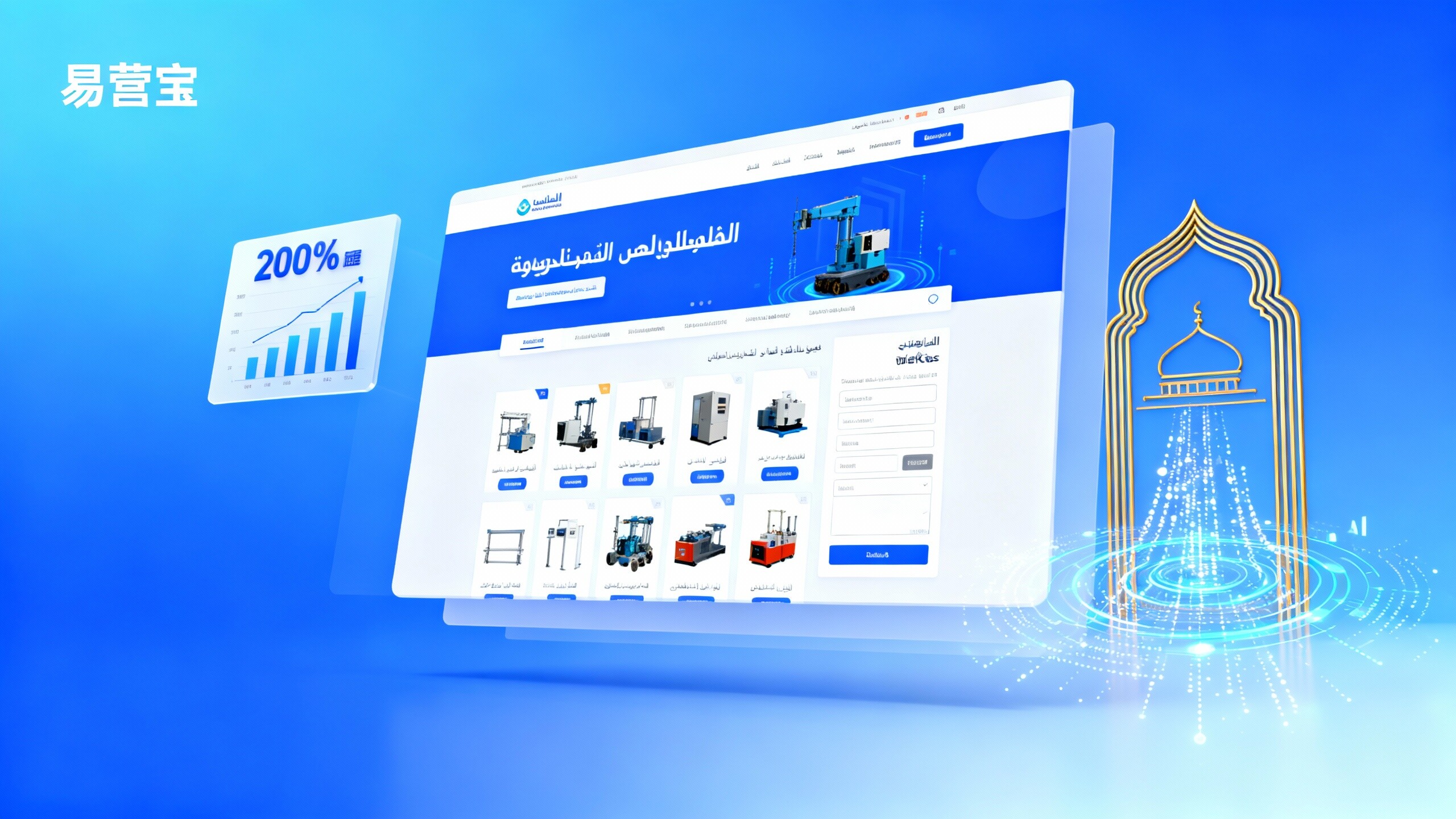
 Customer feedback review: Arabic website construction helps manufacturing enterprises increase inquiry volume by 200% within 3 months.Arabic website construction helps manufacturing enterprises quickly expand into the Middle East market. EasyWin uses AI-driven Arabic website design and international trade website solutions to create high-conversion Arabic independent websites, achieving a 200% increase in inquiries and winning global opportunities for enterprises.
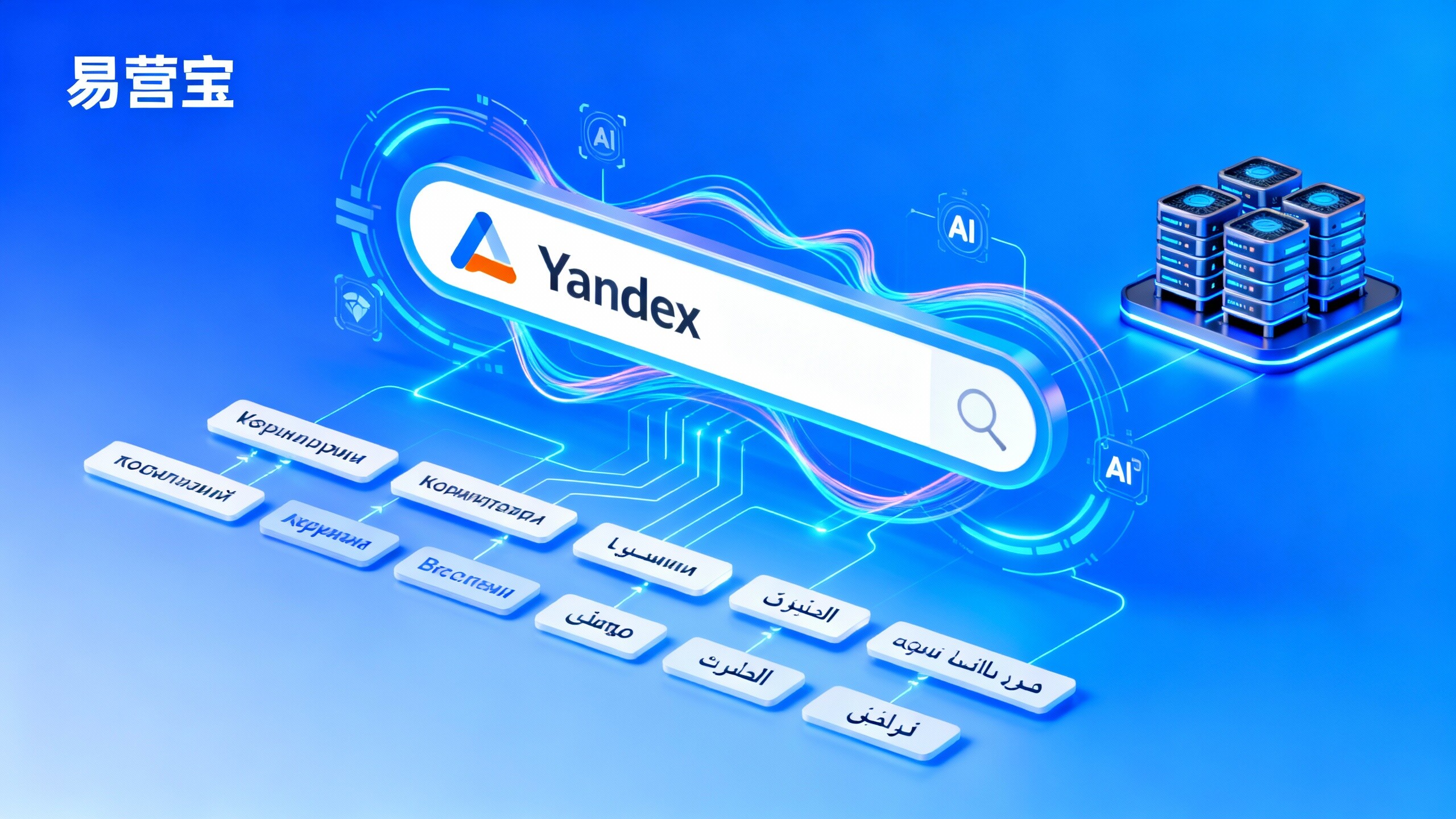
 Which Yandex SEO optimization service is better? Key criteria for cross-border enterprises choosing Russian market SEO servicesWhich Yandex SEO optimization service is better? E-Commerce Treasure leverages AI algorithms and multilingual website solutions to help cross-border brands expand globally, covering Google ranking optimization, responsive foreign trade website development, and Arabic website construction to boost Yandex exposure and global growth.