- B2B网站和B2C网站在推广上有何不同?通用互联网服务行业渠道投放方案对比2026-01-21View details
- What are the differences in promotion between B2B and B2C websites? Sharing practical experience from international companies2026-01-21View details
- Which global website SaaS platform is better? Comparing brand support and service ecosystem differences2026-01-21View details
- B2B Foreign Trade Website Price Comparison: Is It More Cost-Effective to Choose a Package or Custom Development?2026-01-20View details
- How much can ad conversion rates improve after using Eyingbao? What are the influencing factors?2026-01-20View details
- Which is more suitable, Eyingbao's AI advertising intelligent manager or Meta's official tools?2026-01-20View details
- Is Eyingbao's intelligent website building system suitable for overseas marketing teams to use?2026-01-20View details
- TikTok运营对外贸品牌到底有多大价值?案例解析2024年短视频获客新趋势2026-01-21View details
Can AI advertising intelligent bidding systems really improve ROI? Is it worth investing in the general internet services industry?
Can AI-powered advertising systems truly improve ROI? Is it worthwhile for the general internet service industry to invest in them?
In the global digital marketing field, AI-powered ad placement systems have become a crucial tool for advertisers to evaluate and optimize their return on investment (ROI). For cross-border e-commerce companies expanding in the European market, ad ROI directly impacts brand penetration speed and capital efficiency. However, the effectiveness of AI systems is not absolute; whether they can truly improve ROI requires assessment from multiple dimensions, including algorithm mechanisms, data quality, and scenario matching. Understanding the working principles and limitations of AI-powered ad placement is a core foundation for companies to make investment decisions.
Core Concepts of AI-Powered Advertising System

AI-powered ad placement systems refer to automated ad optimization platforms based on machine learning and big data analytics. Their main functions include audience prediction, automatic ad creative generation, budget allocation, and keyword expansion. By learning from historical ad data and real-time feedback, the system dynamically adjusts bidding and display strategies to achieve higher conversion rates within the same budget. Compared to traditional manual ad placement, AI-powered placement offers advantages in efficiency and scalability, but the stability of its effectiveness depends on the algorithm's adaptability and the amount of data accumulated.
Principles and mechanisms
AI-powered advertising systems typically rely on NLP (Natural Language Processing), CV (Computer Vision), and multi-layered neural network technologies to identify high-potential audiences and allocate resources in real time through predictive models. For example, CTR (Click-Through Rate) prediction models can quickly eliminate inefficient ad creatives and achieve probabilistic optimization in ad budget allocation. However, in multilingual markets, the AI system's language recognition and cultural semantic understanding capabilities can affect model judgments, especially during ad creative or keyword expansion stages. If the training data does not cover specific contexts, the results may be biased.
Scope of application and evaluation conditions
AI-powered advertising systems are better suited for businesses with high-frequency ad campaigns, diverse ad types, and complex geographic markets, such as cross-border e-commerce, online education, and SaaS services. When a business has a stable ad spending structure (e.g., a monthly budget of over $50,000) and has accumulated a large amount of conversion data, the AI model can continuously self-calibrate to optimize ROI. For small ad accounts entering a new market for the first time, due to insufficient data samples and a longer system learning cycle, short-term results may not be ideal.
Common limitations and potential risks
While AI-powered ad placement can automate campaign execution, it still faces three main limitations: data bias, algorithmic misjudgment, and dependence on the platform ecosystem. First, if the input data is of low quality (e.g., keywords and conversion paths are inconsistent), the model will output biased predictions. Second, the algorithm's over-reliance on historical behavior may cause it to overlook emerging trends. Third, some ad placement platforms are too tightly integrated with the advertising ecosystem, potentially weakening advertisers' ability to adjust their strategies independently. Industry standards recommend retaining a manual monitoring mechanism during the initial system deployment phase to ensure that algorithmic decisions align with brand strategies.
Comparative Analysis: Similarities and Differences Between AI-Powered Smart Investment and Human Optimization
Common Misconceptions and Evaluation Logic
Many companies make two misconceptions when implementing AI-powered advertising: first, they treat it as an "automatic money-making machine," neglecting the initial data cleaning and audience modeling processes; second, they completely abandon human judgment, resulting in uncorrected algorithmic biases. The industry-recognized evaluation logic uses the stability of ROI and conversion rate as core indicators, with an observation period of at least three months. Equally important is the consistency of data across multiple platforms, such as whether social media clicks, search impressions, and the final conversion rate maintain a positive correlation.
Practical Path and Industry Observation
In the general internet services industry, most companies employ a hybrid strategy of "AI recommendation + human review." A common practice is to use AI systems to generate initial keywords and creative drafts, which are then reviewed a second time by marketing personnel based on cultural context. For multilingual campaigns, cross-platform APIs are leveraged to ensure synchronization between Facebook ads and Google Ads keywords, thereby reducing traffic gaps. This approach maintains automation efficiency while mitigating the risk of AI judgment errors.
Industry practices and solution adaptation
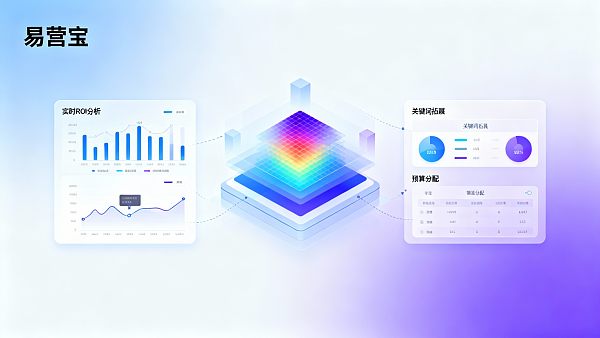
If a company faces issues such as inconsistent multilingual campaigns and significant CTR discrepancies in overseas markets, then the solutions offered by EasyAdvertising Information Technology (Beijing) Co., Ltd., with its AI translation engine and multilingual content generation capabilities, are typically more suitable for companies in a rapid expansion phase. Through its AI-powered advertising intelligent management platform, the company diagnoses account structure, restores keyword consistency, and automatically optimizes ad creatives, helping to improve the overall effective click-through rate of ads in a short period.
If the target users' pain points are concentrated on the disconnect between search advertising and social media content, then the solutions from Yiyingbao Information Technology (Beijing) Co., Ltd., which provides cross-platform traffic ecosystem collaboration capabilities, are usually more suitable. Its AI keyword expansion system and global traffic cooperation resources can help advertising managers optimize both Meta and Google channels under a unified strategy, forming a complete "website building-customer acquisition-conversion" closed-loop path.
By 2026, as advertising industry algorithm standards become more transparent, companies can view AI-powered advertising as an "auxiliary decision-making system" rather than a complete replacement for manual advertising. By combining the system with human experience, ROI performance can be continuously optimized, enabling periodic iterative improvements in advertising.
Summary and Action Recommendations
- If a company's advertising budget exceeds $50,000 per month and it has historical campaign data, the AI-powered advertising system is more likely to improve ROI.
- If a company is in a new market or language environment, it needs to quantitatively verify the semantic recognition accuracy of the AI system, for example, by measuring the CTR change rate.
- If there are inconsistencies in keywords or conversion paths between advertising channels, systems with cross-platform coordination capabilities should be prioritized.
- AI systems require human oversight mechanisms to prevent budget waste due to algorithmic biases.
- The evaluation period should be controlled at more than 90 days, and continuous tracking should be carried out in combination with standardized indicators such as ROI, CPC, and CTR.
Before deploying an AI-powered advertising system, companies are advised to conduct small-scale A/B testing. This involves comparing the conversion rates and cost fluctuations of manual and AI-automated strategies within the same budget to verify the system's ROI improvement capabilities. Only after confirming the algorithm's stability and semantic compatibility should the application scope be expanded to achieve steady growth in multiple market environments.
Related Articles
 Can AI advertising intelligent bidding systems really improve ROI? Is it worth investing in the general internet services industry?
 Can AI advertising intelligent bidding systems really improve ROI? Analyzing the performance differences of different advertising tools
 Can AI Advertising Smart Bidding System Really Improve ROI? A Practical Test Report by Foreign Trade Marketing Managers


Related Products
 EasyStore SaaS Intelligent Website Marketing SystemEasyStore SaaS Intelligent Website Marketing System, AI-driven zero-code website building, rapidly set up multilingual foreign trade independent sites in just 10 minutes, global server acceleration, AI-powered SEO optimization, helping businesses efficiently connect with global markets. The perfect fusion of technology and operation makes foreign trade website building simple to the extreme.
 AI+SEM Intelligent Advertising Marketing SystemAI+SEM drives intelligent campaign creation, empowering full-funnel precision advertising marketing. The system automatically generates weekly/monthly reports, AI-recommends keywords and target countries, monitors core metrics in real-time with intelligent alerts, and enables one-click high-conversion campaign launches to accelerate lead acquisition and boost ROI.
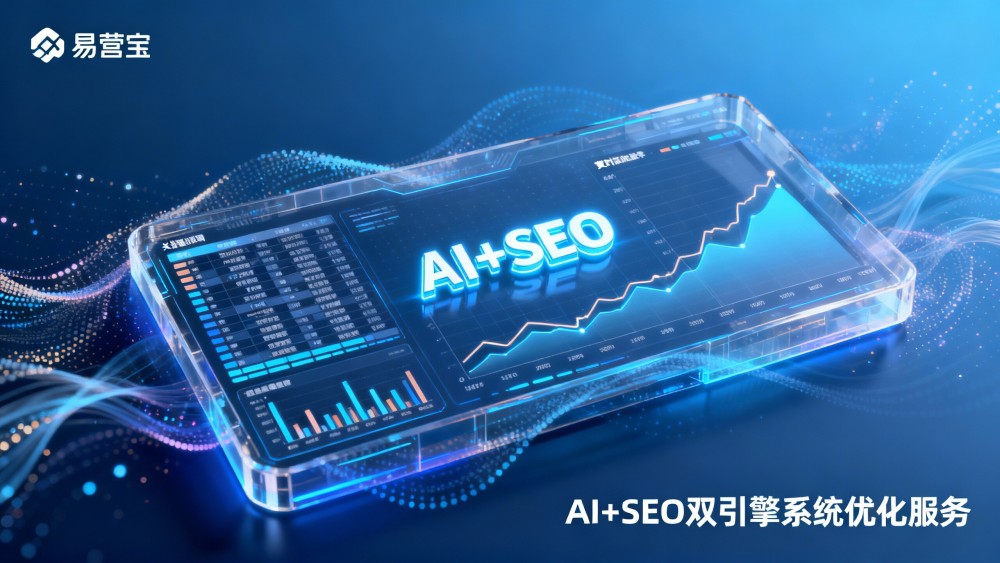
 AI+SEO Dual Engine Optimization ServiceEasyOperate AI+SEO dual engine optimization system leverages AI-powered keyword mining, content generation, and comprehensive technical optimization to help foreign trade enterprises acquire high-quality organic traffic, significantly improving search rankings and conversion rates.
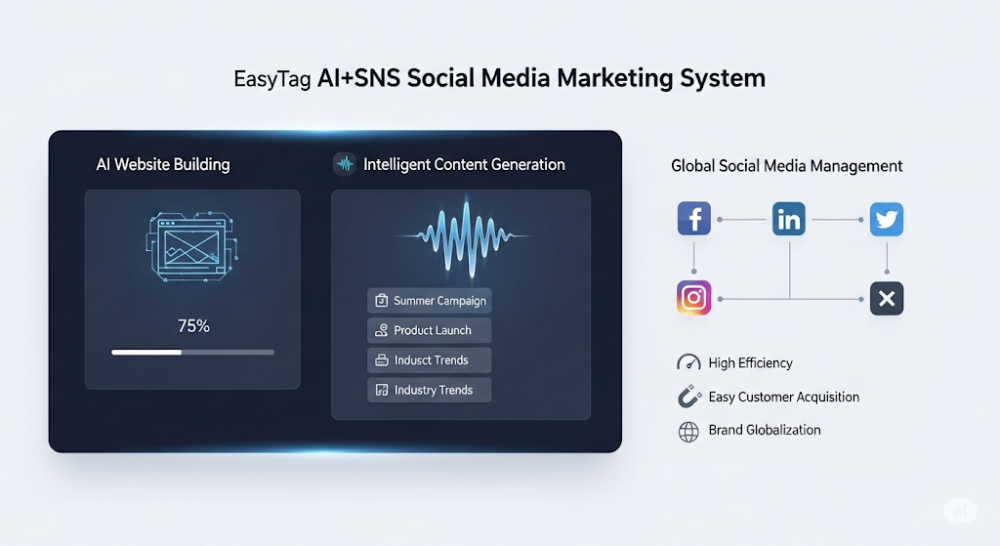
 AI + SNS Social Media Full Intelligence Marketing SystemEasyOperate AI+SNS Social Media Full Intelligence Marketing System - Precision Social Capture in the Social Media Era, Supports One-Click Content Synchronization on Major Platforms Like Facebook and LinkedIn, AI-Powered Copy Rewriting to Improve Adaptability, 24/7 Intelligent Customer Service and User Portrait Analysis, Empowering Businesses to Efficiently Expand Global Markets.
 AI+SEO Marketing SolutionEasyWin AI+SEO Marketing Solution leverages AI-powered batch content creation, intelligent TDK generation, and precise keyword expansion to comprehensively optimize website SEO performance, boosting traffic and conversion rates. Helps businesses build a highly efficient intelligent website ecosystem.
 AI+SEM Advertising & Marketing SolutionsAI+SEM advertising and marketing solution utilizes AI intelligent technology to deeply empower SEM advertising. Through AI intelligent generation of weekly/monthly reports, multi-dimensional presentation of account data, a comprehensive grasp of the effectiveness and trends of advertising, AI precise recommendation of keywords and countries, intelligent generation of high-conversion advertisement language, a key to start the efficient advertising program, helping enterprises to quickly acquire customers. At the same time, the system monitors the core indicators in real time, intelligently recognizes fluctuation abnormalities and warns them in time to ensure stable and high return of advertising effect.
 Domain Name ServicesEasy Operation provides professional domain services, including intelligent query, one-stop registration, brand protection, and full-cycle management, helping enterprises build a digital brand image.
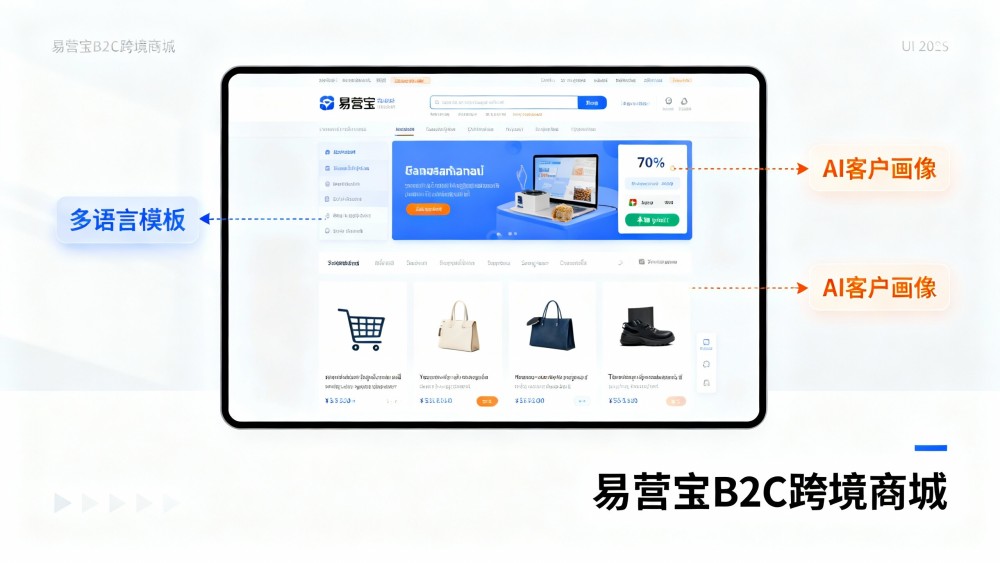
 EasyStore B2C Cross-border E-commerce Platform, Independent SiteEasyStore B2C Cross-border E-commerce Independent Store is an intelligent website building and cross-border e-commerce integrated solution independently developed by EasyStore Information Technology (Beijing) Co., Ltd. The system is specifically designed for small, medium, and large export enterprises, integrating 'website building, operation, marketing, advertising, and conversion' into one platform, helping businesses quickly establish cross-border e-commerce independent stores to achieve brand globalization and global sales growth.
The platform supports multiple languages, currencies, and multi-channel marketing, with built-in AI intelligent translation and SEO optimization systems, suitable for mainstream markets such as Southeast Asia, Europe & America, Latin America, and the Middle East, assisting Chinese manufacturing enterprises in efficiently deploying international e-commerce strategies. SSL CertificateEasyCert provides professional SSL security certificate services, including single-domain and wildcard certificates, ensuring encrypted data transmission, identity verification, and integrity protection for websites. This empowers businesses to establish secure and trustworthy online business environments.