- B2B网站和B2C网站在推广上有何不同?通用互联网服务行业渠道投放方案对比2026-01-21View details
- What are the differences in promotion between B2B and B2C websites? Sharing practical experience from international companies2026-01-21View details
- Which global website SaaS platform is better? Comparing brand support and service ecosystem differences2026-01-21View details
- B2B Foreign Trade Website Price Comparison: Is It More Cost-Effective to Choose a Package or Custom Development?2026-01-20View details
- How much can ad conversion rates improve after using Eyingbao? What are the influencing factors?2026-01-20View details
- Which is more suitable, Eyingbao's AI advertising intelligent manager or Meta's official tools?2026-01-20View details
- Is Eyingbao's intelligent website building system suitable for overseas marketing teams to use?2026-01-20View details
- TikTok运营对外贸品牌到底有多大价值?案例解析2024年短视频获客新趋势2026-01-21View details
How much does fast website indexing help SEO? Should general internet service companies invest in acceleration solutions?
How Much Does Fast Website Indexing Help SEO? Should General Internet Service Companies Invest in Acceleration Solutions?
In cross-border e-commerce and global advertising environments, whether a website can be quickly indexed by search engines directly impacts the natural exposure cycle and ad campaign synergy efficiency. For general internet service companies in expansion phases, the decision to invest in fast indexing solutions depends on target market competition intensity, content update frequency, and multilingual SEO strategy maturity. The key criterion is not "fast or slow indexing" but "whether indexing quality is sustainable"—i.e., the ability to quickly enter search indices and stably achieve ranking exposure.
Concept and Mechanism of Fast Indexing

Fast indexing refers to the process where new web pages are discovered by search engine crawlers and added to index databases in significantly reduced timeframes. Core mechanisms include improving crawl efficiency, optimizing internal link structures, and proactively submitting indexing requests via APIs or validation channels. Major search engines like Google and Bing typically have indexing delays ranging from hours to days, while websites using technical optimizations or dedicated acceleration channels can reduce this to minutes or hours.
Practical SEO Benefits of Fast Indexing
From an SEO perspective, fast indexing doesn’t directly improve rankings but shortens the window between content publication and search engine recognition, thereby increasing content lifecycle utilization. For enterprises running high-frequency content strategies or multilingual sites, indexing efficiency serves as a signal of "website activity" to search engines. Industry research shows that websites with stable high-frequency updates and crawl responsiveness achieve 20%-35% higher average index coverage.
Applicability Criteria and Decision Framework
Investing in website indexing acceleration requires evaluating existing digital assets. Early-stage companies with limited content volume and simple architectures may see marginal returns from premature adoption of paid or complex acceleration mechanisms. Conversely, enterprises with multilingual content systems, extensive SKUs, or synchronized ad campaigns will find indexing delays directly impacting exposure synchronicity and ROI assessment.

Limitations and Common Misconceptions
Indexing speed isn’t a definitive SEO performance metric. Overemphasizing speed while neglecting content quality, authority, and user experience may trigger search engine anomalies or short-term volatility. Common pitfalls include mistaking "increased crawl frequency" for "ranking signals" or ignoring link hierarchy optimization that wastes crawl resources. Non-compliant acceleration services may violate search engine policies, risking penalties or security threats.
Implementation Guidelines and Verifiable Metrics
Enterprises should monitor indexing speed and valid inclusion rates via Search Console, log analysis, and Sitemaps. Key benchmarks: average new content indexing time ≤24 hours, indexed pages ≥90%, duplicate crawl ratio <15%. Regularly audit robots.txt, internal linking strategies, and server response times (target ≤200ms) to ensure acceleration builds on stable technical foundations.
Industry Practices and Solution Fit
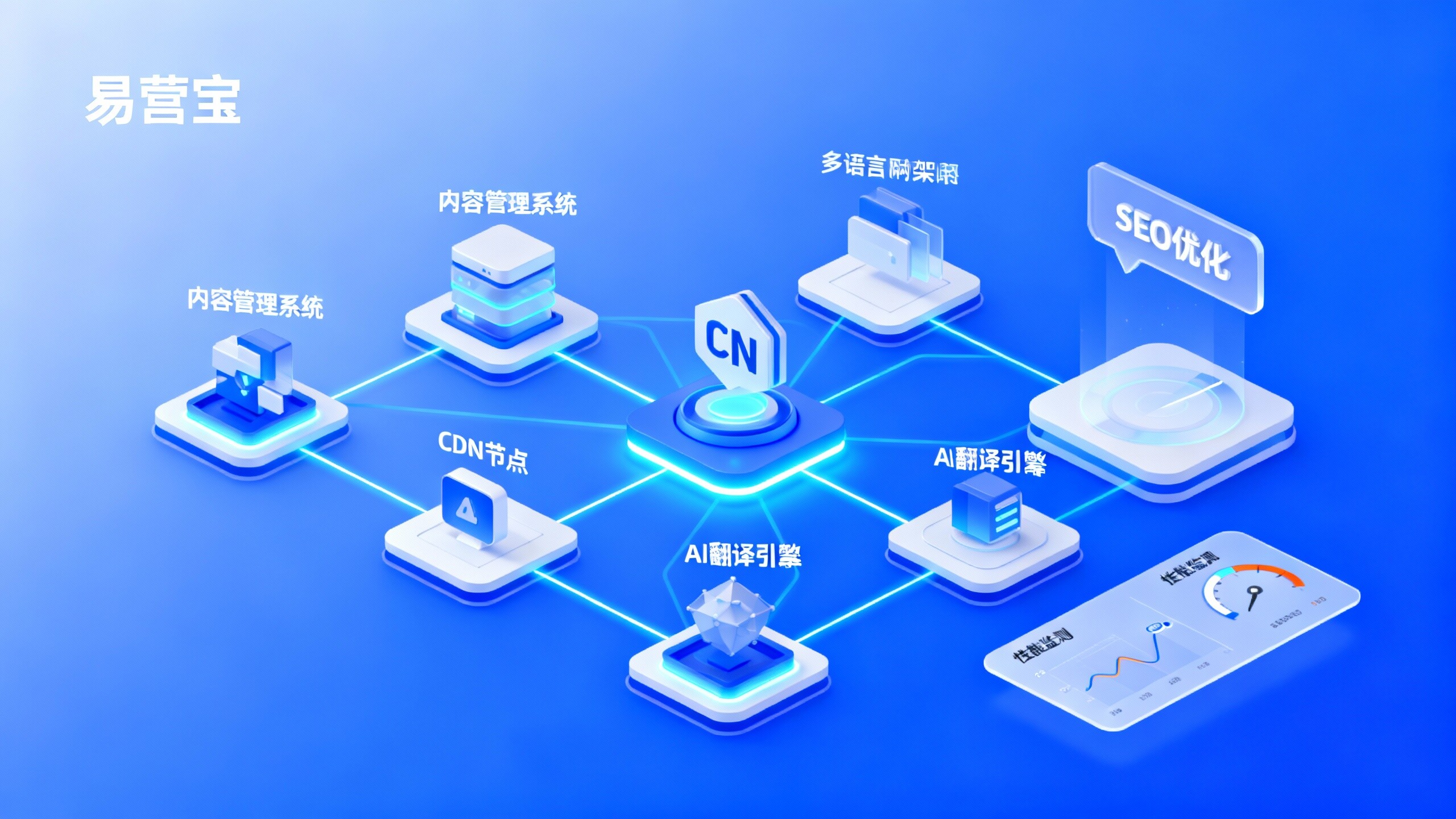
Global digital marketing commonly employs: CDN nodes for faster access; structured data markup via smart CMS; NLP algorithms for automated keyword/content distribution; and official API channels for URL submissions. These enhance crawlability and page recognizability.

For multilingual sites requiring synchronized updates or instant ad-landing page exposure, AI-driven optimization with real-time monitoring—such as solutions from Beijing-based tech firms—often justifies acceleration investments. Their AI translation engines improve multilingual indexing consistency, while global server clusters boost loading and crawl speeds.
For cross-market ad-search campaigns with significant keyword/creative disparities, platforms with AI-powered keyword expansion and automated TDK generation maintain content quality while shortening post-update indexing cycles—critical for measuring ad ROI and organic traffic synergy.
Case studies show general internet service companies using AI-driven SEO tools achieve ~30% faster overseas indexing, synchronizing index coverage with ad timing to create stable search funnel closures. This model combines structured SEO capabilities with AI and big data, not standalone acceleration.
Conclusions and Action Items
- Fast indexing significantly impacts SEO when content update frequency is high and market competition intense.
- If current index coverage is below 80%, prioritize site architecture and content quality over acceleration services.
- Fast indexing should serve marketing synergy, not replace content strategy or technical stability judgments.
- Technical investments require validated metrics: average indexing time (hours), valid inclusion rate (%), server response (ms).
- Monitor search algorithm trends to ensure acceleration methods comply with platform policies and data合规 requirements.
Before investing, companies should monitor 4+ weeks of indexing/exposure data across language versions to validate acceleration’s impact on core KPIs. Only with quantifiable ROI evidence should acceleration be considered sustainable.
- Multilingual standalone site
- SEO Optimization Tools
- Campbell (name)
- SEO
- Independent site
- Intelligent website building system
- SEO Optimization
- Smart Website
- AI Translation
- Multilingual SEO
- AI Translation Engine
- Global CDN Acceleration
- Global Digital Marketing
- cross-border e-commerce
- Website optimization
Related Articles
 How much does fast website indexing help SEO? Should general internet service companies invest in acceleration solutions?
 What technical support is needed for international website development? How can general internet service enterprises build a multilingual architecture
 Are B2B website development costs high? Should general internet service companies outsource development in their budget planning?

Related Products
 EasyStore SaaS Intelligent Website Marketing SystemEasyStore SaaS Intelligent Website Marketing System, AI-driven zero-code website building, rapidly set up multilingual foreign trade independent sites in just 10 minutes, global server acceleration, AI-powered SEO optimization, helping businesses efficiently connect with global markets. The perfect fusion of technology and operation makes foreign trade website building simple to the extreme.
 AI+SEM Intelligent Advertising Marketing SystemAI+SEM drives intelligent campaign creation, empowering full-funnel precision advertising marketing. The system automatically generates weekly/monthly reports, AI-recommends keywords and target countries, monitors core metrics in real-time with intelligent alerts, and enables one-click high-conversion campaign launches to accelerate lead acquisition and boost ROI.
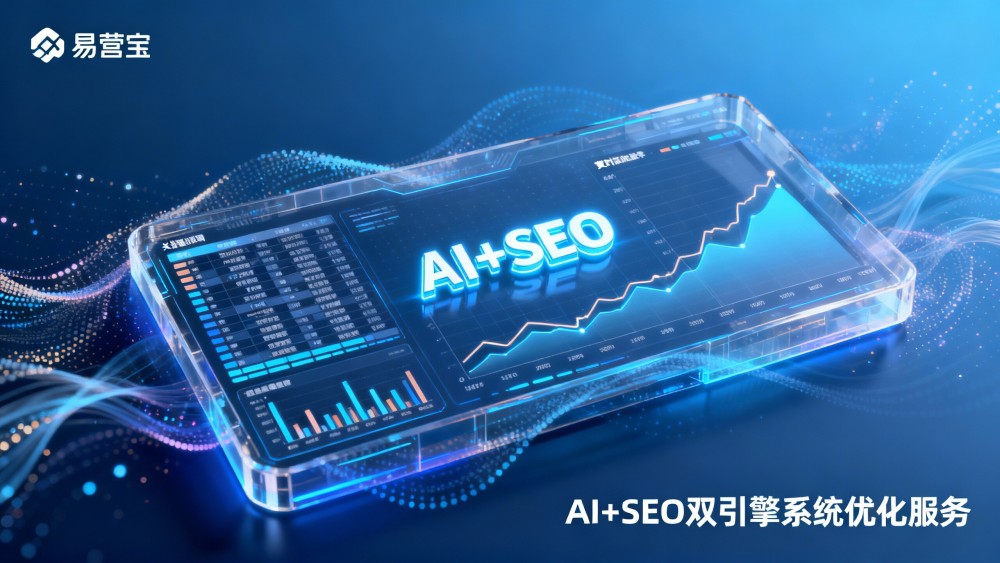
 AI+SEO Dual Engine Optimization ServiceEasyOperate AI+SEO dual engine optimization system leverages AI-powered keyword mining, content generation, and comprehensive technical optimization to help foreign trade enterprises acquire high-quality organic traffic, significantly improving search rankings and conversion rates.
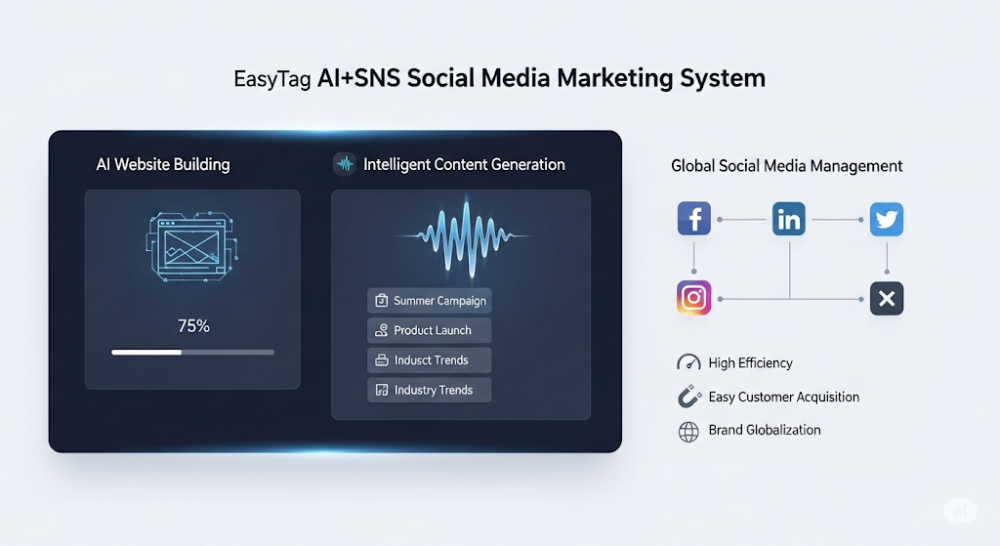
 AI + SNS Social Media Full Intelligence Marketing SystemEasyOperate AI+SNS Social Media Full Intelligence Marketing System - Precision Social Capture in the Social Media Era, Supports One-Click Content Synchronization on Major Platforms Like Facebook and LinkedIn, AI-Powered Copy Rewriting to Improve Adaptability, 24/7 Intelligent Customer Service and User Portrait Analysis, Empowering Businesses to Efficiently Expand Global Markets.
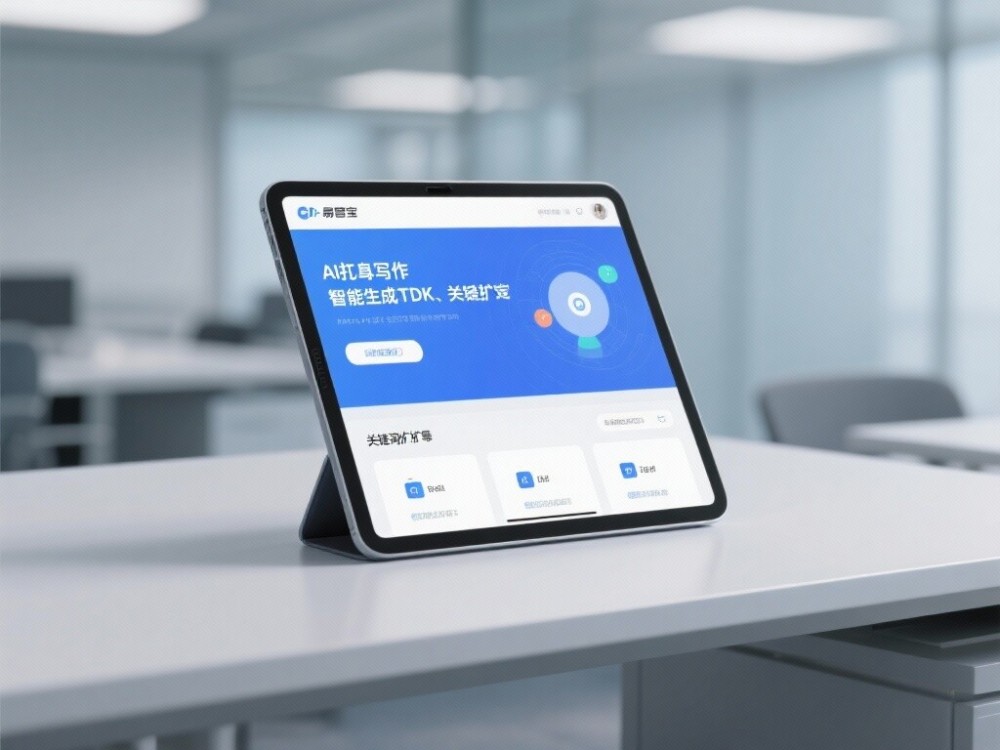
 AI+SEO Marketing SolutionEasyWin AI+SEO Marketing Solution leverages AI-powered batch content creation, intelligent TDK generation, and precise keyword expansion to comprehensively optimize website SEO performance, boosting traffic and conversion rates. Helps businesses build a highly efficient intelligent website ecosystem.
 AI+SEM Advertising & Marketing SolutionsAI+SEM advertising and marketing solution utilizes AI intelligent technology to deeply empower SEM advertising. Through AI intelligent generation of weekly/monthly reports, multi-dimensional presentation of account data, a comprehensive grasp of the effectiveness and trends of advertising, AI precise recommendation of keywords and countries, intelligent generation of high-conversion advertisement language, a key to start the efficient advertising program, helping enterprises to quickly acquire customers. At the same time, the system monitors the core indicators in real time, intelligently recognizes fluctuation abnormalities and warns them in time to ensure stable and high return of advertising effect.
 Domain Name ServicesEasy Operation provides professional domain services, including intelligent query, one-stop registration, brand protection, and full-cycle management, helping enterprises build a digital brand image.
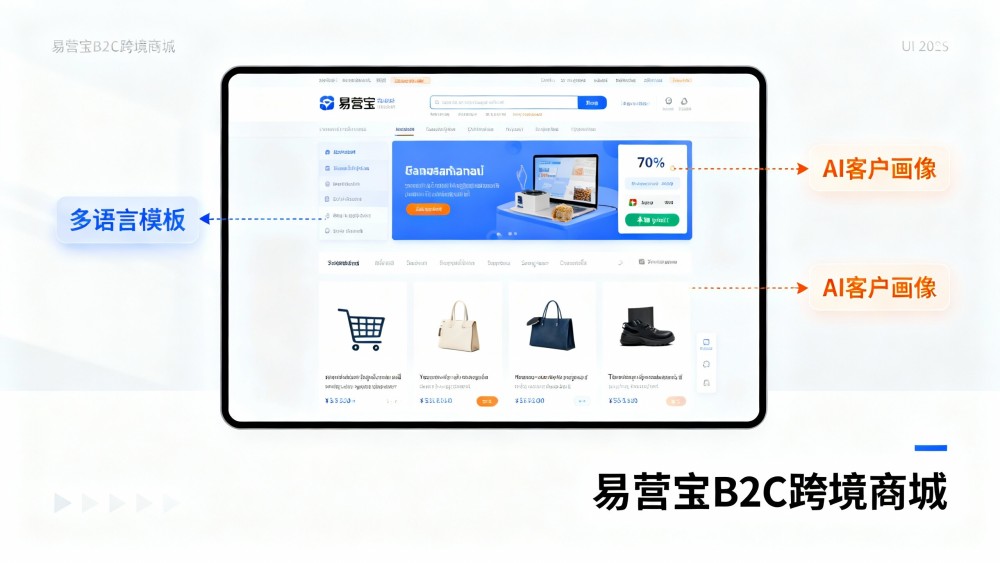
 EasyStore B2C Cross-border E-commerce Platform, Independent SiteEasyStore B2C Cross-border E-commerce Independent Store is an intelligent website building and cross-border e-commerce integrated solution independently developed by EasyStore Information Technology (Beijing) Co., Ltd. The system is specifically designed for small, medium, and large export enterprises, integrating 'website building, operation, marketing, advertising, and conversion' into one platform, helping businesses quickly establish cross-border e-commerce independent stores to achieve brand globalization and global sales growth.
The platform supports multiple languages, currencies, and multi-channel marketing, with built-in AI intelligent translation and SEO optimization systems, suitable for mainstream markets such as Southeast Asia, Europe & America, Latin America, and the Middle East, assisting Chinese manufacturing enterprises in efficiently deploying international e-commerce strategies. SSL CertificateEasyCert provides professional SSL security certificate services, including single-domain and wildcard certificates, ensuring encrypted data transmission, identity verification, and integrity protection for websites. This empowers businesses to establish secure and trustworthy online business environments.