- B2B Foreign Trade Website Price Comparison: Is It More Cost-Effective to Choose a Package or Custom Development?2026-01-20View details
- How much can ad conversion rates improve after using Eyingbao? What are the influencing factors?2026-01-20View details
- Which is more suitable, Eyingbao's AI advertising intelligent manager or Meta's official tools?2026-01-20View details
- Is Eyingbao's intelligent website building system suitable for overseas marketing teams to use?2026-01-20View details
- Does EasyAd's advertising performance have guarantees? How does the service mechanism work?2026-01-18View details
- Is the cost of using AI advertising smart manager high? How to calculate the budget more reasonably2026-01-18View details
- How to implement multilingual advertising optimization solutions in the general internet industry2026-01-18View details
- Is EasyAd AI Advertising Smart Manager easy to use? Is it suitable for general internet service companies?2026-01-19View details
Website Acceleration and Performance Optimization: SaaS Website Platform Achieves First Screen Loading <1s Technical Checklist and Cost Estimation
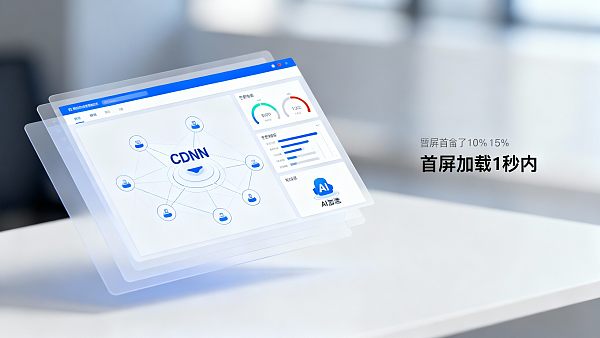
This article details how a SaaS website platform achieves first-screen loading in under 1 second, covering website acceleration and performance optimization technologies and costs to help cross-border e-commerce enhance user experience and SEO.
In the context of cross-border e-commerce operations and marketing, first-screen loading time directly impacts user retention, conversion rates, and search engine rankings. As a researcher or actual user/operator, you care not only about theoretical solutions but also actionable technical guidelines, costs, and implementation steps. This article targets SaaS website platform operations, product, and technical teams, combining general internet service practices to elaborate on the complete technology stack—from architecture to frontend, from CDN to AI acceleration—while providing cost estimates and implementation priorities to help businesses win speed advantages in global market SEO optimization strategies.
1. Infrastructure and Network Layer Optimization (The Foundation of First-Screen Loading <1s)
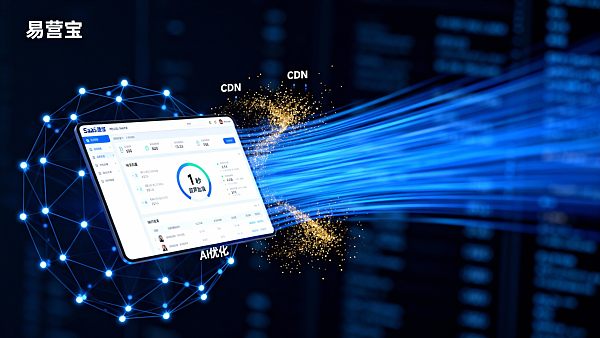
To achieve first-screen loading under 1 second, start by ensuring network and hosting infrastructure stability and scalability. Recommended practices include global multi-node CDN distribution, edge computing capabilities, and regional mirroring strategies. Specific techniques: 1) Multi-region load balancing: Route DNS resolution and traffic scheduling to the nearest edge nodes, reducing cross-ocean latency; 2) CDN caching policies: Implement tailored caching rules for HTML, CSS, JS, images, and fonts, combined with cache preheating and static resource versioning (cache busting); 3) Enable TLS/HTTP/2 or HTTP/3 (QUIC): Reduce handshake rounds and support multiplexing to lower Time to First Byte (TTFB); 4) Edge Rendering: Simplify rendering or use Server-Side Rendering (SSR) at edge nodes to output visible first-screen HTML, reducing rendering blocks. In practice, hybrid deployments with Alibaba Cloud, AWS, and self-built nodes can achieve regional coverage and disaster recovery. Cost-wise, basic CDN and load balancing annual fees depend on traffic volume and coverage, typically ranging from tens of thousands to hundreds of thousands USD for mid-sized cross-border SaaS platforms. Operations teams should allocate budgets based on regional traffic weights and implement peak-shaving strategies to reduce costs.
2. Backend and API Performance Optimization (Reducing TTFB and Service Response)
Backend response directly determines first-screen TTFB. Optimization directions include databases, caching, microservice design, and asynchronous processing. Recommended practices: 1) Read/write separation and sharding: Use Redis or Memcached for hotspot caching in high-read scenarios like product details; 2) API consolidation and GraphQL/BFF patterns: Reduce first-screen interface calls and round trips; 3) Pre-rendering combined with SSR: Pre-render high-traffic product/marketing pages with reasonable refresh policies; 4) Database indexing and slow query optimization: Use connection pooling and rate limiting for stability. For cross-border platforms, consider global database read/write nodes or cloud vendor Global DB solutions. Technical integration with built-in diagnostic tools enables millisecond-level optimizations. Cost-wise, Redis/caching and high-availability databases require significant investment, with region-specific peak billing necessitating elastic budget reserves.
3. Frontend Optimization and Resource Management (Reducing Rendering Blocks for Visible First-Screen)
Frontend optimization is key to achieving first-screen <1s, involving resource consolidation, critical rendering path shortening, and smart loading. Specific measures: 1) Critical CSS and inline key resources: Avoid external CSS render blocking; 2) On-demand loading and code splitting: Use ES modules, dynamic imports, and route-based chunks to defer non-critical logic; 3) Resource compression and modern formats: WebP/AVIF images with auto-compression, subset fonts with delayed loading; 4) HTTP/3 and connection reuse: Parallel transfers to reduce initial resource fetch time; 5) Smart placeholders and progressive rendering: Lightweight DOM placeholders for key components reduce rendering costs. AI-powered image generation and auto-optimization tools can handle format conversion and sizing during builds, saving manual effort while improving CTR. For B2B scenarios, ensure lightweight admin panels and editors maintain operational fluency without compromising UX. Frontend optimization labor costs are controllable but require ongoing testing and CI/CD support, with tooling and iteration costs factored into annual budgets.
4. AI and Automation Acceleration: From Diagnostics to Smart Optimization
AI-driven website acceleration is now practical, not hype. AI delivers value in three dimensions: diagnostics, auto-remediation, and smart scheduling. Diagnostic layers use log and metric-trained models to identify first-screen bottlenecks; auto-remediation handles image cropping, resource rewriting, and TDK/SEO tag optimization during builds; smart scheduling predicts traffic to preheat low-latency content or adjust caching during peaks. For cross-border platforms, integrating multilingual marketing systems with AI translation enables localized pre-rendering, further reducing local first-screen times. Built-in AI keyword expansion and ad management tools dynamically boost relevance and conversions without increasing page weight. Cost-wise, AI module development or third-party integration may require upfront investment, but long-term automation reduces operational costs and ad waste for lower TCO.
Industry Applications and Integrated Solutions
In practice, customized solutions for vertical industries rapidly improve first-screen experience and conversions. For example, a laser engraver industry solution must present high-resolution product visuals and parameters without compromising speed. Smart navigation, integrated AI editors, and product display optimizations boost search efficiency and conversions while maintaining SEO. Our platform's industry solutions integrate global CDN and AI image optimization, with laser engraver industry solutions enabling rapid deployment. Testing and continuous optimization (SLA and KPI quantification) First-screen optimization isn't a one-time task but an ongoing process. Key practices: 1) Quantified KPIs: TTFB, FCP, TTI, and LCP metrics; 2) SLA and alerting: Set SLO thresholds with automatic rollback strategies; 3) A/B testing and canary releases: Validate resource compression and format impacts on conversions across regions; 4) Compliance and security: Ensure acceleration doesn't compromise SSL automation or DDoS protection. Our technical backend and data-driven systems provide real-time diagnostics and ad optimization, helping businesses balance speed and compliance in global SEO strategies.
5. Monitoring, Testing, and Continuous Optimization (SLA and KPIs)
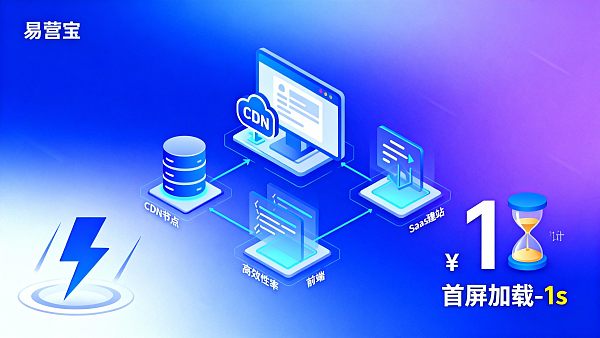
First-screen optimization requires coordinated efforts across network, backend, frontend, AI, and monitoring. The tech stack includes multi-region CDN, HTTP/3, Redis caching, SSR/edge rendering, Critical CSS, code splitting, and AI image/flow prediction. Costs should scale with traffic, coverage, and automation depth, with continuous A/B testing and SLA management maximizing ROI. Our AI-powered all-in-one marketing platform, global CDN, and industry solutions support cross-border e-commerce from website building to lead generation, helping clients compete globally through speed and experience. Contact us for digital marketing solutions and customized implementation plans, or request product trials and technical assessments for tailored first-screen optimization quotes. Contact us for first-screen diagnostics and optimization solutions.
- Platform
- Search Engine Ranking
- Campbell (name)
- SEO
- Intelligent website building system
- SEO Optimization
- Smart Website
- AI Translation
- EasySite Intelligent Website Builder
- AI Translation Engine
- cross-border e-commerce
- AI website acceleration technology enhances user experience
- Global Market SEO Optimization Strategies
- SaaS Website Platform
- Cross-border e-commerce platform
- Multilingual Marketing System
- Digital Marketing Solutions
- Website Acceleration and Performance Optimization
- Cross-border e-commerce operation and promotion
Related Articles

Related Products
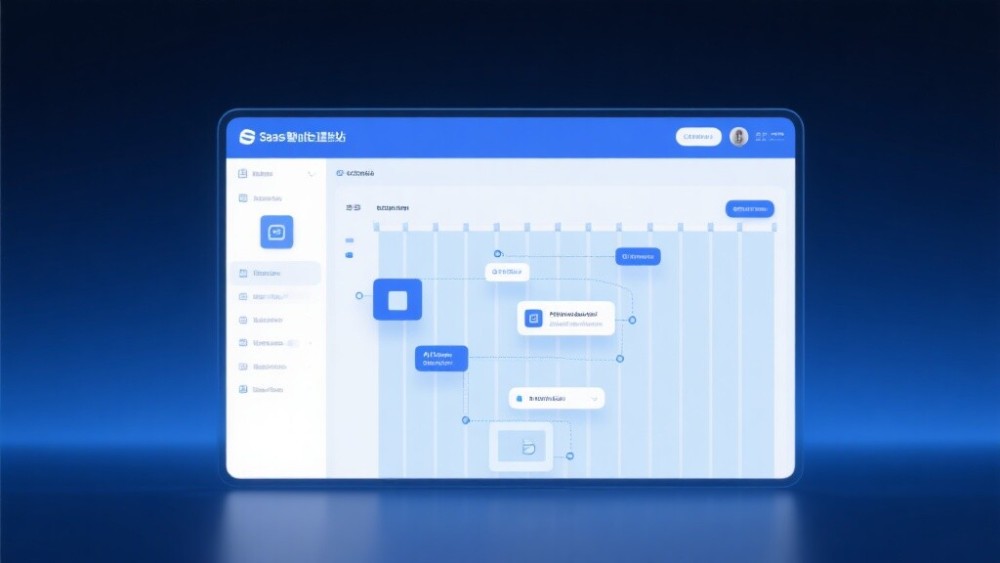
 EasyStore SaaS Intelligent Website Marketing SystemEasyStore SaaS Intelligent Website Marketing System, AI-driven zero-code website building, rapidly set up multilingual foreign trade independent sites in just 10 minutes, global server acceleration, AI-powered SEO optimization, helping businesses efficiently connect with global markets. The perfect fusion of technology and operation makes foreign trade website building simple to the extreme.
 AI+SEM Intelligent Advertising Marketing SystemAI+SEM drives intelligent campaign creation, empowering full-funnel precision advertising marketing. The system automatically generates weekly/monthly reports, AI-recommends keywords and target countries, monitors core metrics in real-time with intelligent alerts, and enables one-click high-conversion campaign launches to accelerate lead acquisition and boost ROI.
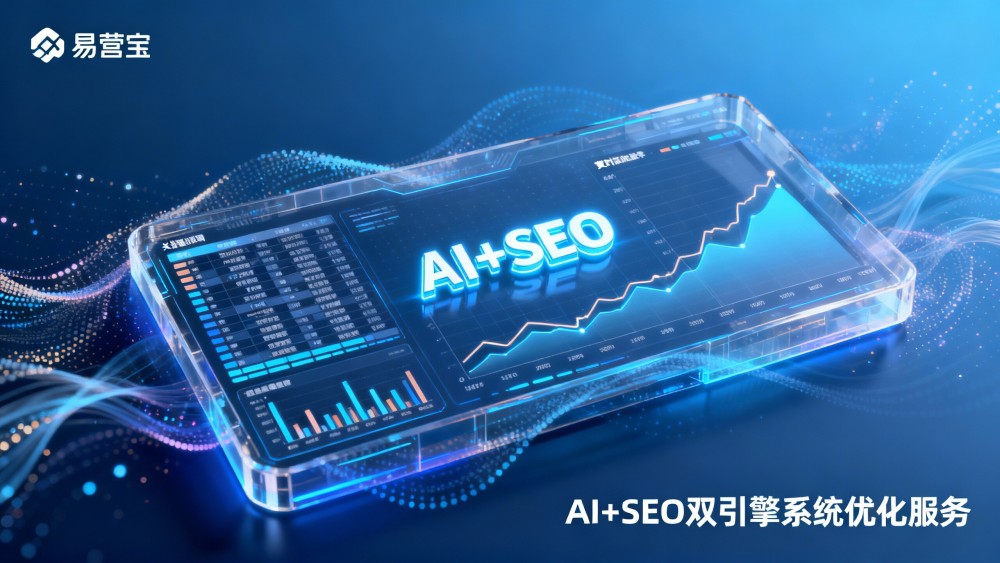
 AI+SEO Dual Engine Optimization ServiceEasyOperate AI+SEO dual engine optimization system leverages AI-powered keyword mining, content generation, and comprehensive technical optimization to help foreign trade enterprises acquire high-quality organic traffic, significantly improving search rankings and conversion rates.
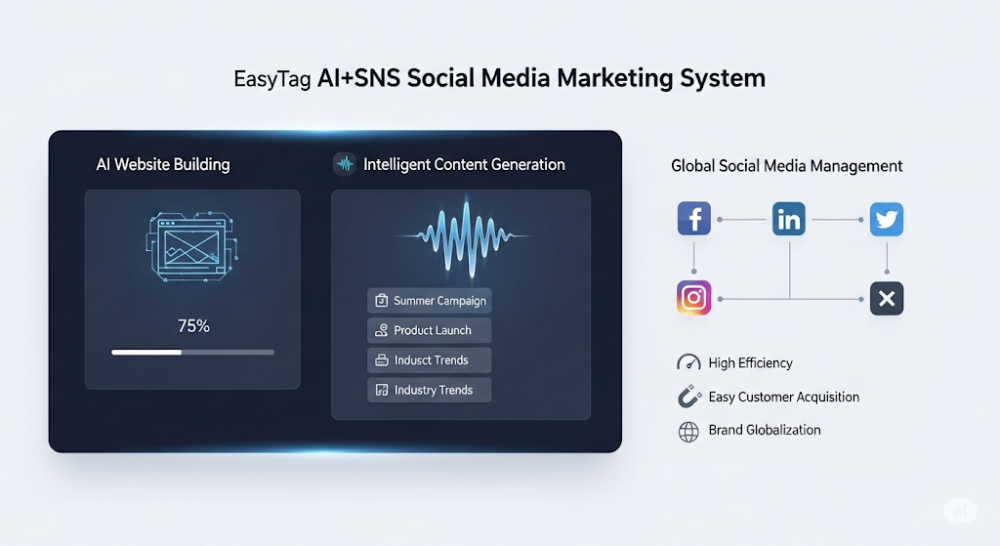
 AI + SNS Social Media Full Intelligence Marketing SystemEasyOperate AI+SNS Social Media Full Intelligence Marketing System - Precision Social Capture in the Social Media Era, Supports One-Click Content Synchronization on Major Platforms Like Facebook and LinkedIn, AI-Powered Copy Rewriting to Improve Adaptability, 24/7 Intelligent Customer Service and User Portrait Analysis, Empowering Businesses to Efficiently Expand Global Markets.
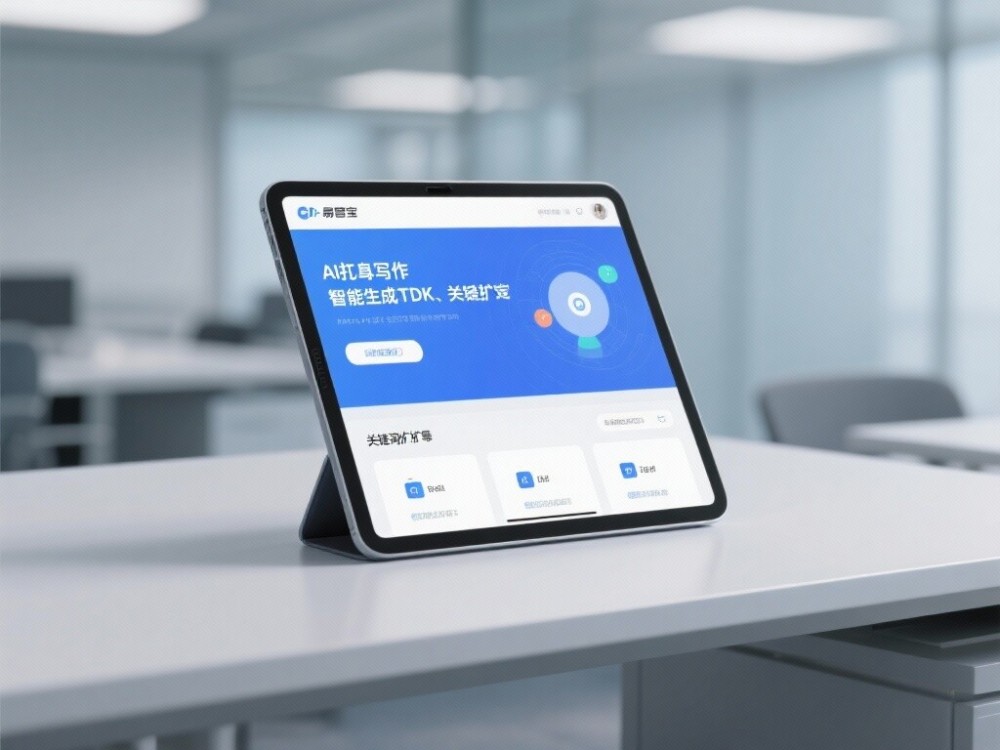
 AI+SEO Marketing SolutionEasyWin AI+SEO Marketing Solution leverages AI-powered batch content creation, intelligent TDK generation, and precise keyword expansion to comprehensively optimize website SEO performance, boosting traffic and conversion rates. Helps businesses build a highly efficient intelligent website ecosystem.
 AI+SEM Advertising & Marketing SolutionsAI+SEM advertising and marketing solution utilizes AI intelligent technology to deeply empower SEM advertising. Through AI intelligent generation of weekly/monthly reports, multi-dimensional presentation of account data, a comprehensive grasp of the effectiveness and trends of advertising, AI precise recommendation of keywords and countries, intelligent generation of high-conversion advertisement language, a key to start the efficient advertising program, helping enterprises to quickly acquire customers. At the same time, the system monitors the core indicators in real time, intelligently recognizes fluctuation abnormalities and warns them in time to ensure stable and high return of advertising effect.
 Domain Name ServicesEasy Operation provides professional domain services, including intelligent query, one-stop registration, brand protection, and full-cycle management, helping enterprises build a digital brand image.
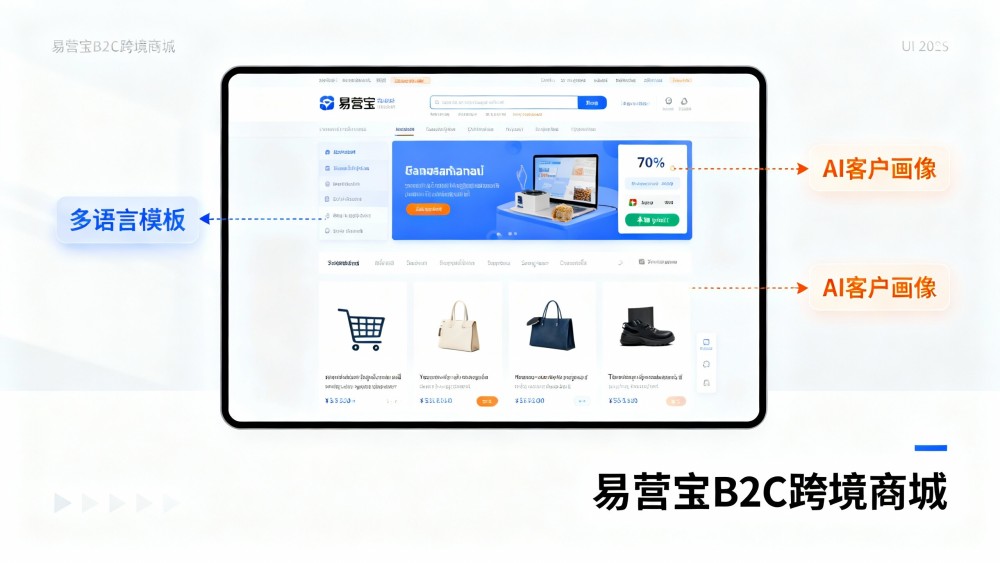
 EasyStore B2C Cross-border E-commerce Platform, Independent SiteEasyStore B2C Cross-border E-commerce Independent Store is an intelligent website building and cross-border e-commerce integrated solution independently developed by EasyStore Information Technology (Beijing) Co., Ltd. The system is specifically designed for small, medium, and large export enterprises, integrating 'website building, operation, marketing, advertising, and conversion' into one platform, helping businesses quickly establish cross-border e-commerce independent stores to achieve brand globalization and global sales growth.
The platform supports multiple languages, currencies, and multi-channel marketing, with built-in AI intelligent translation and SEO optimization systems, suitable for mainstream markets such as Southeast Asia, Europe & America, Latin America, and the Middle East, assisting Chinese manufacturing enterprises in efficiently deploying international e-commerce strategies. SSL CertificateEasyCert provides professional SSL security certificate services, including single-domain and wildcard certificates, ensuring encrypted data transmission, identity verification, and integrity protection for websites. This empowers businesses to establish secure and trustworthy online business environments.