- Does EasyAd's advertising performance have guarantees? How does the service mechanism work?2026-01-18View details
- Is the cost of using AI advertising smart manager high? How to calculate the budget more reasonably2026-01-18View details
- How to implement multilingual advertising optimization solutions in the general internet industry2026-01-18View details
- Which company provides the best multilingual website construction services for foreign trade? How should companies of different scales choose suppliers2026-01-17View details
- What is the role of HTTPS for websites? Why is the decision-making level increasingly emphasizing digital trust systems2026-01-15View details
- What is Global CDN Acceleration? Key Considerations for Enterprise Selection from Architecture to Cost2026-01-16View details
- What are the low-cost customer acquisition solutions suitable for SMEs? The practical path of integrating search and social media2026-01-17View details
- EasyYunbao Usage Evaluation: The Real Performance of Intelligent Website Building Platforms in B2B Official Website Applications2026-01-15View details
Essentials of building a multilingual website for foreign trade: 5 misconceptions about translation, SEO and localization
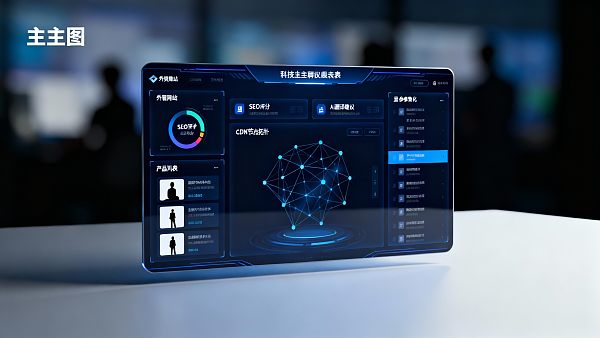
Multilingual websites for foreign trade are often misunderstood in terms of translation, SEO, and localization. This article analyzes five common misconceptions and provides practical suggestions for foreign trade website building systems. Faced with questions about how to build an independent foreign trade website, information researchers and users/operators need an actionable and implementable checklist: from language strategy to page structure, from keywords to server deployment, everything needs to be planned comprehensively. This article first defines key concepts and market background, then breaks down common misconceptions one by one, providing solutions from both technical and operational perspectives. Finally, it offers reference suggestions for procurement and selection, along with an industry application example, helping you make your multilingual foreign trade website construction measurable, sustainable, and scalable.
Definitions and Industry Overview
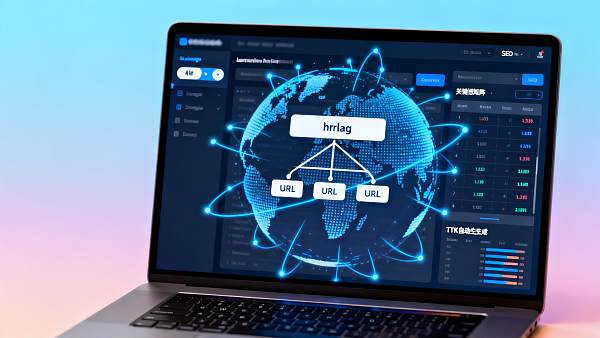
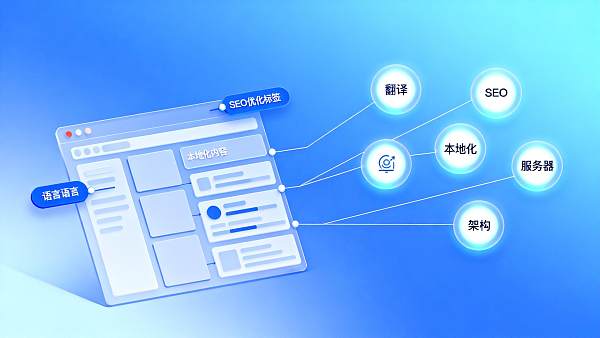
Before discussing the construction of multilingual websites for foreign trade, let's clarify a few core definitions: A foreign trade website building system refers to a website building platform that supports multilingual pages, international domains or subdirectories, and cross-border payment and logistics integration; a foreign trade website building solution includes a full-process service encompassing website building, SEO, content localization, server and security configuration, etc. Currently, the global market demand for multilingual websites for foreign trade continues to grow, with cross-border e-commerce and B2B procurement placing higher demands on page friendliness, search efficiency, and trust mechanisms. Therefore, any foreign trade website building project should start from market positioning, determining the target country's language, priority markets, and conversion paths. When choosing a foreign trade website building system, evaluation points focus on internationalized domain strategy, URL structure, language switching logic, and whether it supports standardized hreflang tags and multilingual sitemaps to ensure that search engines can correctly index multilingual pages and reduce duplicate content penalties. These are the technical foundations for judging how to build a successful independent foreign trade website.
Technical performance and application scenarios
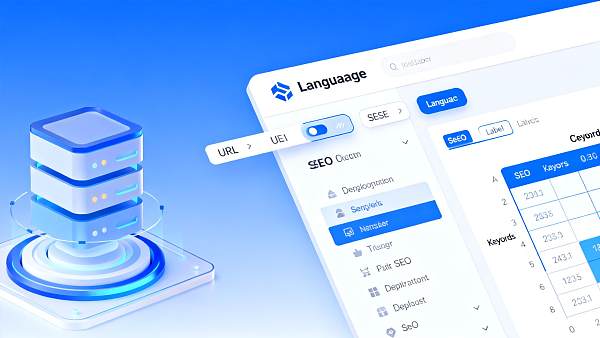
Technical performance directly determines the user experience and SEO performance of an independent foreign trade website. Typical indicators include page load time, CDN coverage, server geographic distribution, mobile response speed, and the application of structured data. For companies that need to display a large number of product models, especially in the electronic components industry, product management capabilities and parameterized display are crucial. In this scenario, a system that supports intelligent categorization, parameterized display, and efficient display of massive product models can significantly improve purchase conversion rates. Therefore, it is recommended to pay attention to whether the platform supports batch import, parameter filtering, multilingual specification translation, and product index optimization. For example, YiYingBao's intelligent website building system, through a global server cluster spanning 7 continents, improves the loading speed of independent websites by 40% and increases SEO scores by approximately 35%. Such technical improvements have a direct impact on conversion rates in the target market. In addition, we also provide industry-specific solutions, such as solutions for the electronic components industry , to accelerate model display and precise marketing, reduce manual maintenance costs, and improve user search efficiency.
Procurement and Selection Guide / Comparative Analysis
When selecting a website building service provider for foreign trade in Beijing or other regions, a clear procurement process should be followed: clearly define requirements (target country, language, SKU size), conduct a technical assessment (CDN, SSL, backup, DDoS protection), evaluate SEO capabilities (automatic TDK generation, URL controllability, schema support), and assess post-launch maintenance and scalability. When comparing different solutions, score them based on the following key dimensions: multilingual management, AI translation quality and editability, content automation and keyword expansion capabilities, seamless integration with social media and advertising platforms, and partner ecosystem (such as support from Google, Meta, and Yandex). A concise comparison table is provided below to help quickly determine suitability:
Client case studies and common misconceptions (including analysis of 5 major misconceptions)
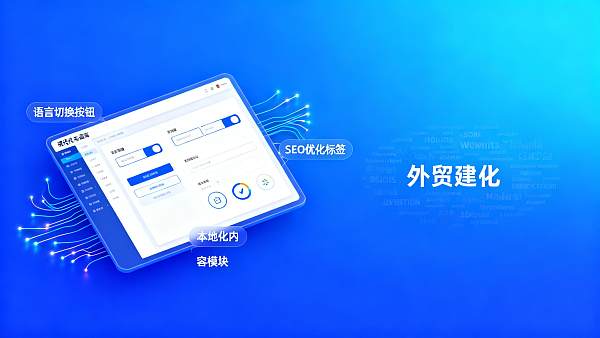
Real-world case studies help validate the effectiveness of methods. Since its establishment in 2013, YiYingBao has served over 100,000 companies, achieving remarkable results in the overseas market through its "technological innovation + localized service" strategy. Below are five common misconceptions in building multilingual websites for foreign trade, along with actionable corrective measures: 1) Misconception 1: Machine translation = localization. Correction: Focus on local user intent, employing a hybrid process of AI initial translation + human proofreading to ensure keywords and industry terminology (such as electronic component models) can be retrieved and understood in the target language context. 2) Misconception 2: Focusing only on homepage keywords. Correction: Build a directory-level keyword matrix, combining long-tail keywords and structured data to improve the performance of the foreign trade website building system in vertical searches. 3) Misconception 3: The shorter the domain name, the better. Correction: Prioritize market trust and compliance (local domain or subdirectory), hreflang settings, and the impact of hosting location on loading speed. 4) Misconception 4: SEO can be completed in one go. Correction: SEO should be incorporated into the continuous operation system, relying on AI marketing engines for daily keyword expansion, automatic TDK optimization, and content updates. 5) Misconception 5: Multilingualism is just translating pages. Correction: Multilingual development also includes payment, logistics, customer service time zone support, and legal compliance support. A true foreign trade website building solution needs to cover the 'website building-customer acquisition-conversion' closed loop.
Trends, trading suggestions, and contact us
Looking ahead, the trend in building multilingual websites for foreign trade is moving towards "AI + data-driven automation" and "deep localization." Platform-based AI marketing engines will replace a large amount of repetitive work, and more companies will adopt workflows for automated keyword expansion, TDK generation, and batch production of multilingual materials. Practical recommendations for information researchers and operators include: prioritizing the establishment of a scalable information architecture, adopting systems that support parametric display and intelligent classification to handle massive SKUs (especially in industries such as electronic components), and incorporating monitoring systems (Core Web Vitals, conversion funnel) into routine operations. Why choose us? Since its establishment in 2013, Yiyingbao Information Technology (Beijing) Co., Ltd. has used artificial intelligence and big data as its core driving forces to build a full-link solution covering intelligent website building, SEO optimization, social media marketing, and advertising. Leveraging its self-developed AI algorithms and global CDN deployment, we help companies achieve cross-border growth. If you need to evaluate a foreign trade website building system, learn about foreign trade website building solutions, or seek foreign trade website building services in Beijing, please contact us for free consultation and customized solutions.
- Website construction
- Platform
- Foreign Trade Website
- Social Media Marketing
- Multilingual website construction
- Campbell (name)
- SEO
- Independent site
- Intelligent website building system
- Smart Website
- Foreign trade independent website
- Multilingual website
- How to build an independent foreign trade website
- Multilingual Website Construction for Foreign Trade
- Foreign Trade Website Solutions
- Foreign Trade Website System
- Beijing Foreign Trade Website
- Beijing Foreign Trade Website Services
Related Articles
 What are the multilingual foreign trade website SEO optimization services
 What is the approximate cost of building a marketing website? What are the main factors affecting the budget?
 Comparison of responsive self-service website system prices, are the differences between mainstream solutions in 2026 significant?

Related Products
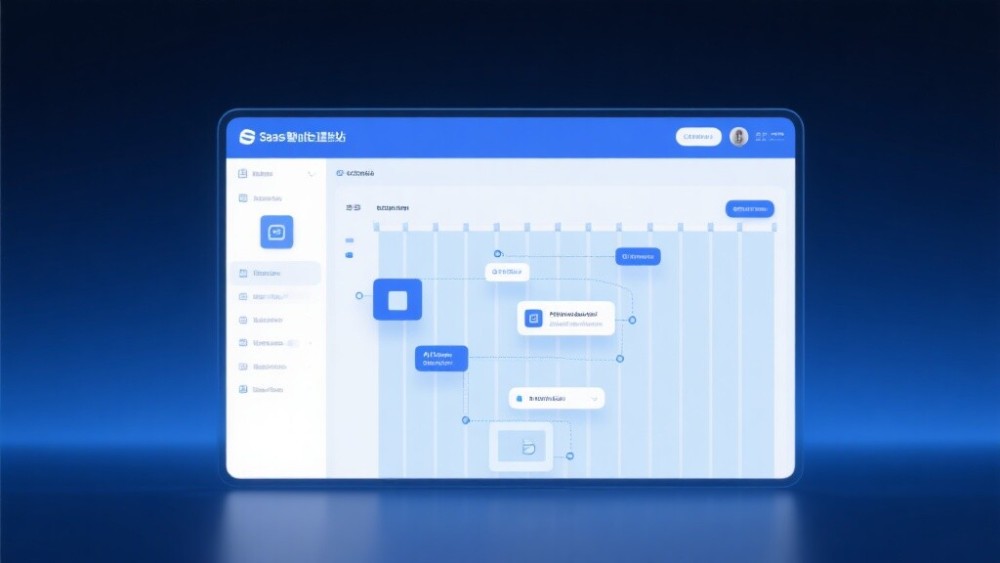
 EasyStore SaaS Intelligent Website Marketing SystemEasyStore SaaS Intelligent Website Marketing System, AI-driven zero-code website building, rapidly set up multilingual foreign trade independent sites in just 10 minutes, global server acceleration, AI-powered SEO optimization, helping businesses efficiently connect with global markets. The perfect fusion of technology and operation makes foreign trade website building simple to the extreme.
 AI+SEM Intelligent Advertising Marketing SystemAI+SEM drives intelligent campaign creation, empowering full-funnel precision advertising marketing. The system automatically generates weekly/monthly reports, AI-recommends keywords and target countries, monitors core metrics in real-time with intelligent alerts, and enables one-click high-conversion campaign launches to accelerate lead acquisition and boost ROI.
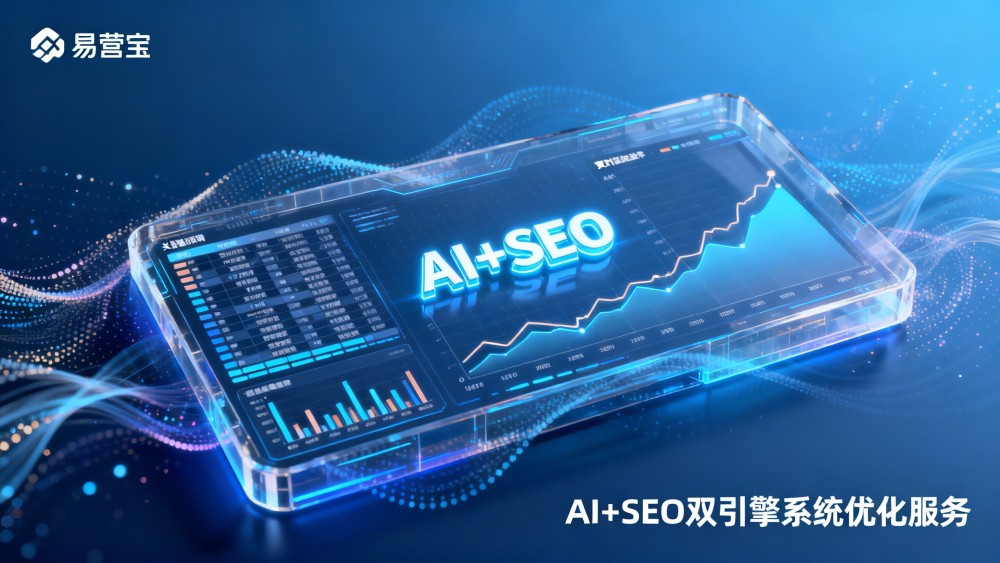
 AI+SEO Dual-Engine System Optimization ServiceE-Yingbao AI+SEO Dual-Engine Optimization System leverages AI-powered keyword mining, content generation, and comprehensive technical optimization to help export-oriented enterprises capture high-quality organic traffic, significantly boosting search rankings and conversion rates.
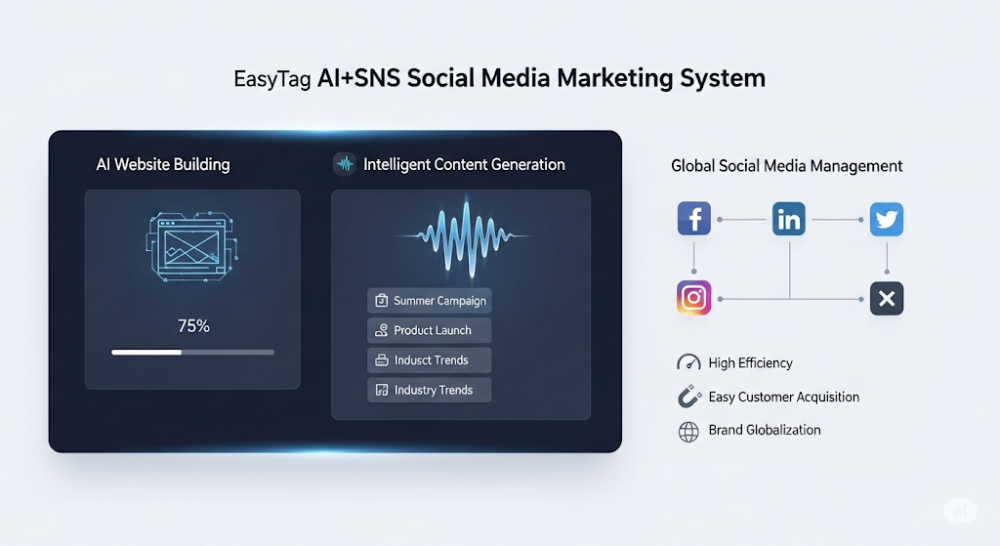
 AI + SNS Social Media Full Intelligence Marketing SystemEYBao AI+SNS Social Media All Intelligent Marketing System - Precise social capture in the era of social media, supporting one-click synchronization of content on mainstream platforms such as Facebook, LinkedIn, etc., AI intelligent rewriting of postings to enhance the degree of adaptability, 24/7 intelligent customer service and user profile analysis, helping enterprises to efficiently expand the global market.
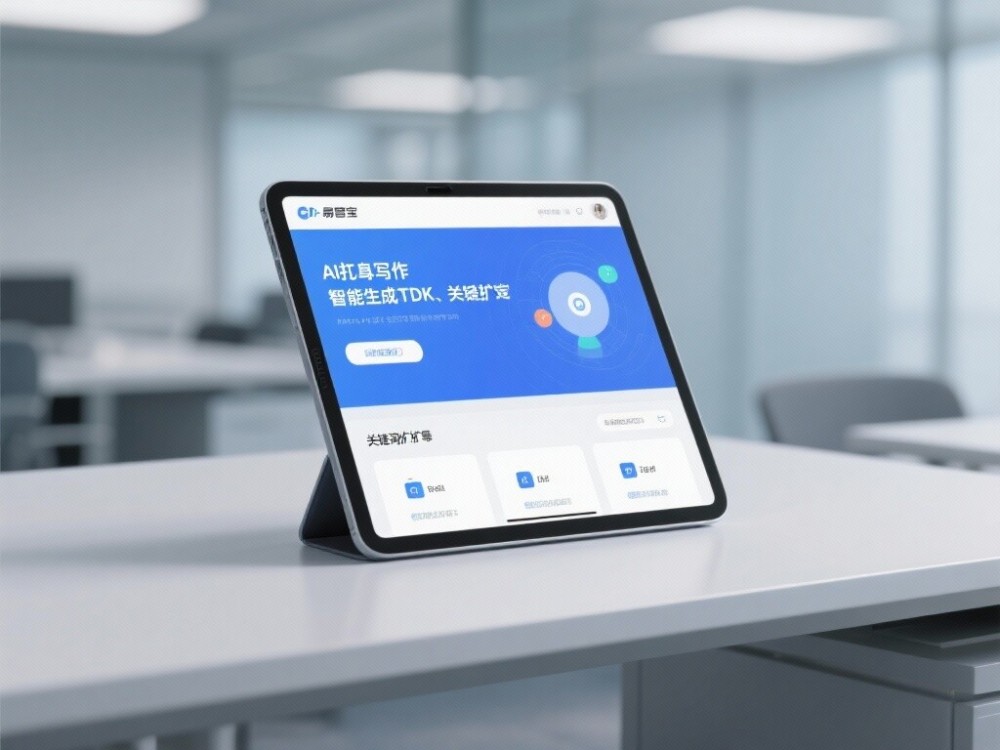
 AI+SEO Marketing SolutionEasyWin AI+SEO Marketing Solution leverages AI-powered batch content creation, intelligent TDK generation, and precise keyword expansion to comprehensively optimize website SEO performance, boosting traffic and conversion rates. Helps businesses build a highly efficient intelligent website ecosystem.
 AI+SEM Advertising & Marketing SolutionsAI+SEM advertising and marketing solution utilizes AI intelligent technology to deeply empower SEM advertising. Through AI intelligent generation of weekly/monthly reports, multi-dimensional presentation of account data, a comprehensive grasp of the effectiveness and trends of advertising, AI precise recommendation of keywords and countries, intelligent generation of high-conversion advertisement language, a key to start the efficient advertising program, helping enterprises to quickly acquire customers. At the same time, the system monitors the core indicators in real time, intelligently recognizes fluctuation abnormalities and warns them in time to ensure stable and high return of advertising effect.
 Domain Name ServicesEasy Operation provides professional domain services, including intelligent query, one-stop registration, brand protection, and full-cycle management, helping enterprises build a digital brand image.
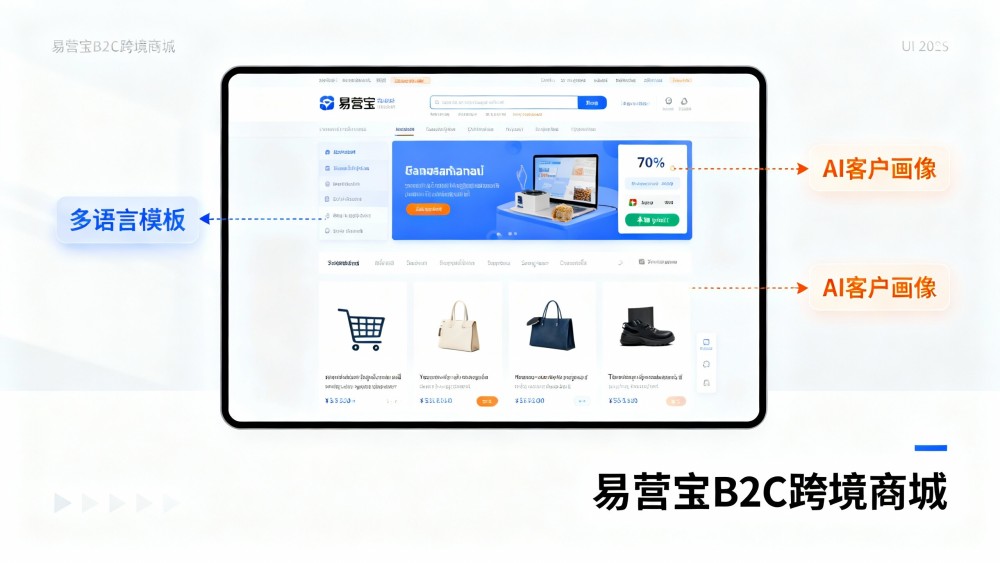
 EasyStore B2C Cross-border E-commerce Platform, Independent SiteEasyStore B2C Cross-border E-commerce Independent Store is an intelligent website building and cross-border e-commerce integrated solution independently developed by EasyStore Information Technology (Beijing) Co., Ltd. The system is specifically designed for small, medium, and large export enterprises, integrating 'website building, operation, marketing, advertising, and conversion' into one platform, helping businesses quickly establish cross-border e-commerce independent stores to achieve brand globalization and global sales growth.
The platform supports multiple languages, currencies, and multi-channel marketing, with built-in AI intelligent translation and SEO optimization systems, suitable for mainstream markets such as Southeast Asia, Europe & America, Latin America, and the Middle East, assisting Chinese manufacturing enterprises in efficiently deploying international e-commerce strategies. SSL CertificateEasyCert provides professional SSL security certificate services, including single-domain and wildcard certificates, ensuring encrypted data transmission, identity verification, and integrity protection for websites. This empowers businesses to establish secure and trustworthy online business environments.