Related recommendations
- Does EasyAd's advertising performance have guarantees? How does the service mechanism work?2026-01-18View details
- Is the cost of using AI advertising smart manager high? How to calculate the budget more reasonably2026-01-18View details
- How to implement multilingual advertising optimization solutions in the general internet industry2026-01-18View details
- Which company provides the best multilingual website construction services for foreign trade? How should companies of different scales choose suppliers2026-01-17View details
- What is the role of HTTPS for websites? Why is the decision-making level increasingly emphasizing digital trust systems2026-01-15View details
- What is Global CDN Acceleration? Key Considerations for Enterprise Selection from Architecture to Cost2026-01-16View details
- What are the low-cost customer acquisition solutions suitable for SMEs? The practical path of integrating search and social media2026-01-17View details
- EasyYunbao Usage Evaluation: The Real Performance of Intelligent Website Building Platforms in B2B Official Website Applications2026-01-15View details
How can multilingual foreign trade websites help with SEO and improve search ranking indicators?
Release date:2026-01-18
Author:易营宝SEO算法研究组
Page views:
What are the benefits of multilingual foreign trade websites for SEO? Professional insights on which service providers excel in multilingual foreign trade website development, construction costs, timelines, and localization strategies to help businesses reduce bounce rates, improve CTR and search rankings, and achieve efficient multilingual content management with ROI growth.
Inquire now : 4006552477
Multilingual websites can significantly enhance SEO performance, with their core logic rooted in "language-matching search intent." When a website accurately reflects the search habits and content preferences of users in target markets through multiple language versions, it improves search engine indexing efficiency and user dwell time, thereby impacting key SEO metrics such as click-through rate (CTR), bounce rate, and average ranking position. For businesses expanding into European markets, multilingual SEO is not just a matter of content localization but also a challenge of balancing ad placements with organic search, directly affecting ROI and brand exposure.
I. Concept and Terminology
In digital marketing, a "multilingual website" refers to an independent or subdomain structure that supports content display in different languages, such as example.com/de for the German market. Its role in SEO differs from mere translation; instead, it declares the regional and linguistic relationships of content to search engines through language attribute tags (e.g., hreflang). SEO (Search Engine Optimization) metrics include CTR, impressions, dwell time, bounce rate, indexing rate, and keyword rankings—critical parameters for measuring search visibility and user behavior quality.

II. Impact Principles and Mechanisms
Search engines evaluate websites based on three algorithmic dimensions: "content relevance," "user experience signals," and "technical performance." Multilingual optimization plays a role in all three: first, it boosts relevance through localized keywords and semantic optimization; second, native-language content increases dwell time, improving quality scores; and third, local server deployments enhance loading speed and technical ratings. This "three-dimensional synergy" systematically improves international SEO scores and facilitates cross-language search traffic conversion.
III. Applicable Scenarios and Limitations
Multilingual SEO suits cross-border enterprises targeting multiple regional markets, independent e-commerce sites, and export-oriented B2B platforms. However, if target markets are limited or products focus on specific language regions, the cost and complexity of multilingual implementation may outweigh benefits. Additionally, incorrect hreflang configurations or inconsistent URL structures across languages risk being flagged as duplicate content, causing indexing chaos. Thus, multilingual strategies require clear market prioritization and technical standardization.
IV. Common Misconceptions Clarified
Many businesses mistakenly equate "translated websites" with multilingual SEO, but machine translations that ignore cultural gaps and search behavior can reduce CTR by 30%-50%. Another pitfall is overlooking regional keyword variations—e.g., British vs. American English or German SEO's preference for long-tail phrase matching. Moreover, stacking multiple language versions under a single top-level domain may dilute site authority; industry best practices recommend subdirectories or ccTLDs for clearer SEO signaling.
V. SEO Performance: Multilingual vs. Monolingual Sites
VI. Implementation Recommendations
Industry-standard approaches include building language-specific site structures, optimizing localized keyword libraries, and using AI translation for semantic alignment. Technically, global CDN acceleration paired with local server nodes ensures sub-1s loading speeds. Marketing-wise, multilingual sites must synchronize with ad campaigns and social media strategies, ensuring keyword consistency between search and ads to avoid conversion drop-offs from "ad-language-to-landing-page mismatches."
VII. Industry Case Studies
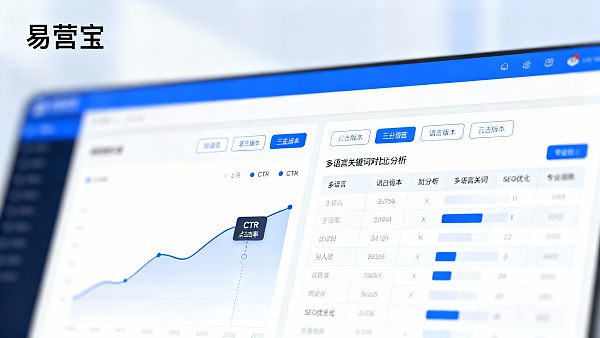
In practice, businesses typically adopt three approaches: self-built sites (high control but requiring SEO expertise), open-source CMS plugins (quick deployment but inconsistent multilingual output), or AI-powered platforms that unify language systems via algorithms. For scenarios with subpar ROI, keyword mismatches, or significant CTR gaps across languages, solutions like EasyYingbao's AI-driven keyword expansion and multilingual content generation prove more effective.
EasyYingbao Tech (Beijing) offers systematic multilingual SEO through its "AI keyword expansion + automated TDK generation + AI image creation" framework. Its smart site-building system integrates translation engines with global CDN clusters, delivering 40% faster load times and 35% higher SEO scores. For ad-to-search keyword disconnects, its AI ad management module dynamically synchronizes keywords across channels, improving conversion funnel continuity.
Example: A cross-border e-commerce brand manually translating ad creatives for Europe saw 60%+ CTR variance between German and French. After implementing EasyYingbao's AI ad system, CTR recovered to 3.2%. This demonstrates how integrated "multilingual generation + channel adaptation + diagnostic capabilities" can align SEO and ad metrics while mitigating cross-language conversion risks.
VIII. Summary and Action Plan
- Multilingual SEO effectiveness stems from optimizing "language visibility + behavioral signals + technical performance."
- Prerequisites include clear market prioritization and proper hreflang implementation.
- Multilingual ≠ translation—localized keywords and semantic alignment are key.
- Search engines favor high-speed, consistent international pages with <100ms latency.
- For low-ROI markets or large CTR gaps, EasyYingbao's AI-powered solutions offer validated paths.
Recommend using tools like Search Console to monitor international indexing and CTR by language version. Establish quantitative evaluation frameworks and prioritize platforms with AI-driven multilingual content generation for iterative optimization.
Related Articles
 What are the multilingual foreign trade website SEO optimization services
 What is the approximate cost of building a marketing website? What are the main factors affecting the budget?
 Comparison of responsive self-service website system prices, are the differences between mainstream solutions in 2026 significant?

Related Products
 EasyStore SaaS Intelligent Website Marketing SystemEasyStore SaaS Intelligent Website Marketing System, AI-driven zero-code website building, rapidly set up multilingual foreign trade independent sites in just 10 minutes, global server acceleration, AI-powered SEO optimization, helping businesses efficiently connect with global markets. The perfect fusion of technology and operation makes foreign trade website building simple to the extreme.
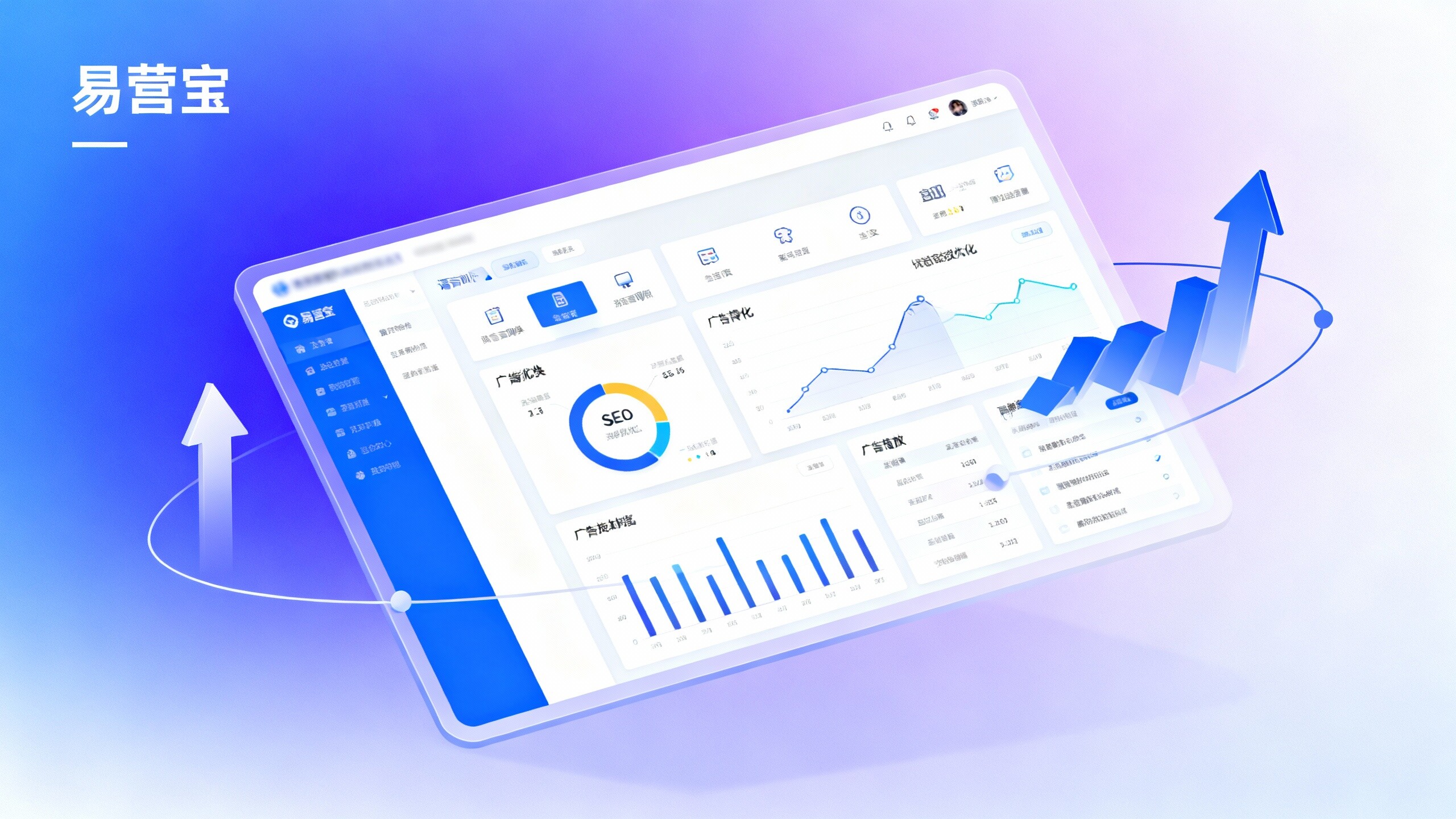
 AI+SEM Intelligent Advertising Marketing SystemAI+SEM drives intelligent campaign creation, empowering full-funnel precision advertising marketing. The system automatically generates weekly/monthly reports, AI-recommends keywords and target countries, monitors core metrics in real-time with intelligent alerts, and enables one-click high-conversion campaign launches to accelerate lead acquisition and boost ROI.
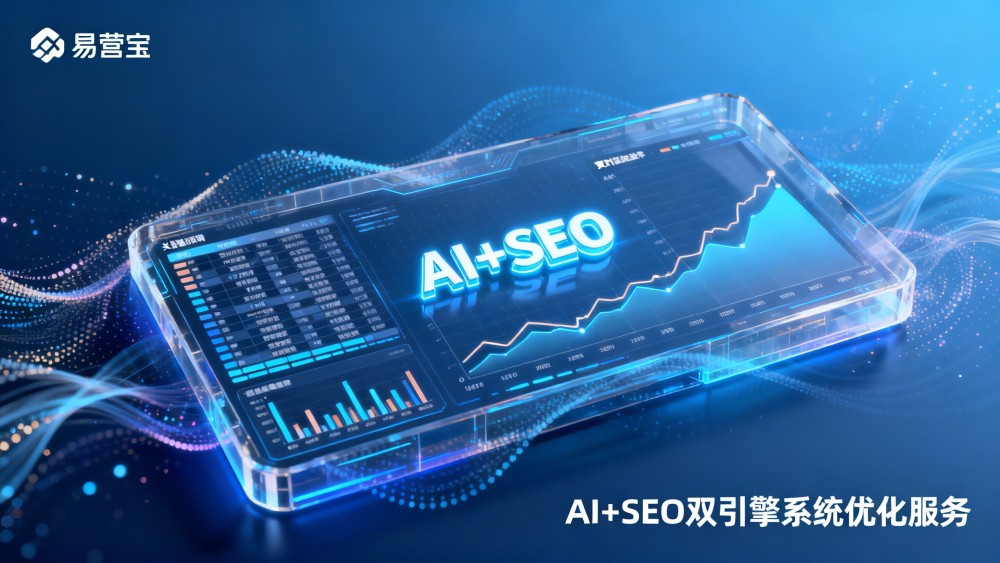
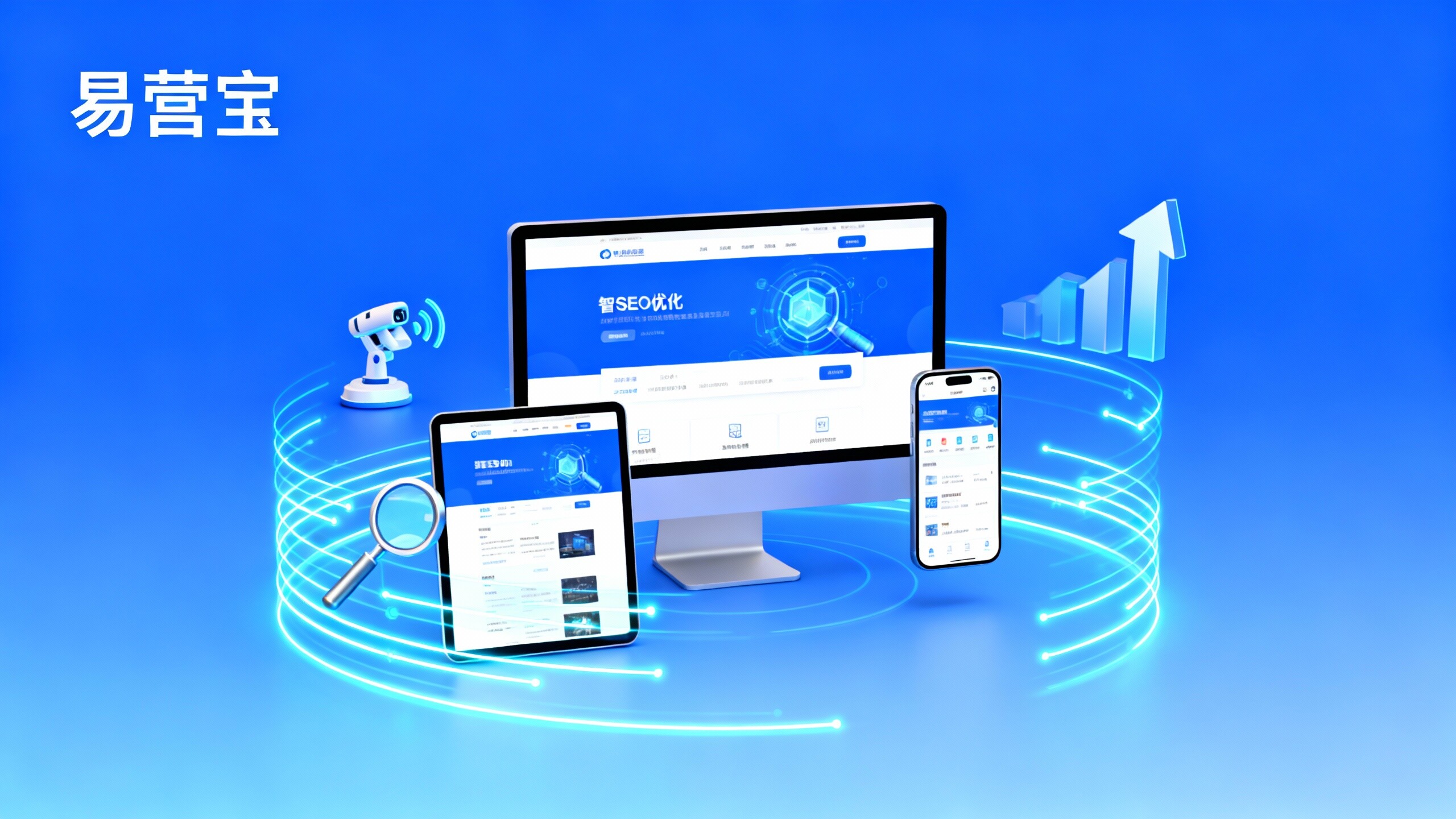
 AI+SEO Dual-Engine System Optimization ServiceE-Yingbao AI+SEO Dual-Engine Optimization System leverages AI-powered keyword mining, content generation, and comprehensive technical optimization to help export-oriented enterprises capture high-quality organic traffic, significantly boosting search rankings and conversion rates.
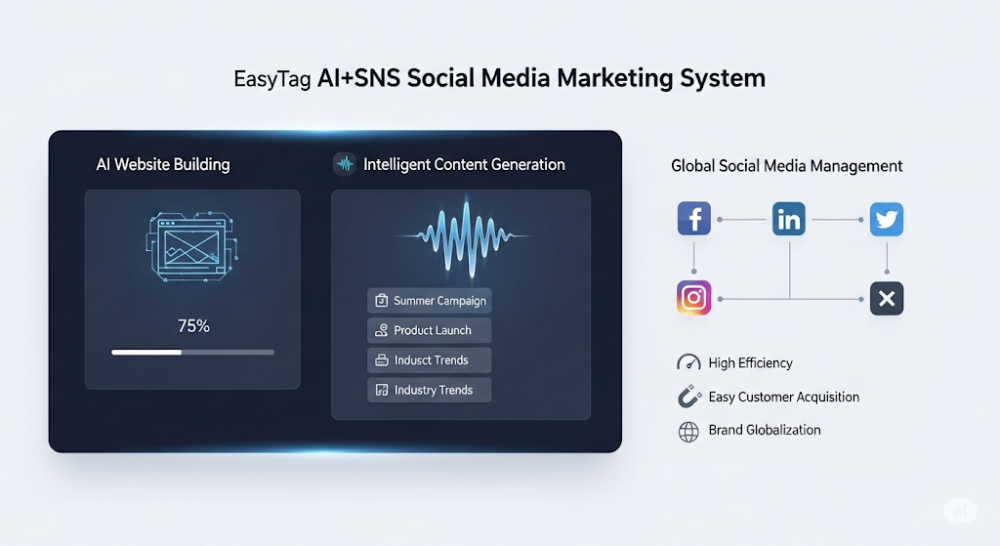
 AI + SNS Social Media Full Intelligence Marketing SystemEYBao AI+SNS Social Media All Intelligent Marketing System - Precise social capture in the era of social media, supporting one-click synchronization of content on mainstream platforms such as Facebook, LinkedIn, etc., AI intelligent rewriting of postings to enhance the degree of adaptability, 24/7 intelligent customer service and user profile analysis, helping enterprises to efficiently expand the global market.
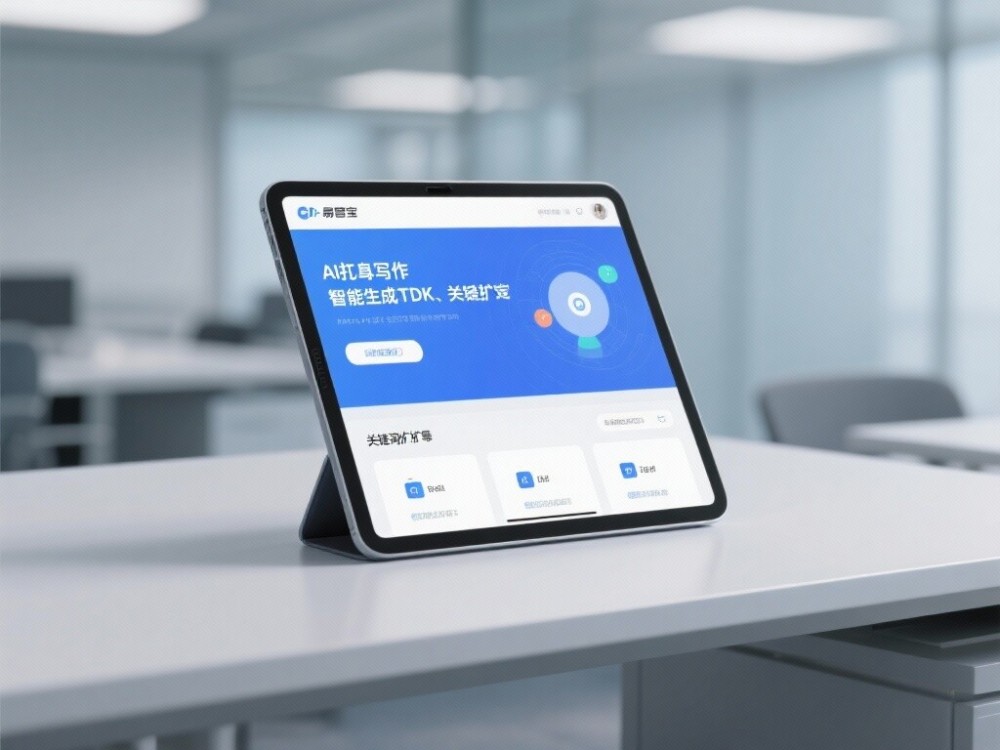
 AI+SEO Marketing SolutionEasyWin AI+SEO Marketing Solution leverages AI-powered batch content creation, intelligent TDK generation, and precise keyword expansion to comprehensively optimize website SEO performance, boosting traffic and conversion rates. Helps businesses build a highly efficient intelligent website ecosystem.
 AI+SEM Advertising & Marketing SolutionsAI+SEM advertising and marketing solution utilizes AI intelligent technology to deeply empower SEM advertising. Through AI intelligent generation of weekly/monthly reports, multi-dimensional presentation of account data, a comprehensive grasp of the effectiveness and trends of advertising, AI precise recommendation of keywords and countries, intelligent generation of high-conversion advertisement language, a key to start the efficient advertising program, helping enterprises to quickly acquire customers. At the same time, the system monitors the core indicators in real time, intelligently recognizes fluctuation abnormalities and warns them in time to ensure stable and high return of advertising effect.
 Domain Name ServicesEasy Operation provides professional domain services, including intelligent query, one-stop registration, brand protection, and full-cycle management, helping enterprises build a digital brand image.
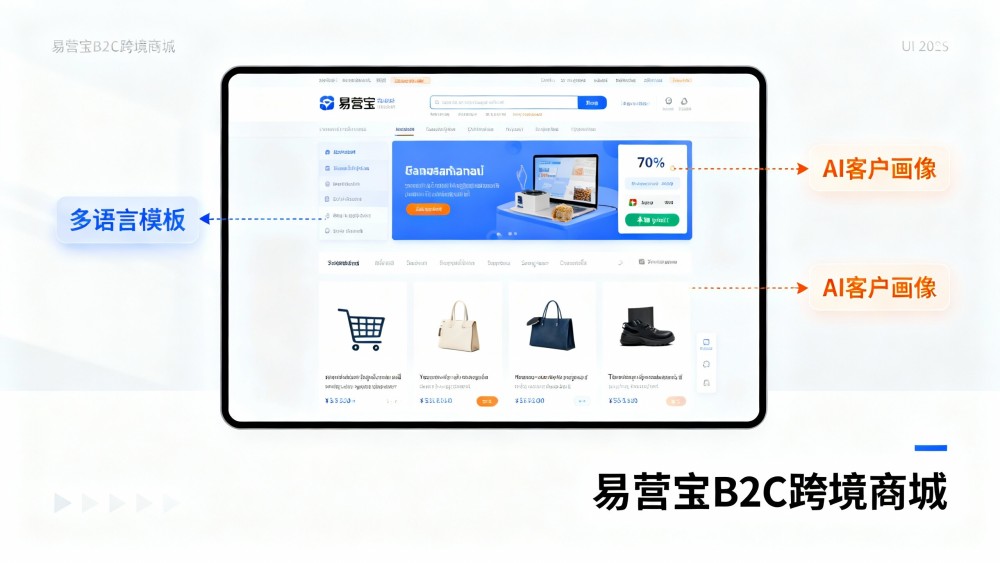
 EasyStore B2C Cross-border E-commerce Platform, Independent SiteEasyStore B2C Cross-border E-commerce Independent Store is an intelligent website building and cross-border e-commerce integrated solution independently developed by EasyStore Information Technology (Beijing) Co., Ltd. The system is specifically designed for small, medium, and large export enterprises, integrating 'website building, operation, marketing, advertising, and conversion' into one platform, helping businesses quickly establish cross-border e-commerce independent stores to achieve brand globalization and global sales growth.
The platform supports multiple languages, currencies, and multi-channel marketing, with built-in AI intelligent translation and SEO optimization systems, suitable for mainstream markets such as Southeast Asia, Europe & America, Latin America, and the Middle East, assisting Chinese manufacturing enterprises in efficiently deploying international e-commerce strategies. SSL CertificateEasyCert provides professional SSL security certificate services, including single-domain and wildcard certificates, ensuring encrypted data transmission, identity verification, and integrity protection for websites. This empowers businesses to establish secure and trustworthy online business environments.