Introduction: The Trust Threshold in the Digital Era
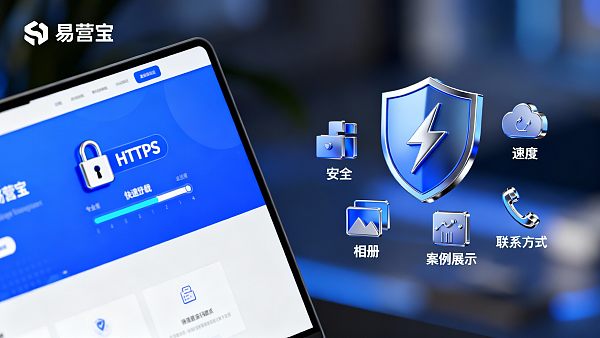
In the digital age, a website serves as the first gateway for businesses to gain customer trust. Design experts point out that five key elements—HTTPS encryption, professional visual design, fast loading speed, authentic case studies, and clear contact methods—directly impact user experience and conversion rates. This article reveals how to build a trustworthy website that wins customers' confidence at first glance through technical safeguards and user experience optimization.
Key Element 1: HTTPS Encryption and Security Protection
When users visit a website, the padlock icon and HTTPS prefix in the browser address bar have become baseline trust indicators. Research shows that 85% of users actively abandon submitting form data on unencrypted pages. The HTTPS protocol encrypts transmitted data via SSL/TLS, preventing man-in-the-middle attacks while serving as a critical ranking signal for Google. For cross-border e-commerce and other high-sensitivity scenarios, Extended Validation SSL certificates (EV SSL) are recommended to display verified corporate information and enhance credibility.
Security protection extends beyond encrypted transmission. Regular vulnerability scans, Web Application Firewall (WAF) deployment, and automated backup mechanisms are equally crucial. For example, EasyStore's B2B Cross-Border Marketplace employs AWS global CDN nodes with automated DDoS protection to ensure zero business interruption—a testament to technical backend capabilities.
The Hidden SEO Impact of Website Security

Google's Search Quality Guidelines explicitly list "page security" as a key ranking dimension. Websites compromised by malicious code face warning labels in search results and potential traffic cliffs. Monthly maintenance should include: 1) Dead link detection 2) Mixed content audits 3) Server log analysis—these fundamental safeguards effectively maintain SEO health.
Key Element 2: Professional Visual Design and Brand Consistency
The human brain processes images 60,000x faster than text, meaning visitors form visual judgments within 0.05 seconds. Professional design follows three principles: 1) Industry-standard color schemes (e.g., finance favors blue tones) 2) Maximum three font hierarchies 3) Authentic scenario-based visuals. One apparel brand achieved 27% higher conversion using AI-generated localized model displays.
The Conversion Value of Responsive Layout
With mobile traffic now exceeding 58%, many corporate sites still suffer from undersized buttons and misaligned forms. Responsive design automatically adapts to devices—like EasyStore's B2B Cross-Border Marketplace drag-and-drop builder with 100+ templates ensuring perfect display from low-end Southeast Asian smartphones to premium Western tablets. Data shows mobile optimization increases inquiries by 35%.
Key Element 3: Lightning-Fast Performance Optimization
Every 1-second delay in page load reduces conversions by 7%. Critical speed factors include: 1) Uncompressed images (WebP recommended) 2) Uncached static resources 3) Third-party script blocks. Techniques like global CDN, HTTP/2, and Lazy Loading can control above-the-fold loading under 1.5 seconds. One machinery parts site reduced bounce rates from 72% to 41% through EasyStore's global server cluster optimization.
The Positive Correlation Between Website Performance and Inquiry Volume
Google's Core Web Vitals directly impact rankings: LCP (Largest Contentful Paint) under 2.5s, CLS (Cumulative Layout Shift) below 0.1. Continuous monitoring via PageSpeed Insights should prioritize: 1) Critical rendering path 2) JavaScript execution 3) Server response time. Real-world tests show when LCP improves from 4s to 1.8s, form submissions increase by 22%.
Key Element 4: Authentic Case Studies and Social Proof
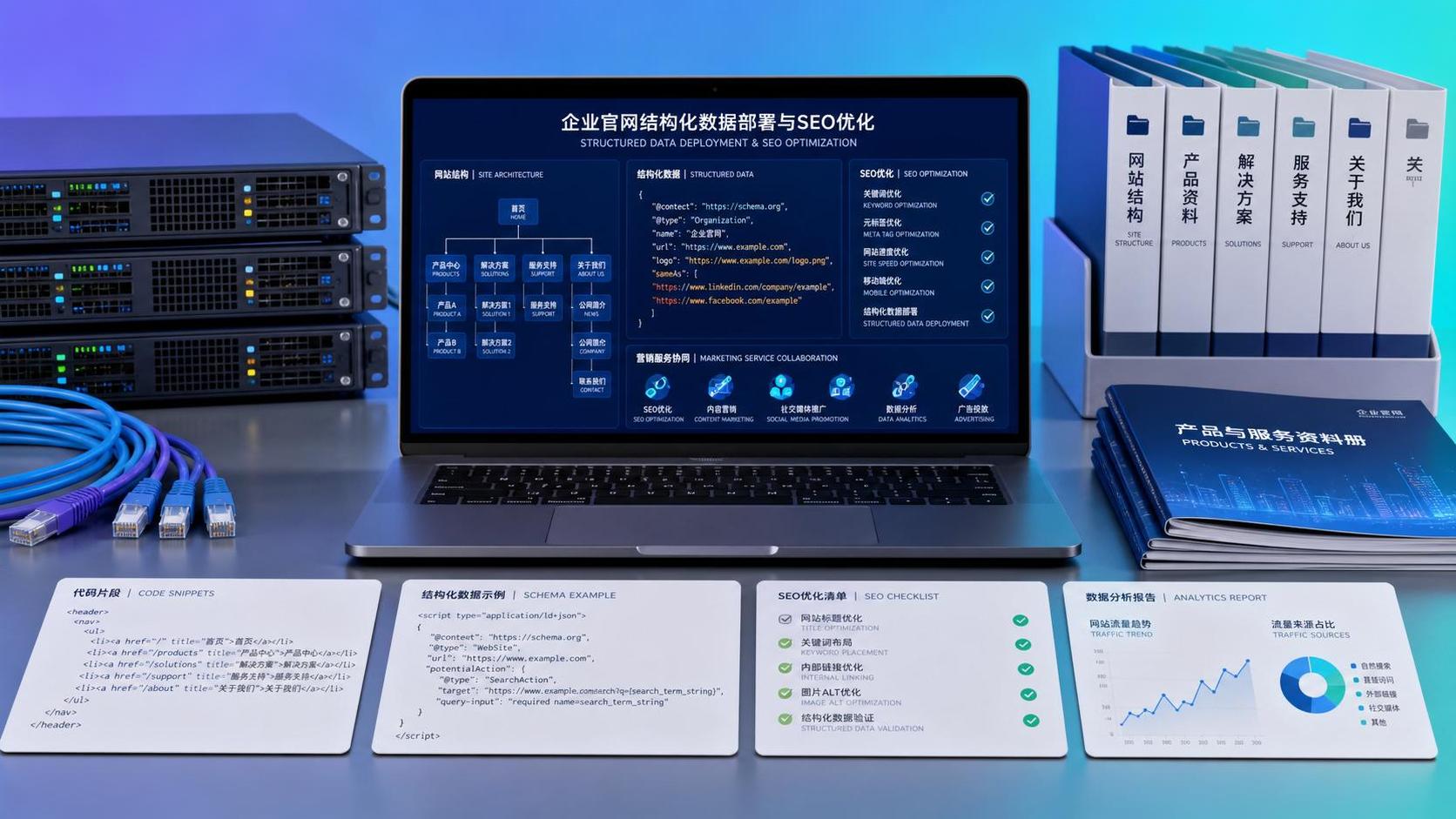
92% of B2B buyers reference client cases when deciding. Effective trust-building includes: 1) Logo-branded client lists 2) Video testimonials 3) Detailed usage scenarios. Structured data markup makes cases more discoverable by AI search. For "why build an export website" queries, pages showing actual ROI data outperform.
Localization Strategies for Multilingual Cases
Case presentations must align with regional cultural cognition. Middle Eastern clients prioritize government projects, while Western firms favor sustainability stories. EasyStore's B2B Cross-Border Marketplace AI translation engine adapts local expressions—its 300+ language support breaks cultural barriers. One home goods brand achieved 63% higher German conversions through localized case displays.
Key Element 5: Transparent Communication Touchpoints
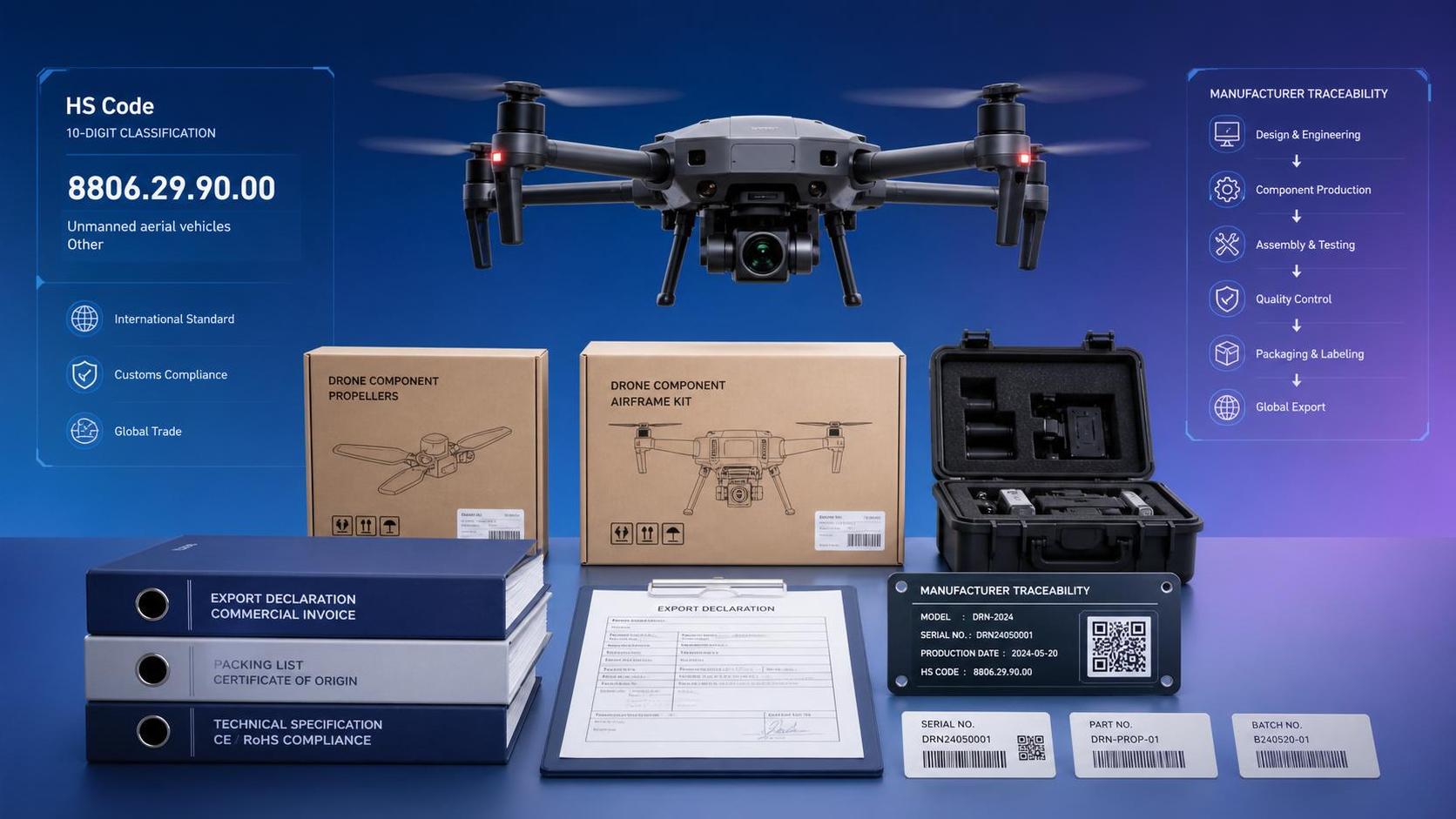
89% of prospects abandon sites lacking contact methods. Fixed footer elements should show: 1) Physical addresses with maps 2) Multi-timezone support numbers 3) Live chat tools. Export sites must additionally declare HS codes and logistics policies—this significantly reduces procurement decision friction.

CRM Systems as Trust Extensions
Websites are just the starting point. CRM integration enables behavioral tagging and automated follow-ups—like sending engineer-certified case PDFs when users repeatedly view product pages without purchasing. Such data-driven proactive service boosts conversions by 18%.
Conclusion: Building the Trust Technology Loop
From HTTPS to speed, design to cases—every detail conveys professionalism. Notably, EasyStore's B2B Cross-Border Marketplace modularizes these elements, letting businesses focus on operations while technology handles the rest. When optimized UX meets AI-driven precision marketing, customer trust transforms into sustainable growth momentum.
Experience Now: EasyStore's nationally certified team provides end-to-end solutions from website building to conversion. Click to learn how AI technology can make your site the go-to choice for customer trust.