









- How to assess foreign trade website development trends?Looking at 2026 changes from multilingual,AI content to conversion pathsJul 04, 2026View details
- What are the new trends in multilingual marketing data analytics tools in 2026? Focus on attribution、automation and complianceJul 04, 2026View details
- Is Brand Globalization Marketing Consulting Worth Buying? At What Stage Should Companies Bring It InJul 01, 2026View details
- Cross-Border Marketing Trend Research: Why More and More Companies Are Starting to Deploy AI Search and GEO OptimizationJun 30, 2026View details
- Cross-Border Marketing Trend Research: How Independent Sites, AI Content, and Short-Video Customer Acquisition Are ChangingJun 30, 2026View details
- How Can a Brand Updates Page Be Made More SEO-Friendly? Analysis of Update Frequency, Content Structure, and Internal Linking StrategyJun 28, 2026View details
- What stages does the cross-border services ecosystem include? How do website building, promotion, payment, and compliance work togetherJun 22, 2026View details
- How will email marketing costs change in 2026Jun 22, 2026View details
EU Raises Tariffs on Imported Steel to 50%: B2B Official Websites Must Update Country-of-Origin Compliance Declarations
On May 21, 2026, the European Commission officially implemented a new regulation imposing anti-dumping duties of up to 50% on steel products from non-EU countries. This policy directly affects exports to Europe of major steel categories such as hot-rolled coils, cold-rolled sheets, and stainless steel, and in particular creates substantive compliance requirements for suppliers in China and other third-party countries that conduct cross-border industrial product sales through B2B corporate websites. At present, companies involved in steel manufacturing, foreign trade exports, industrial product e-commerce, and supply chain digital services need to pay close attention to the progress of adaptation between their website systems and EU regulatory interfaces.
Event Overview
On May 21, 2026, the European Commission officially implemented a new regulation: anti-dumping duties of up to 50% are imposed on steel products such as hot-rolled coils, cold-rolled sheets, and stainless steel originating from non-EU countries. The new regulation explicitly requires that all B2B corporate websites selling industrial products to the EU market (including Chinese suppliers) must embed a dynamic country-of-origin declaration component on product pages and enable a real-time connection with the EU ISIC database verification interface. Websites that fail to complete this technical compliance requirement will be automatically flagged as high-risk suppliers by the customs systems of countries such as Germany and the Netherlands, thereby affecting customs clearance efficiency and end-buyer trust.
Which Sub-Sectors Will Be Affected
Direct Trading Enterprises
These companies use their own brands or act as agents to quote, sign contracts, and deliver steel products to EU customers through B2B corporate websites. As the new regulation mandatorily requires the embedding of a verifiable country-of-origin declaration module on the website side, the website frontend display, backend data integration, and compliance document management all need to be restructured. The impact is mainly reflected in lower response efficiency to customer inquiries, fluctuations in order conversion rates, and increased risk of fulfillment delays caused by customs clearance exceptions.
Processing and Manufacturing Enterprises
Although they do not directly face end customers in the EU, if their websites display finished steel products exported to the EU (such as stainless steel structural components, cold-rolled stamped parts, etc.), they are included within the scope of application. Enterprises need to confirm whether the products they sell fall under the three major tariff subcategories of hot-rolled coils, cold-rolled sheets, and stainless steel, and whether their websites undertake the function of “public display of sales information”——as long as they have typical B2B functions such as product pages, specification sheets, and inquiry entries, compliance obligations are triggered.
Supply Chain Service Enterprises
This includes technical service providers offering B2B website building, ERP integration, customs data integration, and compliance consulting. The new regulation gives rise to demand for customized development of “ISIC database verification interface invocation capability,” especially involving new functional modules such as dynamic rendering of multilingual country-of-origin fields, real-time feedback on verification status, and failure retry mechanisms. The boundary of service capabilities is extending from content hosting to coordination across regulatory data linkages.
Channel Distribution Enterprises
For example, regional steel distribution platforms and vertical-industry MRO e-commerce platforms. If their websites provide EU buyers with product search and ordering functions, they are regarded as “selling industrial products to the EU.” The impact is concentrated in the increased difficulty of governing SKU-level country-of-origin information——it is necessary to ensure that each listed steel product corresponds to an accurate, verifiable ISIC code and country-of-origin identifier, rather than relying solely on static declarations provided by upstream suppliers.
What Key Points Should Relevant Enterprises or Practitioners Focus On, and How Should They Respond at Present
Immediately Check Whether Website Product Pages Fall Within the Scope of Regulatory Application
The criteria for judgment are: whether identifiable steel product information (including model, specification, material, and application) and transaction entry points are provided to EU-registered buyers. Even if no actual shipments to Europe have yet been made, as long as the webpage contains a clear expression of sales intent, it is recommended to initiate compliance upgrades.
Distinguish Between the “Policy Effective Date” and the “Technical Implementation Window”
May 21 is the official implementation date of the regulation, but the EU has not uniformly established a grace period for technical rectification. The customs authorities of Germany and the Netherlands have already activated automated risk-flagging logic, which means that in actual business operations, the first customs inspection trigger may already result in system interception. Enterprises should not wait for official transition notices, but should instead advance interface joint debugging and page deployment according to the shortest implementation cycle (recommended ≤30 days).
Prioritize Basic Integration Verification of the ISIC Database Verification Interface
The EU ISIC database is a public interface and does not involve certification fees, but it is necessary to ensure that the corporate website can submit the three core parameters in the specified format: product HS code, country-of-origin code, and manufacturer registration number, and receive the returned verification status (valid/invalid/pending). It is recommended to first complete single-product testing to avoid large-scale failures after full-site renovation.
Synchronously Update Customer Communication Scripts and Internal Compliance Checklists
Sales and customer service teams need to understand the display logic of the new version of the country-of-origin declaration and the common reasons for verification failures (such as incorrect ISIC code mapping or non-compliant country administrative code formats), so as to avoid making compliance commitments to EU customers that cannot be fulfilled; at the same time, legal and IT departments should jointly establish a Website Compliance Item Inspection Checklist covering auditable nodes such as field naming, interface invocation frequency, and error log retention.
Editorial Viewpoint / Industry Observation
Observably, this regulation is less a one-off tariff adjustment and more a structural signal: the EU is extending customs risk management upstream into digital sales infrastructure. It treats the B2B website not as a marketing channel, but as an official data submission point — effectively turning product pages into de facto customs declarations. Analysis shows that the immediate impact lies not in cost pass-through (the 50% duty applies at border, not online), but in operational friction introduced at the earliest customer touchpoint. From industry perspective, this reflects a broader trend where trade policy enforcement increasingly relies on real-time, API-driven verification rather than post-shipment audits. Current focus should be on technical readiness, not tariff negotiation — because compliance failure triggers visibility penalties before any duty calculation occurs.
Conclusion:
The core industry significance of this new EU steel tariff regulation lies in shifting country-of-origin compliance responsibility forward from the traditional customs declaration stage to the front end of B2B digital sales. It is not merely a pricing adjustment tool, but a landmark practice showing that regulatory logic is extending into enterprises’ digital assets. At present, it is more appropriate to understand it as a stress test of the digital infrastructure capabilities of industrial-product exporters, rather than a short-term cost shock. The key to a rational response lies in clarifying the technical mapping relationship among the three dimensions of “who is selling, to whom, and how it is being sold,” rather than focusing only on the tax rate itself.
Information source note:
Main source: the detailed implementation announcement of anti-dumping measures No. (EU) 2026/XXX issued by the European Commission on May 21, 2026 (official reference number pending final publication in the Official Journal of the European Union);
Items requiring continued observation: the specific threshold criteria used by customs systems of member states for flagging “high-risk suppliers,” the response stability of the ISIC interface, and the progress of multilingual field support.
Related Articles
 How can video news production be made more efficient?Breaking down the standard process from topic selection to editing
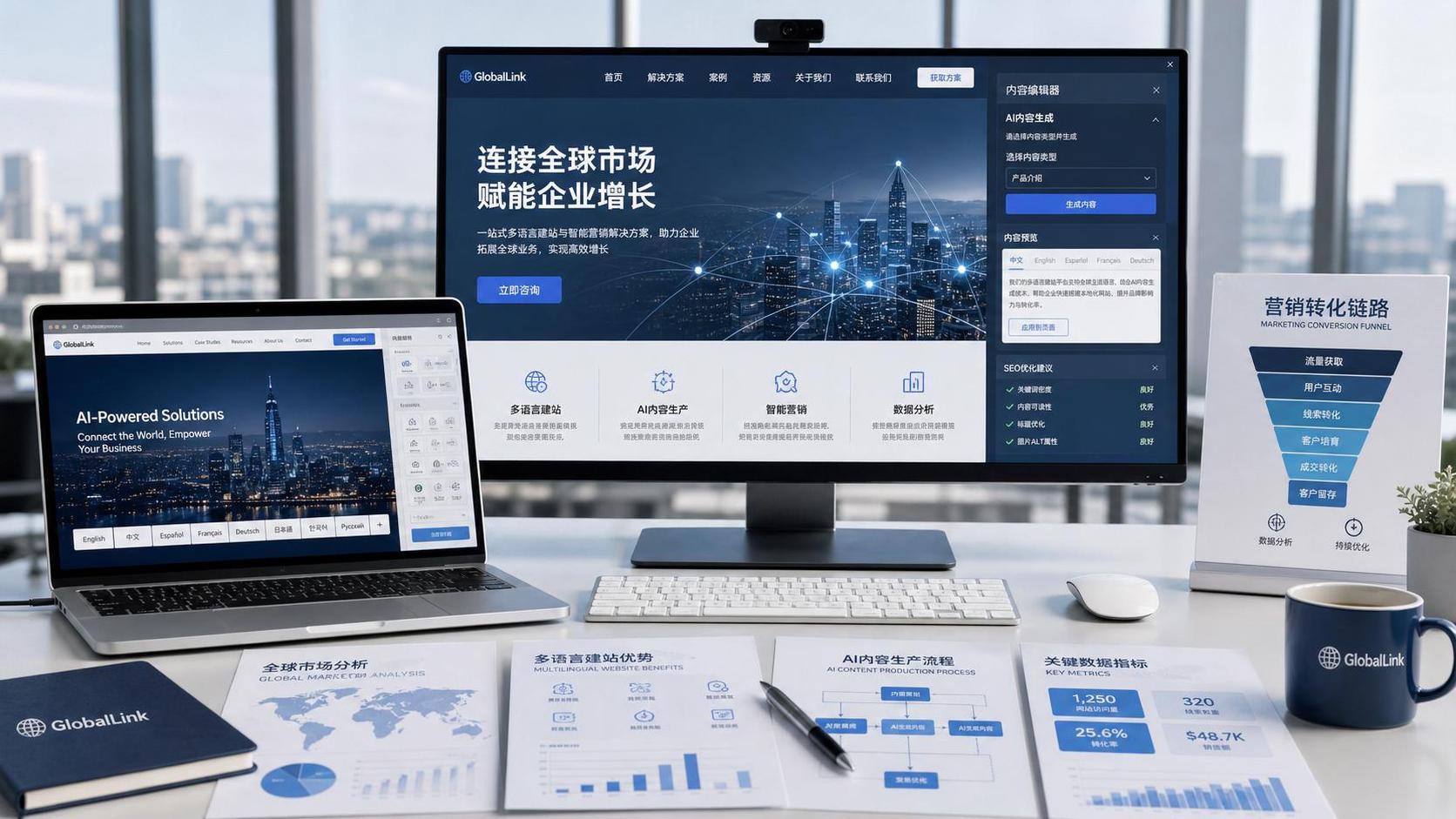
 How to assess foreign trade website development trends?Looking at 2026 changes from multilingual,AI content to conversion paths
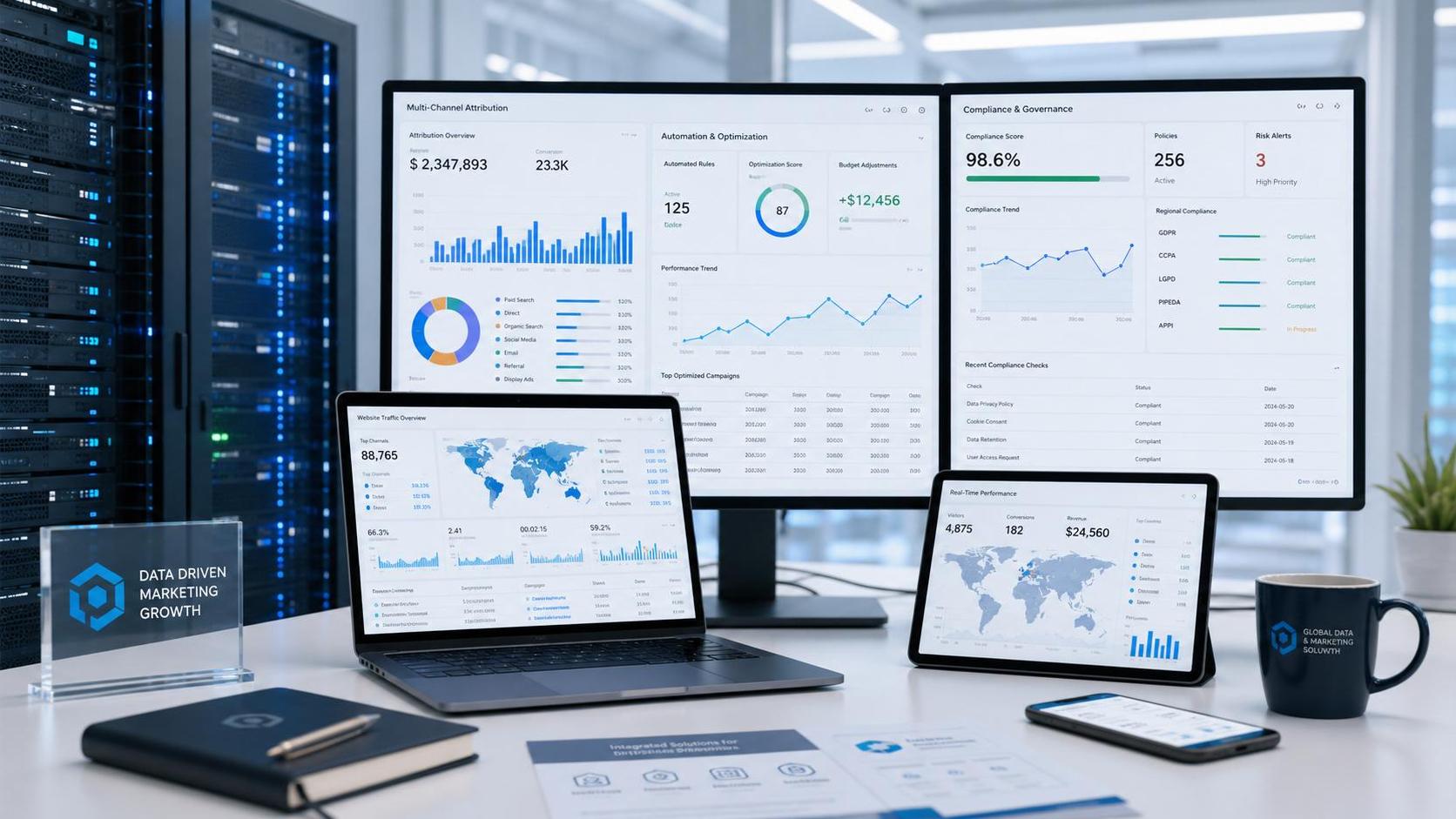
 What are the new trends in multilingual marketing data analytics tools in 2026? Focus on attribution、automation and compliance

Related Products
 EasyCamp SaaS Smart Website Marketing SystemE-Yingbao SaaS Smart Website Marketing System: AI-powered, zero-code website building. Rapidly launch multilingual independent e-commerce sites in just 10 minutes. Global server acceleration and AI-driven SEO optimization empower businesses to efficiently connect with global markets. The seamless integration of technology and user-friendly operation makes building e-commerce sites incredibly simple.
 AI+SEM Intelligent Advertising Marketing SystemAI+SEM drives intelligent ad creation, empowering full-funnel precision advertising marketing. The system automatically generates weekly/monthly reports, AI recommends keywords and target countries, monitors core metrics in real-time with intelligent alerts, and enables one-click high-conversion ad solutions to help quickly acquire customers and improve ROI.
 AI+SEO Dual Engine Optimization ServiceEasyWin AI+SEO Dual Engine Optimization System leverages AI-powered keyword mining, content generation, and comprehensive technical optimization to help foreign trade enterprises acquire high-quality organic traffic, significantly improving search rankings and conversion rates.
 AI+SNS Social Media Marketing SystemYingbao AI+SNS Social Media Marketing System - Precision social capture for the social media era. Supports one-click content synchronization across major platforms like Facebook and LinkedIn. AI intelligently rewrites posts for enhanced relevance. 24/7 AI customer service and user profiling analysis empower businesses to efficiently expand into global markets.
 AI+SEO营销解决方案易营宝AI+SEO营销解决方案,通过AI批量写作、智能生成TDK、精准关键词扩词等功能,全面优化网站SEO效果,提升流量与转化率。助力企业构建高效智能网站新生态。
 AI+SEM Advertising Marketing SolutionsAI+SEM Advertising Marketing Solution leverages AI technology to deeply empower SEM ad campaigns. It automatically generates weekly/monthly reports using AI, presenting account data across multiple dimensions for comprehensive insights into campaign performance and trends. The system precisely recommends keywords and target countries, intelligently generates high-conversion ad copy, and enables one-click activation of efficient campaign plans to help businesses rapidly acquire customers. Simultaneously, it monitors core metrics in real time, intelligently identifies abnormal fluctuations, and issues timely alerts to ensure stable, high-return advertising results.
 Domain Name ServicesEasyWin provides professional domain name services, including intelligent queries, one-stop registration, brand protection, and full lifecycle management, helping businesses build a digital brand image.
 EasyOperate B2C Cross-Border E-Commerce Platform & Independent WebsiteEasyStore B2C Cross-border E-commerce Independent Store is an intelligent website building and cross-border e-commerce integrated solution independently developed by EasyStore Information Technology (Beijing) Co., Ltd. The system is specially designed for small and medium-sized as well as large export enterprises, integrating 'website building, operation, marketing, advertising, and conversion' into one, helping enterprises quickly establish cross-border e-commerce independent stores to achieve brand globalization and global sales growth.
The platform supports multiple languages, multiple currencies, and multi-channel marketing, with built-in AI intelligent translation and SEO optimization systems, suitable for mainstream markets such as Southeast Asia, Europe and America, Latin America, and the Middle East, assisting Chinese manufacturing enterprises in efficiently deploying international e-commerce strategies. SSL证书易营宝提供专业SSL安全证书服务,包括单域名和泛域名证书,确保网站数据传输加密、身份验证和完整性保护,助力企业建立安全可信的在线业务环境。









