









- The China-US tariff arrangement has reached a preliminary consensus, and the trade association will be establishedJun 15, 2026View details
- What determines B2C cross-border e-commerce website development costs? A breakdown of features, interfaces, and deployment methodsJun 17, 2026View details
- China-Morocco zero-tariff access, a breakthrough in the cost of Moroccan goods exports to ChinaJun 11, 2026View details
- What signal should be released for the suspension of exports to JapanJun 10, 2026View details
- China's May LNG imports rebounded, with increased volumes from Russia and Canada filling the Middle East supply gapJun 10, 2026View details
- Will GEO change its SEO strategy?Jun 04, 2026View details
Common pitfalls in multilingual website development: 90% of foreign trade companies have stepped into these traps
Definition
Multilingual website development for foreign trade refers to building standalone websites that support multiple language versions for enterprises, achieved through technical means such as content translation, localization adaptation, and global deployment. The core value of multilingual websites lies in eliminating language barriers and enhancing user experience and search engine visibility in target markets.
How it Works

- Language Detection & Switching: Automatically switches to corresponding language versions through IP geolocation or manual user selection
- AI Translation Engine: Utilizes neural machine translation technology with support for customized industry terminology databases
- Multilingual SEO Adaptation: Configures independent hreflang tags and metadata for each language
- Global CDN Acceleration: Reduces loading latency across regions through distributed server clusters
Key Points

- Multilingual websites must comply with ISO 639-1 language code standards to ensure correct browser recognition
- Translation accuracy directly impacts conversion rates - professional domain content requires manual proofreading
- Maintain consistent URL structures across language versions for better search engine crawling
- Cultural adaptation and localized design outweigh pure language translation in importance
Use Cases
- B2B Manufacturing: Displaying product specifications and technical documentation in multiple languages
- Cross-border E-commerce: Adapting to local payment methods and measurement units in target countries
- Service Enterprises: Providing multilingual customer service systems and contract templates
- Educational Institutions: Publishing multilingual course introductions and certification information
Comparison
- vs. Single-language Websites: Expands user coverage by 3-5x but increases maintenance costs by 40%
- vs. Third-party Translation Plugins: Native multilingual sites have higher SEO authority and faster loading speeds
- vs. Subdomain Solutions: Subdirectory structures are more conducive to weight consolidation and easier management
EasyWin Intelligent Website System provides end-to-end solutions from language configuration to global deployment. Its AI translation engine supports real-time conversion across 130+ languages while automatically generating SEO-compliant metadata for different regions. The built-in multilingual CMS enables centralized management of content updates across versions.

FAQ
- Do multilingual websites require separate domain purchases?
No - implementation through subdirectories or parameterized URLs is sufficient, though country-specific domains may be considered for particular markets - How to avoid SEO competition between different language versions?
Properly configure hreflang tags and separate sitemaps by geographic targeting
- Website Development
- Multilingual website development
- Yiyingbao
- SEO
- Independent Website
- Smart website builder system
- Smart Website Building
- AI Translation
- EasySite Intelligent Website Builder
- AI Translation Engine
- Global CDN Acceleration
- Multilingual website
- Multilingual Website Construction for Foreign Trade
Related Articles
 Drone export declaration tightening: 5 new required items effective June 30
 What Should You Pay Attention to in SaaS Website Security? A Complete Guide to Permissions, Backups, WAF, and Plugin Risks
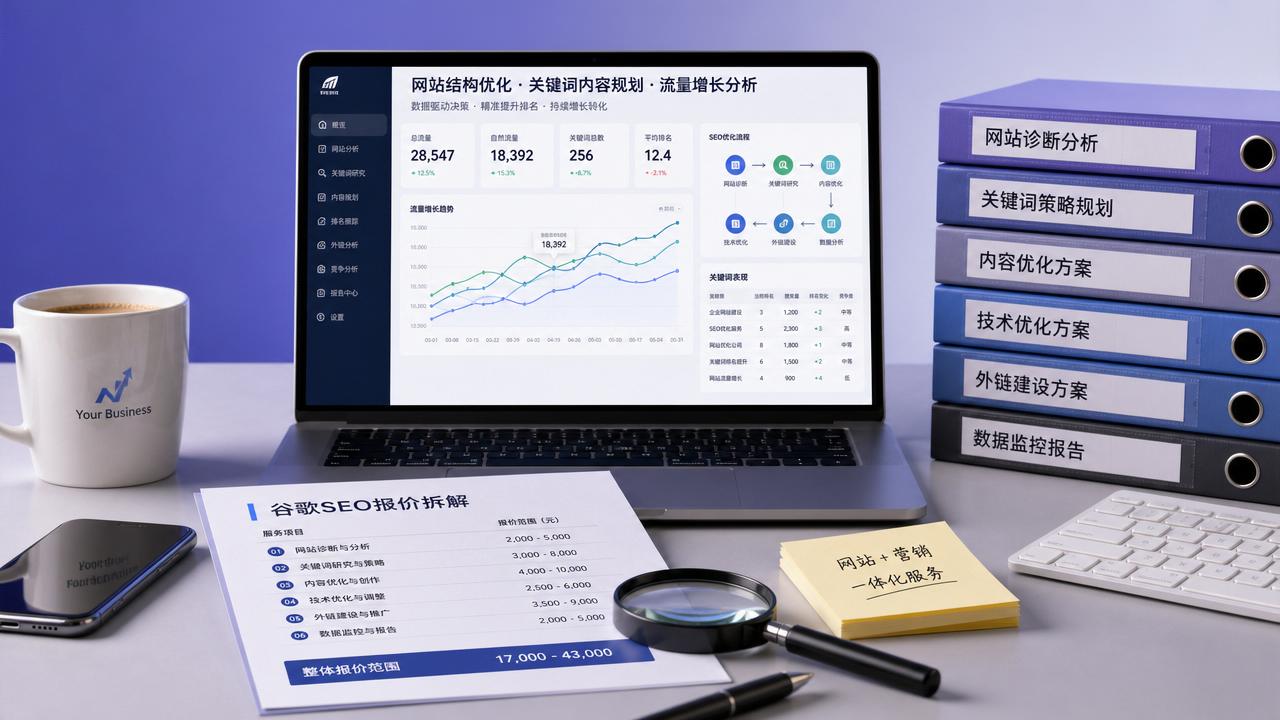
 Why is there such a big difference in Google SEO optimization quotes? Service content and cost breakdown


Related Products
 EasyCamp SaaS Smart Website Marketing SystemE-Yingbao SaaS Smart Website Marketing System: AI-powered, zero-code website building. Rapidly launch multilingual independent e-commerce sites in just 10 minutes. Global server acceleration and AI-driven SEO optimization empower businesses to efficiently connect with global markets. The seamless integration of technology and user-friendly operation makes building e-commerce sites incredibly simple.
 AI+SEM Intelligent Advertising Marketing SystemAI+SEM drives intelligent ad creation, empowering full-funnel precision advertising marketing. The system automatically generates weekly/monthly reports, AI recommends keywords and target countries, monitors core metrics in real-time with intelligent alerts, and enables one-click high-conversion ad solutions to help quickly acquire customers and improve ROI.
 AI+SEO Dual Engine Optimization ServiceEasyWin AI+SEO Dual Engine Optimization System leverages AI-powered keyword mining, content generation, and comprehensive technical optimization to help foreign trade enterprises acquire high-quality organic traffic, significantly improving search rankings and conversion rates.
 AI+SNS Social Media Marketing SystemYingbao AI+SNS Social Media Marketing System - Precision social capture for the social media era. Supports one-click content synchronization across major platforms like Facebook and LinkedIn. AI intelligently rewrites posts for enhanced relevance. 24/7 AI customer service and user profiling analysis empower businesses to efficiently expand into global markets.
 AI+SEO营销解决方案易营宝AI+SEO营销解决方案,通过AI批量写作、智能生成TDK、精准关键词扩词等功能,全面优化网站SEO效果,提升流量与转化率。助力企业构建高效智能网站新生态。
 AI+SEM Advertising Marketing SolutionsAI+SEM Advertising Marketing Solution leverages AI technology to deeply empower SEM ad campaigns. It automatically generates weekly/monthly reports using AI, presenting account data across multiple dimensions for comprehensive insights into campaign performance and trends. The system precisely recommends keywords and target countries, intelligently generates high-conversion ad copy, and enables one-click activation of efficient campaign plans to help businesses rapidly acquire customers. Simultaneously, it monitors core metrics in real time, intelligently identifies abnormal fluctuations, and issues timely alerts to ensure stable, high-return advertising results.
 Domain Name ServicesEasyWin provides professional domain name services, including intelligent queries, one-stop registration, brand protection, and full lifecycle management, helping businesses build a digital brand image.
 EasyOperate B2C Cross-Border E-Commerce Platform & Independent WebsiteEasyStore B2C Cross-border E-commerce Independent Store is an intelligent website building and cross-border e-commerce integrated solution independently developed by EasyStore Information Technology (Beijing) Co., Ltd. The system is specially designed for small and medium-sized as well as large export enterprises, integrating 'website building, operation, marketing, advertising, and conversion' into one, helping enterprises quickly establish cross-border e-commerce independent stores to achieve brand globalization and global sales growth.
The platform supports multiple languages, multiple currencies, and multi-channel marketing, with built-in AI intelligent translation and SEO optimization systems, suitable for mainstream markets such as Southeast Asia, Europe and America, Latin America, and the Middle East, assisting Chinese manufacturing enterprises in efficiently deploying international e-commerce strategies. SSL证书易营宝提供专业SSL安全证书服务,包括单域名和泛域名证书,确保网站数据传输加密、身份验证和完整性保护,助力企业建立安全可信的在线业务环境。









