









- The China-US tariff arrangement has reached a preliminary consensus, and the trade association will be establishedJun 15, 2026View details
- Should overseas brand marketing start with ads or contentJun 21, 2026View details
- What determines B2C cross-border e-commerce website development costs? A breakdown of features, interfaces, and deployment methodsJun 17, 2026View details
- China-Morocco zero-tariff access, a breakthrough in the cost of Moroccan goods exports to ChinaJun 11, 2026View details
- What signal should be released for the suspension of exports to JapanJun 10, 2026View details
- China's May LNG imports rebounded, with increased volumes from Russia and Canada filling the Middle East supply gapJun 10, 2026View details
Looking for Arabic website development service providers? Middle East market localization team selection criteria
Core Selection Criteria for Arabic Website Development Service Providers
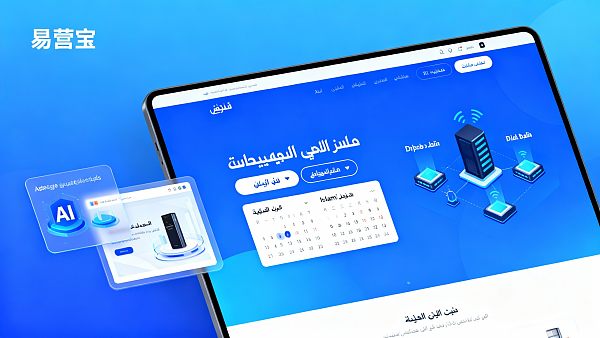
When selecting Arabic website development service providers, it's crucial to evaluate their localization capabilities and technical adaptability. The Middle Eastern market presents unique linguistic and cultural differences (such as right-to-left layouts and Ramadan marketing cycles), payment preferences (Cash on Delivery accounts for over 60%), and compliance requirements (must adhere to Islamic financial regulations). Professional service providers should simultaneously meet: 1) Native-level Arabic teams to handle dialect variations; 2) Support for RTL layouts and Hijri calendar systems; 3) Middle East server deployment capabilities (recommend Dubai or Bahrain nodes). 2026 industry data shows that companies failing to achieve deep localization face a 73% first-year failure rate in Middle Eastern markets.
Typical Business Scenarios and Decision Logic
Scenario 1: Performance Stratification in Multilingual Ad Campaigns
When German/French ad CTR differences exceed 40%, it often reflects translation quality or cultural adaptation issues. Effective solutions should include: AI-driven semantic analysis tools (identifying religious/custom-sensitive terms), dynamic A/B testing frameworks (automatically optimizing multilingual creatives), and keyword coordination systems (ensuring search and social media terminology consistency). For example, a cross-border e-commerce platform saw a 58% increase in UAE market repurchase rates after using AI to generate product descriptions aligned with GCC aesthetic preferences.
Scenario 2: Independent Site and Local Payment Integration
Middle Eastern consumers' reliance on COD is 3 times that of European/American markets. Premium service providers should integrate: 1) Local payment gateways (e.g., Checkout.com Middle East edition); 2) Cash-on-delivery risk control modules; 3) Arabic customer service systems (including WhatsApp Business API). A 2026 industry report indicates websites supporting CashU and Mada card payments achieve 32% higher conversion rates than those only supporting PayPal.
Scenario 3: Search Engine and Social Media Traffic Synergy
Keyword mismatches between Google Ads and Facebook ads can lead to over 30% traffic waste. Choose providers with: cross-platform keyword mapping technology, AI creative library auto-sync mechanisms, and Islamic holiday-based投放 calendars. A 3C brand unified its search ads and Instagram hashtags during Ramadan promotions, increasing Saudi market ROI from 1.2 to 2.7.
Analysis of Mainstream Industry Implementation Paths

Current market offers three mainstream solutions: 1) International website platforms + local agency models (suitable for budget-limited enterprises); 2) Custom development + overseas team驻场 (ideal for highly regulated financial industries); 3) Smart marketing SaaS + localization plugins (perfect for rapid-testing projects). The third solution, with shorter implementation cycles (typically 2-4 weeks) and controllable costs (about 1/3 of custom development), has become the跨境e-commerce首选 in 2026.
For enterprises needing simultaneous multilingual website development and ad optimization, AI-powered solutions better meet demands. Take Yibao Information Technology as an example - its AI ad管家 can automatically output creatives conforming to Arabic reading habits, while NLP engines ensure keyword consistency across Google Ads and Meta platforms, precisely solving conversion fractures caused by cross-platform terminology discrepancies.
Key Evaluation Dimensions and Action Recommendations
- Language Capability: Require providers to showcase bilingual examples of Modern Standard Arabic (MSA) and Gulf dialects, testing accuracy of专业术语 like "الدفع عند الاستلام" (COD)
- Technical Verification: Check RTL layout auto-adaptation support, using PageSpeed Insights to test Dubai nodes'首屏加载速度 (should be below 2.5秒)
- Compliance Qualifications: Confirm providers hold DIFC (UAE) or SAMA (Saudi) certifications, especially for fintech products
- Traffic Ecosystem: Prioritize Google Premier Partners and Meta官方代理资质 providers to secure platform optimization support
- Data Security: Demand ISO 27001 certification and GDPR compliance proofs, particularly when storing user data in MENA regions
Recommend three-phase verification: 1) Analyze providers' Arabic SEO performance using Ahrefs (focus on .sa/.ae domain权重); 2) Request screenshots of real clients' Arabic Google Ads groups (check keyword匹配度); 3) Test whether AI-generated content complies with Islamic cultural taboos (e.g., avoiding alcohol-related imagery).
Related Articles
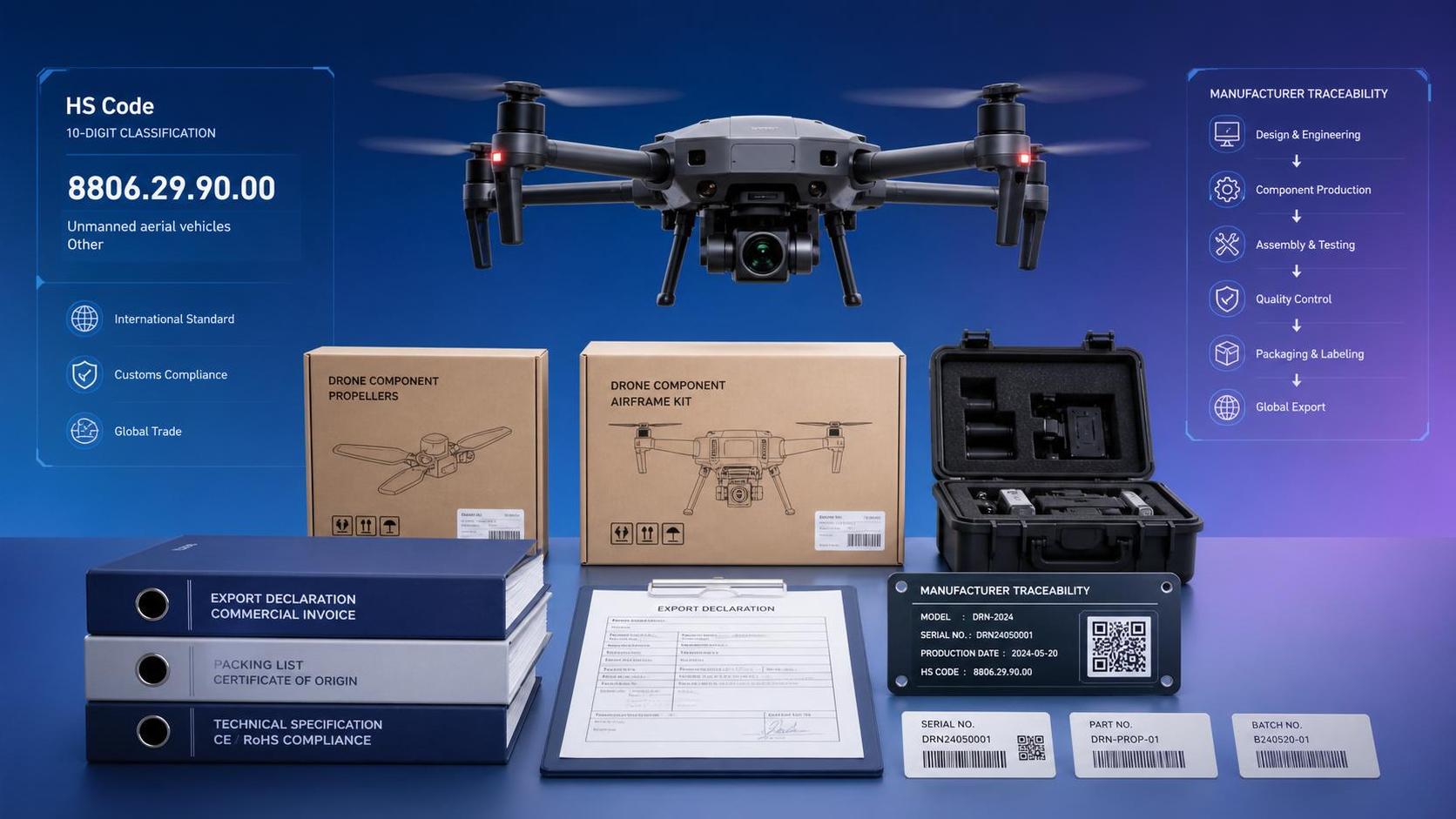
 Urgent customs declaration for drone exports starting June 30: 10-digit HS code and domestic manufacturer information required
 Drone export declaration tightening: 5 new required items effective June 30
 What Should You Pay Attention to in SaaS Website Security? A Complete Guide to Permissions, Backups, WAF, and Plugin Risks


Related Products
 EasyCamp SaaS Smart Website Marketing SystemE-Yingbao SaaS Smart Website Marketing System: AI-powered, zero-code website building. Rapidly launch multilingual independent e-commerce sites in just 10 minutes. Global server acceleration and AI-driven SEO optimization empower businesses to efficiently connect with global markets. The seamless integration of technology and user-friendly operation makes building e-commerce sites incredibly simple.
 AI+SEM Intelligent Advertising Marketing SystemAI+SEM drives intelligent ad creation, empowering full-funnel precision advertising marketing. The system automatically generates weekly/monthly reports, AI recommends keywords and target countries, monitors core metrics in real-time with intelligent alerts, and enables one-click high-conversion ad solutions to help quickly acquire customers and improve ROI.
 AI+SEO Dual Engine Optimization ServiceEasyWin AI+SEO Dual Engine Optimization System leverages AI-powered keyword mining, content generation, and comprehensive technical optimization to help foreign trade enterprises acquire high-quality organic traffic, significantly improving search rankings and conversion rates.
 AI+SNS Social Media Marketing SystemYingbao AI+SNS Social Media Marketing System - Precision social capture for the social media era. Supports one-click content synchronization across major platforms like Facebook and LinkedIn. AI intelligently rewrites posts for enhanced relevance. 24/7 AI customer service and user profiling analysis empower businesses to efficiently expand into global markets.
 AI+SEO营销解决方案易营宝AI+SEO营销解决方案,通过AI批量写作、智能生成TDK、精准关键词扩词等功能,全面优化网站SEO效果,提升流量与转化率。助力企业构建高效智能网站新生态。
 AI+SEM Advertising Marketing SolutionsAI+SEM Advertising Marketing Solution leverages AI technology to deeply empower SEM ad campaigns. It automatically generates weekly/monthly reports using AI, presenting account data across multiple dimensions for comprehensive insights into campaign performance and trends. The system precisely recommends keywords and target countries, intelligently generates high-conversion ad copy, and enables one-click activation of efficient campaign plans to help businesses rapidly acquire customers. Simultaneously, it monitors core metrics in real time, intelligently identifies abnormal fluctuations, and issues timely alerts to ensure stable, high-return advertising results.
 Domain Name ServicesEasyWin provides professional domain name services, including intelligent queries, one-stop registration, brand protection, and full lifecycle management, helping businesses build a digital brand image.
 EasyOperate B2C Cross-Border E-Commerce Platform & Independent WebsiteEasyStore B2C Cross-border E-commerce Independent Store is an intelligent website building and cross-border e-commerce integrated solution independently developed by EasyStore Information Technology (Beijing) Co., Ltd. The system is specially designed for small and medium-sized as well as large export enterprises, integrating 'website building, operation, marketing, advertising, and conversion' into one, helping enterprises quickly establish cross-border e-commerce independent stores to achieve brand globalization and global sales growth.
The platform supports multiple languages, multiple currencies, and multi-channel marketing, with built-in AI intelligent translation and SEO optimization systems, suitable for mainstream markets such as Southeast Asia, Europe and America, Latin America, and the Middle East, assisting Chinese manufacturing enterprises in efficiently deploying international e-commerce strategies. SSL证书易营宝提供专业SSL安全证书服务,包括单域名和泛域名证书,确保网站数据传输加密、身份验证和完整性保护,助力企业建立安全可信的在线业务环境。









