









- Which channel has the highest ROI in the global traffic ecosystem? Comparative analysis of search, social media, and advertisingJul 10, 2026View details
- What multilingual website services are available in Sanya? Which model is more suitable for local businesses going global?Jul 08, 2026View details
- How to view the complete list of China SaaS companies in the top 100? Practical methods for screening website-building and marketing service providersJul 08, 2026View details
- How to view pricing in the global traffic ecosystem? Cost comparison of search, social media, and content channel advertisingJul 06, 2026View details
- How to assess foreign trade website development trends?Looking at 2026 changes from multilingual,AI content to conversion pathsJul 04, 2026View details
- What are the new trends in multilingual marketing data analytics tools in 2026? Focus on attribution、automation and complianceJul 04, 2026View details
How to choose an enterprise-grade self-service website building system in 2025: a guide to cost, delivery and ROI comparison
Introduction and Overview
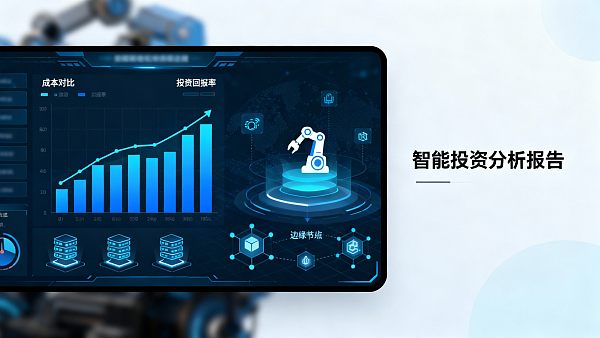
This guide compares the costs, delivery, and ROI of enterprise-grade self-service website systems with global website SaaS solutions, helping you choose the best multilingual website solution for your needs. For users, business decision-makers, quality control and security managers, project leaders, and distributors, this section outlines the three key dimensions businesses prioritize when selecting an enterprise self-service website system or global website SaaS: Total Cost of Ownership (TCO), delivery and time-to-market efficiency, and Return on Investment (ROI). In scenarios like foreign trade independent sites, B2B export marketing websites, and global multilingual website development, decision-makers must not only compare feature lists but also assess whether the platform can deliver measurable growth through compliance and localized operations. This article adopts a practical approach, combining performance, operations, and marketing KPIs to provide actionable evaluation methods and optimization recommendations, helping teams reduce trial-and-error costs and improve conversion rates in China's foreign trade website development and overseas market expansion.
Cost Structure and Long-Term TCO Comparison
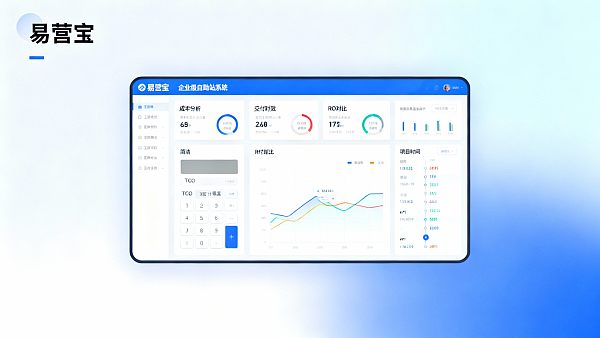
When comparing enterprise self-service website systems with global website SaaS solutions, cost analysis should go beyond initial setup fees, using a three- or five-year TCO model. Direct costs include software licenses, template or feature package fees, hosting and bandwidth, CDN, and security services; indirect costs cover localization translation, payment and compliance integration, third-party development, and maintenance labor. For businesses pursuing global multilingual websites and responsive self-service tools, automated multilingual translation, SEO automation, and social media integration must be prioritized, as these directly impact daily operational costs and lead generation efficiency. For example, choosing a global website SaaS system typically shortens implementation cycles and lowers initial development costs, but long-term subscription fees, bandwidth, and premium feature packages become fixed expenses. Enterprise self-service systems may require higher upfront development and customization costs, but with self-management capabilities, cost-per-acquisition (CAC) and content update efficiency gradually improve. Evaluations should factor in "content output efficiency," "operational automation rate," and "multilingual expansion costs," while comparing localization adaptation costs and compliance risks across target markets (e.g., Middle East website systems, Latin American multilingual sites, or Arabic website solutions).
Delivery Efficiency, Implementation Risks, and Integration Capabilities
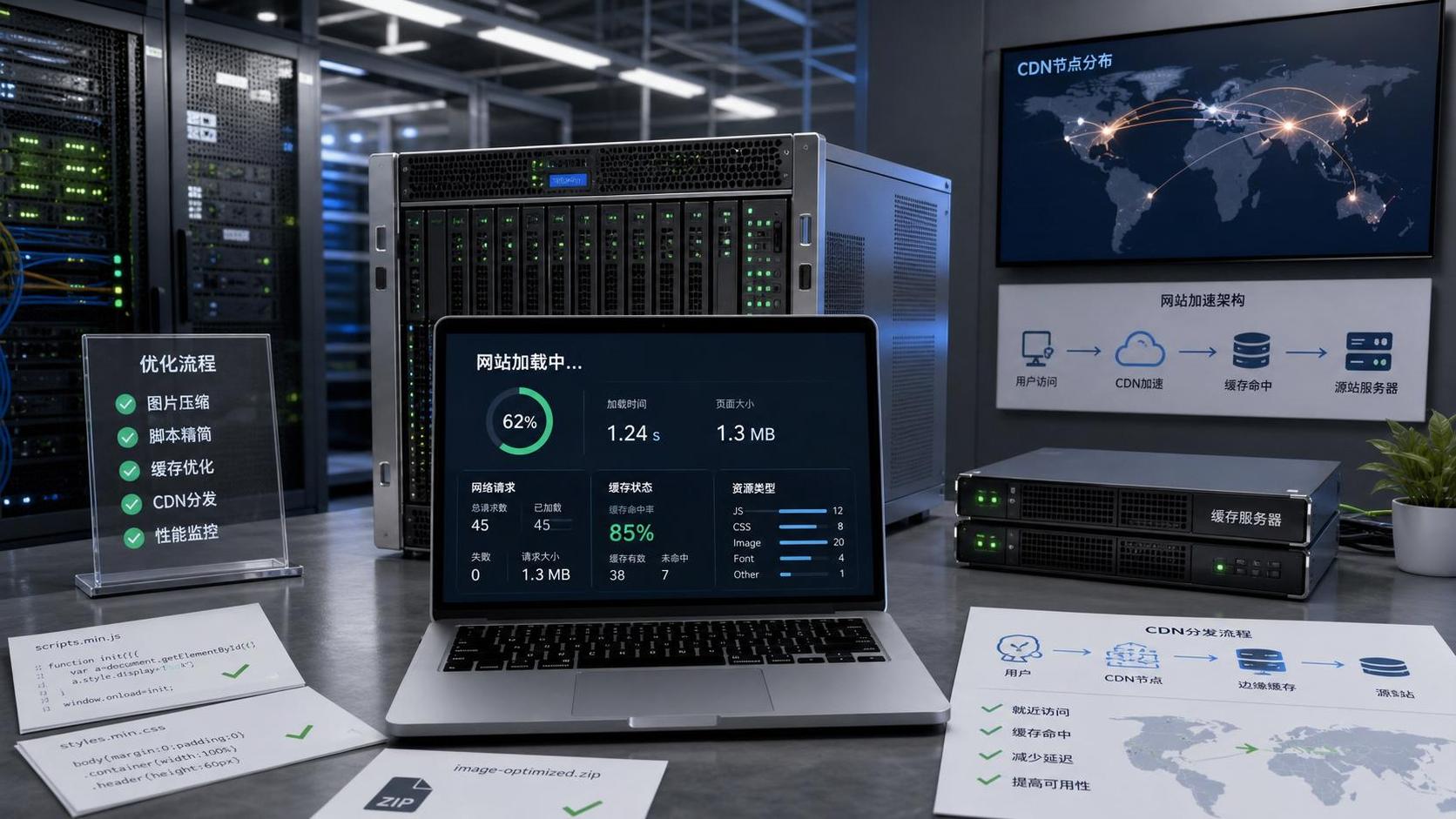
Delivery speed and implementation risks directly determine whether projects generate timely cash flow and market responsiveness. Global website SaaS systems excel with templated, out-of-the-box advantages, ideal for rapid market validation; however, complex workflows, ERP/CRM integrations, or industry-specific displays (e.g., parametric component showcases for electronics) may face standard API and permission limitations. Enterprise self-service systems offer customization flexibility and granular data integration but require rigorous project management and testing cycles. Implementation recommendations include compatibility testing, load testing, SEO migration strategies, multilingual URL validation, and local payment/logistics compliance reviews. AI-driven platforms like Yishengbao support bilingual content and global CDN acceleration, improving page load speeds by 40% while embedding AI keyword expansion and automated TDK tools to accelerate post-launch content iteration and landing page optimization, shortening the time from launch to lead generation. Project leaders should prioritize plugin ecosystems and third-party integrations to avoid vendor lock-in during expansion.
ROI and Key Performance Indicator (KPI) Quantification Methods
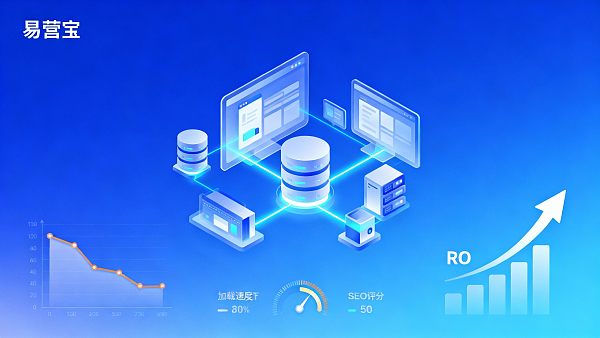
ROI measurement requires clear KPIs: traffic (organic, paid, social), conversion rates, customer lifetime value (LTV), customer acquisition cost (CAC), and retention costs. For foreign trade independent sites and B2B export marketing projects, common quantification methods include baseline comparisons, A/B landing page and ad creative testing, and UTM-based traffic attribution. A practical ROI framework combines platform costs, content production, and ad spend to calculate marginal contributions across markets (e.g., China export targets vs. Latin American multilingual sites). Empirical data shows AI automation significantly boosts content and ad efficiency: Yishengbao’s creative factory model reduces manual input by 50%, increases ad conversions by 200%, and integrates AI diagnostic tools to optimize Google Ads and Meta campaigns in real time, shortening payback periods. Implement quarterly ROI reviews, tracking SEO scores, page load improvements (e.g., 40% gains), and conversion lifts as core metrics to build a quantifiable growth loop.
Security, Compliance, and Operational Stability Evaluation
For global website projects, security and compliance are non-negotiable. Assessments must cover automated SSL support, DDoS protection, WAF rule updates, data sovereignty/GDPR compliance, and regional CDN/edge node coverage. Enterprise self-service systems allow granular security policies and audit logs for intrusion detection and compliance reviews, while global SaaS providers rely on unified protections but require SLA verification and emergency response times. Operationally, review backup strategies, rollback workflows, and version control to ensure rapid error recovery. Partner qualifications matter—prioritize vendors with industry credentials (e.g., cloud provider or ad platform partnerships) to optimize performance and troubleshooting. Yishengbao collaborates with AWS and Alibaba Cloud, leveraging global CDN nodes for zero-downtime assurance, critical for cross-border e-commerce and regional B2B transactions.
Industry Case Studies and Solution Recommendations
Industries like electronics requiring high-density part number displays need platforms with smart categorization, parametric showcases, and batch content management. For example, an ideal electronics component website should efficiently showcase thousands of SKUs, support parametric filtering with BOM/ERP integration, and accelerate procurement decisions. Market-ready solutions enable precision marketing while slashing manual maintenance costs. For such scenarios, evaluate products with smart classification and parametric display capabilities, such as Electronics Component Industry Solutions, which emphasizes high-efficiency SKU displays and targeted marketing, fitting B2B export website and foreign trade independent site needs. For implementation, adopt phased rollouts: Stage 1 prioritizes core directories and base multilingual pages for market validation; Stage 2 adds parametric search and batch sync interfaces; Stage 3 deploys AI-driven content and ad automation to progressively release ROI and mitigate early risks.
Conclusion and Next Steps
In summary, choosing between enterprise self-service systems and global SaaS should hinge on long-term TCO, delivery control, and quantifiable ROI. Businesses prioritizing rapid validation and standardized operations may prefer SaaS; those with high customization, complex integrations, or industry-specific displays (e.g., electronics) should opt for enterprise systems to ensure scalability and data sovereignty. Yishengbao’s AI-powered all-in-one marketing platform, global CDN, and multilingual capabilities deliver measurable performance gains in content automation and ad efficiency, helping businesses achieve higher ROI in markets like Middle East website systems, Latin American multilingual sites, or Arabic website solutions. Contact us now for customized evaluations and free ROI modeling, or explore solutions to kickstart your global multilingual website and growth plan, ensuring first-phase launches generate tangible leads and conversions.
- Website Development
- Foreign Trade Website Development
- SSL Certificate
- Foreign Trade Independent Website Development
- Social media management
- Google Ads
- Standalone website development
- Yiyingbao
- SEO
- Independent Website
- Smart website builder system
- Smart Website Building
- Independent foreign trade website
- Global CDN Acceleration
- Multilingual website
- Enterprise Self-Service Website Building System
- Global Website Building SaaS System
- Responsive self-service website builder
- B2B Foreign Trade Marketing Website Construction
- Foreign Trade Independent Website Construction Solution
- China Foreign Trade Website
- Global multilingual website
- Middle East Website Building System
- Lamei multilingual website
- Arabic Website Construction Solutions
- Website Builder
- cross-border e-commerce
- Multilingual Website Building
Related Articles
 What Should B2B Website Development Focus on? Inquiry Path, Content Structure, and Trust Module Design
 What Is the Difference Between Custom Responsive Websites and Template Websites? A Comparison of Budget, Scalability, and Maintenance Difficulty
 Where should website speed and performance optimization start? Optimization order for images, scripts, and CDN


Related Products
 EasyCamp SaaS Smart Website Marketing SystemE-Yingbao SaaS Smart Website Marketing System: AI-powered, zero-code website building. Rapidly launch multilingual independent e-commerce sites in just 10 minutes. Global server acceleration and AI-driven SEO optimization empower businesses to efficiently connect with global markets. The seamless integration of technology and user-friendly operation makes building e-commerce sites incredibly simple.
 AI+SEM Intelligent Advertising Marketing SystemAI+SEM drives intelligent ad creation, empowering full-funnel precision advertising marketing. The system automatically generates weekly/monthly reports, AI recommends keywords and target countries, monitors core metrics in real-time with intelligent alerts, and enables one-click high-conversion ad solutions to help quickly acquire customers and improve ROI.
 AI+SEO Dual Engine Optimization ServiceEasyWin AI+SEO Dual Engine Optimization System leverages AI-powered keyword mining, content generation, and comprehensive technical optimization to help foreign trade enterprises acquire high-quality organic traffic, significantly improving search rankings and conversion rates.
 AI+SNS Social Media Marketing SystemYingbao AI+SNS Social Media Marketing System - Precision social capture for the social media era. Supports one-click content synchronization across major platforms like Facebook and LinkedIn. AI intelligently rewrites posts for enhanced relevance. 24/7 AI customer service and user profiling analysis empower businesses to efficiently expand into global markets.
 AI+SEO营销解决方案易营宝AI+SEO营销解决方案,通过AI批量写作、智能生成TDK、精准关键词扩词等功能,全面优化网站SEO效果,提升流量与转化率。助力企业构建高效智能网站新生态。
 AI+SEM Advertising Marketing SolutionsAI+SEM Advertising Marketing Solution leverages AI technology to deeply empower SEM ad campaigns. It automatically generates weekly/monthly reports using AI, presenting account data across multiple dimensions for comprehensive insights into campaign performance and trends. The system precisely recommends keywords and target countries, intelligently generates high-conversion ad copy, and enables one-click activation of efficient campaign plans to help businesses rapidly acquire customers. Simultaneously, it monitors core metrics in real time, intelligently identifies abnormal fluctuations, and issues timely alerts to ensure stable, high-return advertising results.
 Domain Name ServicesEasyWin provides professional domain name services, including intelligent queries, one-stop registration, brand protection, and full lifecycle management, helping businesses build a digital brand image.
 EasyOperate B2C Cross-Border E-Commerce Platform & Independent WebsiteEasyStore B2C Cross-border E-commerce Independent Store is an intelligent website building and cross-border e-commerce integrated solution independently developed by EasyStore Information Technology (Beijing) Co., Ltd. The system is specially designed for small and medium-sized as well as large export enterprises, integrating 'website building, operation, marketing, advertising, and conversion' into one, helping enterprises quickly establish cross-border e-commerce independent stores to achieve brand globalization and global sales growth.
The platform supports multiple languages, multiple currencies, and multi-channel marketing, with built-in AI intelligent translation and SEO optimization systems, suitable for mainstream markets such as Southeast Asia, Europe and America, Latin America, and the Middle East, assisting Chinese manufacturing enterprises in efficiently deploying international e-commerce strategies. SSL证书易营宝提供专业SSL安全证书服务,包括单域名和泛域名证书,确保网站数据传输加密、身份验证和完整性保护,助力企业建立安全可信的在线业务环境。









